HummingBytes benchmark · Tested March 2026
Nano Banana Pro vs Nano Banana 2
Nano Banana 2 is the better-value starting point, with strong shared-test quality and exclusive ultra-wide formats. Nano Banana Pro is the safer fallback for delicate edits and dense reference scenes.
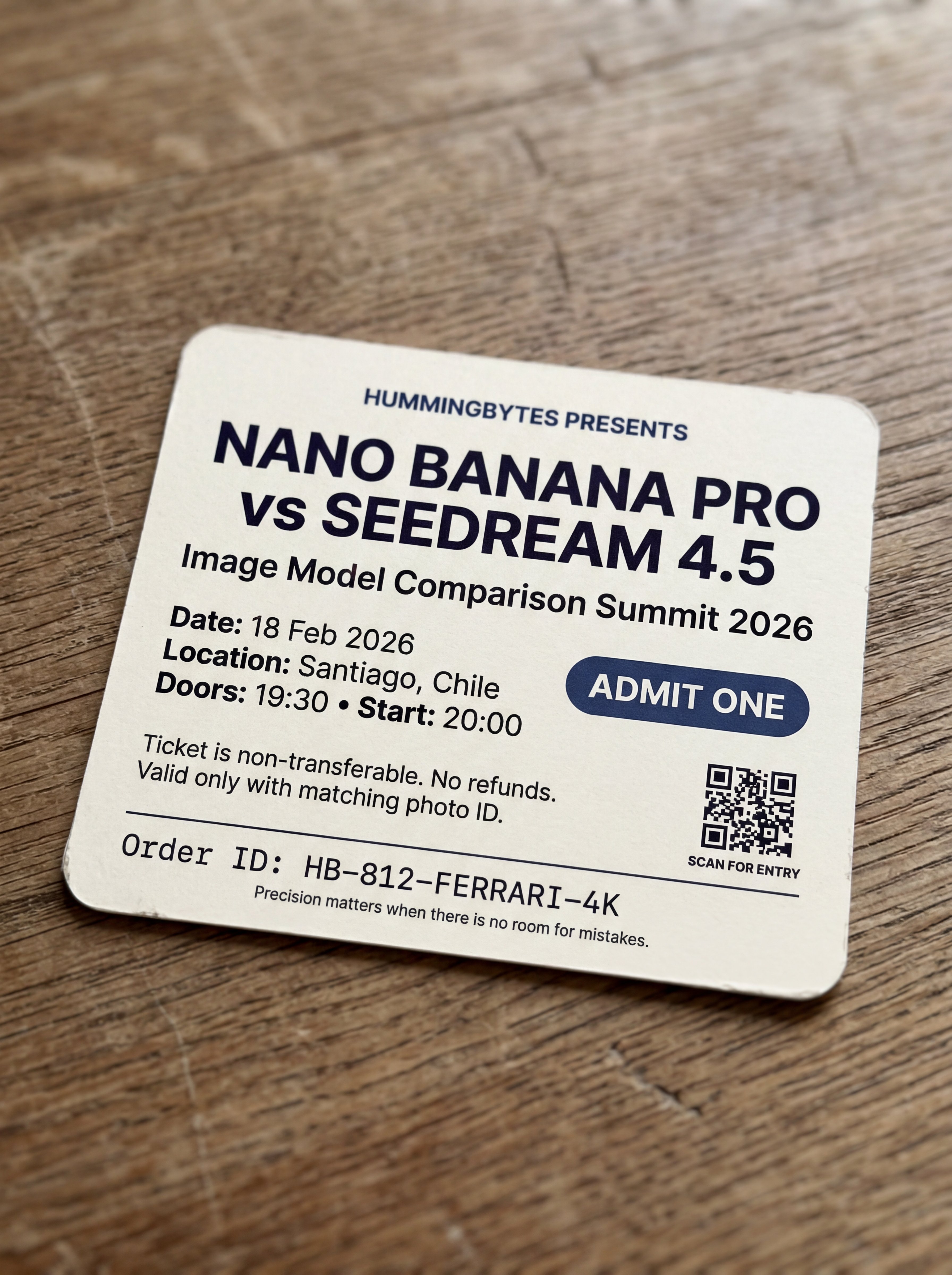
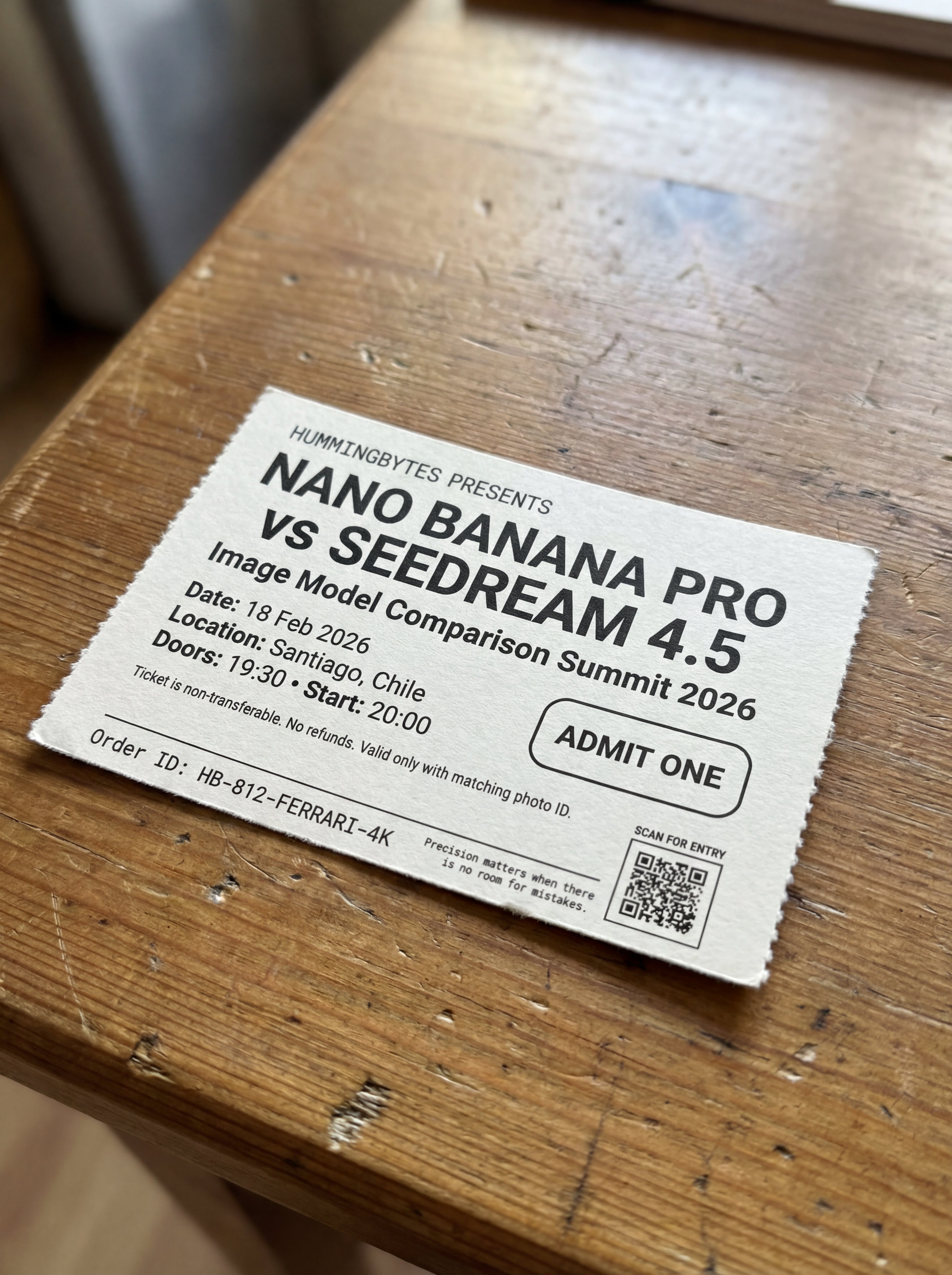
Existing benchmark outputs. Read the prompt and verdict in the tests below.
Choose by the result you need
Each criterion links to the original test. These observations describe the displayed outputs.
Nano Banana 2
Slightly clearer text and layout.
Nano Banana Pro
Slightly more photographic.
Nano Banana 2
Less integrated group lighting.
Nano Banana Pro
Slightly more coherent scene and lighting.
Nano Banana 2
Tie: strong identity and background swap.
Nano Banana Pro
Tie: strong identity and background swap.
Nano Banana 2
Preserves more of the board and surroundings.
Nano Banana Pro
Changes more of the original scene.
How to read these results
We compared generated images and edits using the prompts and references shown below. Inspect the full images before choosing for your own brief.
These are the original benchmark results. Prices, timings and supported formats describe the test configuration, not a new measurement.
Testing details and limitations
This current version spans ten production-relevant scenarios: typography, spatial logic, painting style fidelity, long-form layout, logo reduction, edit preservation, and dense multi-reference scene composition.
All outputs shown on this page were generated inside HummingBytes using the same prompt, aspect ratio, image-size settings, and, where applicable, the same uploaded references for both models. For each shared prompt, we generated four images per model and selected the strongest result from each set. No manual image editing was used to improve the benchmark examples shown here. This is a live benchmark page: additional scenarios will be added as we finish generating more matched asset pairs. Pricing and workflow support reflect the current product configuration as of March 10, 2026.
The tested configuration priced Nano Banana 2 at 8 / 12 / 18 credits for 1K / 2K / 4K, versus 17 / 17 / 29 credits for Nano Banana Pro. Several shared tests were too close to call.
The 4:1 and 8:1 examples and Google Image Search grounding are documented separately as Nano Banana 2 capabilities, not scored as matched comparisons.
Image generation
Inspect the output pairs and their references. Open a prompt to see exactly what was requested.
Text, layouts and graphics
Check exact wording, readability and how the page or image is organized.
Text Rendering Test
What this test checks
A direct typography benchmark using the same printed-ticket prompt on both Gemini models. This is useful because the outputs are both strong, but subtle spacing, hierarchy, and small-text fidelity still matter in production.
Verdict:
Nano Banana 2Why this winner
Nano Banana 2 wins by a narrow margin here because the text and layout read more clearly, even if Nano Banana Pro looks slightly more photographic overall.
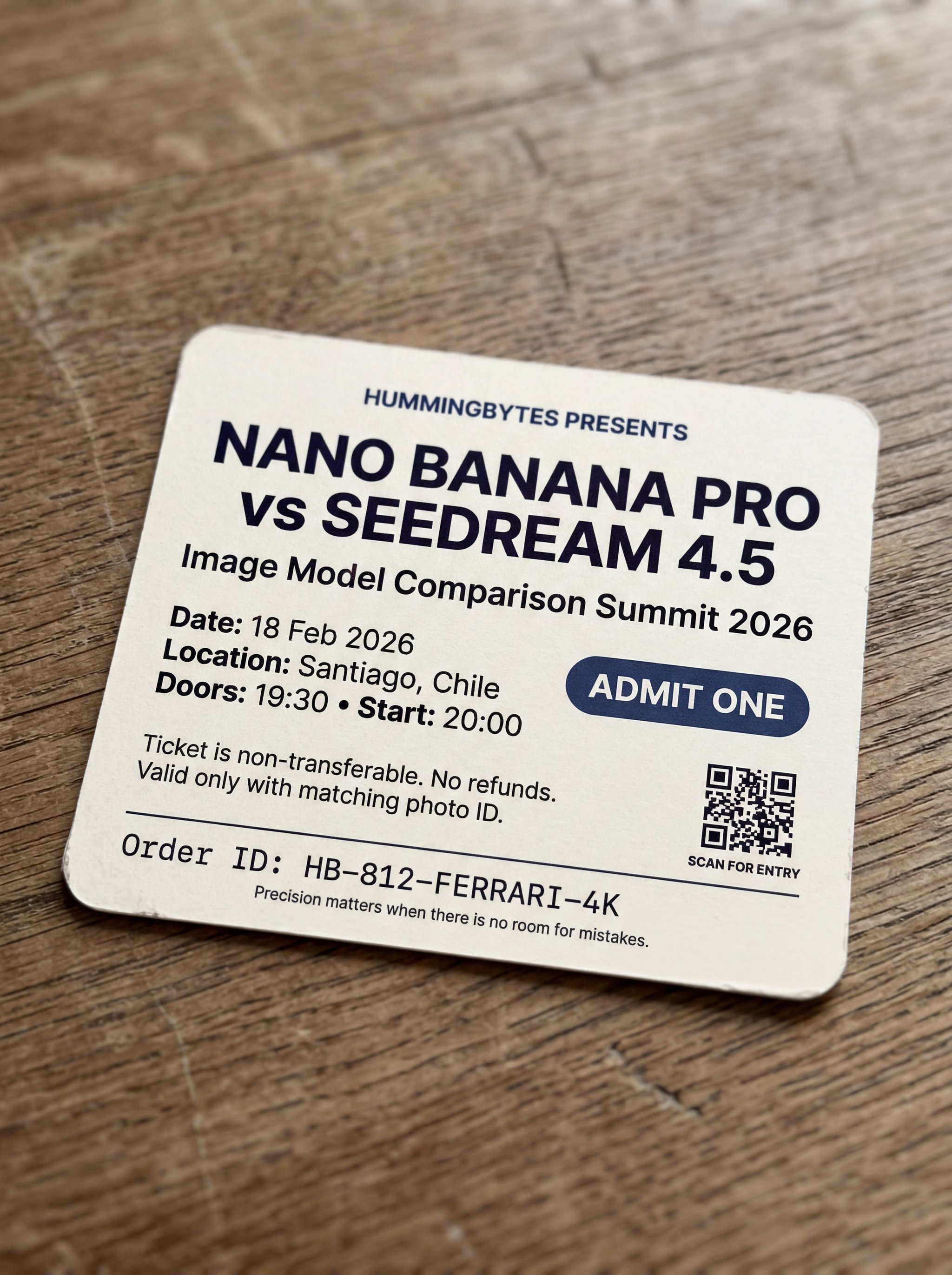
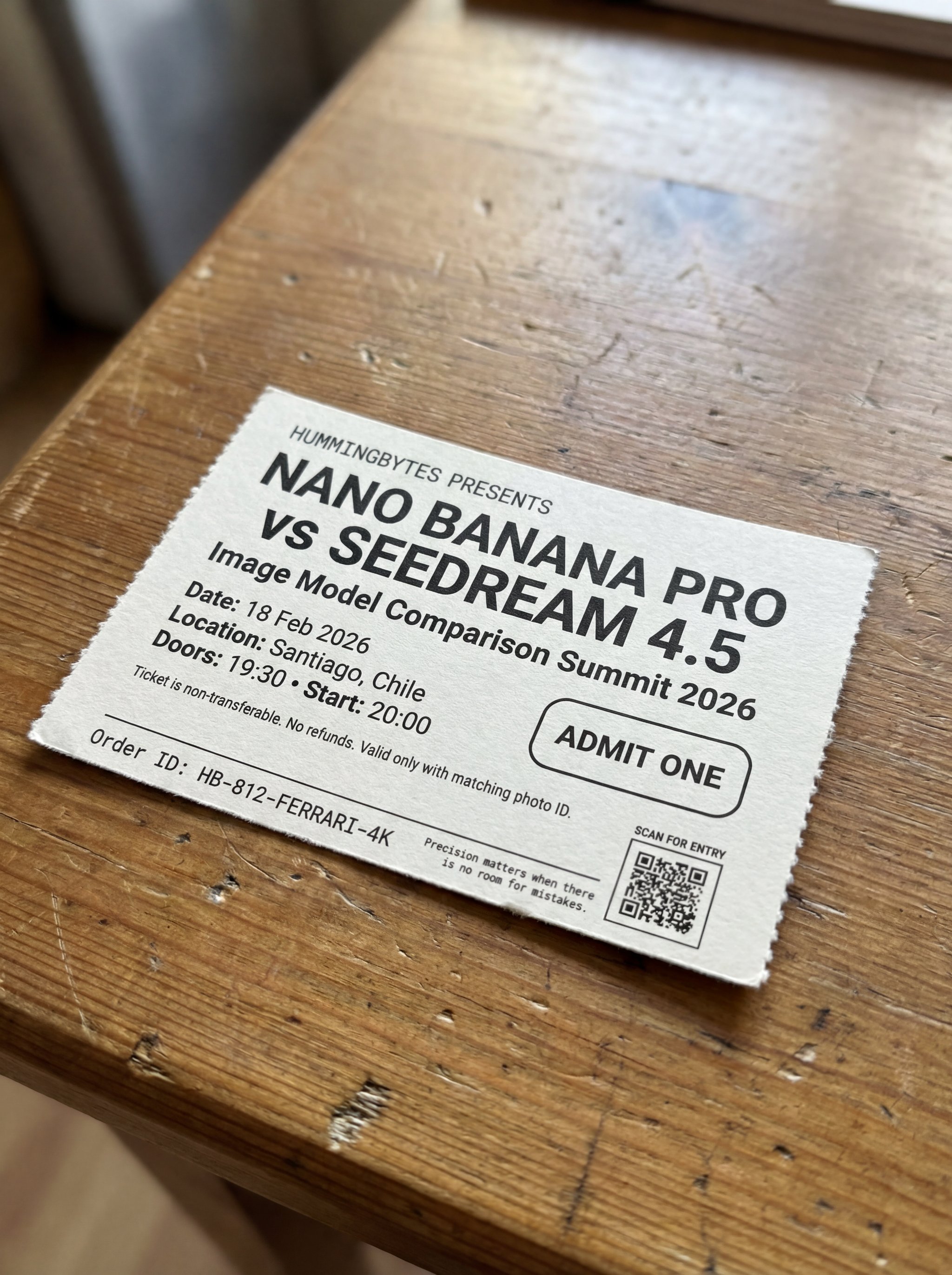
<- drag to compare ->
Typography + Poster Composition
What this test checks
Both models already clear a high baseline here. This test helps reveal whether one is better at balancing premium product composition with exact hierarchy and negative space.
Verdict:
Too close to callWhy this winner
This is a premium-art-direction test, not an easy knockout. The better result will often depend on whether you value composition restraint or stronger visual punch.
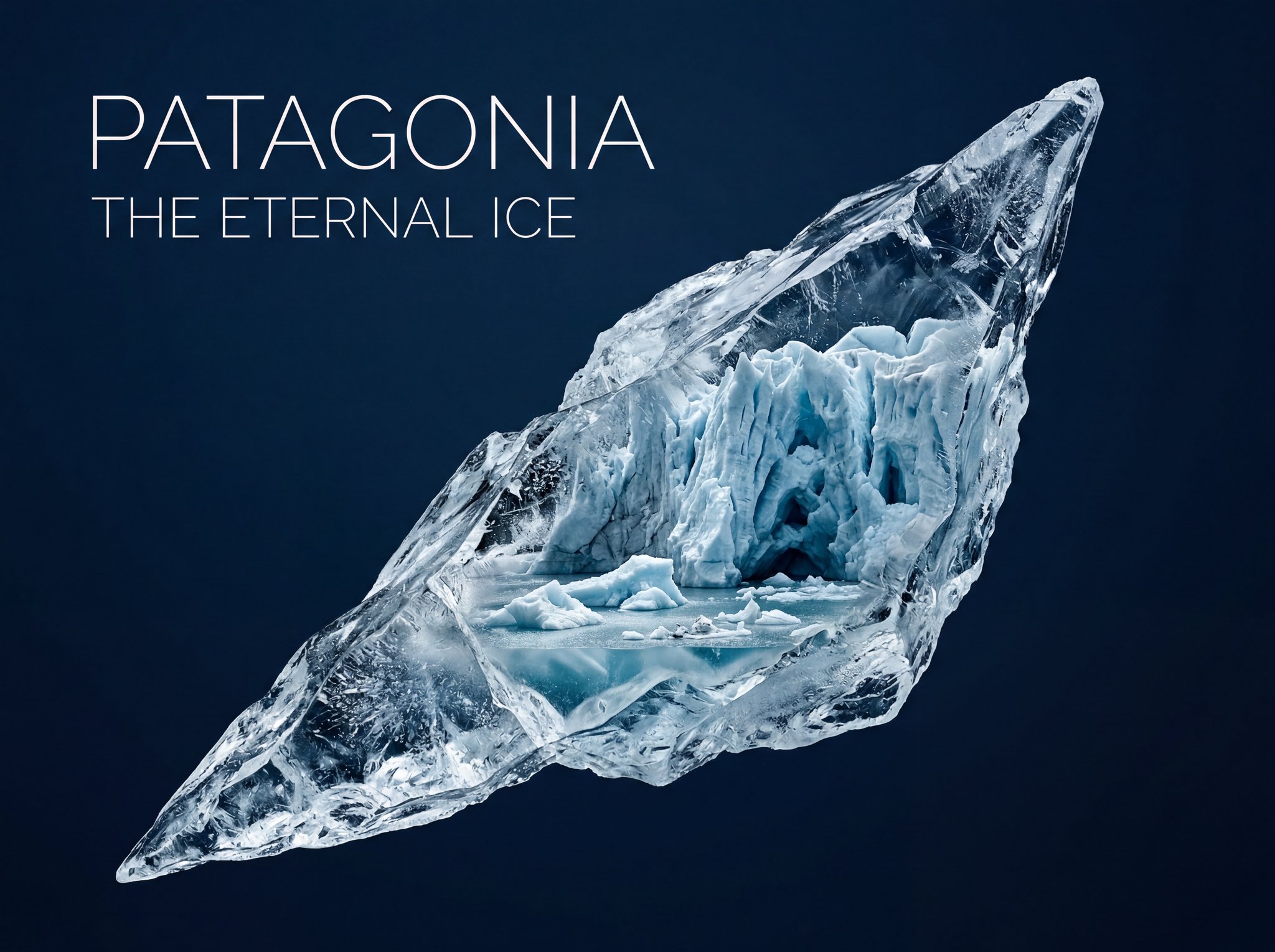
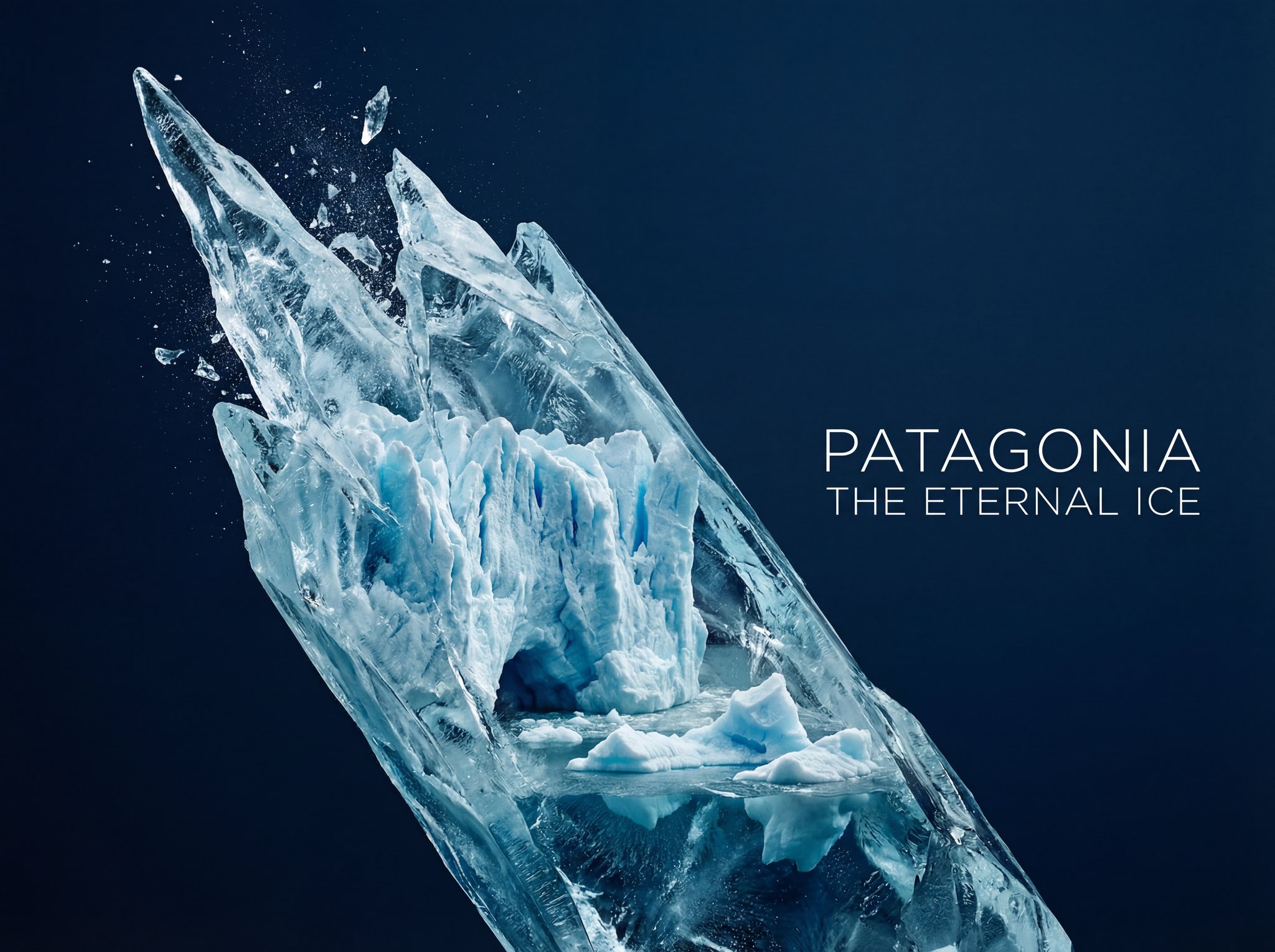
<- drag to compare ->
Restaurant Menu Editorial Layout
What this test checks
This is a long-form layout and typography stress test. Both models have to typeset a dense luxury menu, preserve the exact requested copy, and make the result feel like a premium printed sheet rather than a generic food mockup.
Verdict:
Nano Banana ProWhy this winner
Nano Banana Pro wins because it delivers a cleaner, more upscale menu with stronger editorial hierarchy, which is exactly what the prompt asked for. Nano Banana 2 also makes a structural mistake by placing the service-charge line outside the menu sheet.
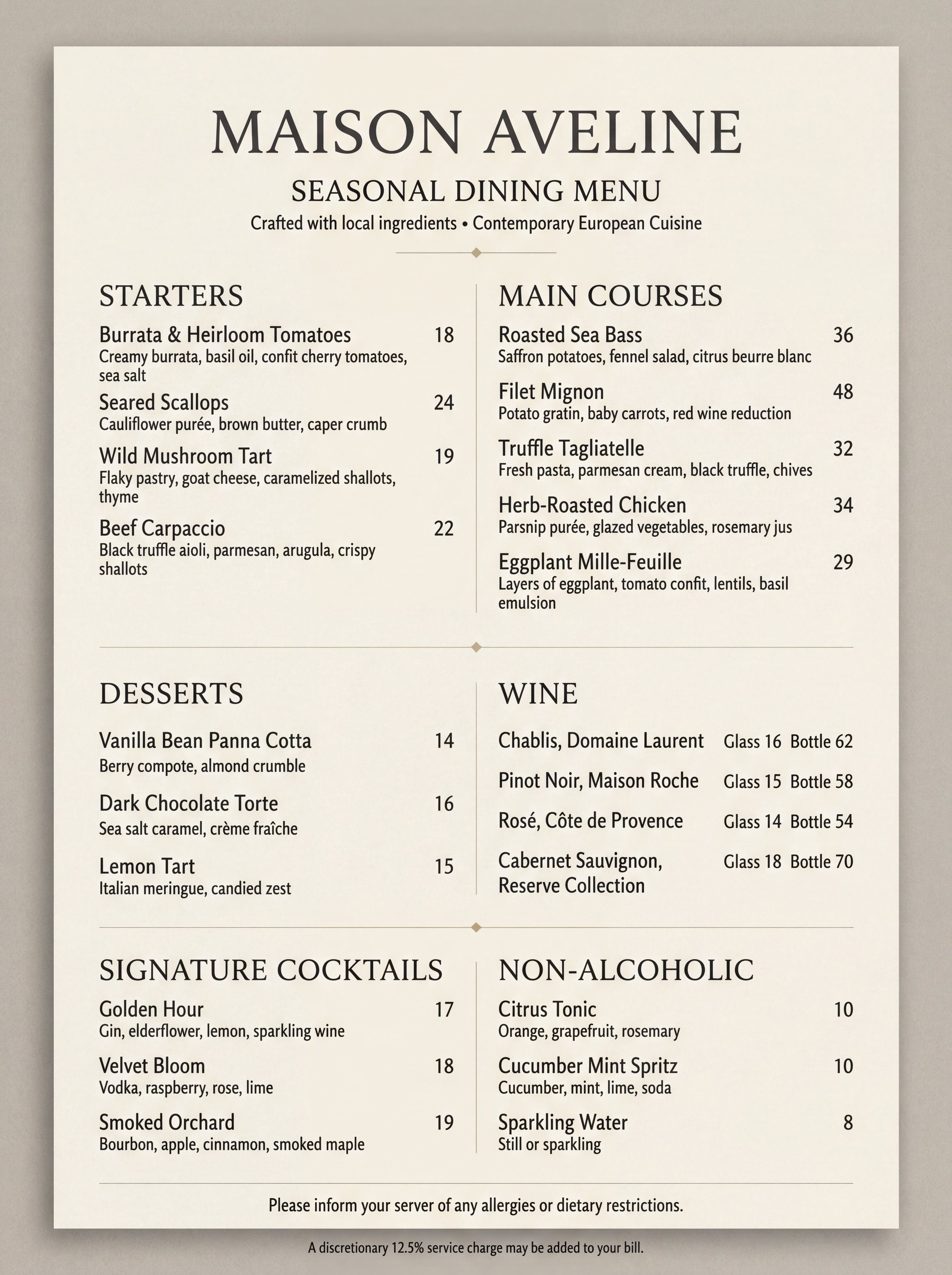
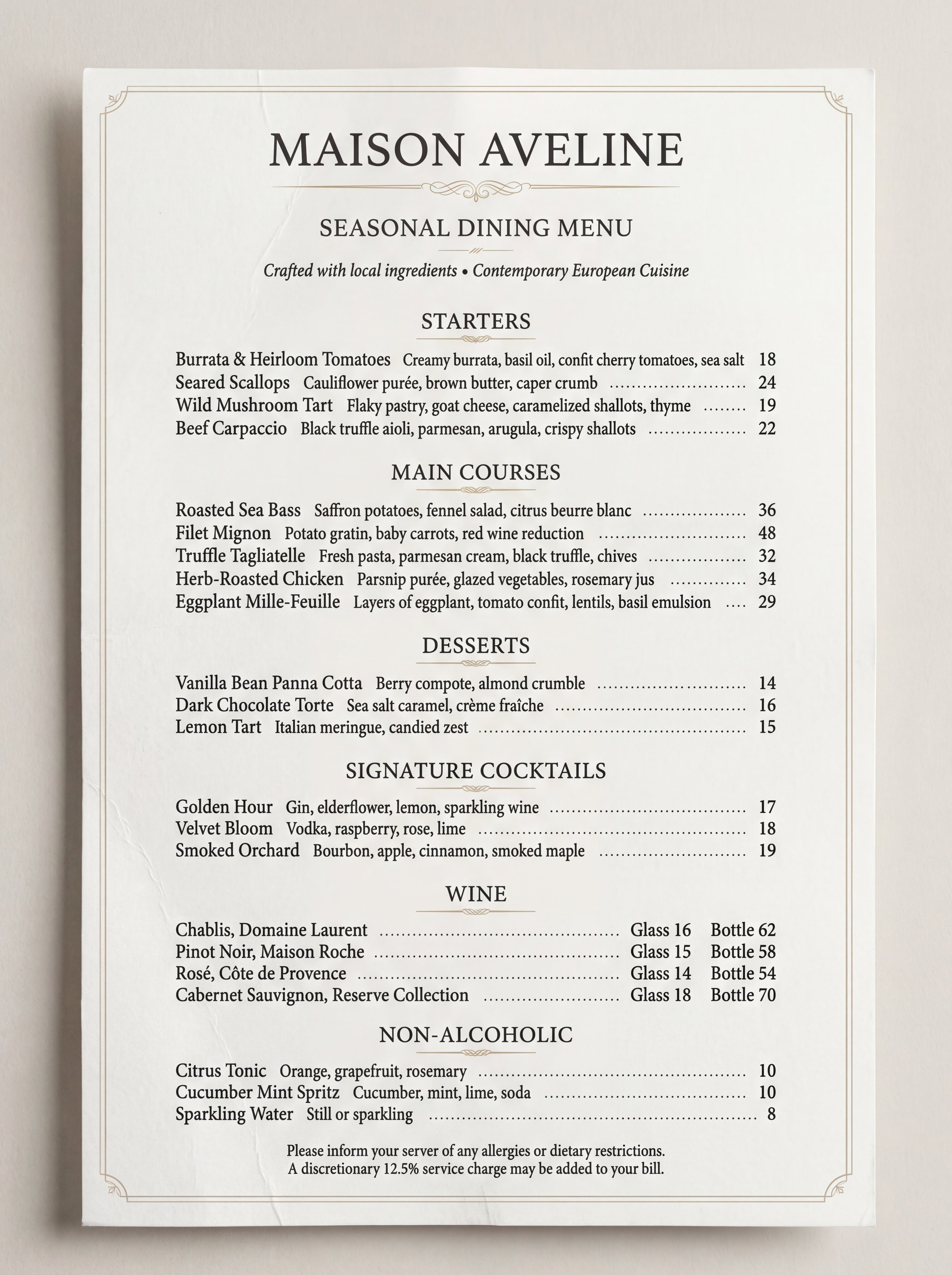
<- drag to compare ->
Minimal Brand Logo Creation
What this test checks
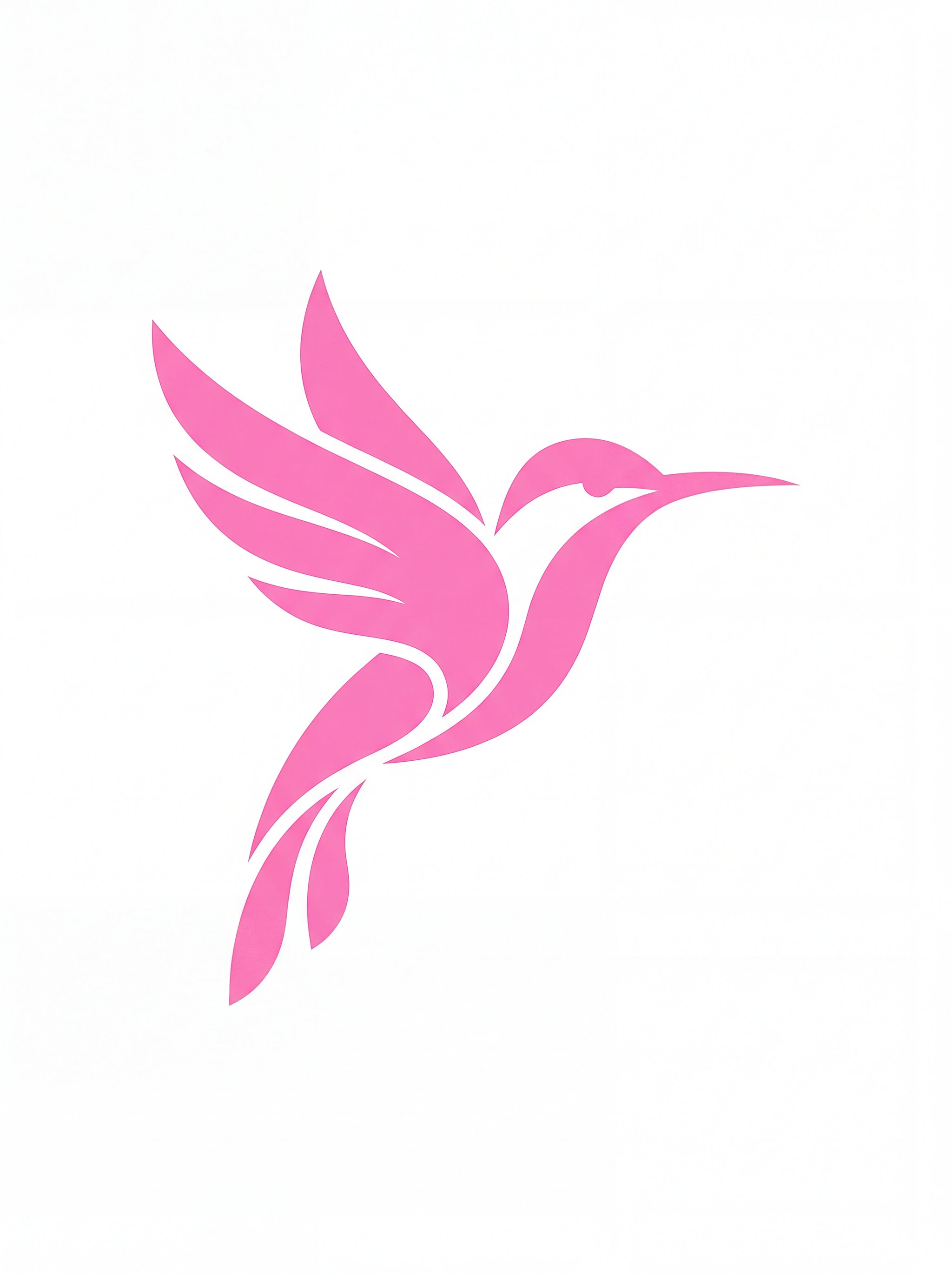
Logo generation is a reduction test, not a detail contest. The better output is the one that respects the requested brand color, keeps the silhouette simple, and still feels recognizable as a clean vector-style mark at small sizes.
Verdict:
Nano Banana 2Why this winner
Nano Banana 2 wins because it stays closer to the requested #ff97cc color and keeps the hummingbird form simpler and more logo-like. Nano Banana Pro is still strong, but it is less strict about the minimal flat-vector brief.

<- drag to compare ->
References and spatial reasoning
Follow identities, object assignments and physical constraints across a scene.
Spatial Logic & Physics (Mirror Paradox)
What this test checks
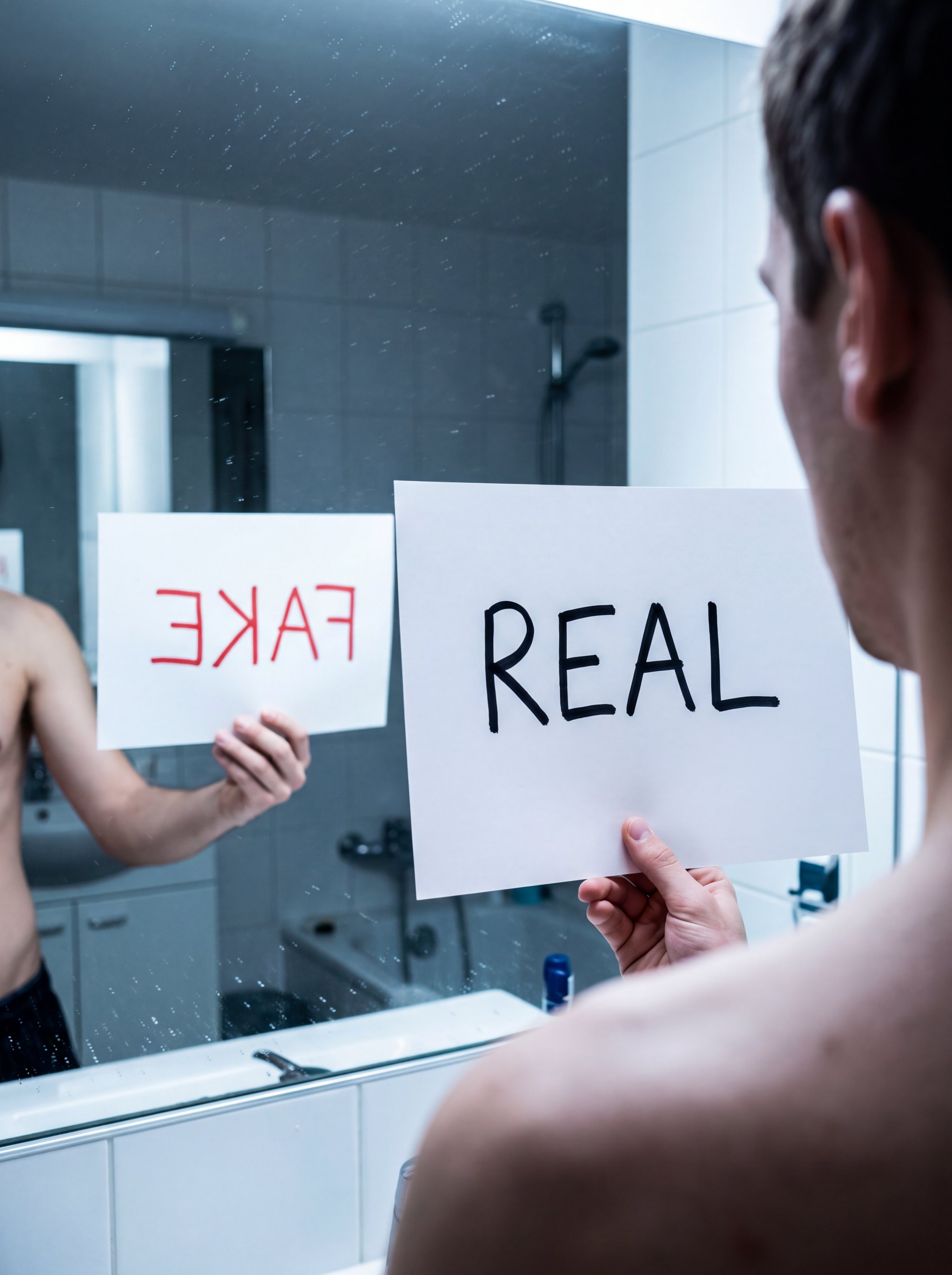
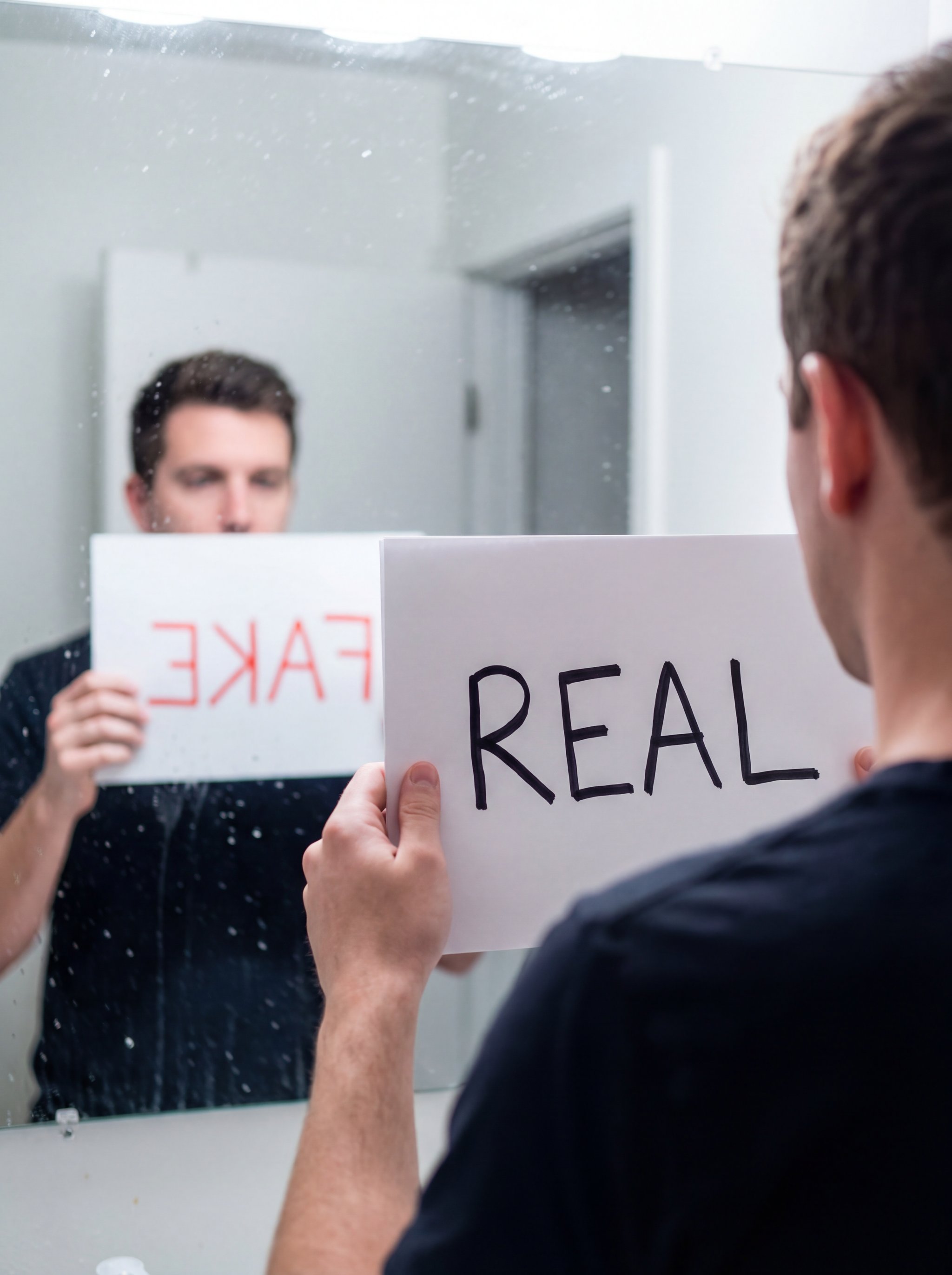
This remains one of the cleanest shared tests for high-end models because it measures spatial reasoning rather than pure aesthetics.
Verdict:
Nano Banana ProWhy this winner
Both models perform unusually well, but Nano Banana Pro has a small edge in overall composition, realism, and lighting.
<- drag to compare ->
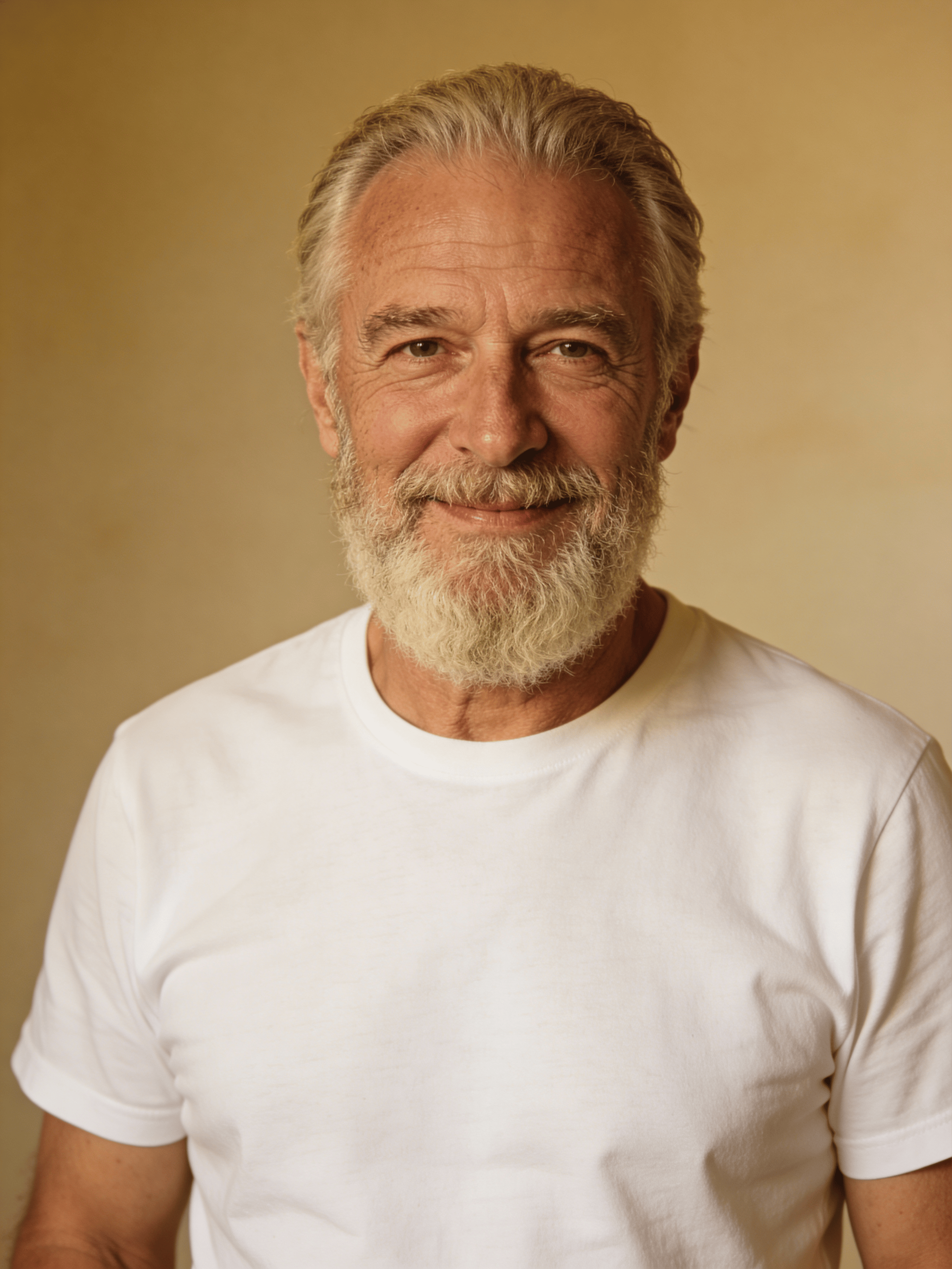
Four-Reference Character Composition
What this test checks
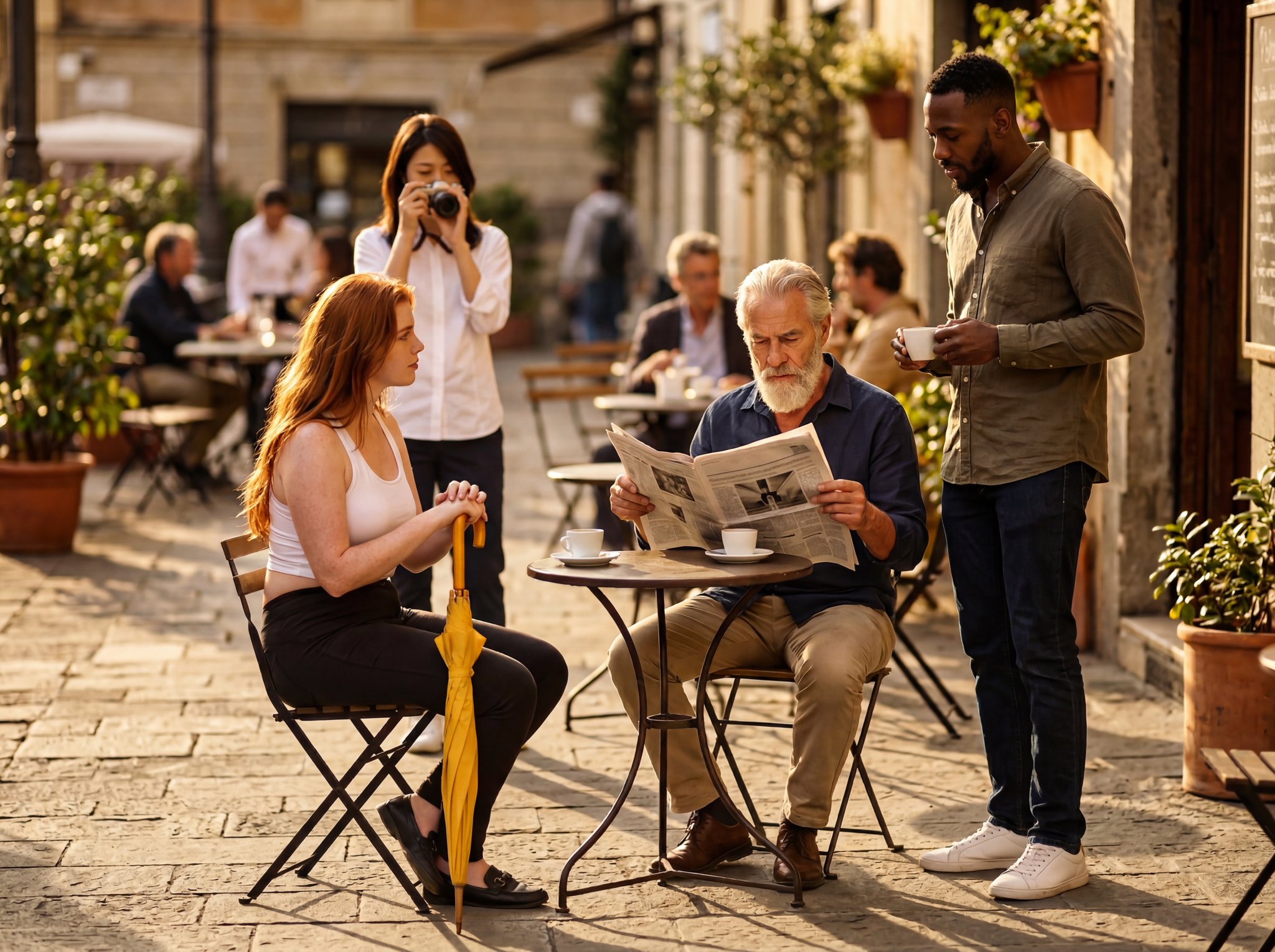
This scenario pushes both models beyond single-subject likeness. Four separate identities must be preserved while each person performs a different action in the same scene.
Verdict:
Nano Banana ProWhy this winner
Nano Banana Pro wins by a small margin because it follows the requested lighting conditions more accurately across the full four-character scene.

<- drag to compare ->
Reference Images

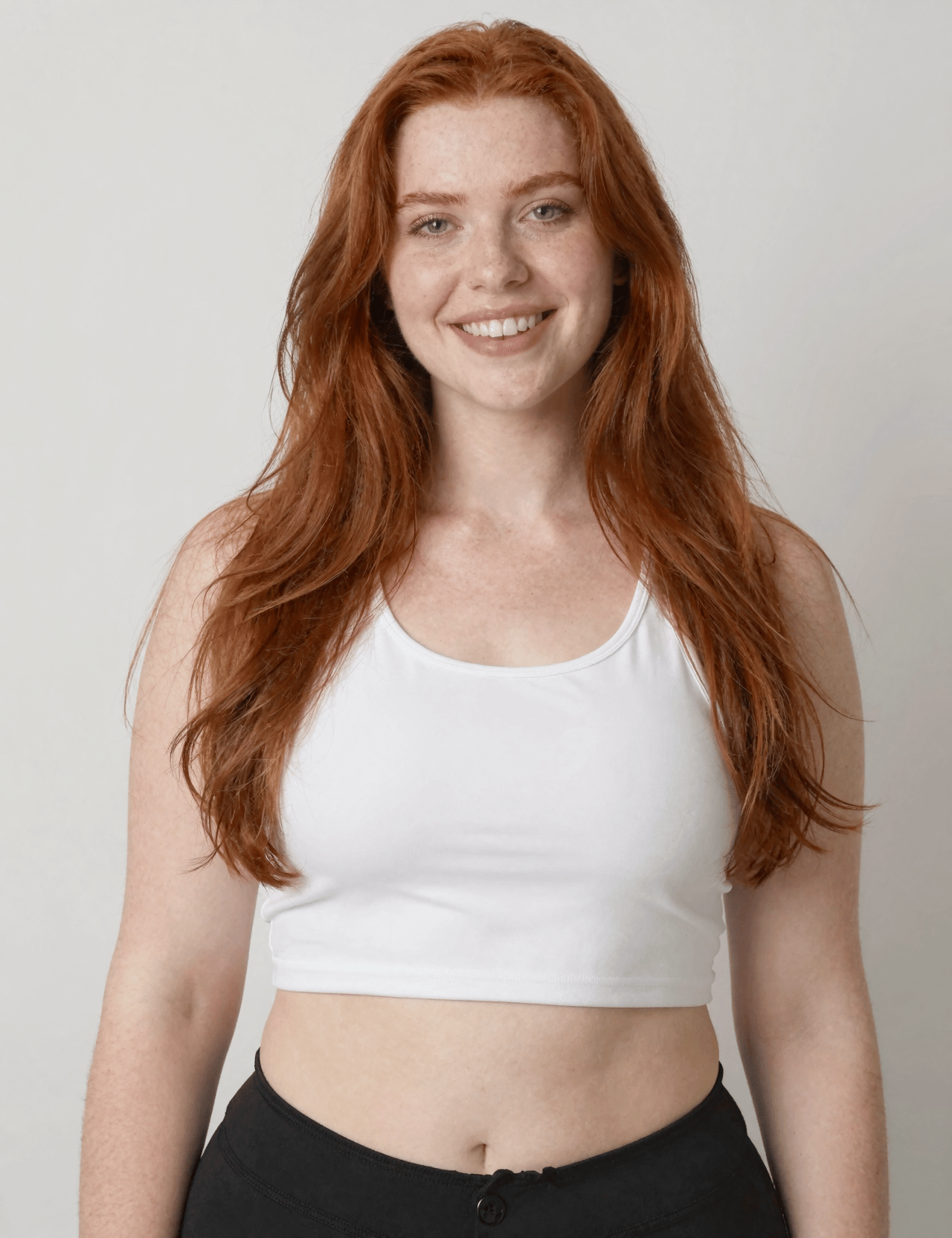
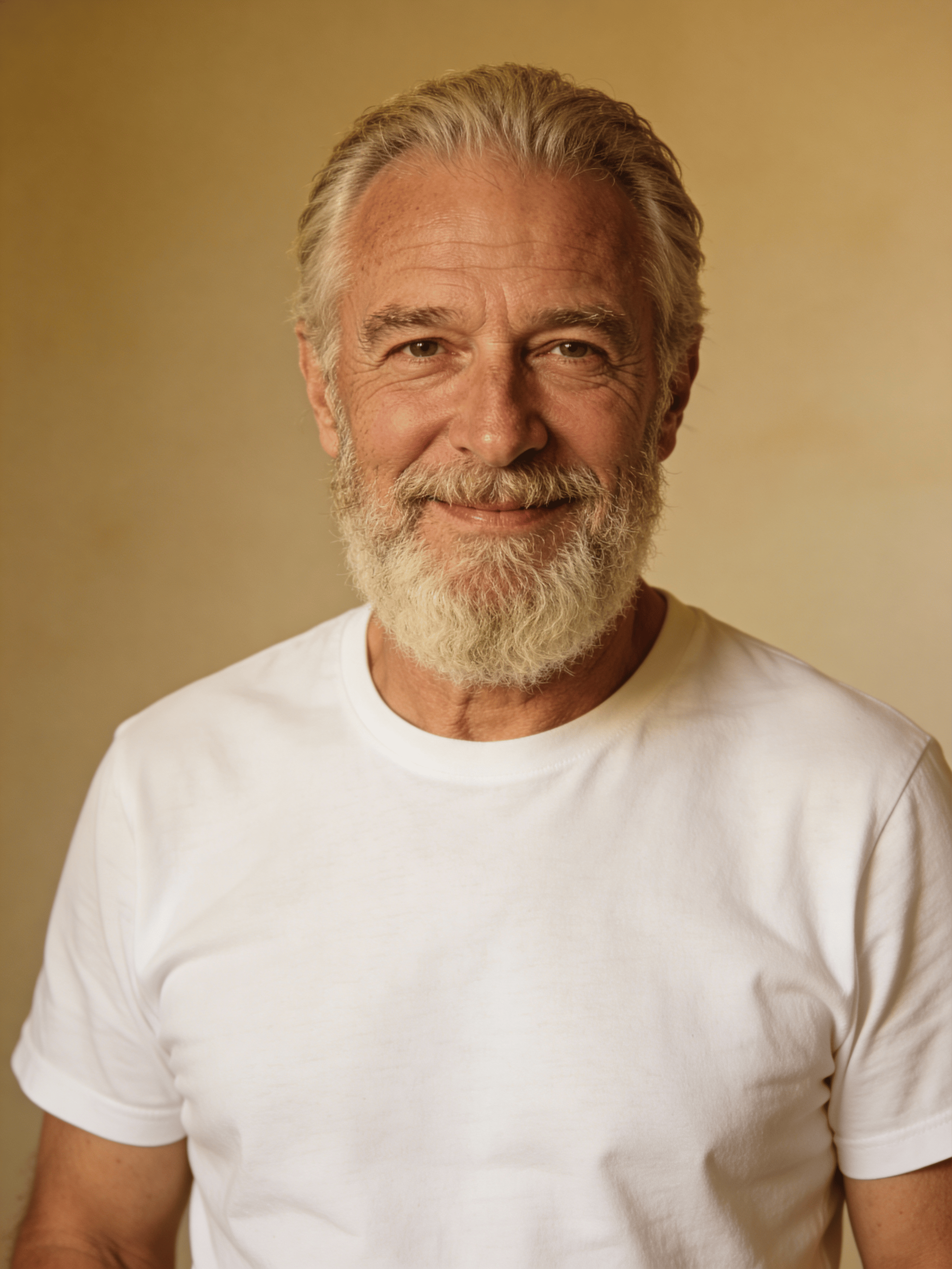

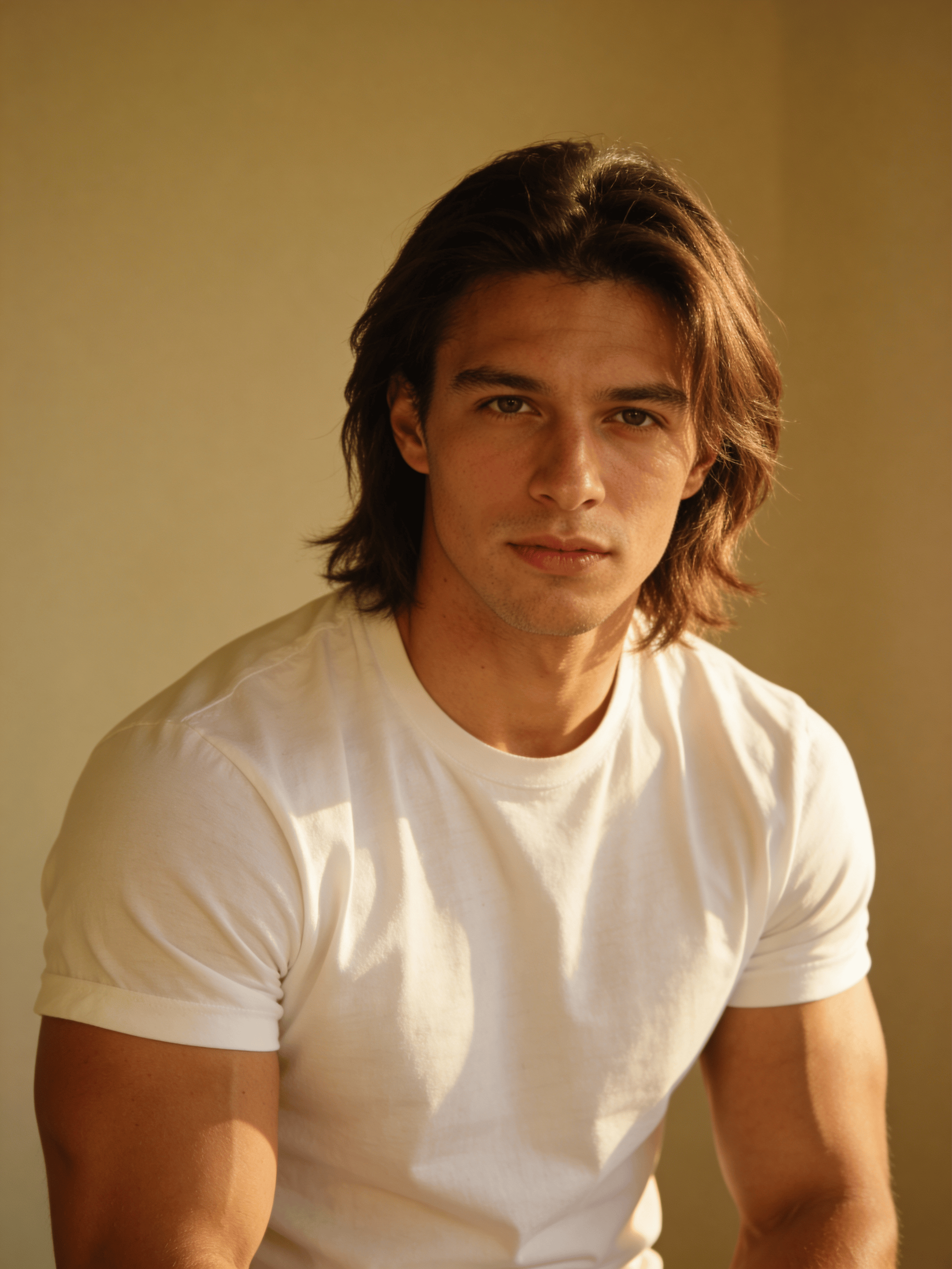
Six-Person Object Mapping Test
What this test checks
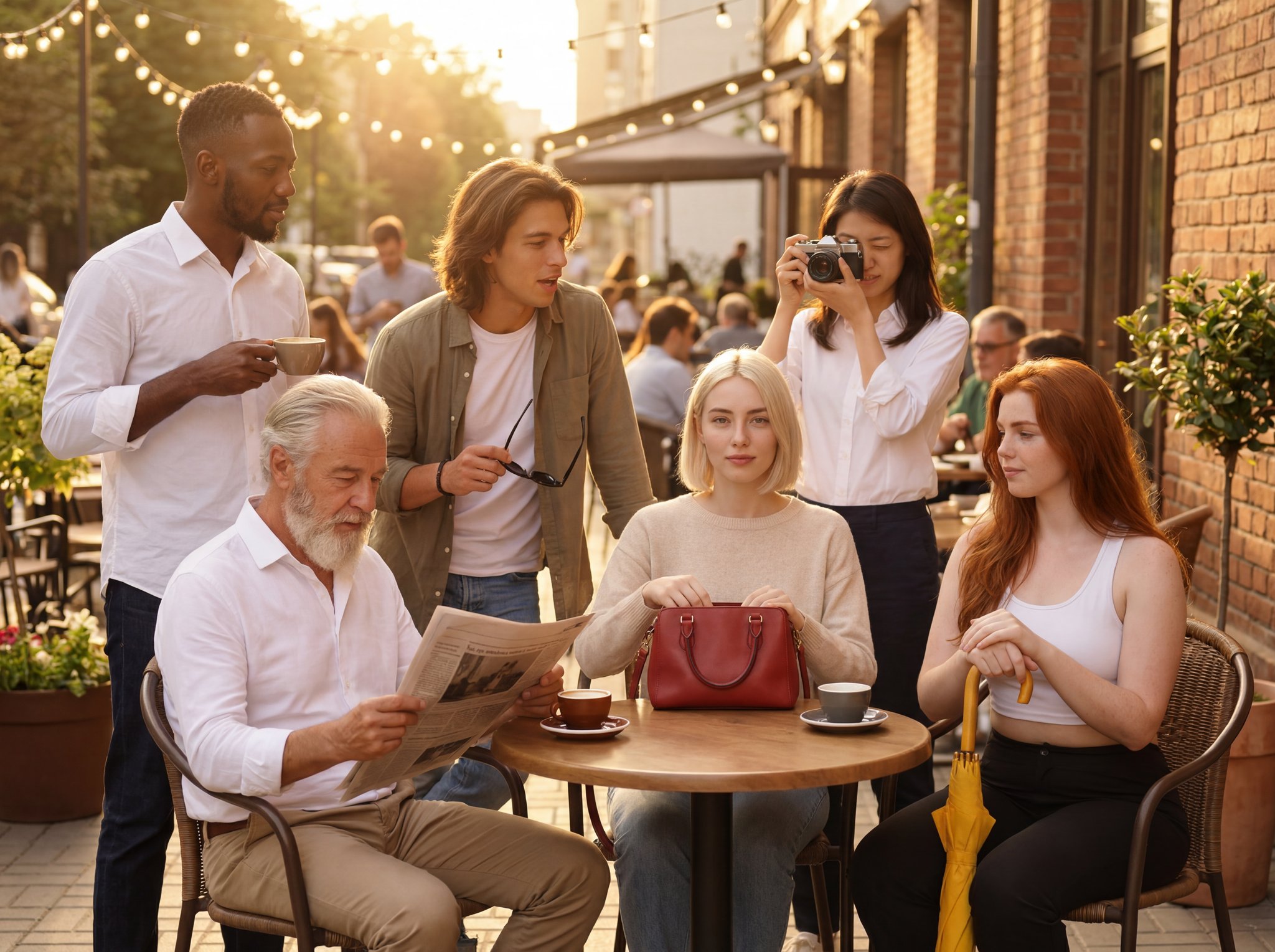
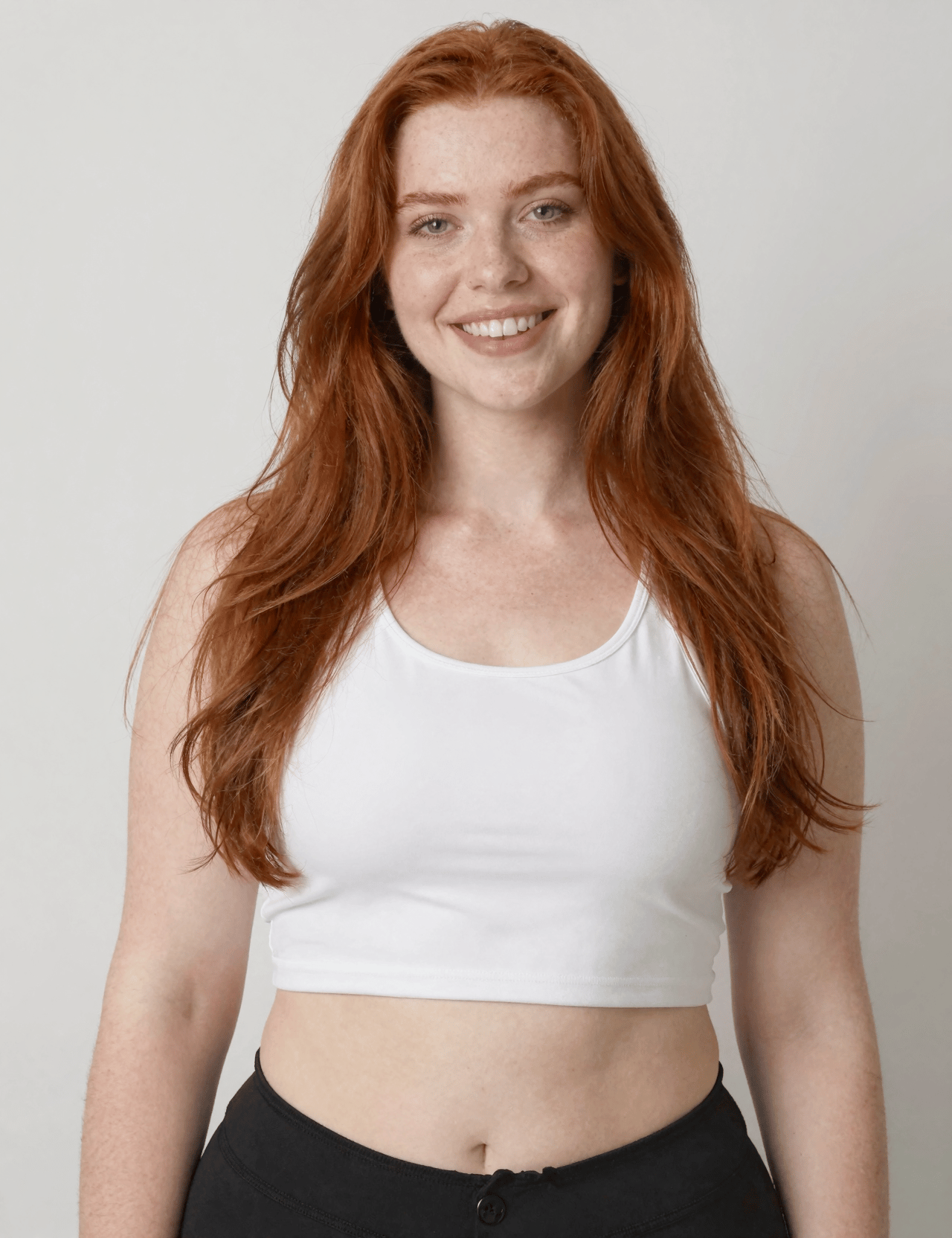
This is the harder version of the multi-reference benchmark: six people, six distinct objects, one scene, and no identity blending or object sharing.
Verdict:
Nano Banana ProWhy this winner
Nano Banana Pro wins by a small margin because the scene feels more integrated and socially coherent, with slightly better lighting across the group.

<- drag to compare ->
Reference Images



Creative styles
Compare how each model follows the requested artistic treatment.
Painting Style Fidelity (Luminism)
What this test checks
This benchmark is about style obedience rather than generic beauty. The key question is whether the model actually channels luminism through light handling, atmosphere, and tonal restraint instead of defaulting to a broader cinematic look.
Verdict:
Nano Banana ProWhy this winner
Nano Banana Pro wins because it captures the luminism brief with more faithful lighting and a scene mood that feels closer to the requested painting tradition. Nano Banana 2 looks more cinematic and vibrant, which weakens the style match.


<- drag to compare ->
Nano Banana 2 only
Exclusive Nano Banana 2 Capability
Ultra-wide outputs and Google Image Search grounding
We keep these capabilities out of the shared benchmark because Nano Banana Pro does not enter the same tests. But they are still real product differences: Nano Banana 2 uniquely supports 4:1 and 8:1 outputs inside HummingBytes, and it is the only Gemini image workflow here with Google Image Search grounding.
- Useful for landing page hero banners and social headers.
- Lets the model ground on real Google image results when visual reference matters.
- Lets you generate cinematic panoramic compositions without manual stitching.
- One of the clearest reasons to choose Nano Banana 2 even when shared quality is close.
Ultra-wide outputs from Nano Banana 2
These visuals are shown as capability examples rather than scored benchmarks. Nano Banana Pro does not support these aspect ratios in the same workflow, so the right framing is product capability, not head-to-head winner language.
4:1 website hero format
A wide cinematic frame for landing page hero banners, campaign headers, and editorial mastheads.
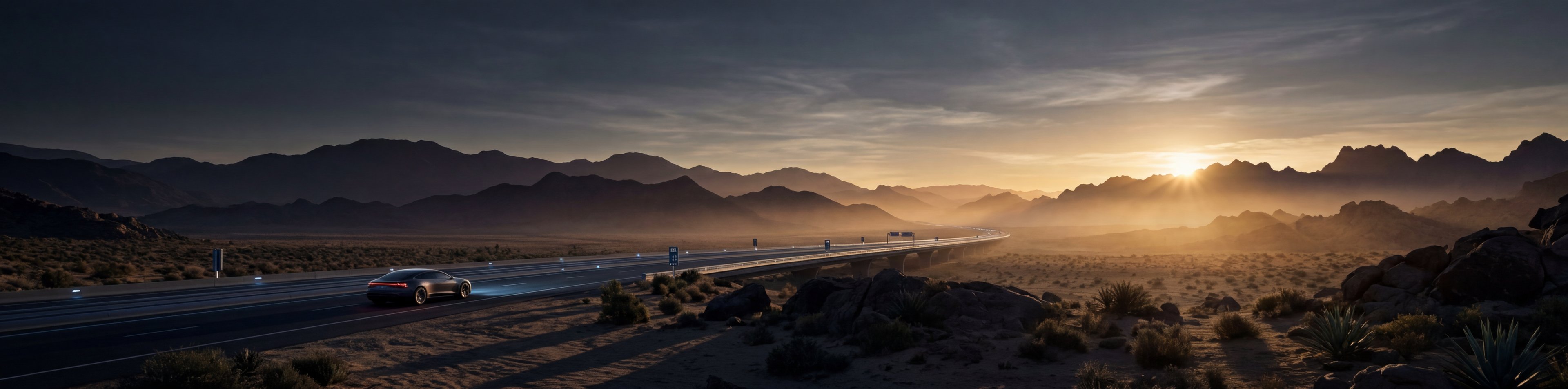
8:1 panoramic banner format
An extreme panoramic strip that works for full-bleed website headers and dramatic branded compositions.

Image editing
These tests measure whether the model edits only what was asked while preserving identity, framing, materials, and lighting.
Subject and product preservation
See what stays intact when the background, clothing or lighting changes.
Identity-Preserving Background Change
What this test checks
Both models receive the same portrait and must replace only the environment while keeping the subject intact. This is a practical edit benchmark, not a beauty test.
Verdict:
TieWhy this winner
This one is effectively a tie. Both models preserve identity and execute the background swap at an unusually high level.


<- drag to compare ->
Compare input vs
Text replacement
Compare the new wording and the parts of the original image that should stay unchanged.
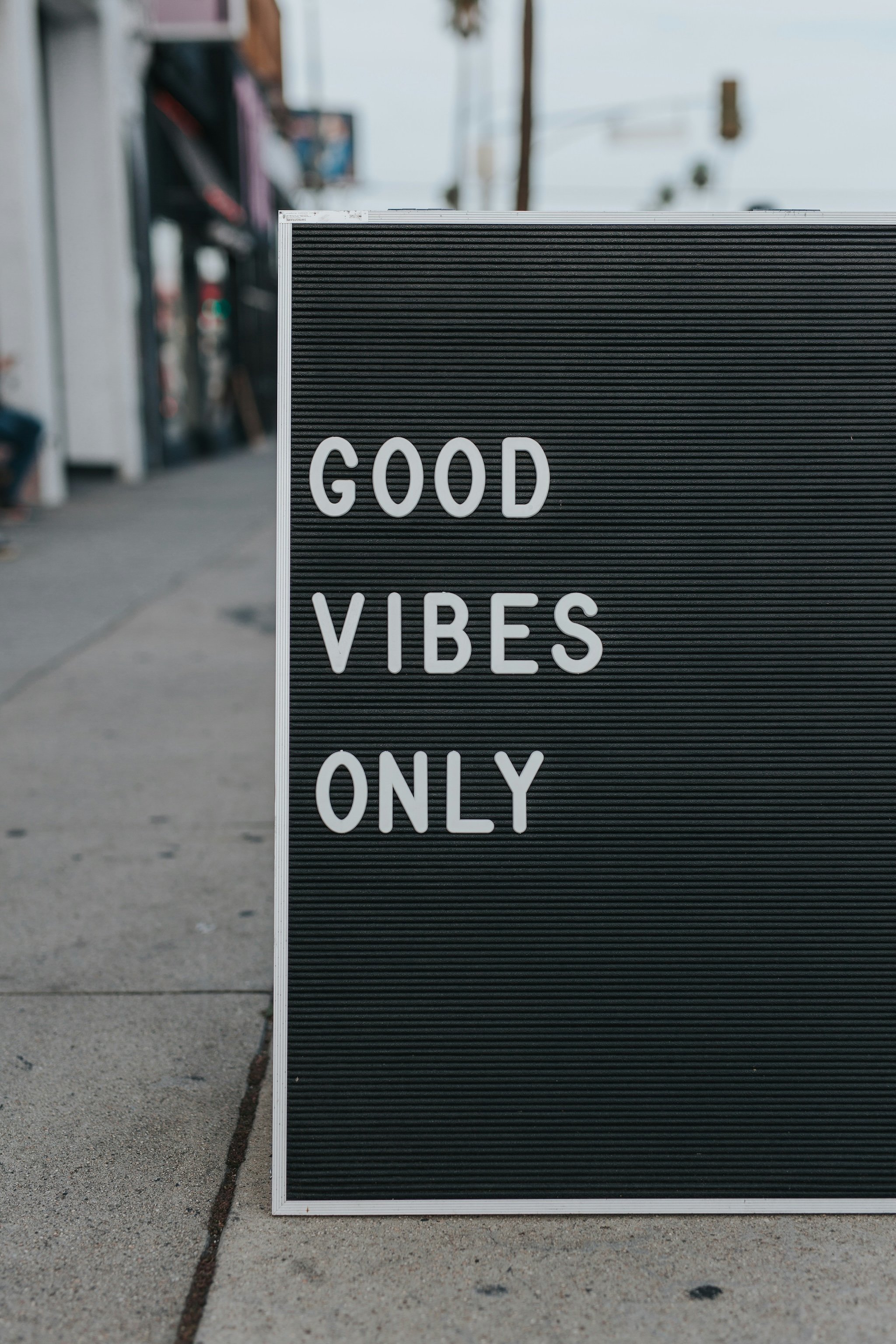
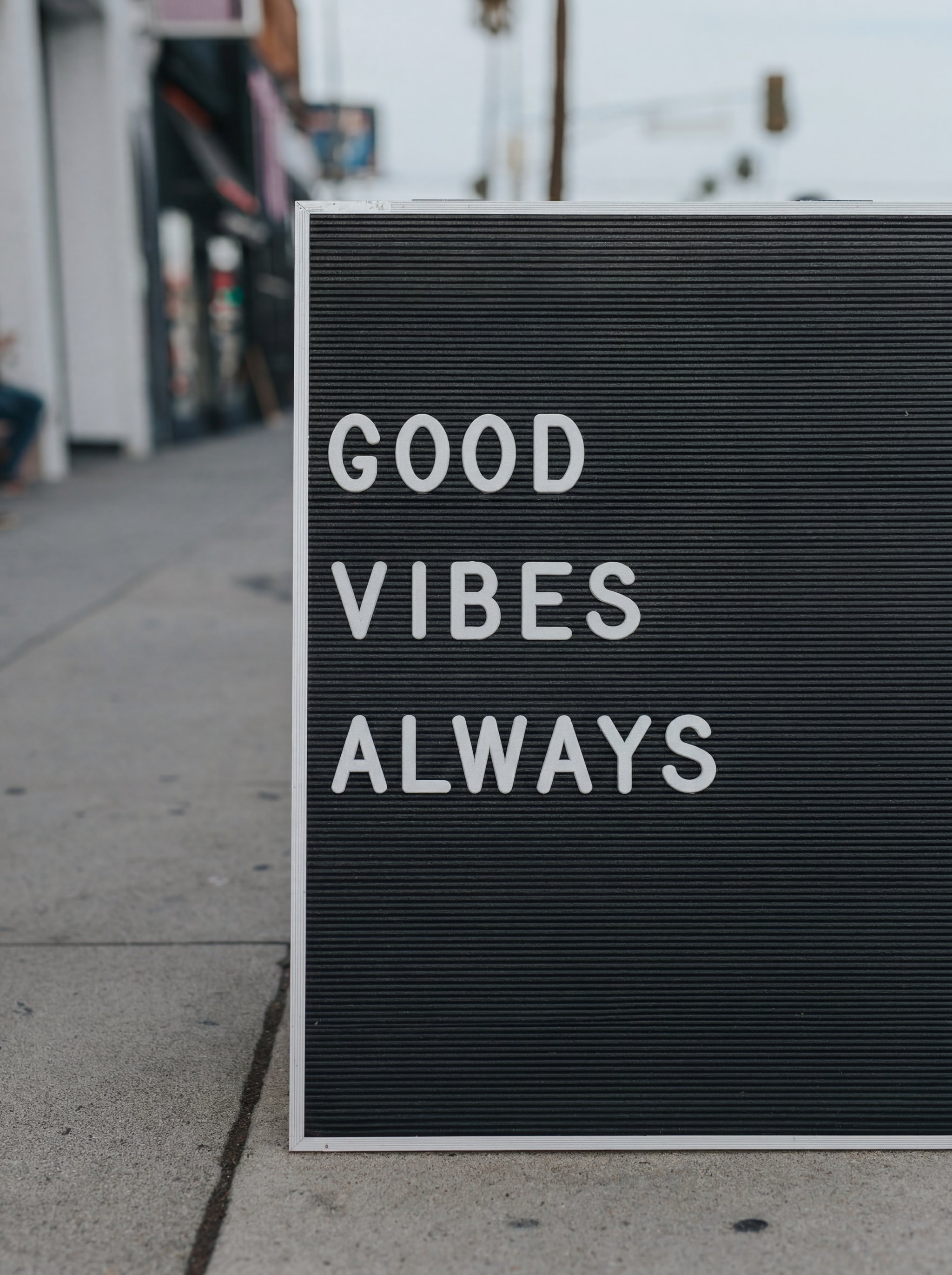
Text Replacement on Physical Sign
What this test checks
This benchmark checks whether a model can edit a real photographed sign locally without disturbing the scene around it.
Verdict:
Nano Banana 2Why this winner
Nano Banana 2 wins this edit test because it preserves more of the original board and surrounding image while still making the required text change.
<- drag to compare ->
Compare input vs
Full comparison details
Follow the linked categories to inspect the evidence.
1K / 2K / 4K pricing
Nano Banana 2
8 / 12 / 18 credits
Nano Banana Pro
17 / 17 / 29 credits
Best default choice
Nano Banana 2
Most users
Nano Banana Pro
Premium, constraint-heavy workflows
Nano Banana 2
Strong
Nano Banana Pro
Safer when precision matters
Nano Banana 2
Excellent
Nano Banana Pro
More conservative under pressure
Nano Banana 2
4:1 and 8:1 supported
Nano Banana Pro
Standard ratio set only
Nano Banana 2
Web Search + Image Search
Nano Banana Pro
Web Search only
Current verdict
Nano Banana 2
Best value and best default
Nano Banana Pro
Best premium fallback
How to use these results
- Start with the test closest to your brief. Compare the requested text, composition and reference assignments before judging the overall finish.
- For edits, inspect the original alongside both results. Check the face or product, camera position and areas that should stay unchanged.
- Reuse the exact prompt and shown settings as a starting point. Check current pricing and available settings before generating; verify any factual text yourself.
Which model should you choose?
Nano Banana 2
Start here for lower-cost iteration and strong quality across the shared tests. Choose it for 4:1 or 8:1 output and Google Image Search grounding in the tested configuration.
Nano Banana Pro
Use it when an edit must preserve structure or a dense reference scene must keep people and objects correctly assigned. Its higher cost buys a more cautious fallback in these tests.
Need several versions of the same creative? Explore batch image generation