AI model comparisons

Choose the right AI image or video model before production starts

Compare real outputs from matched prompts across image generation, editing, video quality, speed, cost, and workflow fit.

Every benchmark uses matched prompts, real model outputs, and workflow-focused scoring across image quality, video quality, editing control, speed, and cost.

All benchmarks

Read the full model comparisons

Open the detailed benchmark when you need the full prompt set, outputs, verdicts, and tradeoffs.

Product reveal wristwatch video poster generated by Seedance 2.0
Seedance 2.0
Product reveal wristwatch video poster generated by Veo 3.1
Veo 3.1
ByteDanceGoogleVideo generationDurationBuilt-in audio

Seedance 2.0 vs Veo 3.1

Best if you are choosing between Seedance's stronger reviewed 1080p benchmark results and Veo-specific advantages like 4K, speed, built-in audio generation, and API-level prompt controls.

Compare Seedance 2.0 and Veo 3.1 across duration, aspect ratios, built-in audio, 4K support, reference-guided motion, and 1080p speed.

Read comparison
Subway dialogue video poster generated by Veo 3.1
Veo 3.1
Subway dialogue video poster generated by Veo 3.1 Lite
Veo 3.1 Lite
GoogleVideo generationCinematic controlAudio sync

Veo 3.1 vs Veo 3.1 Lite

Best if you are choosing a video model default for high-end production ads, cinematic promos, and rapid video iteration.

Premium video generation side-by-side: 4K resolution support, dialogue lip sync, camera control, ambient sound design, and Image-to-Video capabilities.

Read comparison
Endangered animal research infographic generated by Nano Banana 2
Nano Banana 2
Endangered animal research infographic generated by GPT Image 2
GPT Image 2
GoogleOpenAIOpenAIProduct adsAspect ratios

Nano Banana 2 vs GPT Image 2

Best if you are deciding whether to start with Nano Banana 2 or test GPT Image 2 for commercial campaign assets.

Compare the lower-cost Google default against OpenAI's campaign-production image workflow across shared ratios, ads, edits, and format support.

Read comparison
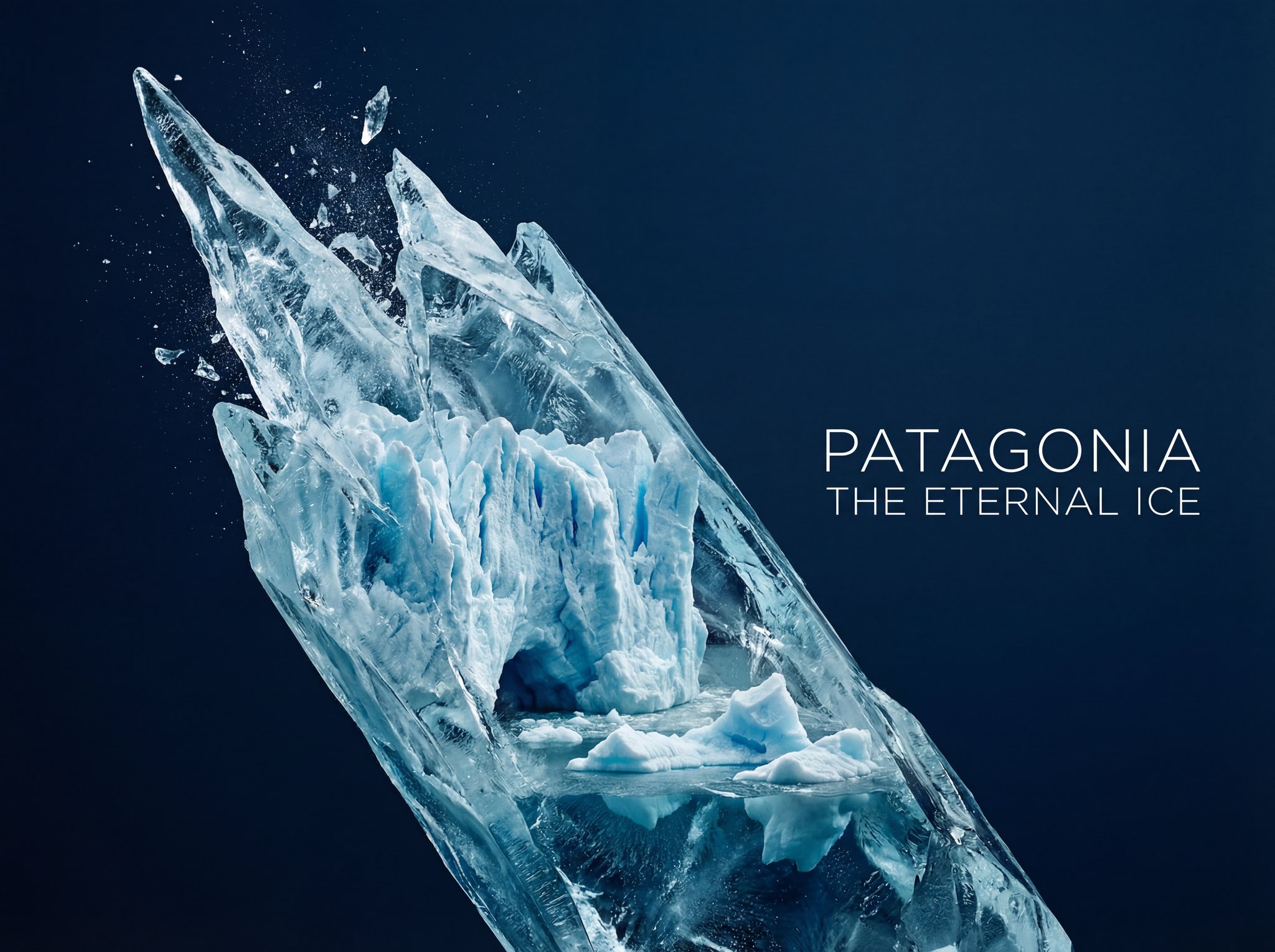
Patagonia poster composition benchmark generated by FLUX.2 Flex
FLUX.2 Flex
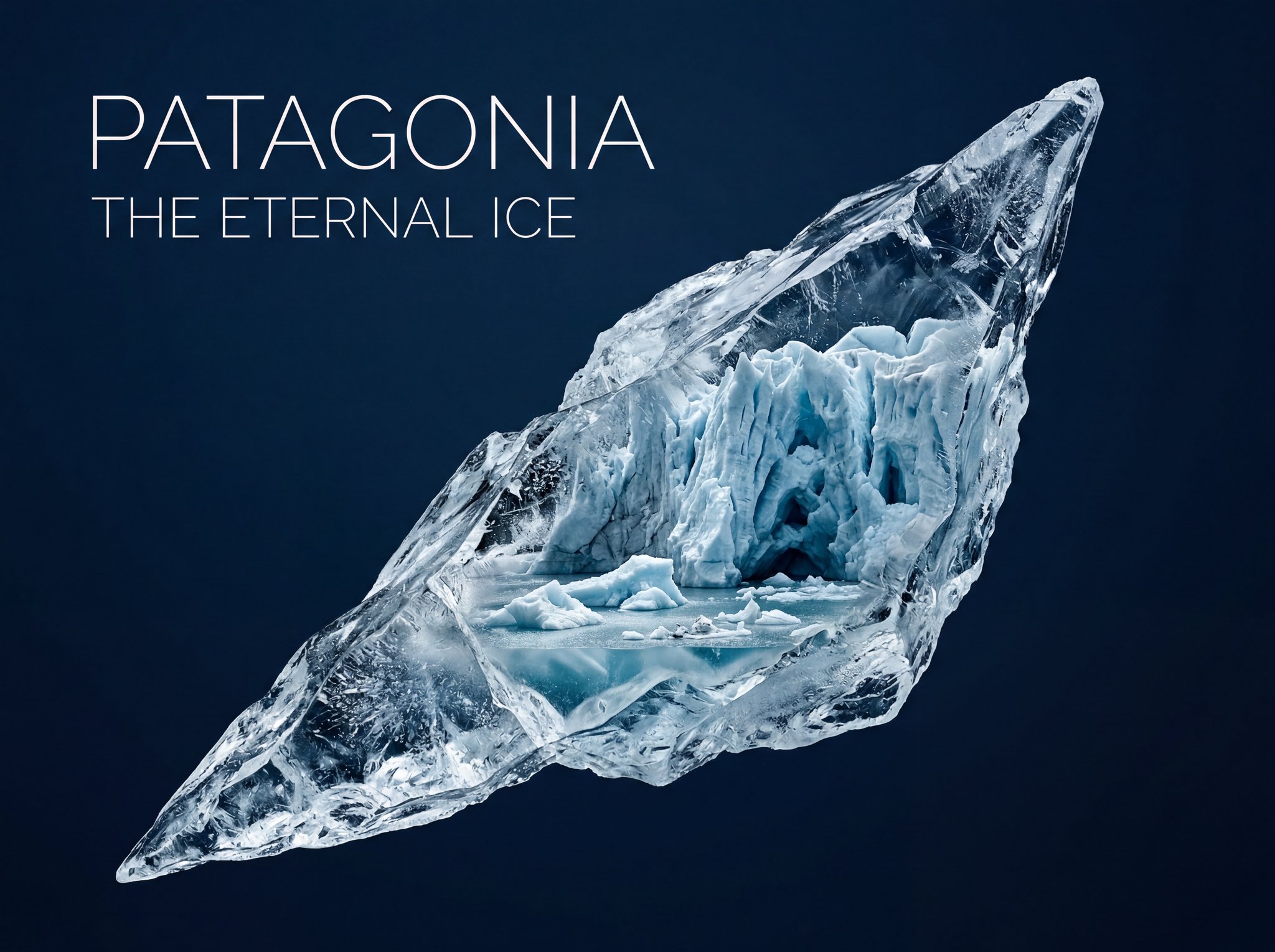
Patagonia poster composition benchmark generated by Seedream 5.0 Lite
Seedream 5.0 Lite
Black Forest LabsByteDanceMarketing visualsRealismEditing

FLUX.2 Flex vs Seedream 5.0 Lite

Best for teams choosing between ads, posters, product visuals, and a more reliable default for production work.

Benchmark scene structure, portrait polish, typography, and editing behavior side by side.

Read comparison
Text rendering benchmark generated by Nano Banana Pro
Nano Banana Pro
Text rendering benchmark generated by Nano Banana 2
Nano Banana 2
GooglePricingEditingUltra-wide

Nano Banana Pro vs Nano Banana 2

Best if you need the cost and quality tradeoff between a premium Gemini image model and the cheaper default.

A practical Gemini-vs-Gemini benchmark focused on pricing, editing precision, dense reference scenes, and ultra-wide support.

Read comparison
Ferrari 812 automotive realism benchmark generated by Seedream 5.0 Lite
Seedream 5.0 Lite
Ferrari 812 automotive realism benchmark generated by Seedream 4.5
Seedream 4.5
ByteDanceSeedream familyGenerationEditing

Seedream 5.0 Lite vs Seedream 4.5

Best if you already use Seedream and need to decide between the older model and the newer default.

Side-by-side benchmark across generation and editing tasks with matched prompts and real outputs.

Read comparison
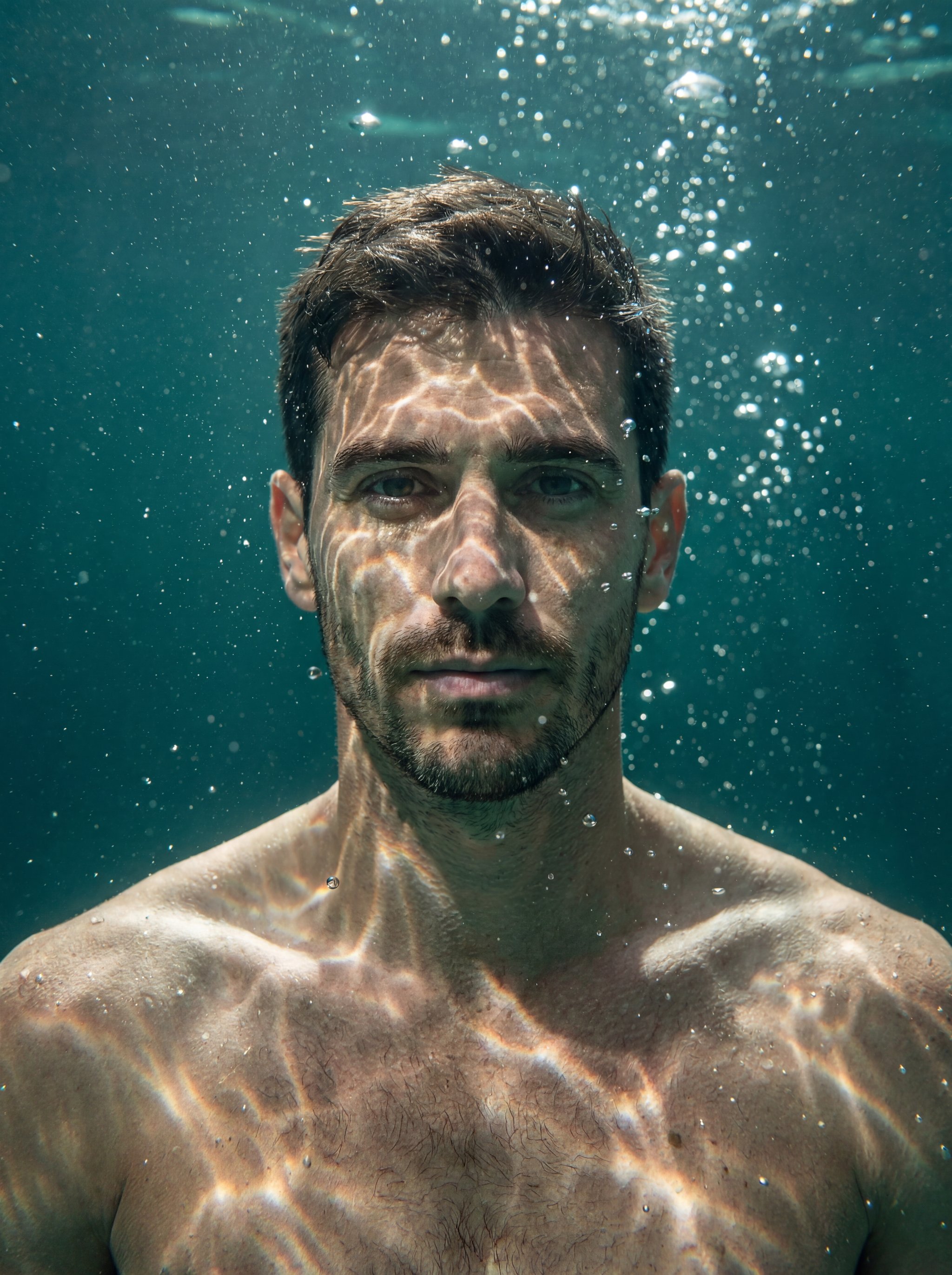
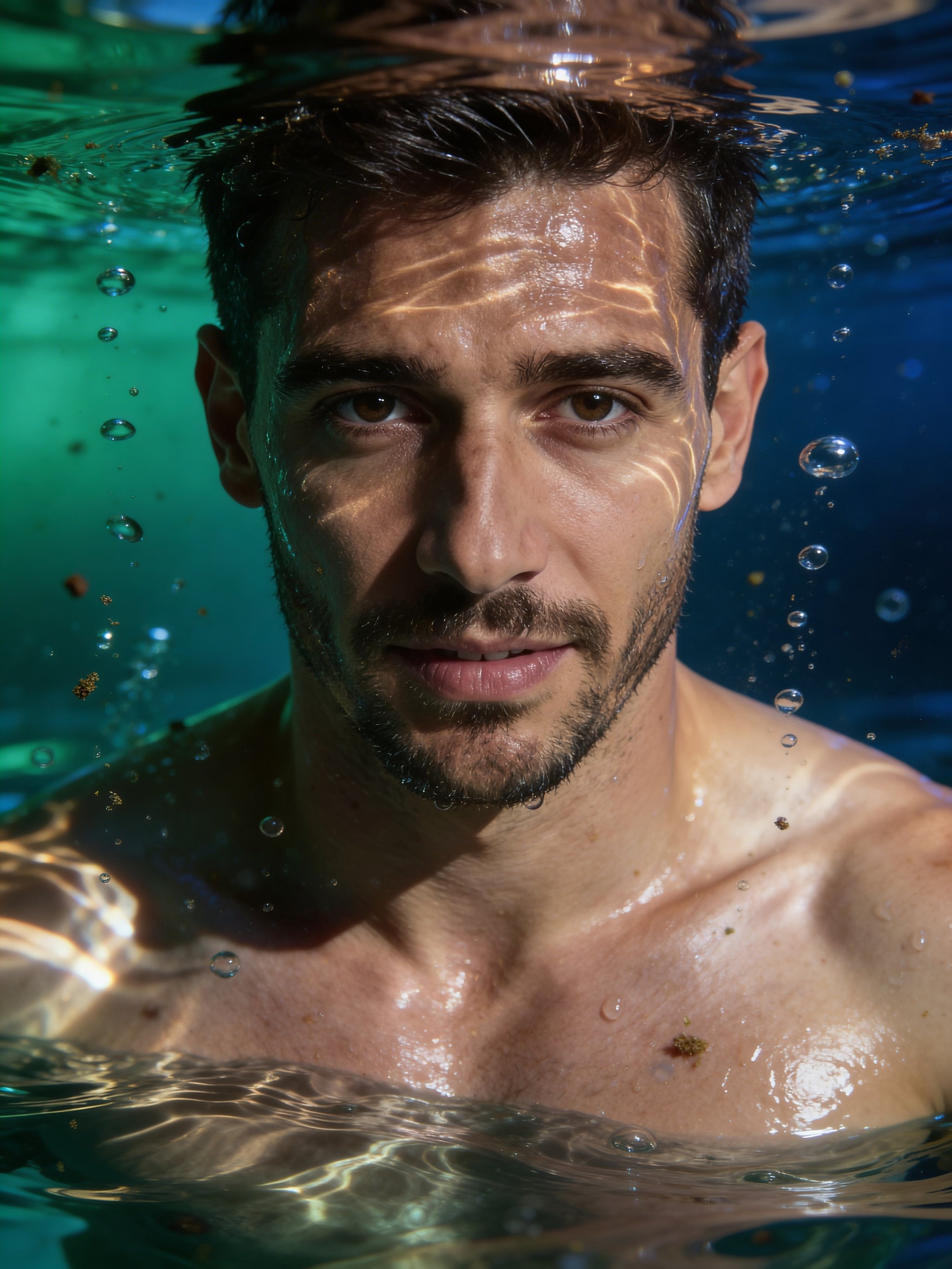
Underwater cinematic realism benchmark generated by Nano Banana Pro
Nano Banana Pro
Underwater cinematic realism benchmark generated by Seedream 4.5
Seedream 4.5
GoogleByteDancePhotorealismFace fidelityCost

Nano Banana Pro vs Seedream 4.5

Best if you care most about photorealism, face fidelity, and the speed-versus-cost tradeoff.

Full breakdown across realism, face fidelity, speed, cost, campaign assets, reference-based edits, and high-volume production.

Read comparison

Workflow at scale

Need to generate at scale?

Whichever model you choose, HummingBytes lets you batch prompts, reference images, and aspect ratios in one workflow so production does not become one prompt at a time.