HummingBytes Image Model Benchmark · March 2026 test run
FLUX.2 Flex vs Seedream 5.0 Lite
Seedream 5.0 Lite is the safer overall choice for realism, text and editing. FLUX.2 Flex stands out in designed marketing visuals and multi-image composition, with one exact-preservation editing win.


Existing benchmark outputs. Read the prompt and verdict in the tests below.
Choose by the result you need
Each criterion links to the original test. These observations describe the displayed outputs.
FLUX.2 Flex
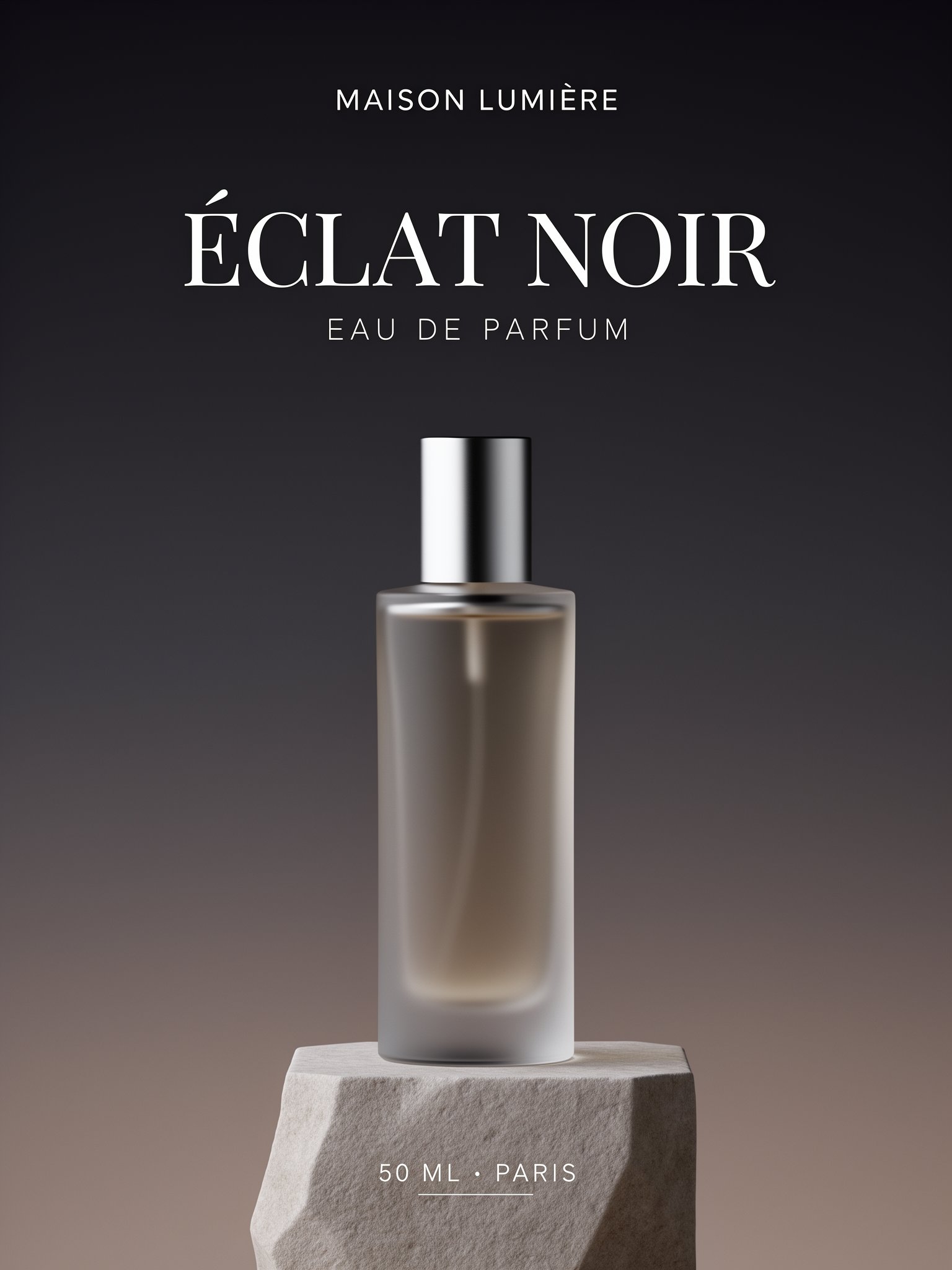
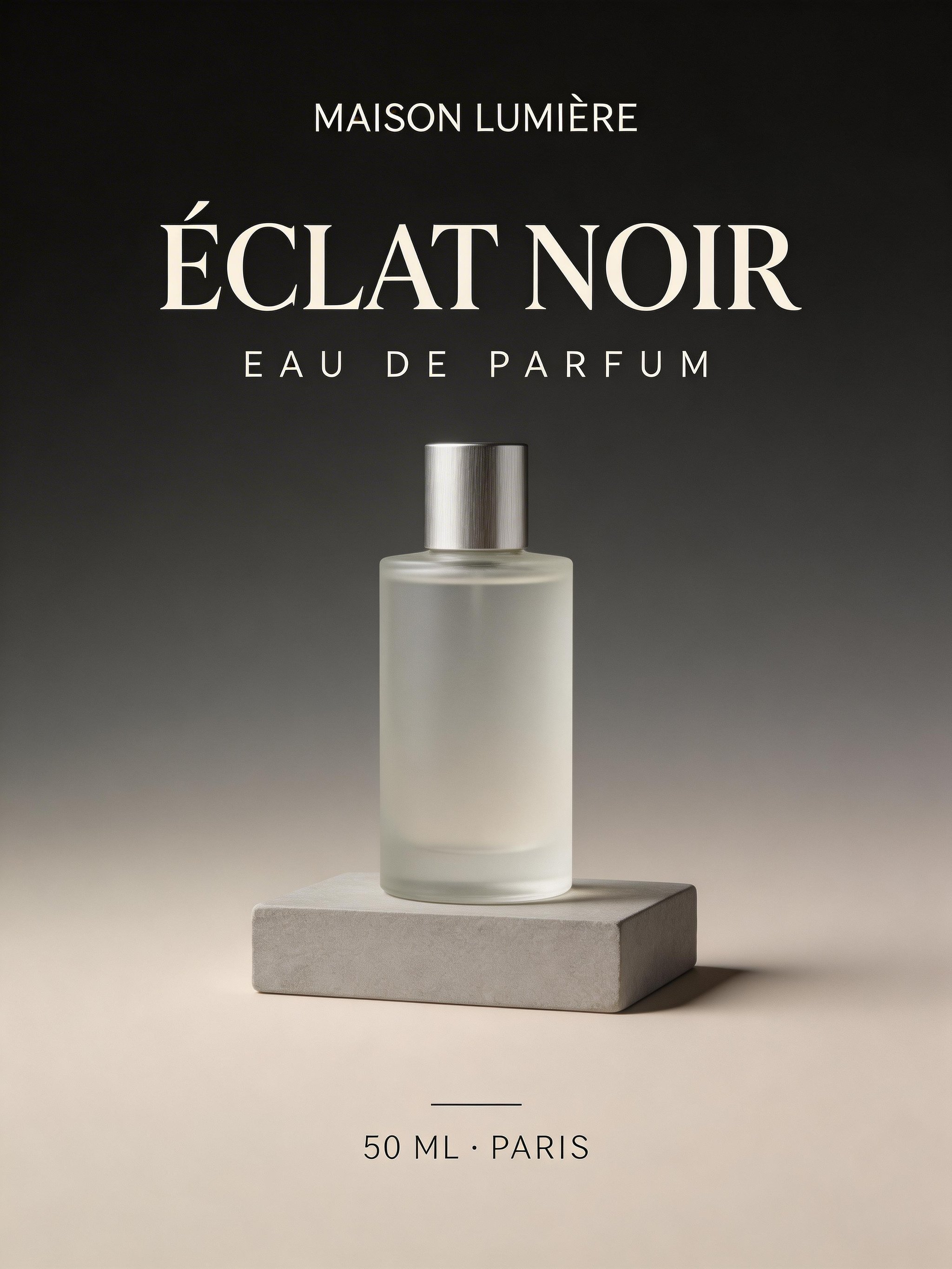
More balanced bottle and typography layout.
Seedream 5.0 Lite
Strong result, slightly less resolved.
FLUX.2 Flex
Drops text and adds gibberish.
Seedream 5.0 Lite
Keeps almost all requested text.
FLUX.2 Flex
Keeps identity and camera relationship more exact.
Seedream 5.0 Lite
Finer skin detail, but moves the subject closer.
FLUX.2 Flex
Removes objects beyond the requested people.
Seedream 5.0 Lite
Removes the crowd more selectively.
How to read these results
We compared generated images and edits using the prompts and references shown below. Inspect the full images before choosing for your own brief.
These are the original benchmark results. Prices, timings and supported formats describe the test configuration, not a new measurement.
Testing details and limitations
We reuse the same prompt set across both models, compare the best matched outputs, and only call a winner when one side shows a practical advantage in the actual task being tested.
All outputs shown here were generated inside HummingBytes with matched prompts and, where applicable, the same input images. For each prompt, we generated multiple candidates per model and selected the strongest output from each side using the same review criteria. This page reflects the current product configuration and benchmark readout as of March 19, 2026.
FLUX.2 Flex needed more retries and longer, more explicit prompts. Its underwater win was about scene logic; Seedream still had more polished lighting and detail.
In the tested 3–4 MP image-to-image setup, Seedream could cost roughly three to four times less. Additional inputs increased FLUX cost, and its practical output topped out around 2K, below Seedream.
Image generation
Inspect the output pairs and their references. Open a prompt to see exactly what was requested.
Product photography and ads
Compare product presentation, campaign composition and visual hierarchy.
Typography + Design Composition Test
What this test checks
This benchmark tests a typography-heavy luxury ad layout where the composition has to feel editorial, balanced, and commercially usable rather than merely decorative.
Verdict:
FLUX.2 FlexWhy this winner
FLUX.2 Flex produces the more balanced layout here, with a stronger relationship between the bottle and the typography. Seedream 5.0 Lite is also strong, but FLUX feels slightly more resolved.
Tradeoff
Seedream 5.0 Lite is still very competitive in this test, so the margin is smaller than in the realism or editing wins.
<- drag to compare ->
Image Composition Test
What this test checks
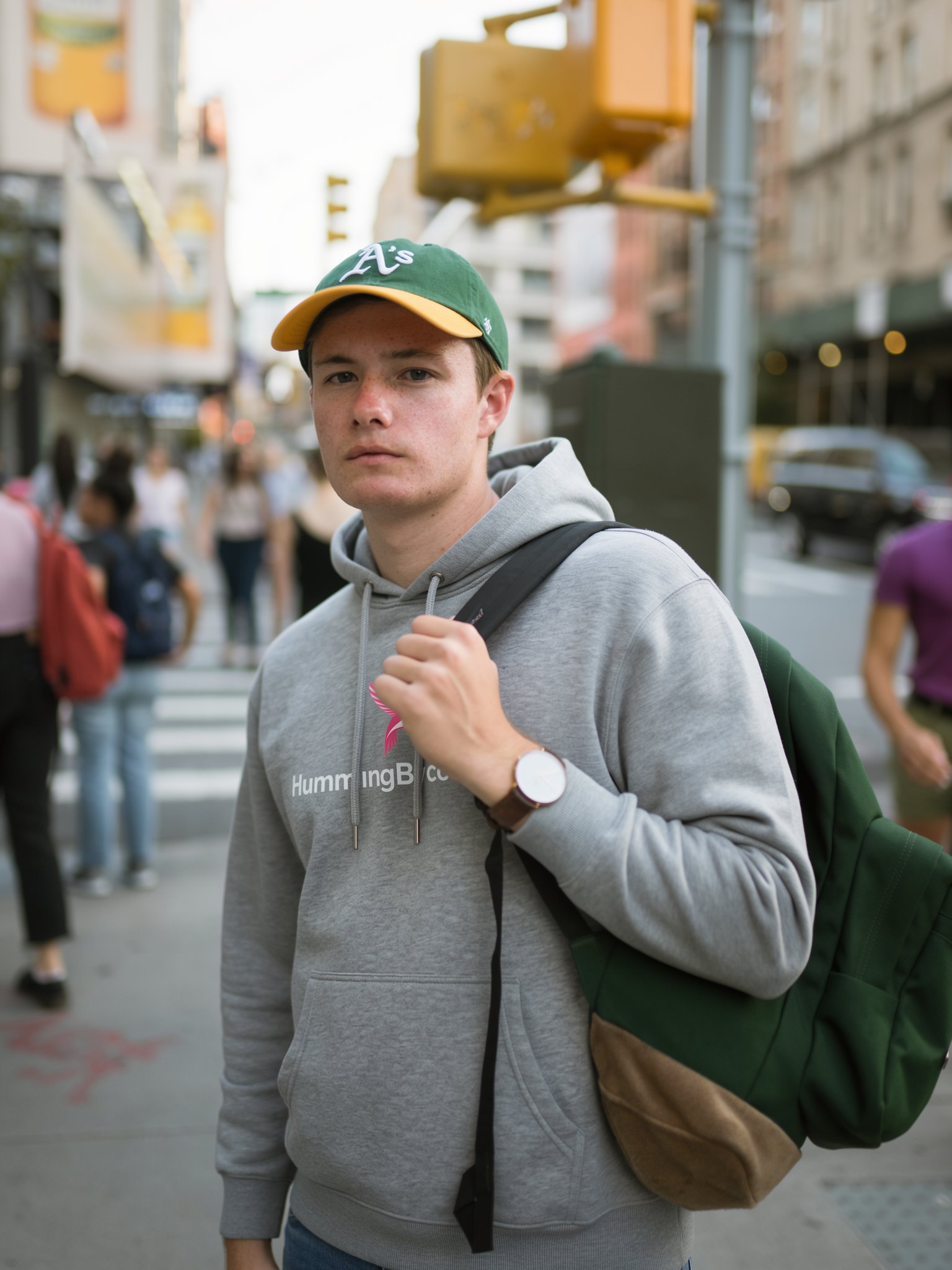
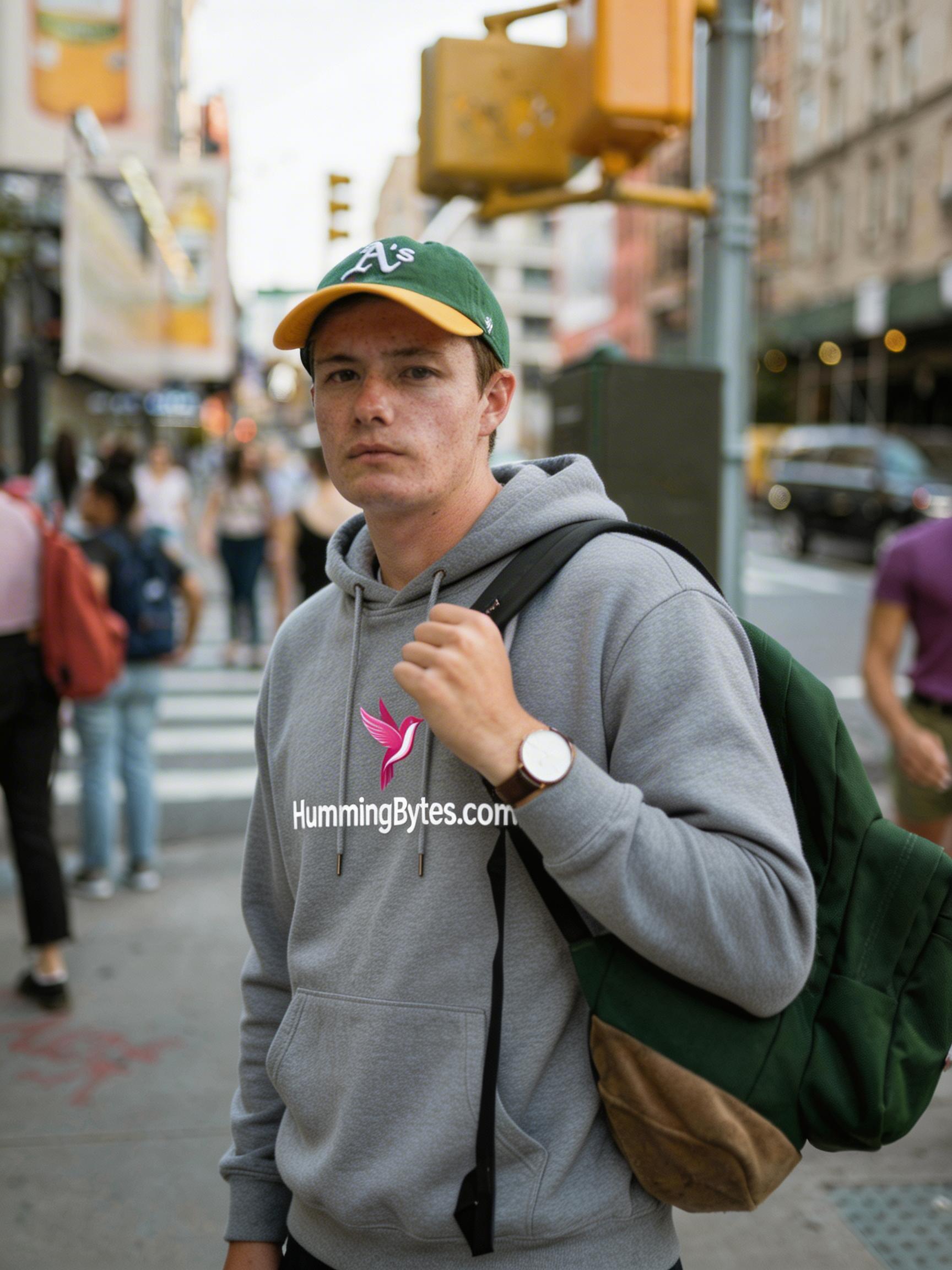
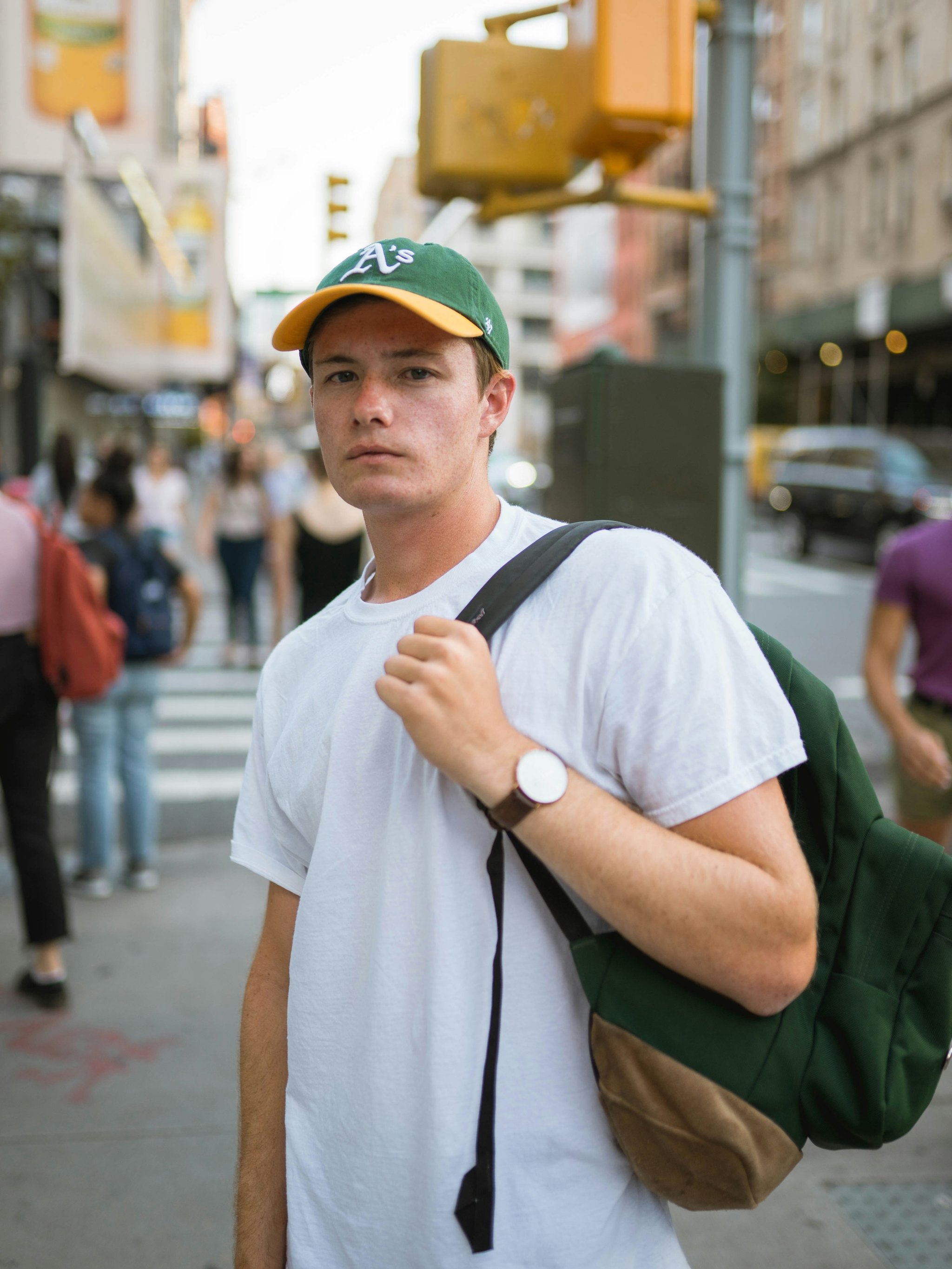
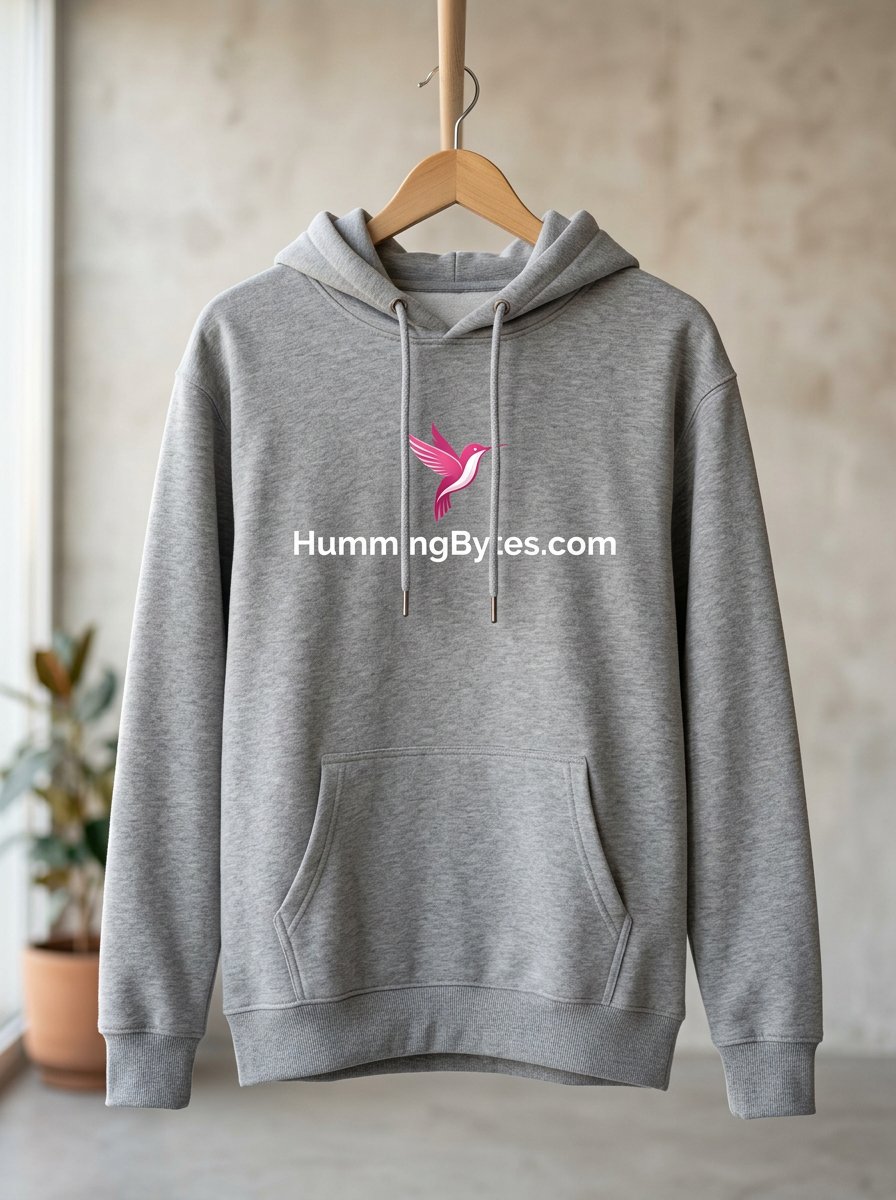
This benchmark tests whether the model can combine two separate references into one believable scene without breaking object placement, garment structure, or printed graphic placement.
Verdict:
FLUX.2 FlexWhy this winner
FLUX.2 Flex composes the two references more logically. Seedream 5.0 Lite repeatedly places the hoodie text on top of the drawcords, which makes the result look obviously fake.
<- drag to compare ->
Reference Images
Poster Composition Test
What this test checks
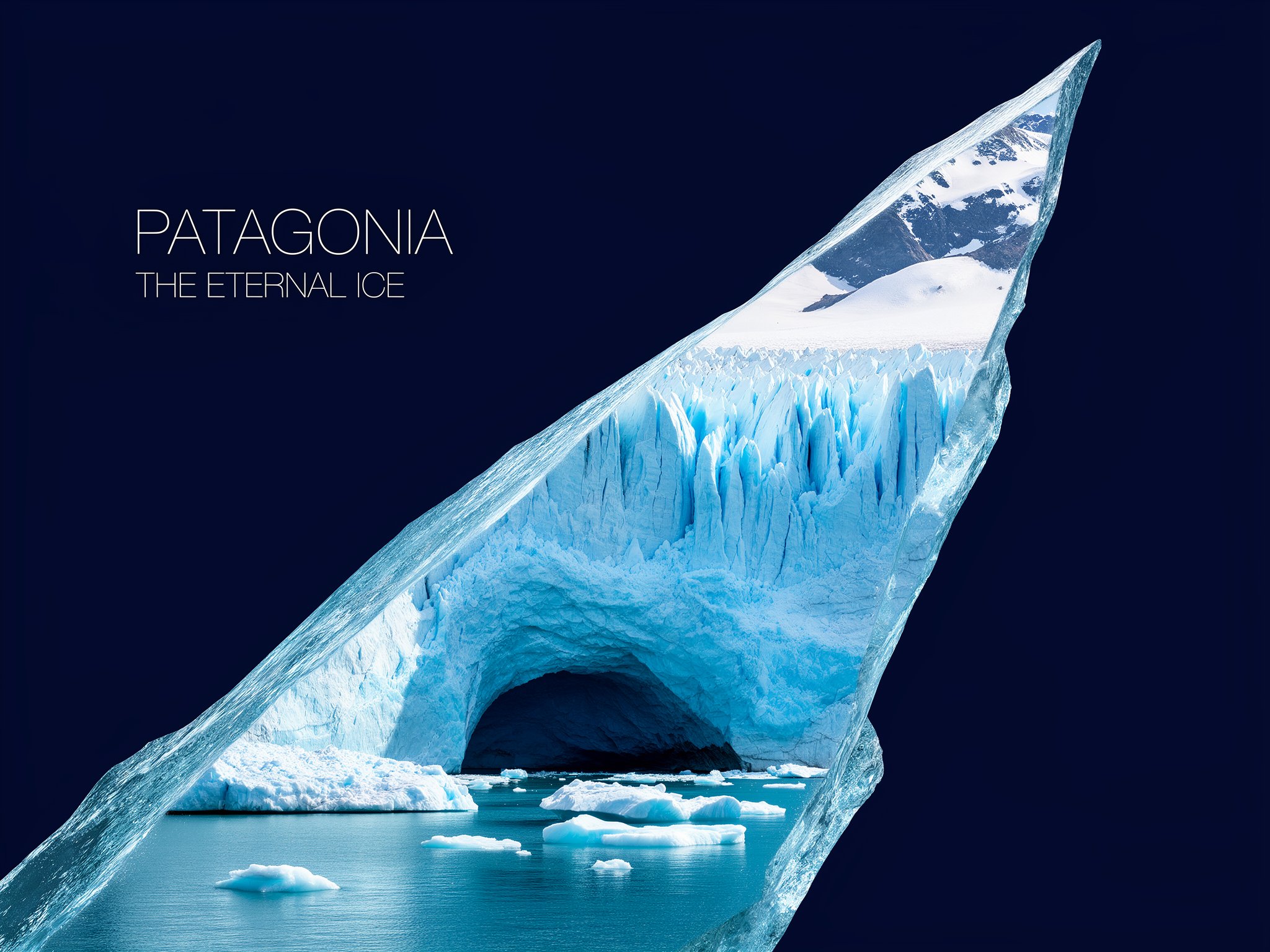
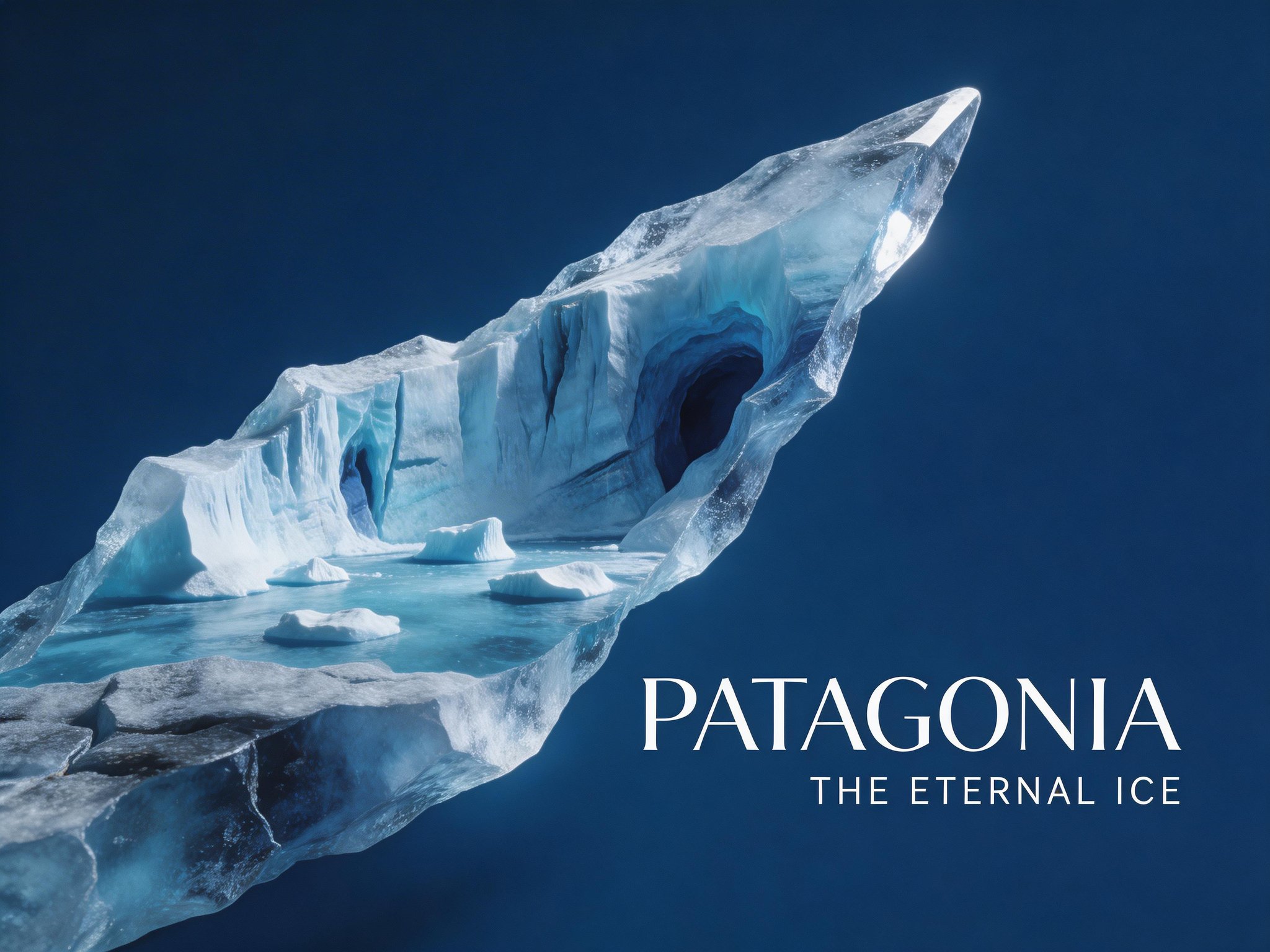
This is a second poster-style benchmark focused more on cinematic composition and negative-space control than on pure text accuracy.
Verdict:
FLUX.2 FlexWhy this winner
FLUX.2 Flex looks more professional in this poster test, especially in how it lays out the type and presents the ice shard. Seedream 5.0 Lite is good, but the text feels too large and too close to the shard.
<- drag to compare ->
Portraits and scene realism
Inspect faces, physical detail, landmarks and named objects.
Portrait Headshot
What this test checks
A shared likeness test using the same reference portrait on both models. This is where Seedream 5.0 Lite usually looks more camera-ready out of the box.
Verdict:
Seedream 5.0 LiteWhy this winner
Seedream 5.0 Lite keeps slightly stronger skin texture, cleaner beauty-lighting balance, and more flattering face fidelity in this run.


<- drag to compare ->
Compare input vs
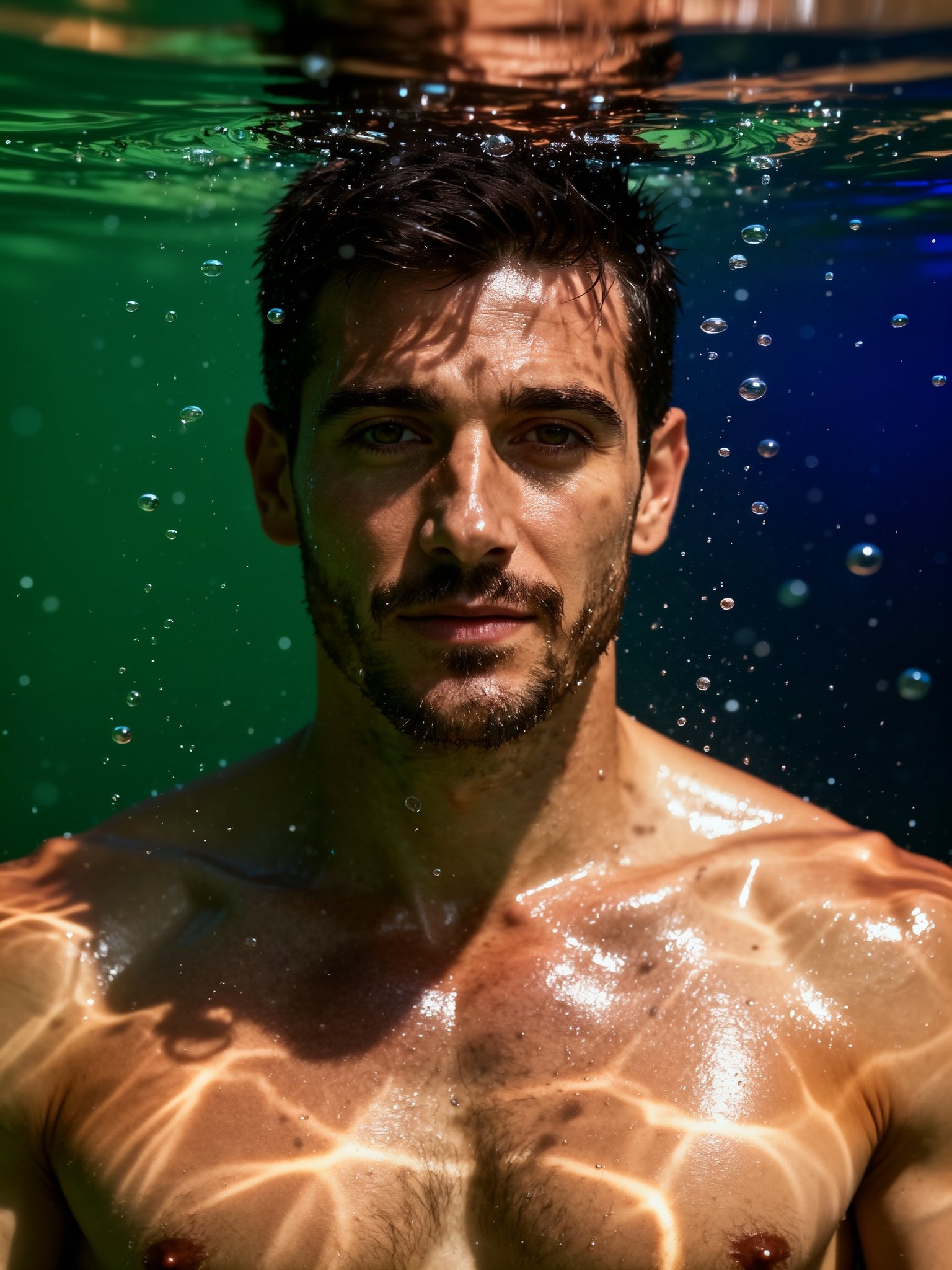
Complex Realism (Underwater Cinematic Test)
What this test checks
Highly physical scenes expose whether a model can keep lighting behavior, depth cues, and materials coherent when the prompt gets harder than a standard portrait.
Verdict:
FLUX.2 FlexWhy this winner
FLUX.2 Flex wins on scene coherence because it avoids the extra underwater waterline artifact. Seedream 5.0 Lite still looks better in lighting, color, and micro-detail.
Tradeoff
This is a narrow win on scene logic, not a broader realism win for FLUX. Seedream still looks more polished at the pixel level.

<- drag to compare ->
Compare input vs
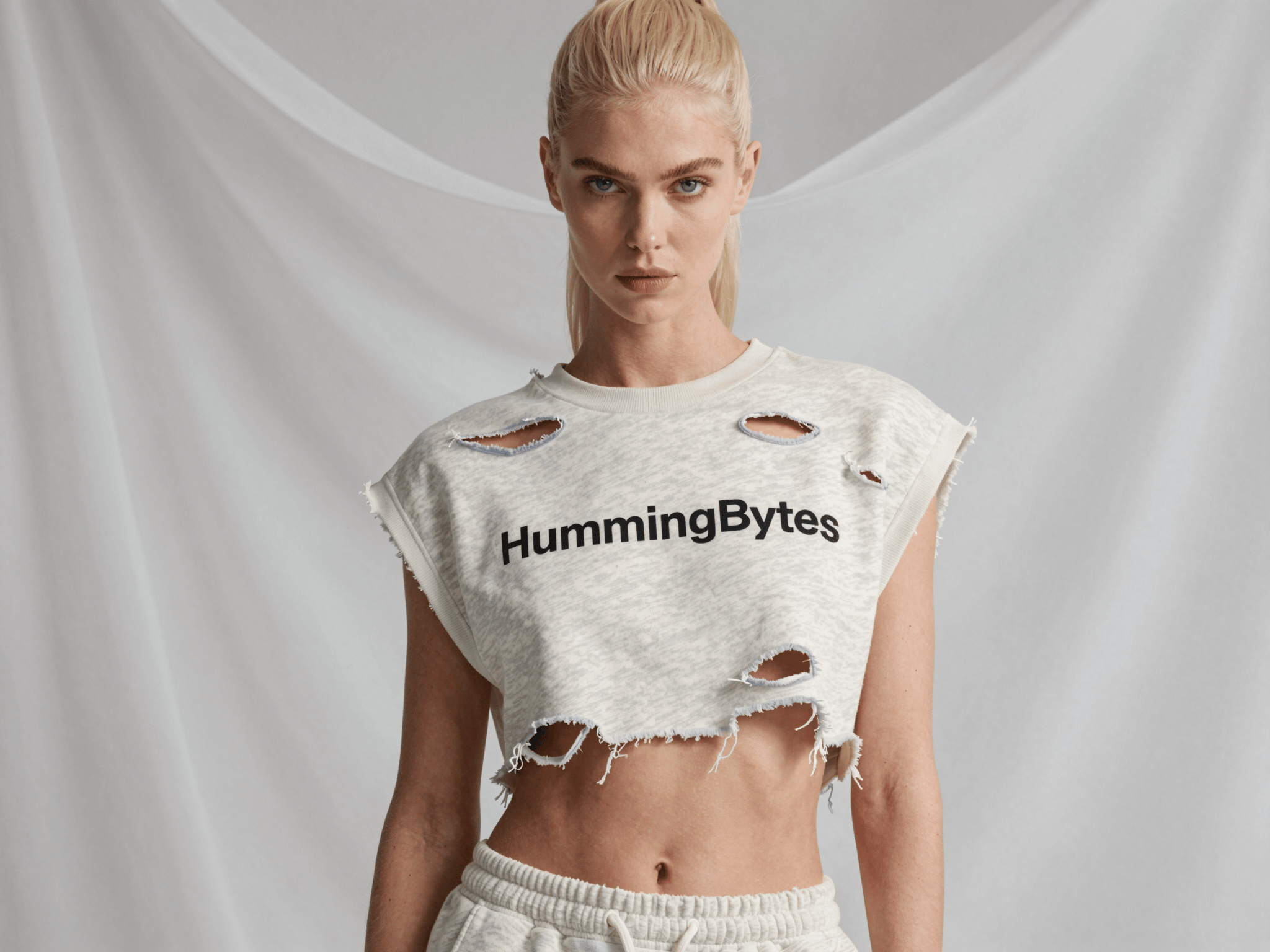
Landmark Fidelity (Torres del Paine Test)
What this test checks
Real places are useful because they punish hand-wavy realism. The model has to preserve the subject while still making the location read as a specific place rather than a generic mountain background.
Verdict:
Seedream 5.0 LiteWhy this winner
Seedream 5.0 Lite produces the more faithful Torres del Paine landmark, preserves the subject better, and looks less synthetic overall.

<- drag to compare ->
Compare input vs
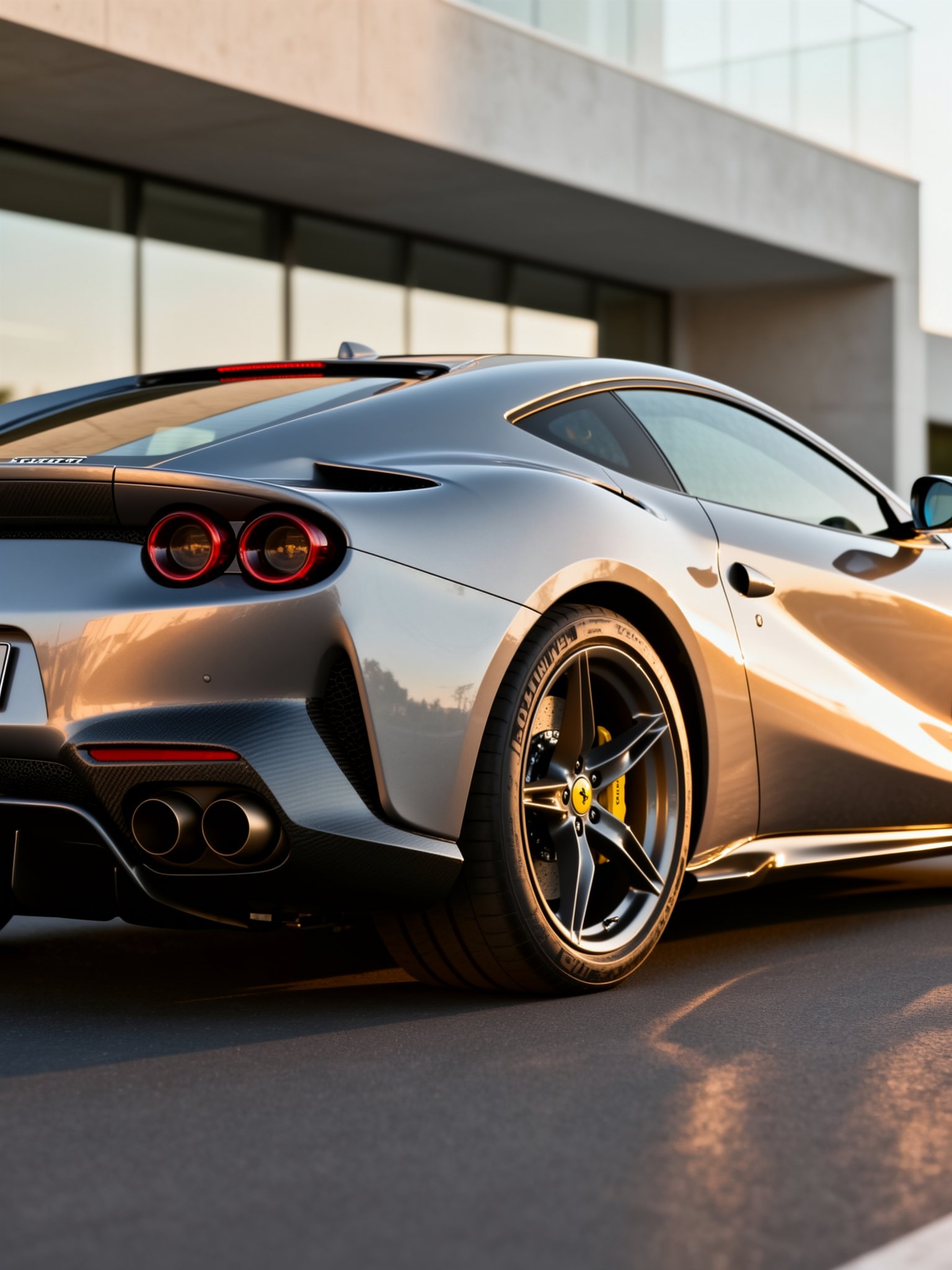
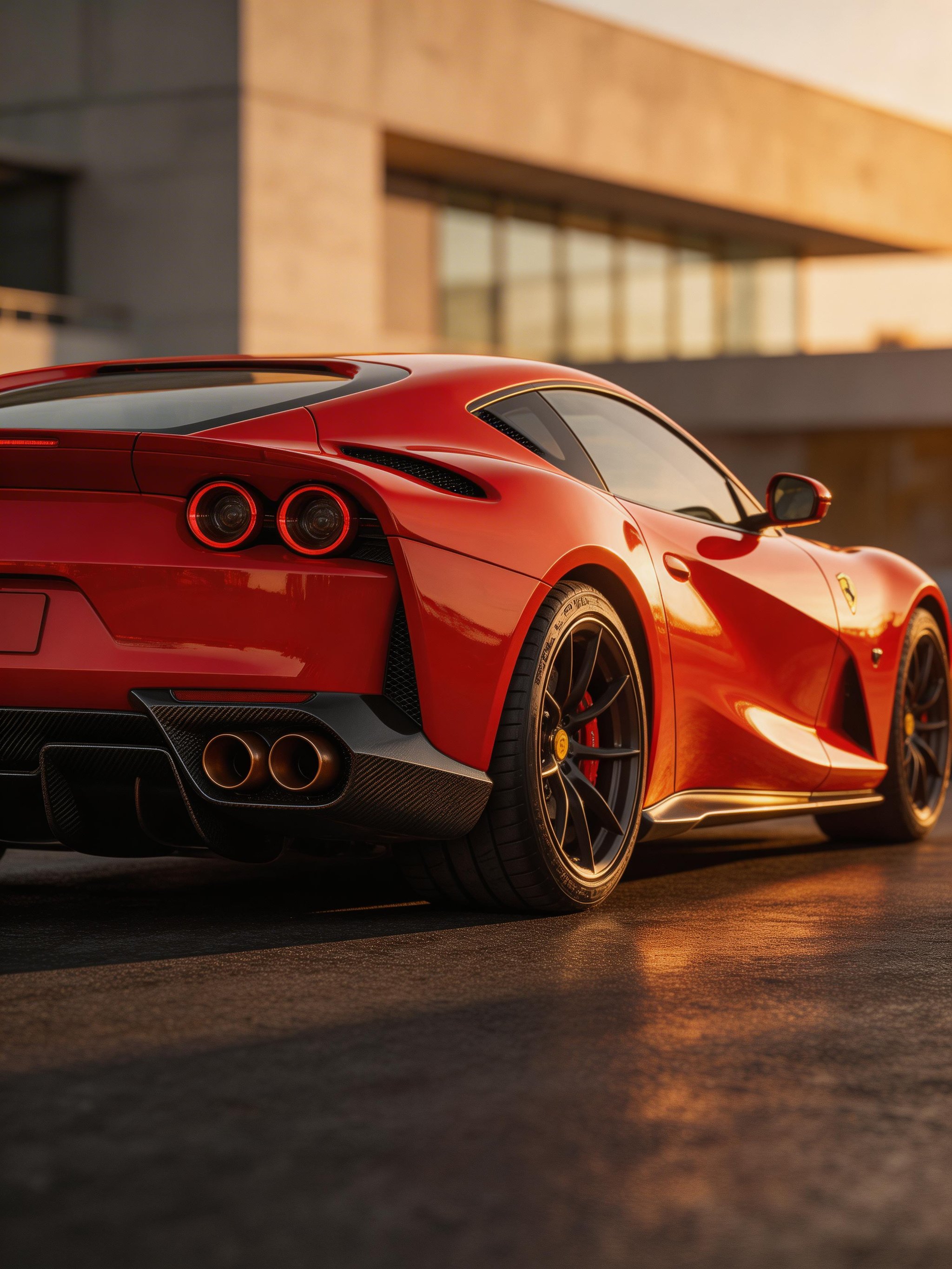
Named Object Fidelity (Ferrari 812 Test)
What this test checks
This benchmark checks whether the model can render a real Ferrari 812 Competizione rather than drifting into a generic supercar silhouette.
Verdict:
Seedream 5.0 LiteWhy this winner
Seedream 5.0 Lite produces the more realistic and accurate Ferrari 812 Competizione image here, with better lighting as well, even though both models still miss the exact real-world shape.
Tradeoff
This is a relative win, not a perfect fidelity result. Both models still drift away from the exact Ferrari 812 Competizione form.
<- drag to compare ->
Text, layouts and graphics
Check exact wording, readability and how the page or image is organized.
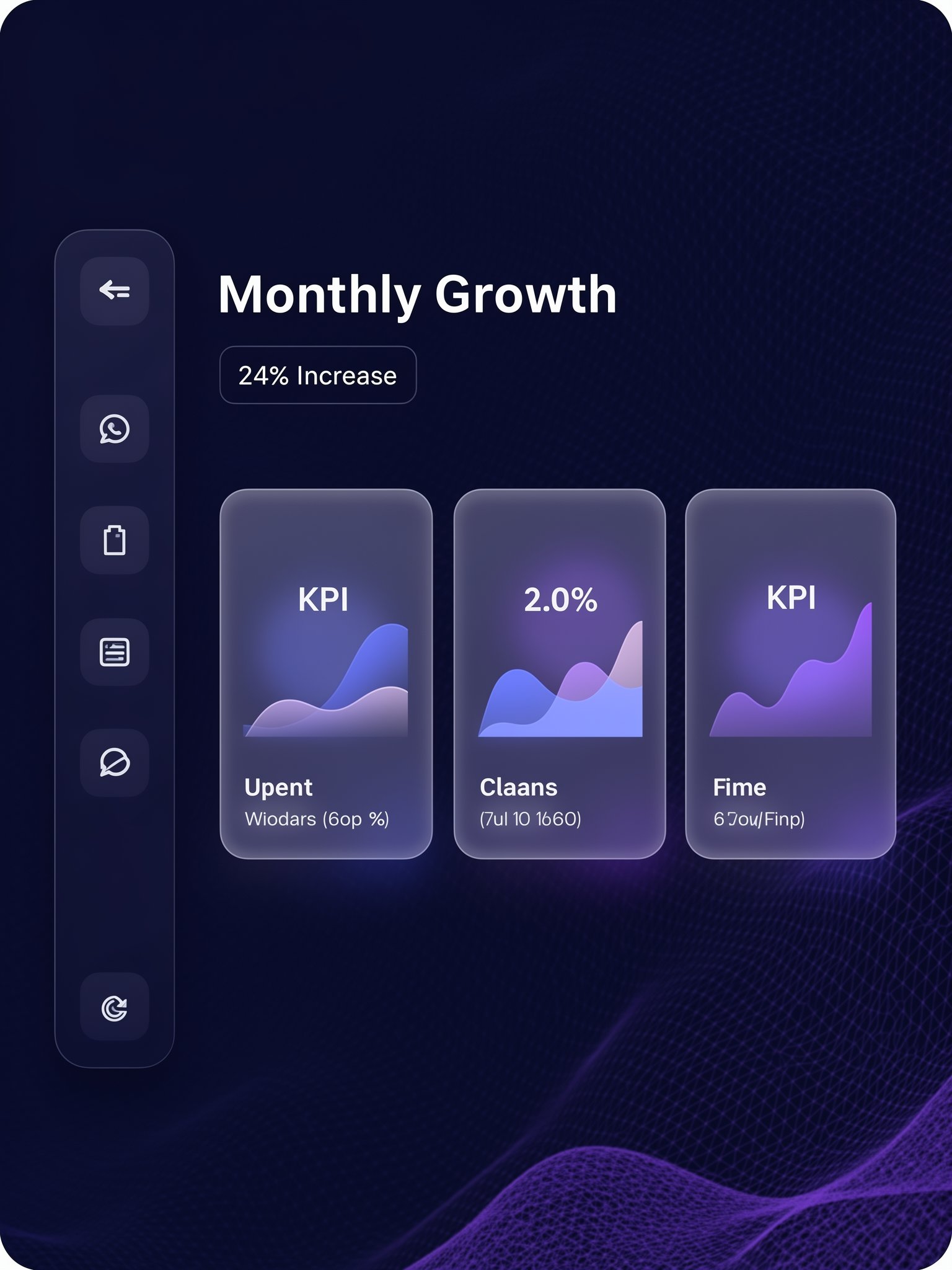
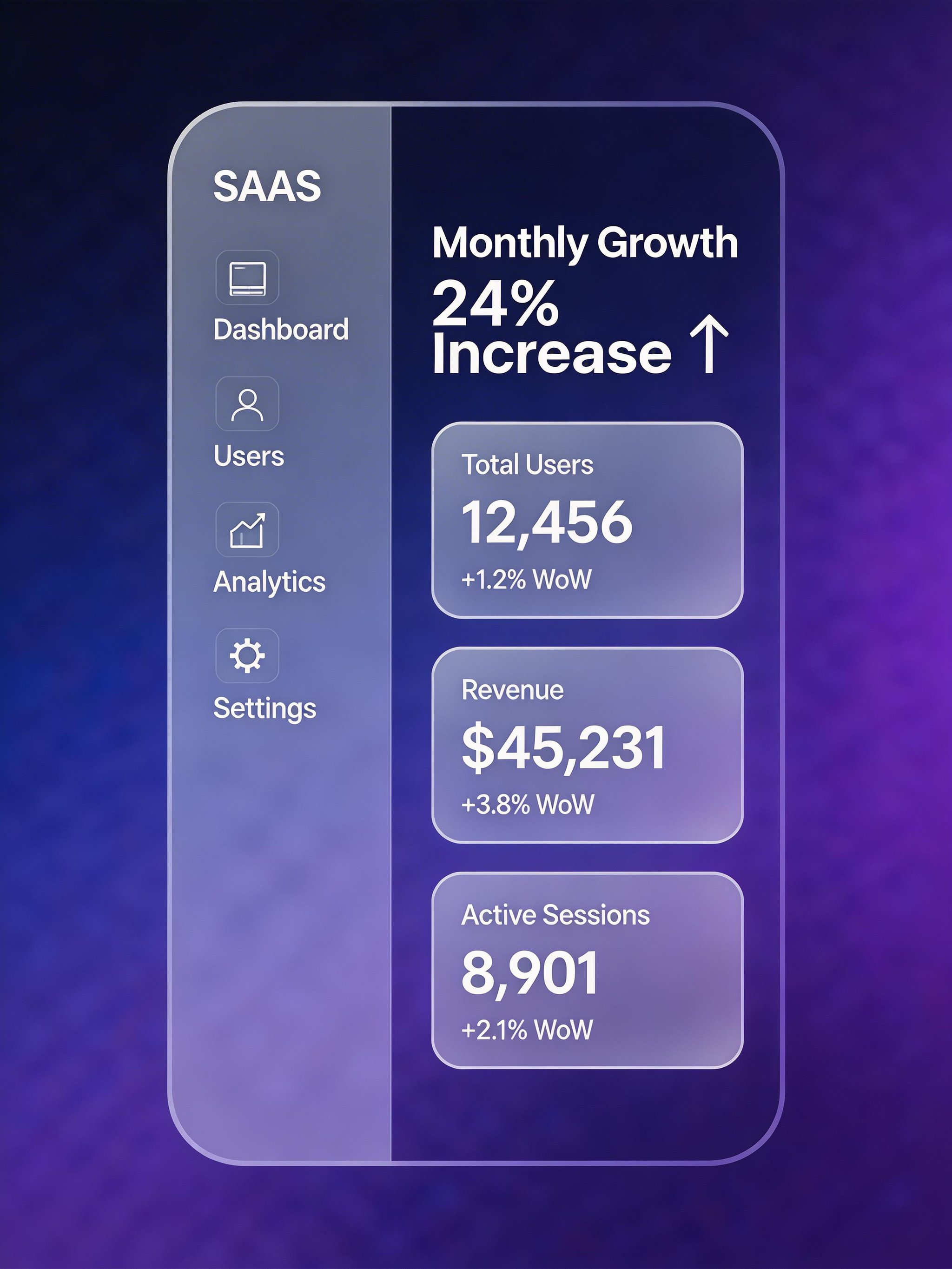
UI Mockup Layout
What this test checks
This benchmark stresses interface hierarchy, alignment, and whether the model can keep a product shot feeling deliberate instead of over-decorated.
Verdict:
Seedream 5.0 LiteWhy this winner
Seedream 5.0 Lite at least produces a more plausible interface with reasonable UI elements and fake data. FLUX.2 Flex looks more premium, but too much of it turns into gibberish.
Tradeoff
Neither model is truly strong here. Seedream just fails in a less damaging way than FLUX.2 Flex.
<- drag to compare ->
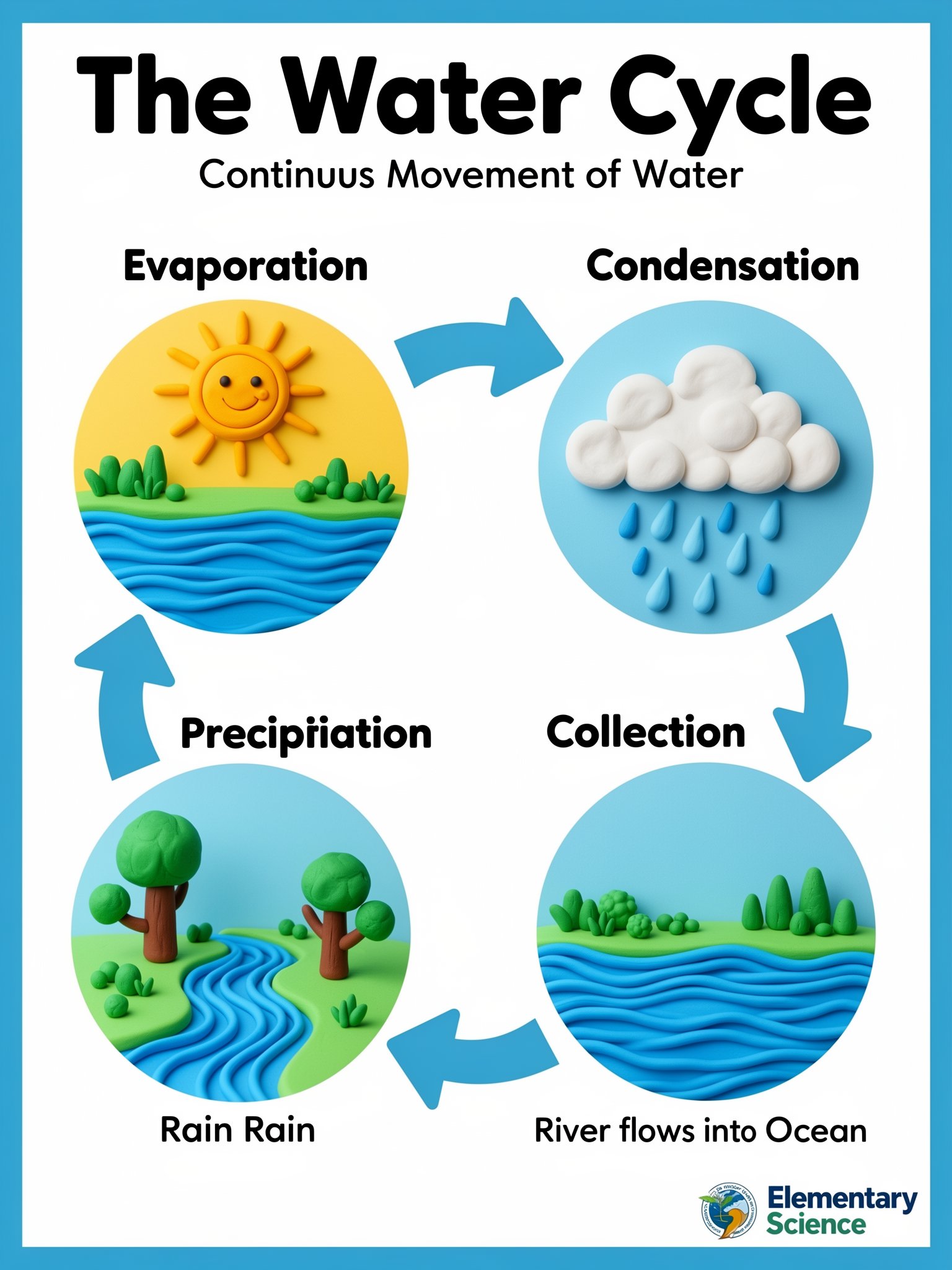
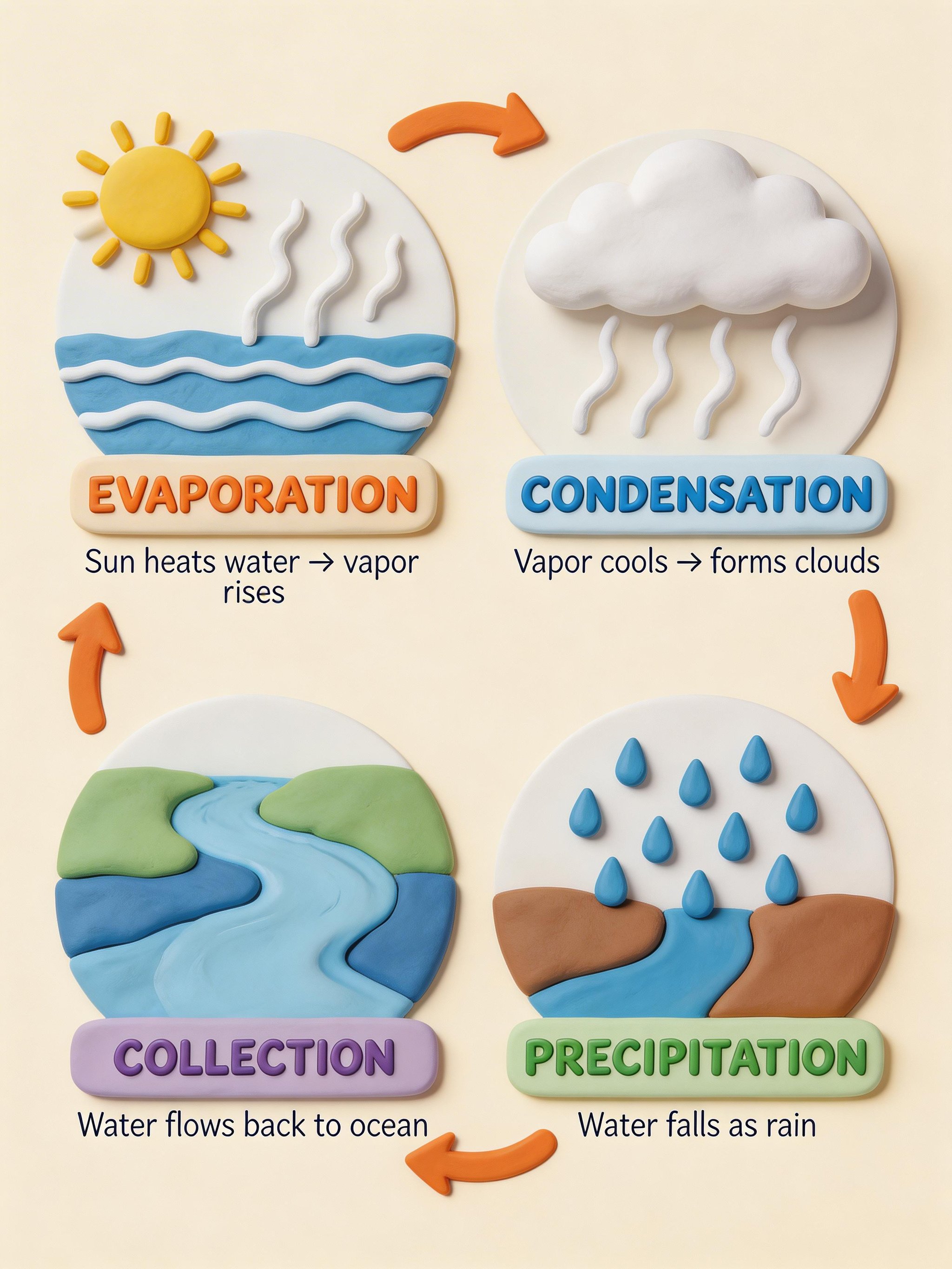
Complex Infographic Composition
What this test checks
This benchmark tests whether the model can organize multiple visual elements, arrows, labels, and teaching structure without collapsing into clutter.
Verdict:
Seedream 5.0 LiteWhy this winner
Seedream 5.0 Lite follows the prompt more faithfully and produces a more complete infographic. FLUX.2 Flex adds too much gibberish and breaks the structure.
<- drag to compare ->
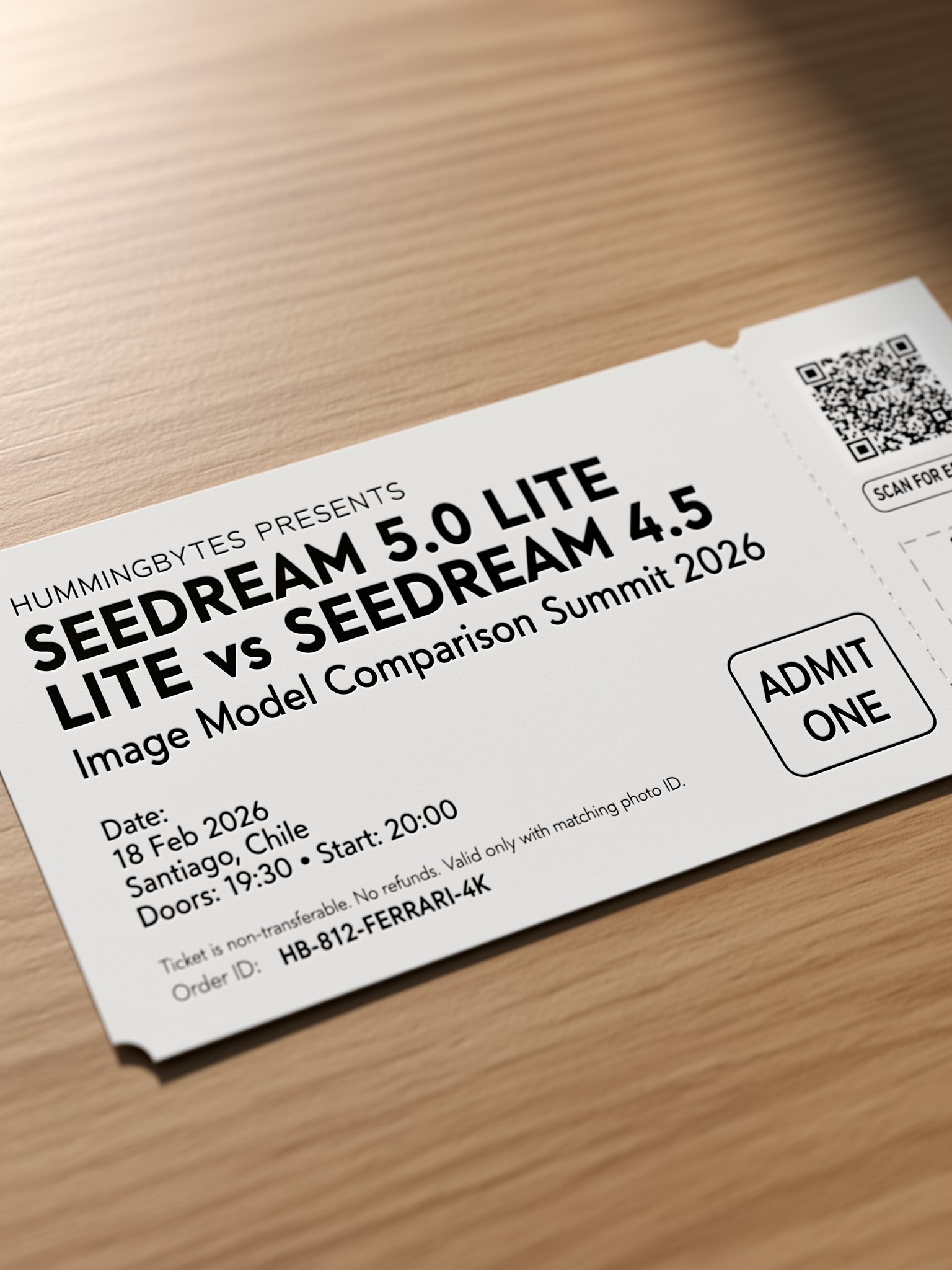
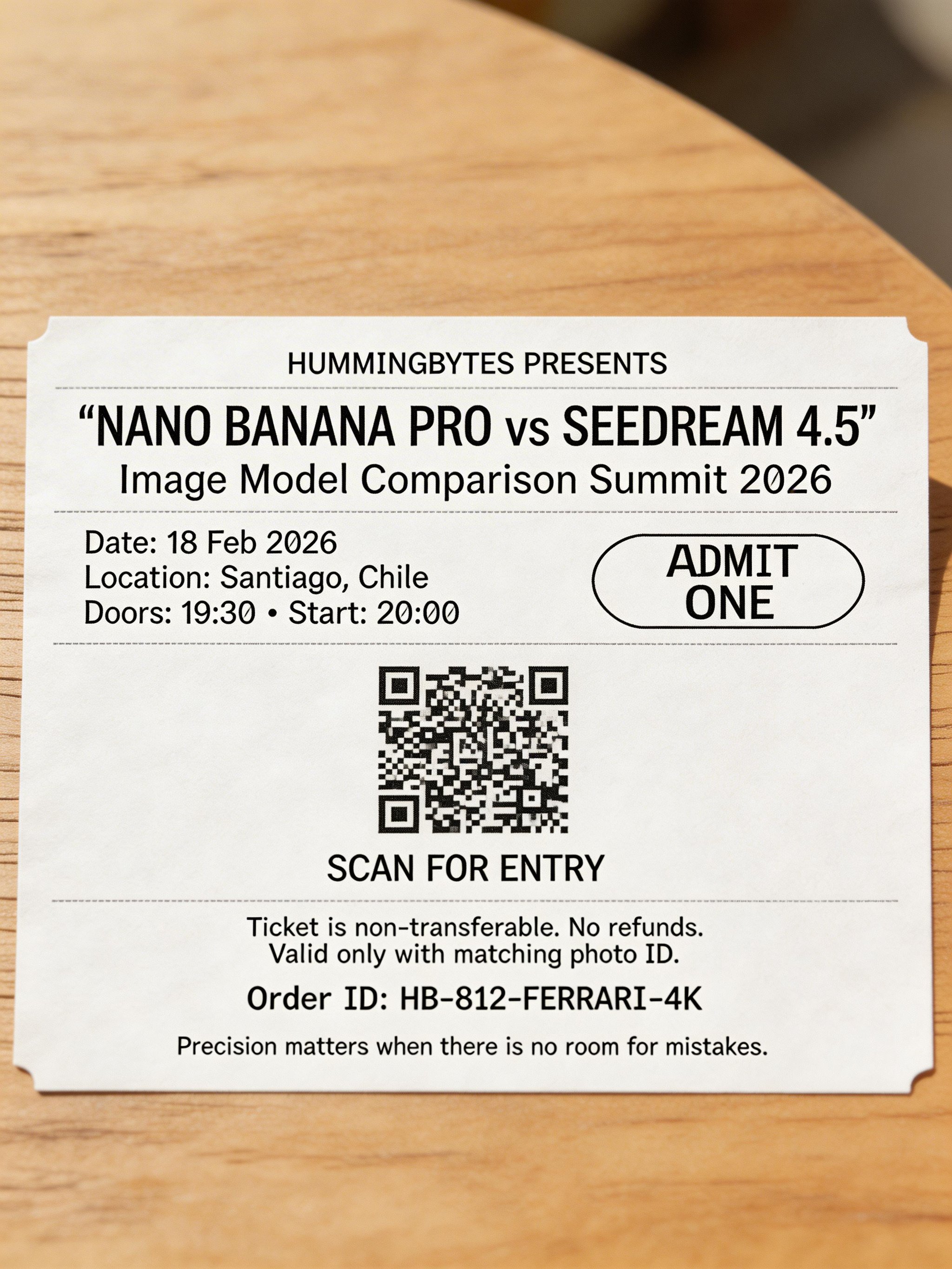
Text Rendering Test
What this test checks
Readable typography is still a hard benchmark. This test checks character accuracy, spacing discipline, and whether the layout still feels like a professionally printed object.
Verdict:
FLUX.2 FlexWhy this winner
FLUX.2 Flex wins mainly because it stages the ticket more convincingly as a real object on a table. Aside from that, both models complete the brief unusually well.
Tradeoff
This is not a large text-accuracy gap. Both models handle the exact ticket brief better than they handle open-ended text-heavy prompts.
<- drag to compare ->
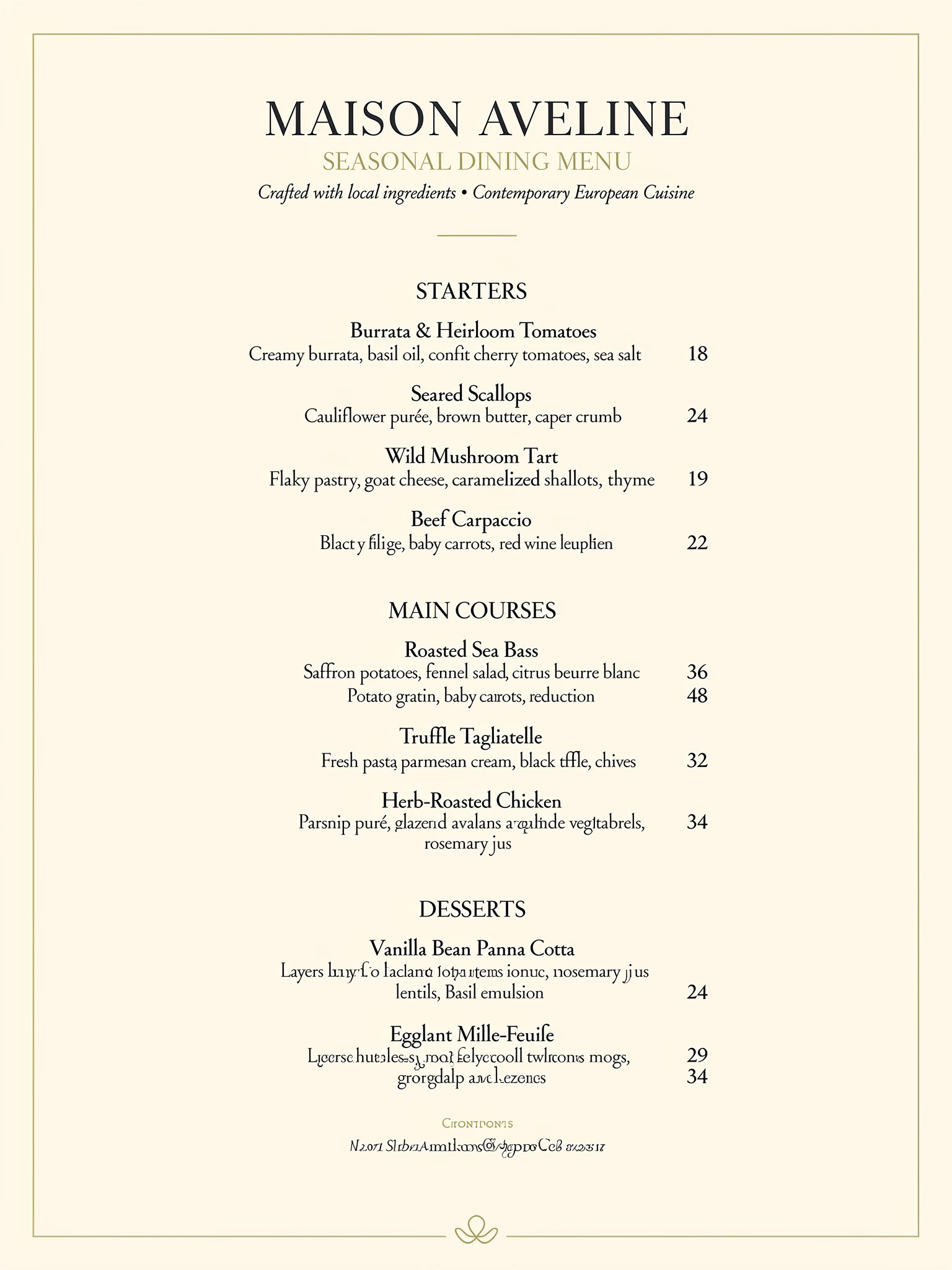
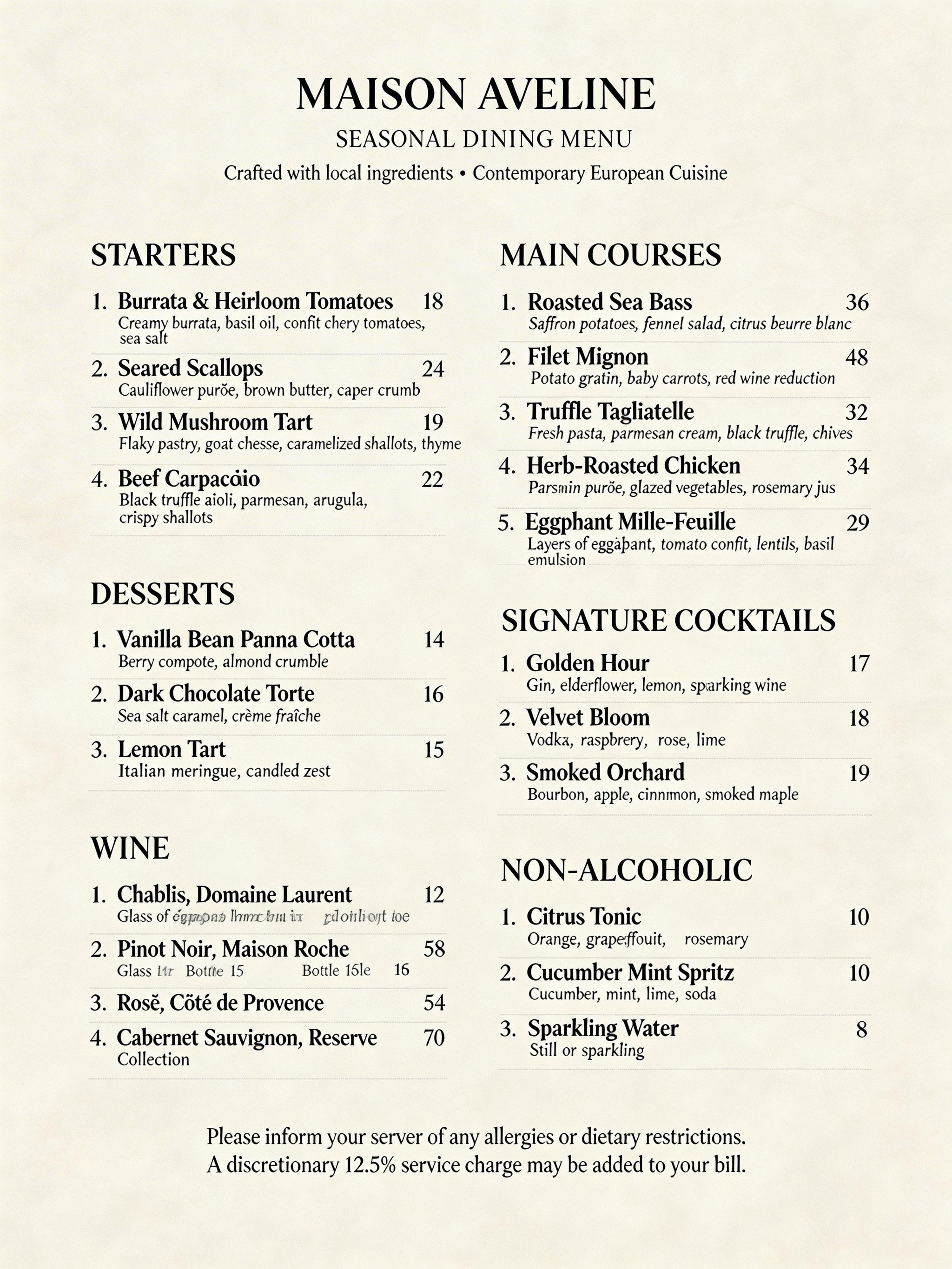
Restaurant Menu Editorial Layout
What this test checks
This is a long-form layout stress test. The model has to handle dense copy, hierarchy, and premium editorial composition at the same time.
Verdict:
Seedream 5.0 LiteWhy this winner
Seedream 5.0 Lite keeps almost all of the required text, even if the final menu does not feel especially upscale. FLUX.2 Flex drops too much text and introduces more gibberish.
<- drag to compare ->
Minimal Brand Logo Creation
What this test checks
Logo generation is a reduction test. The stronger output is the one that stays simple, recognizable, and closer to the requested vector-style brief.
Verdict:
Seedream 5.0 LiteWhy this winner
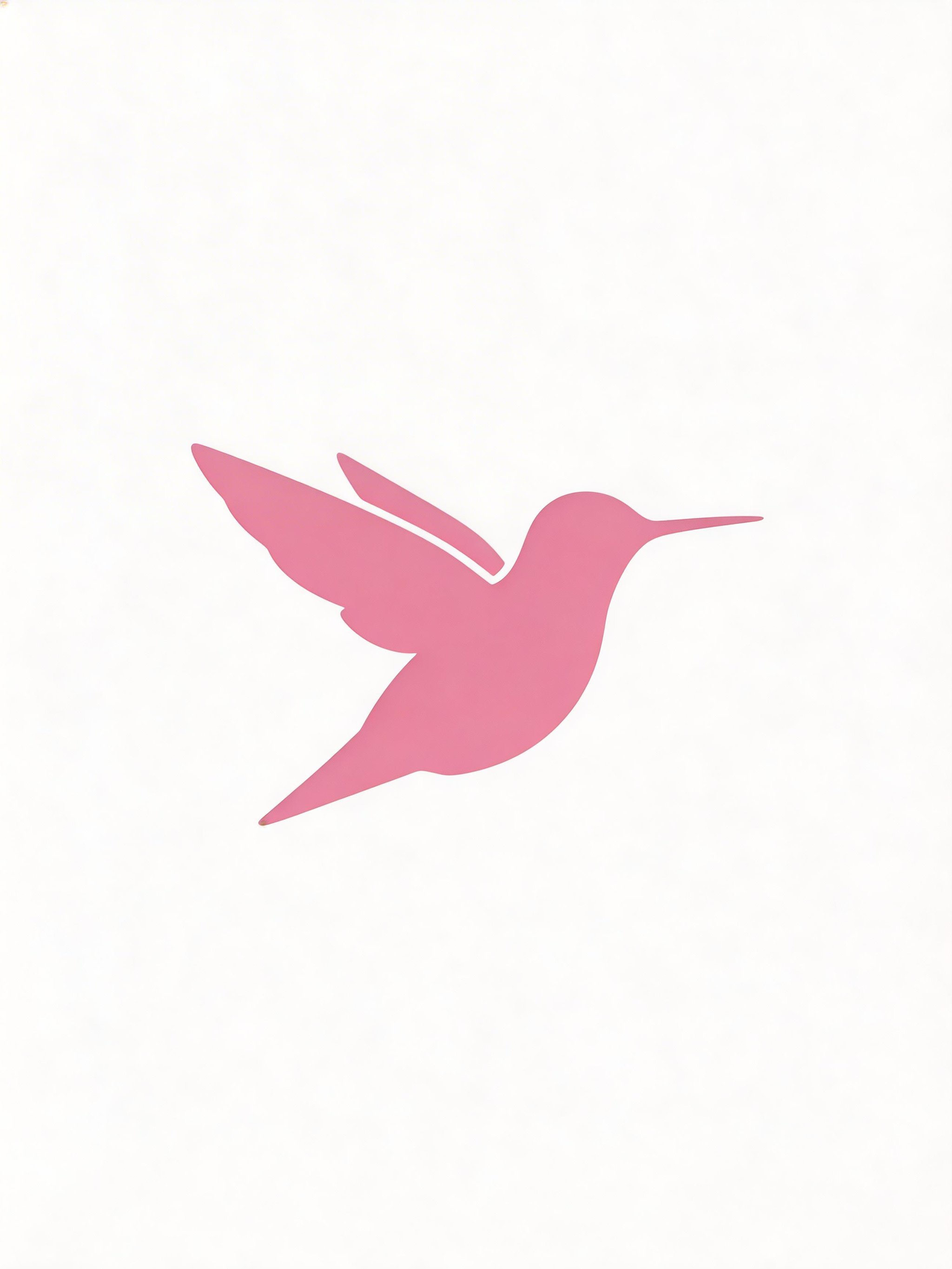
Seedream 5.0 Lite gets closer to the requested #ff97cc hummingbird color. Aside from that color match, both models follow the logo brief reasonably well.

<- drag to compare ->
Spatial reasoning and factual accuracy
Check whether a convincing image also follows the scene logic and factual brief.
Spatial Logic (Mirror Paradox)
What this test checks
This test is less about taste and more about whether the model can reason through reflection constraints instead of matching a plausible-looking pattern.
Verdict:
Seedream 5.0 LiteWhy this winner
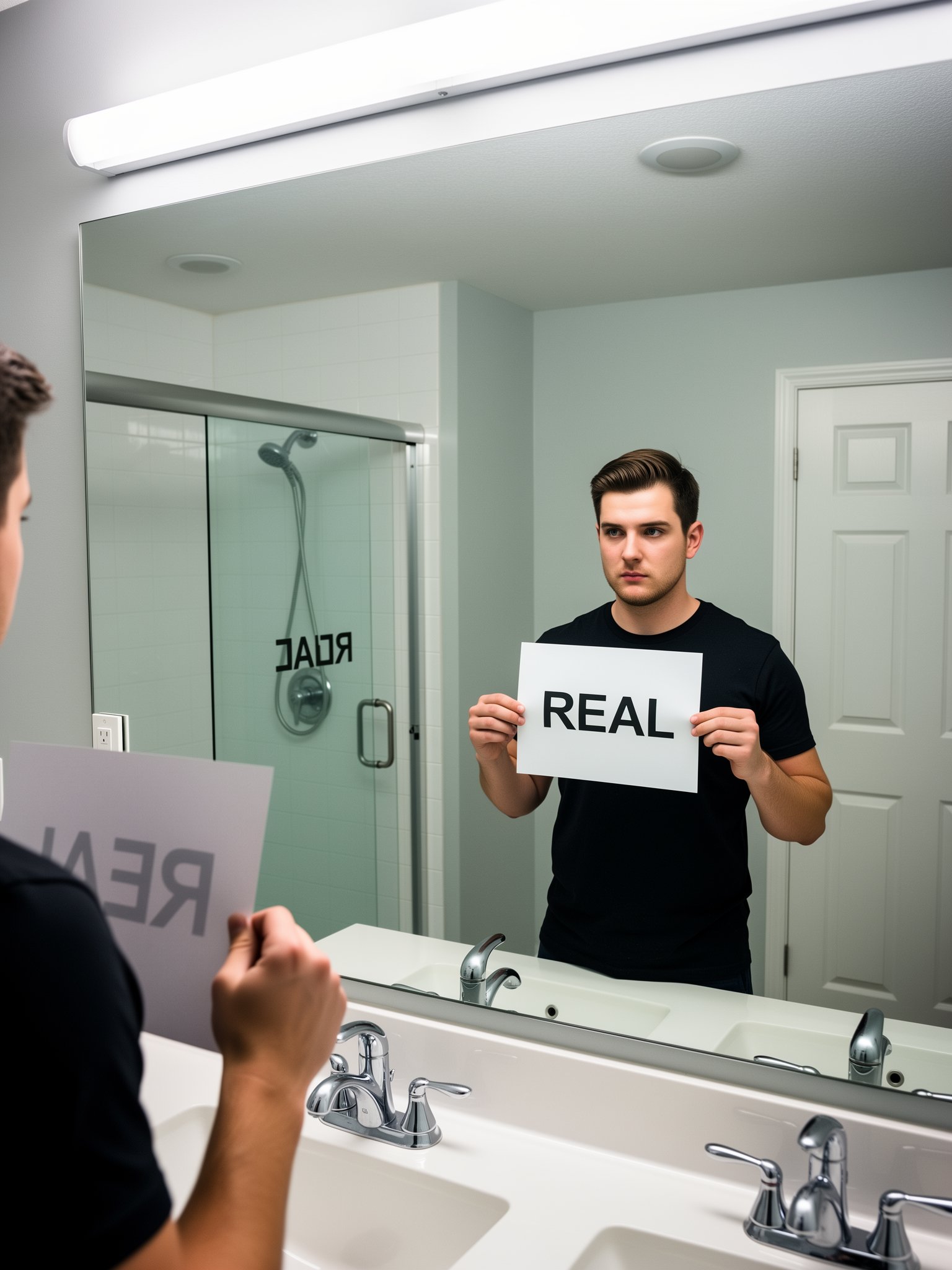
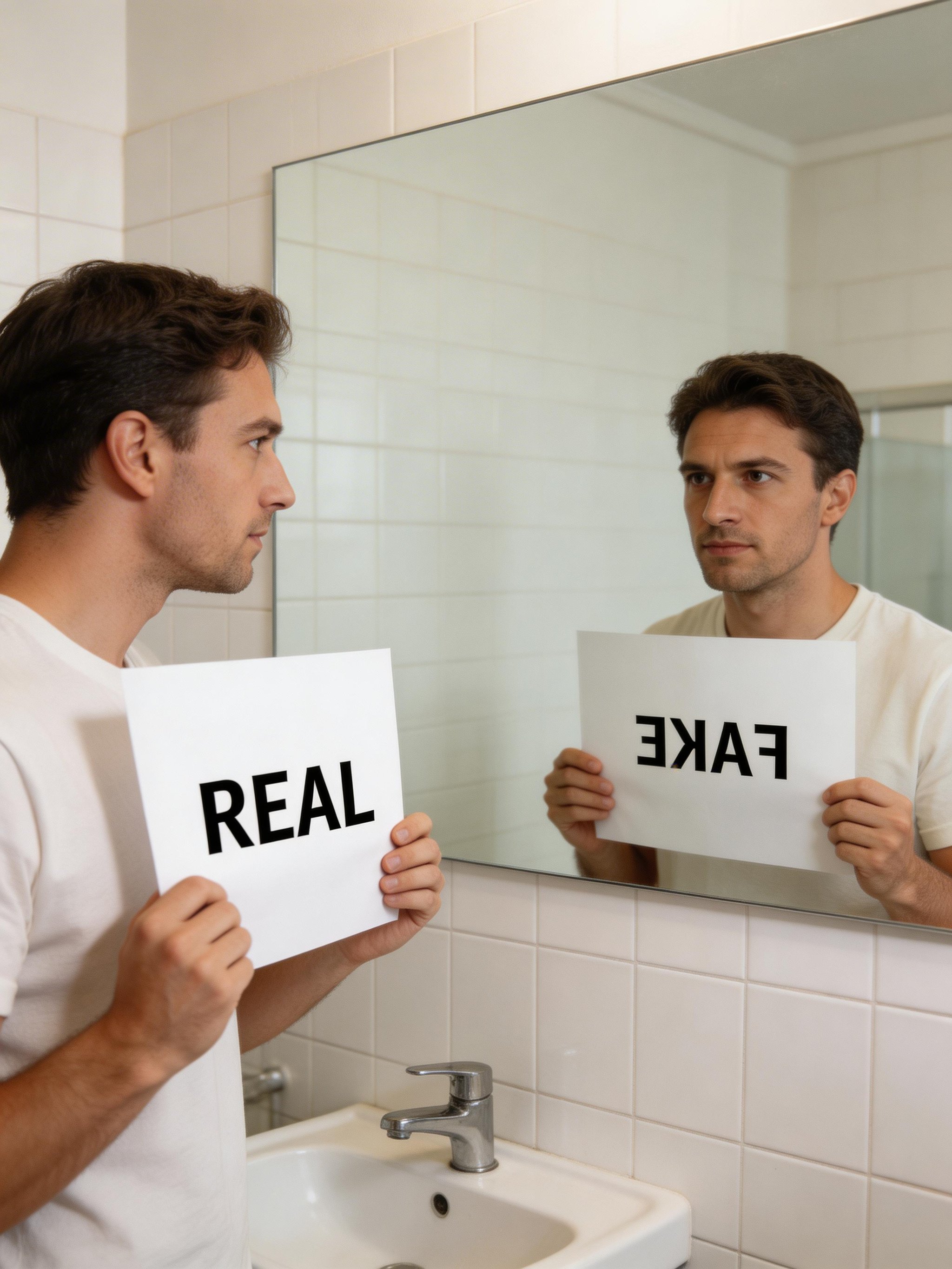
Seedream 5.0 Lite gets much closer to the requested setup by showing both "REAL" and "FAKE", while the FLUX.2 Flex result only shows "REAL" and looks more CGI.
<- drag to compare ->
Image editing
These tests focus on whether each model changes only what was requested and preserves identity, camera position, and scene structure when that preservation actually matters.
Subject and product preservation
See what stays intact when the background, clothing or lighting changes.
Identity-Preserving Background Change
What this test checks
Both models receive the same portrait and must replace only the background while keeping the subject's face, expression, clothing, and pose completely unchanged.
Verdict:
FLUX.2 FlexWhy this winner
FLUX.2 Flex wins this one by keeping the subject's face, identity, expression, hairstyle, and camera relationship more exact. Seedream 5.0 Lite has nicer skin detail, but it moves the subject closer to the camera.


<- drag to compare ->
Compare input vs
Clothing Replacement (Garment Swap)
What this test checks
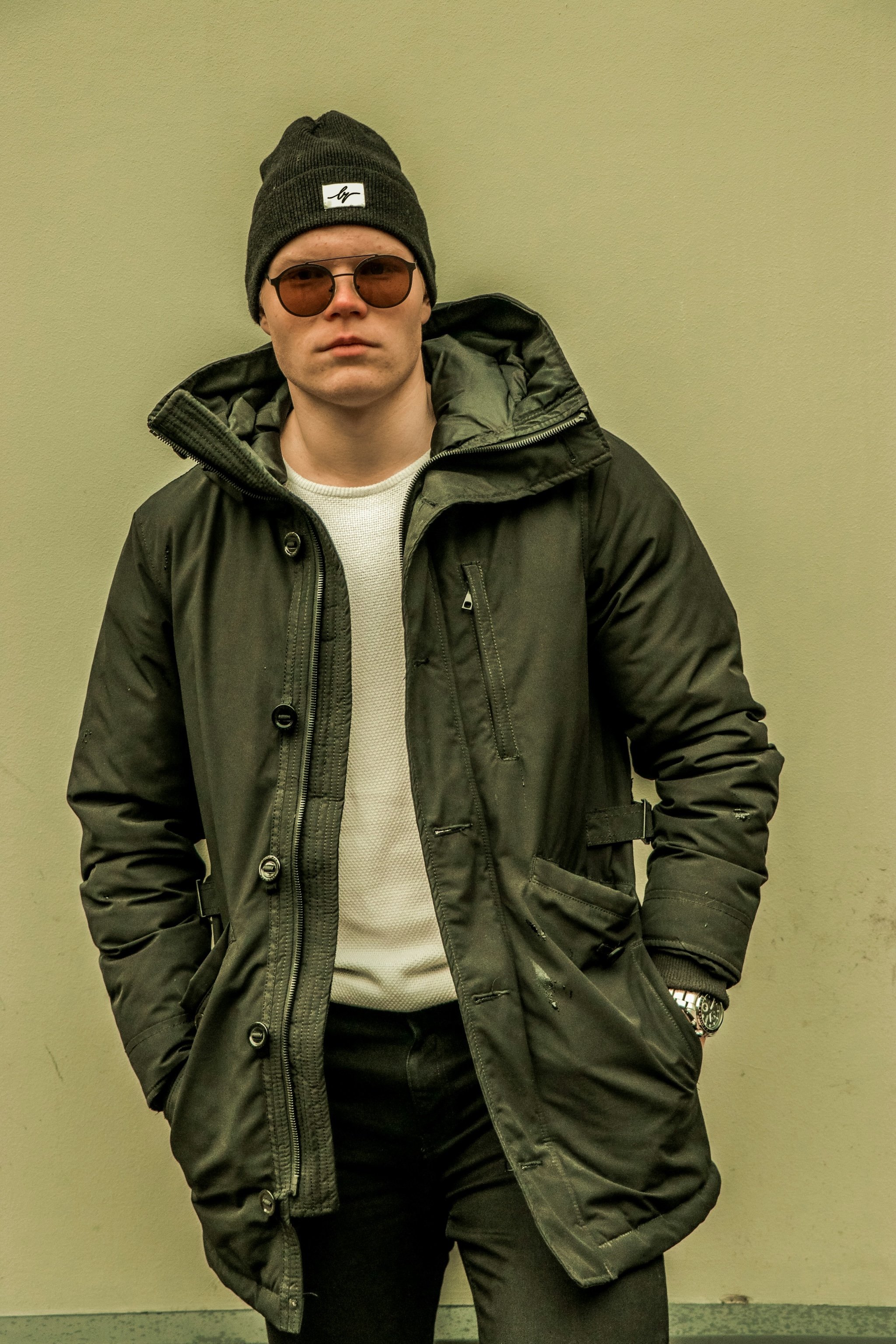
Both models receive a street portrait and must replace only the outer jacket with a different garment while preserving everything else.
Verdict:
Seedream 5.0 LiteWhy this winner
Seedream 5.0 Lite makes fewer unwanted changes, preserving the scene, the subject, and the camera relationship more reliably than FLUX.2 Flex.

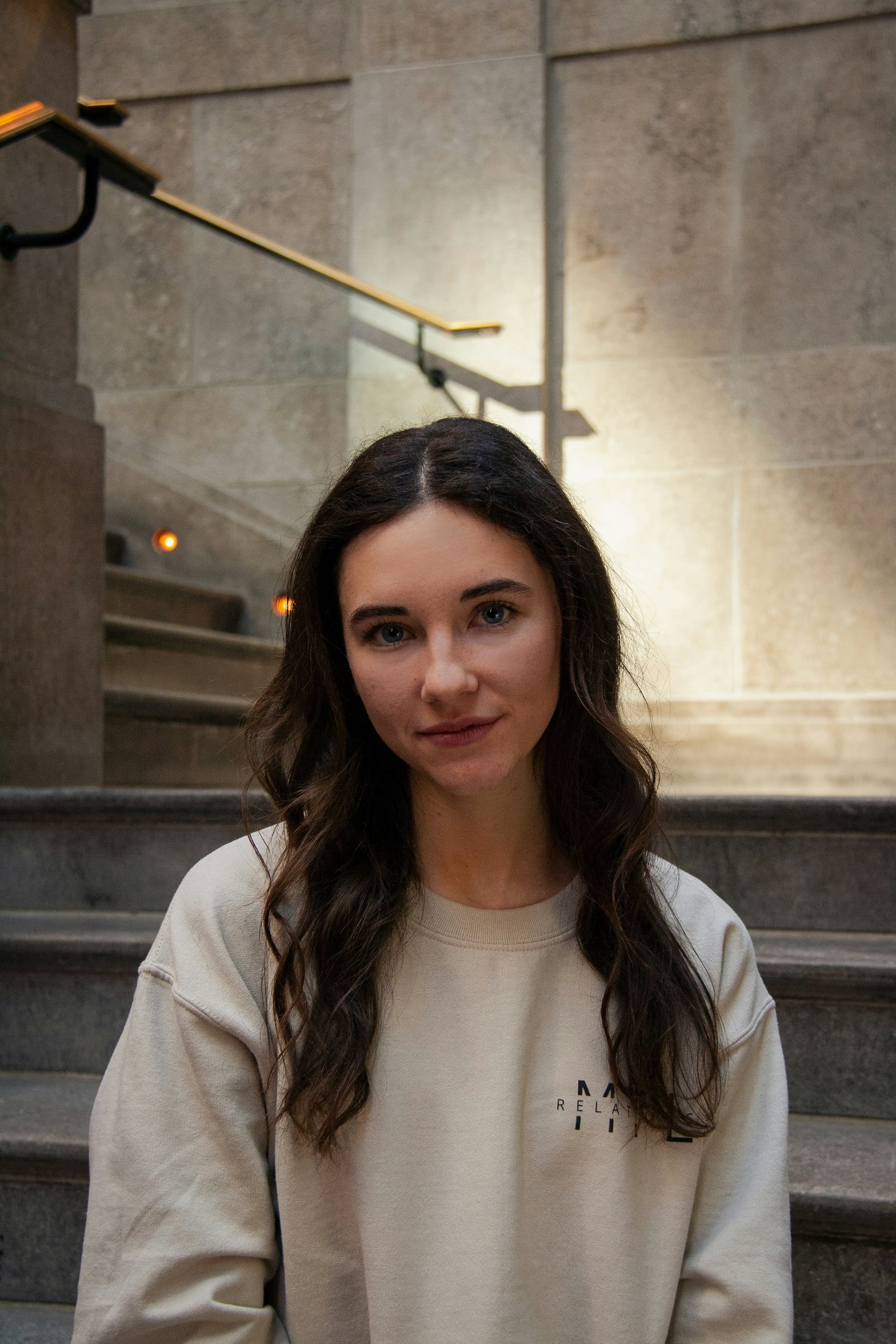
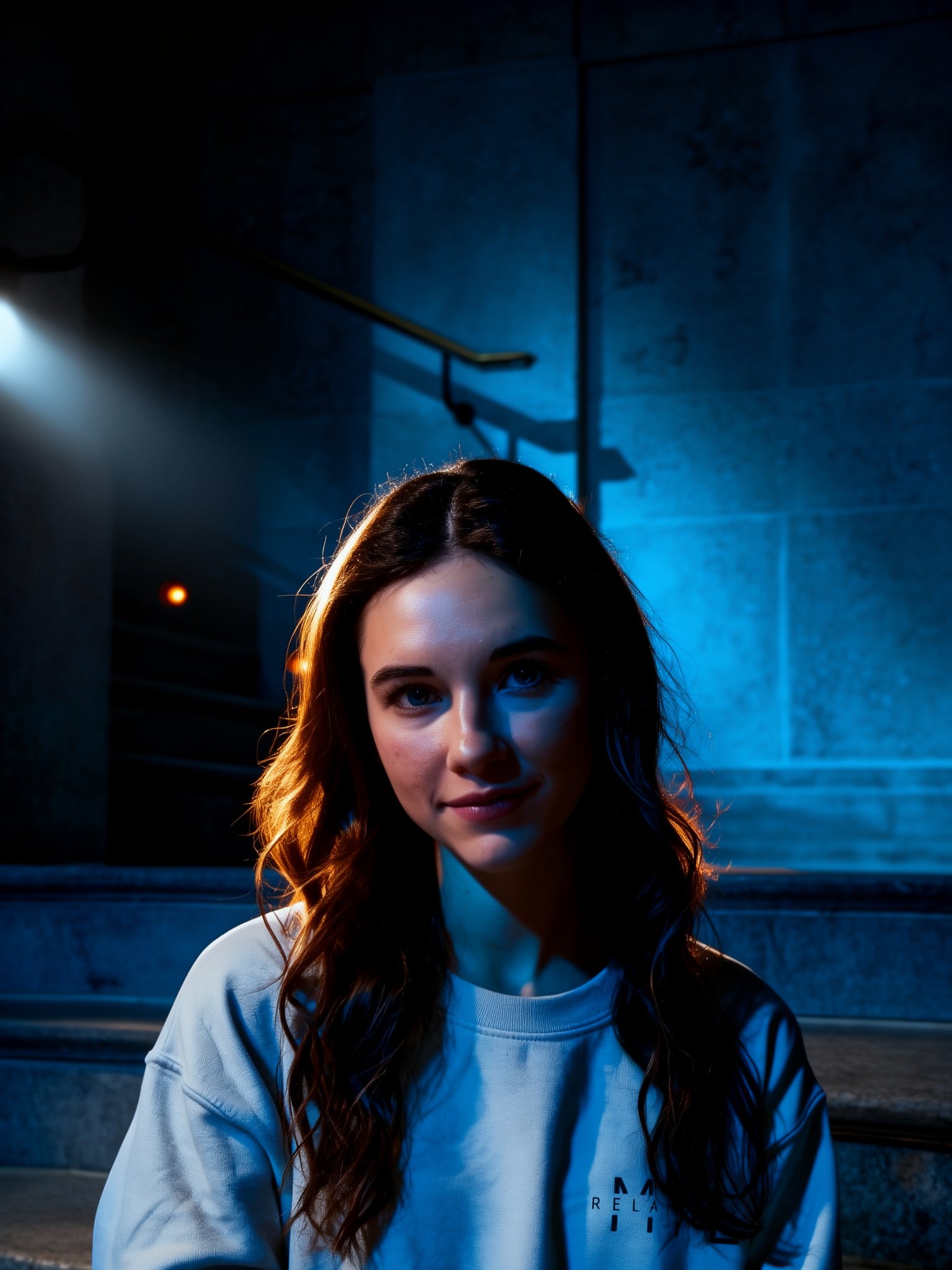
Lighting Transformation (Identity Under Extreme Light Shift)
What this test checks
Both models receive the same portrait and must apply a dramatic cinematic night relight while preserving identity, expression, pose, clothing, and scene structure.
Verdict:
Seedream 5.0 LiteWhy this winner
Seedream 5.0 Lite makes fewer unwanted changes overall, preserving the woman, the setting, and the camera relationship better. FLUX.2 Flex gets closer to the requested lighting direction, but alters too much of the image.
Tradeoff
FLUX.2 Flex is actually closer to the relighting brief itself. It loses because the preservation damage is too high.
Object removal and scene cleanup
Check the erased area and any unintended changes around it.
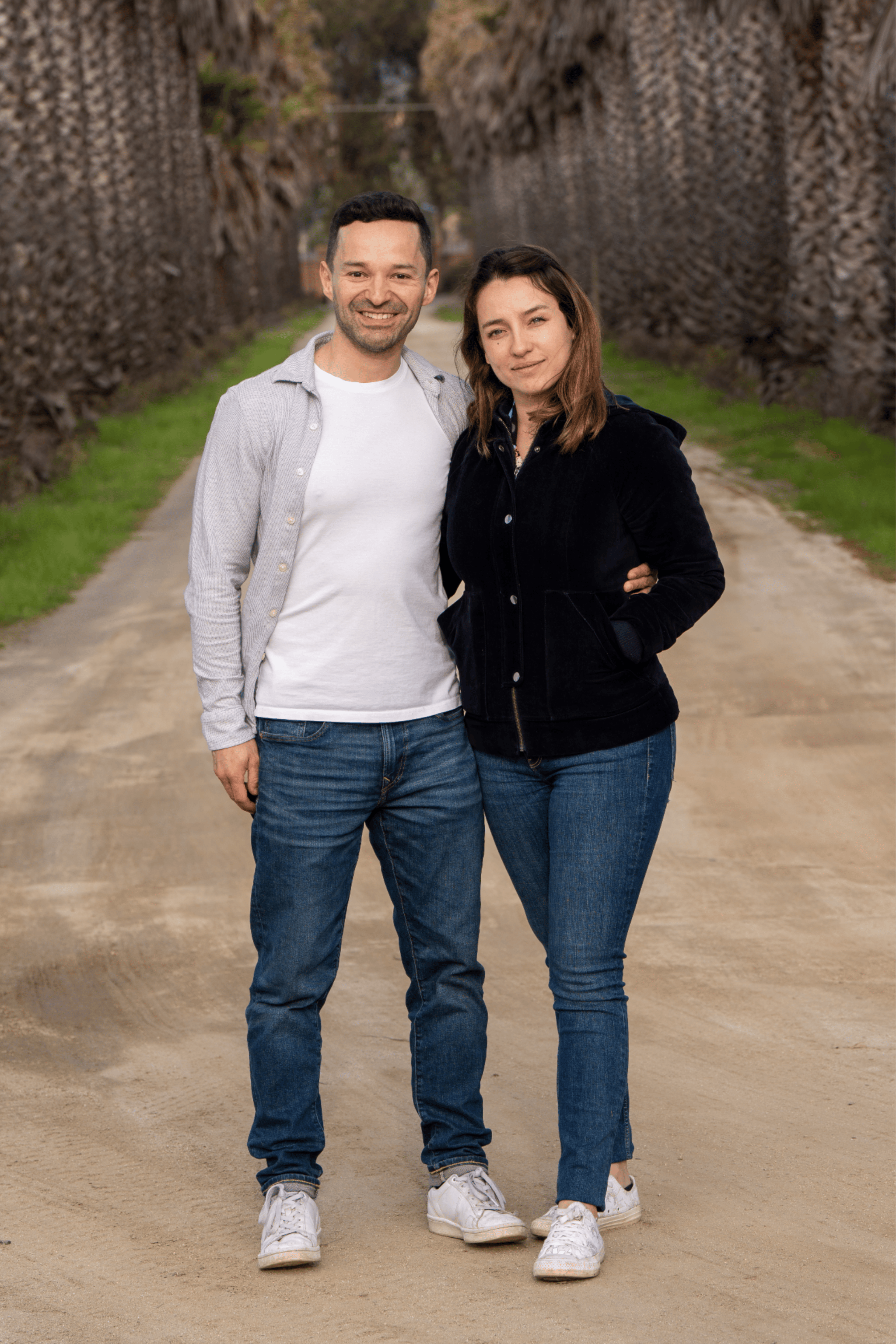
Person Removal (Object Erasure)
What this test checks
Both models receive an image of a couple and must cleanly remove one person while preserving everything else about the scene.
Verdict:
Seedream 5.0 LiteWhy this winner
Seedream 5.0 Lite makes fewer unwanted changes overall, preserving the setting and the remaining subject more faithfully than FLUX.2 Flex.

<- drag to compare ->
Compare input vs
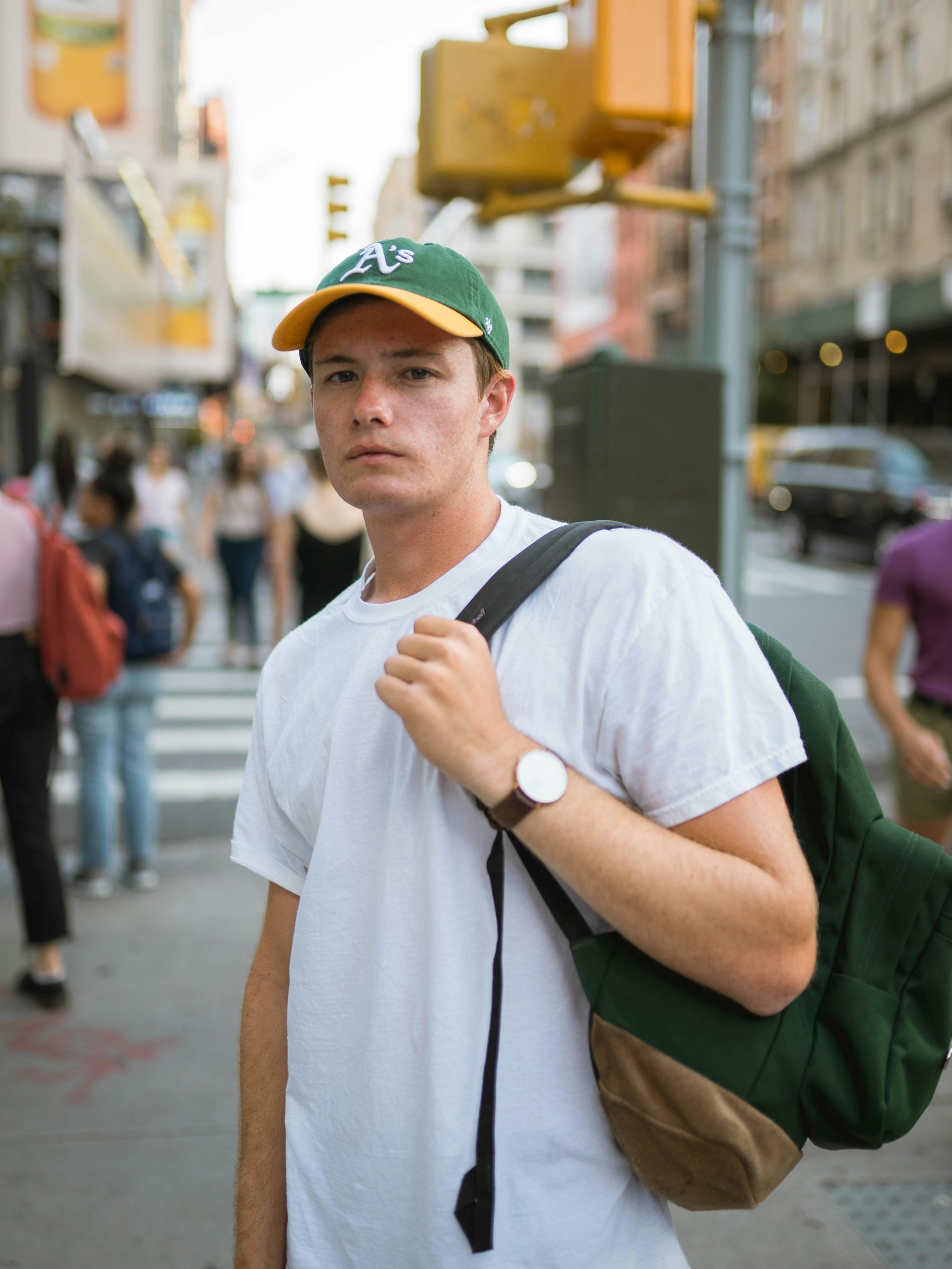
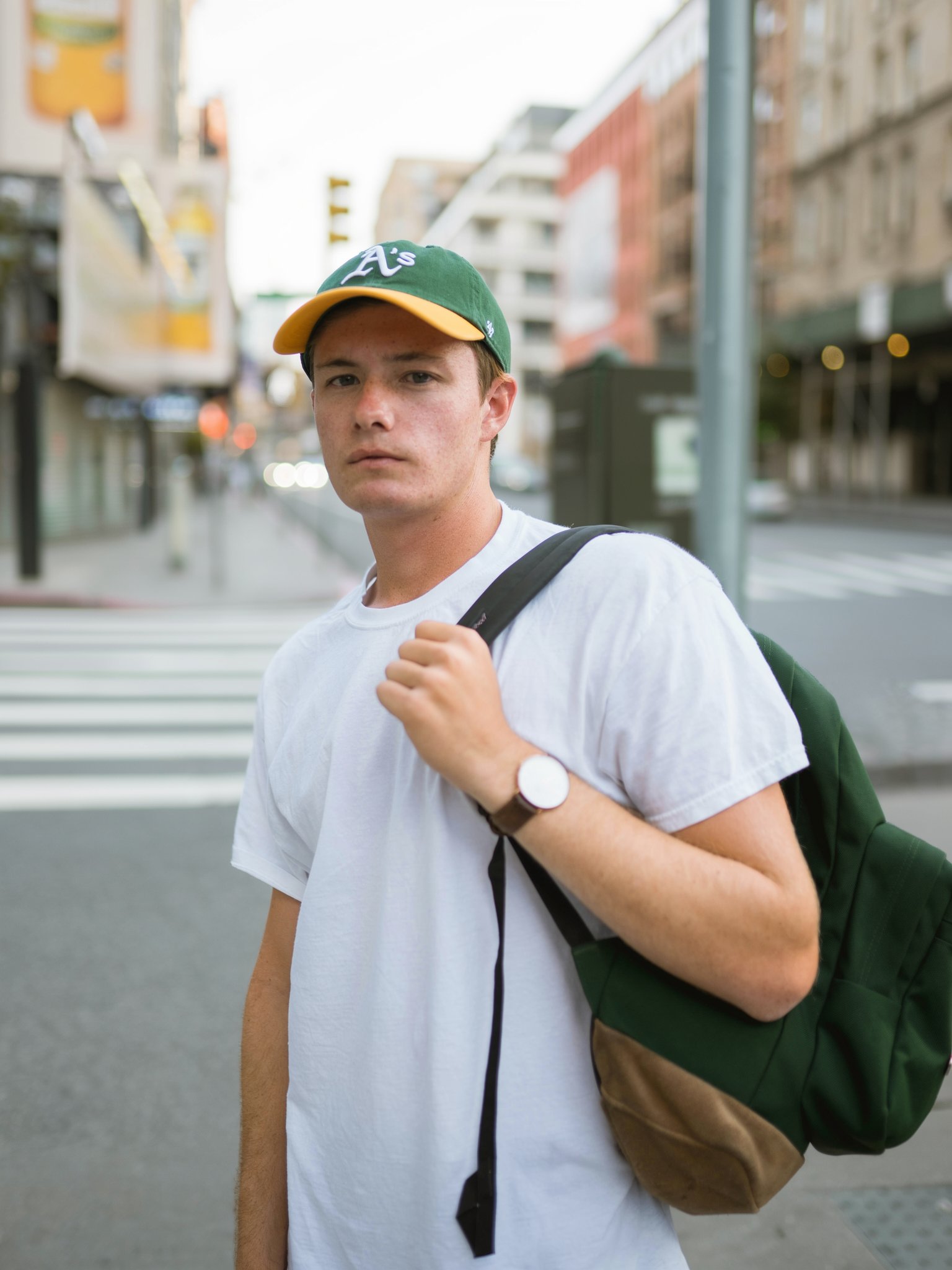
Object Removal (Background Crowd Cleanup)
What this test checks
Both models receive the same street portrait and must remove background people while preserving the subject and reconstructing the environment naturally.
Verdict:
Seedream 5.0 LiteWhy this winner
Seedream 5.0 Lite follows the prompt more closely by removing only the people in the background. FLUX.2 Flex removes other objects that were not requested.
Text replacement
Compare the new wording and the parts of the original image that should stay unchanged.
Text Replacement on Physical Sign
What this test checks
Both models receive a photo of a letter board sign and must replace one word while preserving the sign's physical appearance and surroundings.
Verdict:
Seedream 5.0 LiteWhy this winner
Seedream 5.0 Lite makes fewer unwanted changes, preserving the setting and the sign structure more faithfully than FLUX.2 Flex.


Full comparison details
Follow the linked categories to inspect the evidence.
FLUX.2 Flex
Design-forward marketing visuals, image composition, poster layouts, product-style ads, and one exact identity-preserving edit
Seedream 5.0 Lite
Realistic portraits, landmarks, text-heavy layouts, and the safer default for most workflows
FLUX.2 Flex
Can still surprise when exact subject preservation matters more than polish
Seedream 5.0 Lite
More reliable in five of six edit tests with fewer unintended changes
Realism with people and places
FLUX.2 Flex
Often drifts toward a CGI look in landscapes and humans
Seedream 5.0 Lite
More realistic portraits and more faithful landmark rendering
FLUX.2 Flex
Can do well when exact text is provided, but often hallucinates gibberish otherwise
Seedream 5.0 Lite
More stable on UI, menus, infographics, and logo briefs
FLUX.2 Flex
Can preserve structure, but usually looks more synthetic
Seedream 5.0 Lite
Stronger skin detail and more polished headshots
Prompt sensitivity
FLUX.2 Flex
Needed more retries and benefited from longer, more explicit prompts
Seedream 5.0 Lite
More stable across normal prompt phrasing
FLUX.2 Flex
Better when multiple references need to be composed into one coherent marketing-style scene
Seedream 5.0 Lite
Can handle multiple inputs too, but breaks more often when the composition gets demanding
High-res multi-image scaling
FLUX.2 Flex
Each added input can raise cost, and practical output tops out below Seedream at around 2K
Seedream 5.0 Lite
Does not add per-input-image cost in the same way and can generate larger images than FLUX
Current verdict
FLUX.2 Flex
Interesting specialist for designed marketing visuals, but not the safer default
Seedream 5.0 Lite
Clearer default winner across both generation and editing
How to use these results
- Start with the test closest to your brief. Compare the requested text, composition and reference assignments before judging the overall finish.
- For edits, inspect the original alongside both results. Check the face or product, camera position and areas that should stay unchanged.
- Reuse the exact prompt and shown settings as a starting point. Check current pricing and available settings before generating; verify any factual text yourself.
Which model should you choose?
Seedream 5.0 Lite
Choose it for realistic people, landmarks, text-heavy layouts and reliable editing. It won five of six edit tests and was materially cheaper for high-resolution work with input images.
FLUX.2 Flex
Try it for designed ads, posters and multi-image compositions. It also won the exact identity-preserving background swap, but needed more explicit prompts and retries.
Need several versions of the same creative? Explore batch image generation