HummingBytes benchmark · Tested May 2026
Seedance 2.0 vs Veo 3.1
Compare motion, dialogue and camera control in our reviewed 1080p clips. Seedance 2.0 won most of these tests; Veo 3.1 had faster average 1080p runs.
Compare video modelsSeedance 2.0 · Product Reveal (Wristwatch)
Fast verdict
Most flexible
Seedance 2.0
Start here for the reviewed 1080p quality winner, longer clips, flexible aspect ratios, and reference-driven workflows.
Veo-specific advantages
Veo 3.1
Better when the job specifically needs faster 1080p completion, built-in audio generation, or API-level seed and negative-prompt support.
Choose what to compare
Follow a criterion to inspect the supporting clips. Results describe this test set.
Seedance 2.0
Closer to the requested wristwatch camera path.
Veo 3.1
Polished imagery, less faithful camera movement.
Seedance 2.0
More natural speech within the platform ambience.
Veo 3.1
Stronger direct-to-camera delivery, less faithful eye contact.
Seedance 2.0
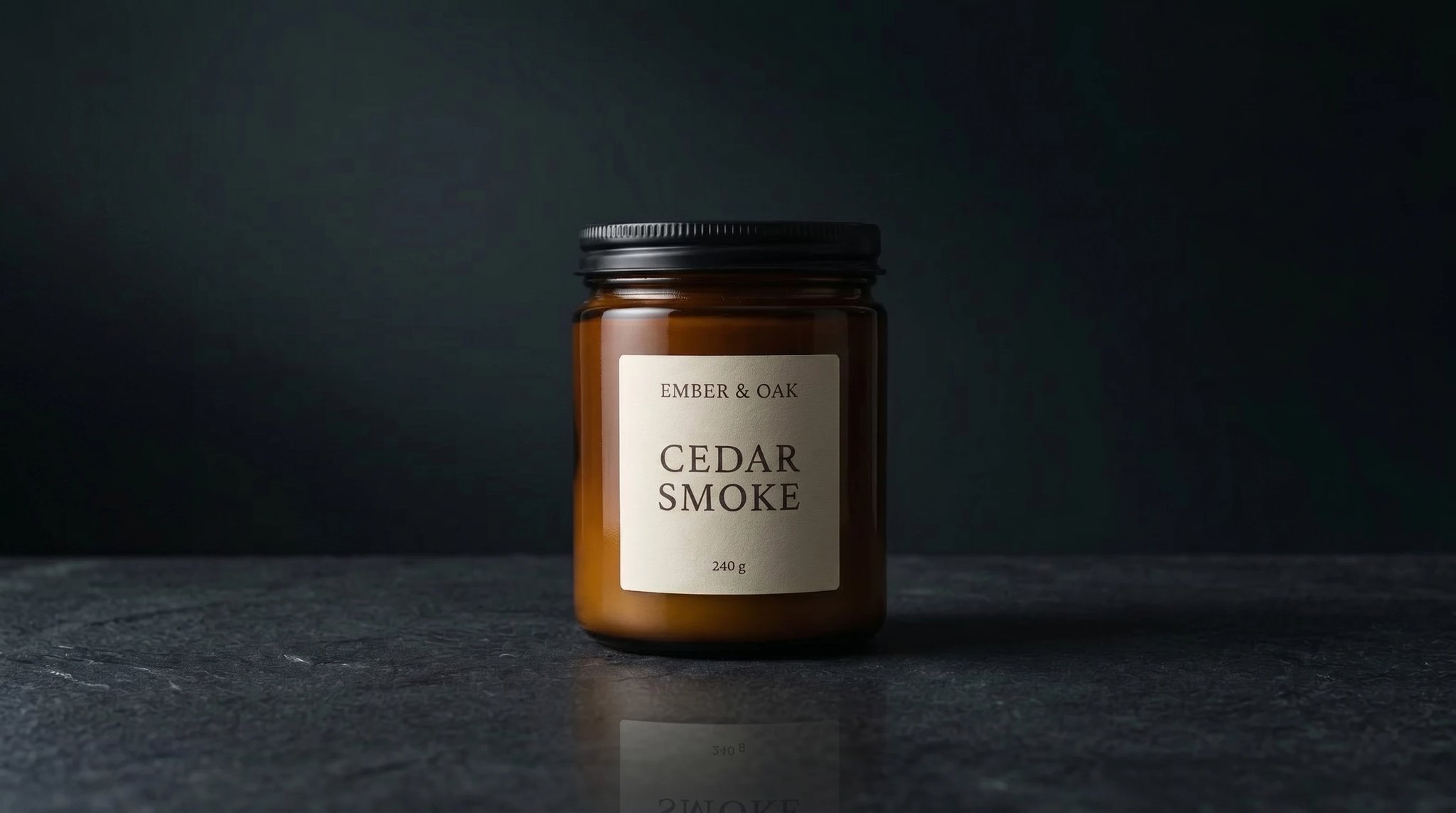
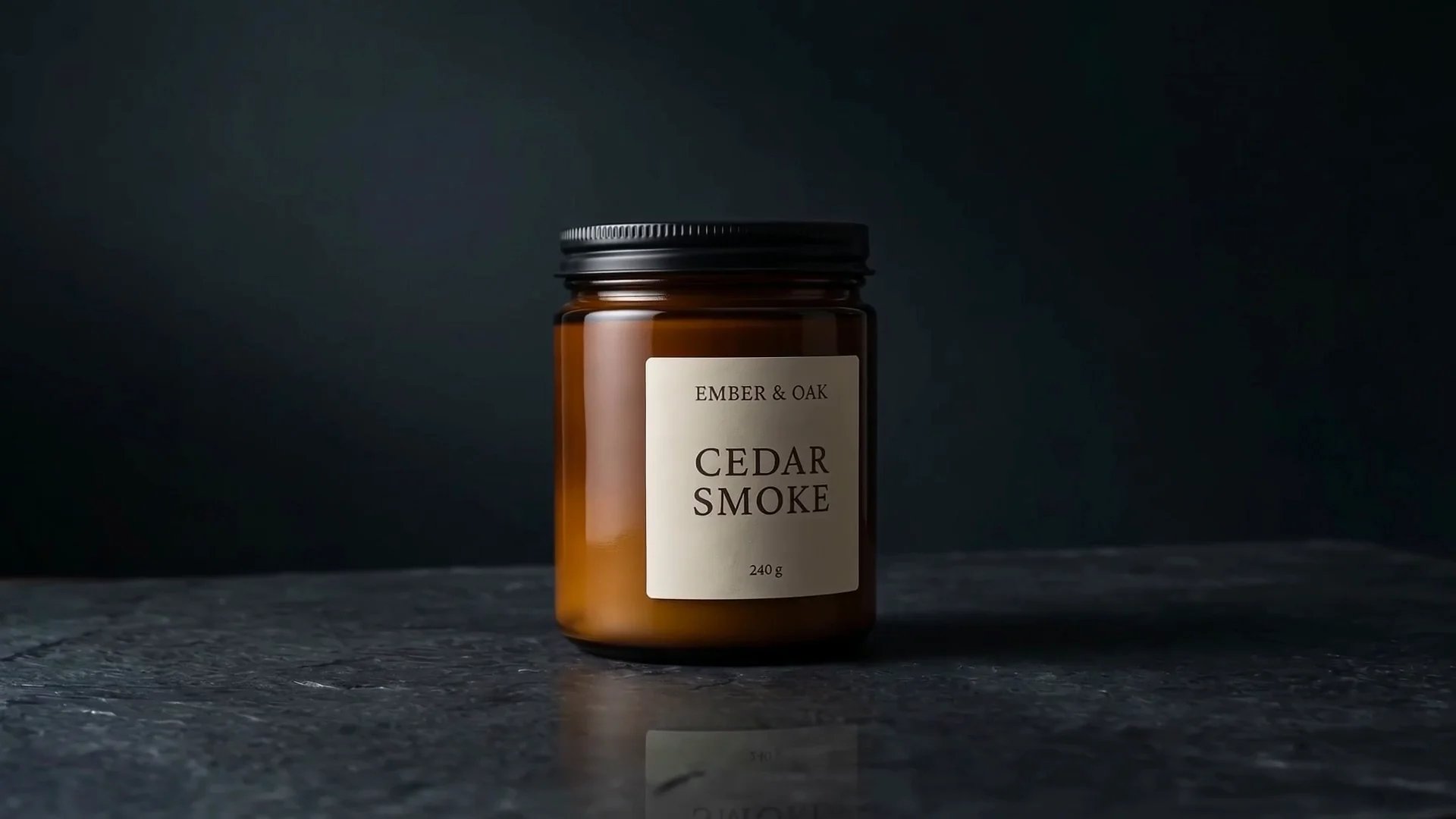
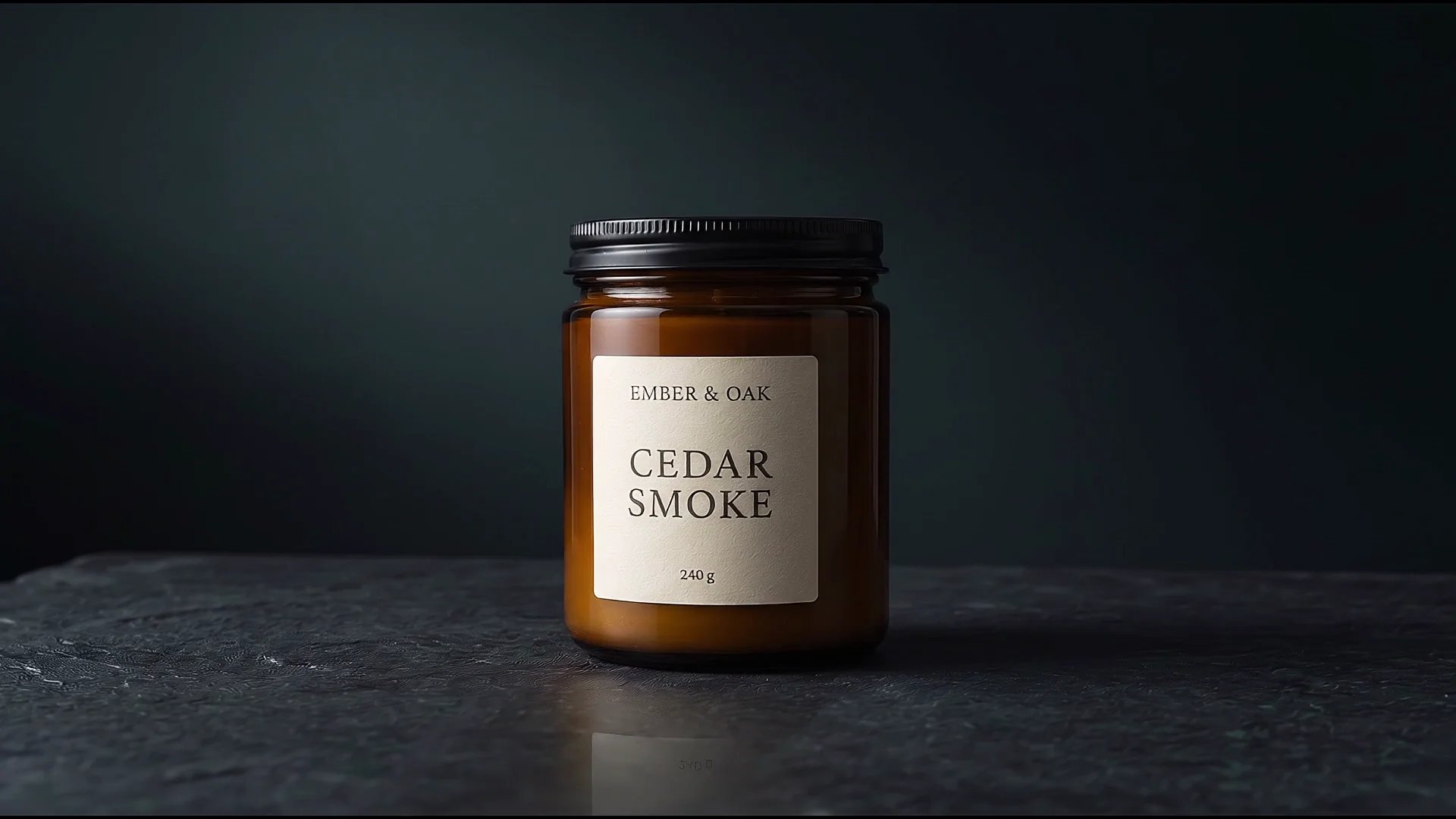
Steadier candle identity and presentation.
Veo 3.1
Glossier finish, with more zoom and background changes.
Seedance 2.0
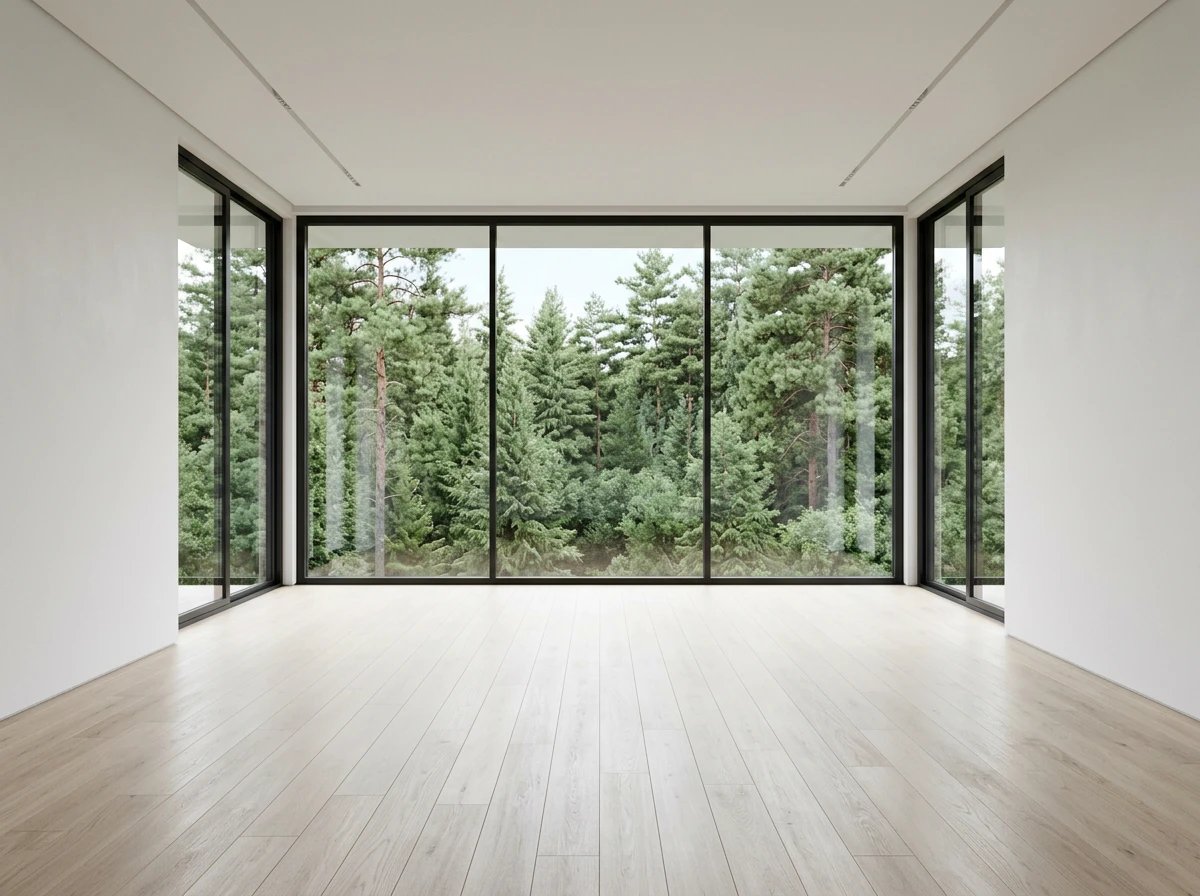
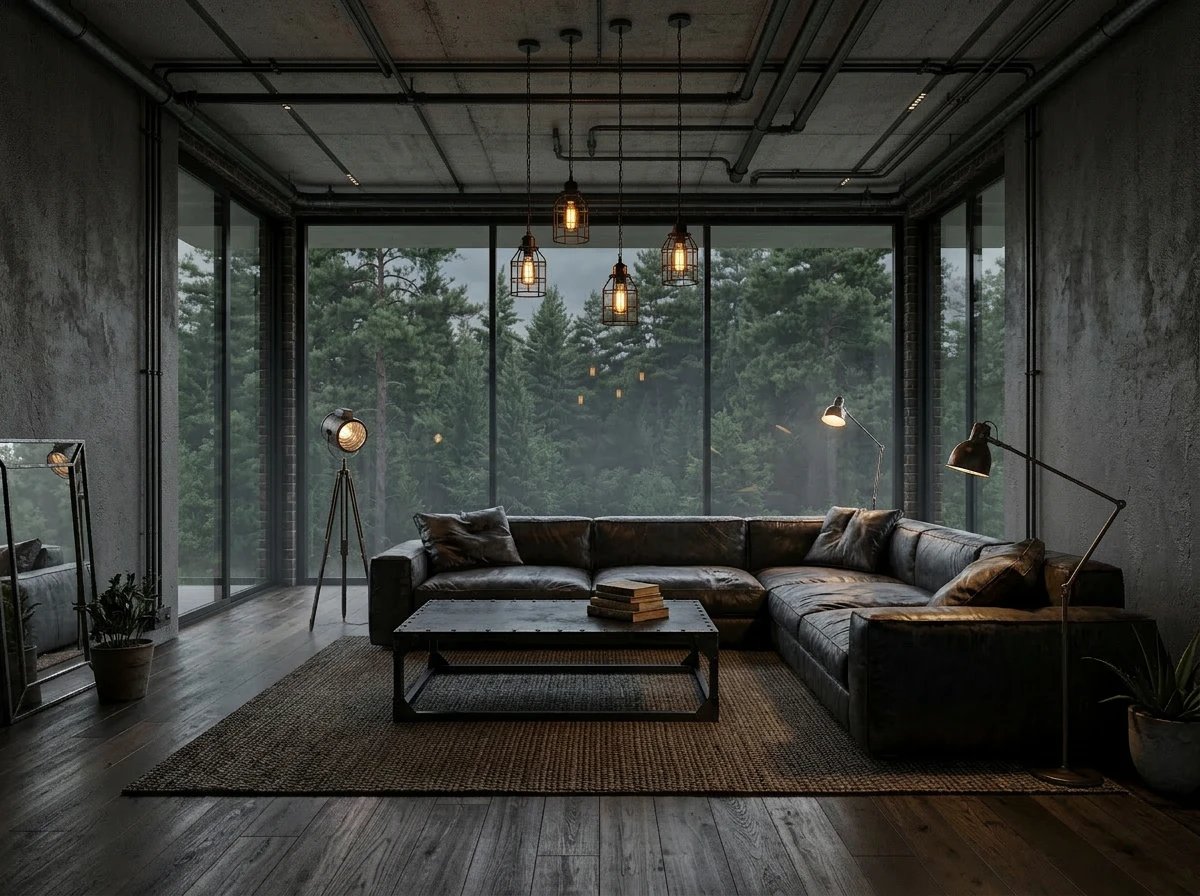
Smoother furnishing of the room.
Veo 3.1
Stronger industrial sound, less stable visual progression.
Seedance 2.0
Separate 15-second, ultrawide and square examples.
Veo 3.1
These are Seedance demonstrations, not matched Veo tests.
About these tests
We compared Seedance 2.0 outputs with existing Veo 3.1 renders using matched 1080p prompt families. Single-model capability examples are labeled separately.
The clips are from our May 2026 review. Timing figures describe the recorded HummingBytes sample, not a delivery-time guarantee.
Full testing details
We reused the same prompt families from the Veo 3.1 benchmark, generated matched Seedance 2.0 assets for the available tests, and compared those outputs with the existing Veo 3.1 renders. After review, Seedance 2.0 won most of the 1080p benchmark challenges. The 1080p speed claim uses current HummingBytes production data: 140s average for Veo 3.1 versus 197s for Seedance 2.0.
Matched video prompts across production-style scenes.
Each section compares the same prompt family across Seedance 2.0 and Veo 3.1. Seedance 2.0 wins most reviewed 1080p challenges, while Veo 3.1 keeps specific delivery and control advantages.
- Product reveal and controlled camera motion
- Dialogue and ambient audio scenes
- Multi-subject constraints and narrative sequencing
- Image-to-video reference guided motion
- First-and-last-frame transition behavior
- Seedance-specific multi-format capability examples
- 4K delivery support and control surface differences
Text-to-Video Control
Product and dialogue scenes that stress camera motion, material stability, and performance coherence.
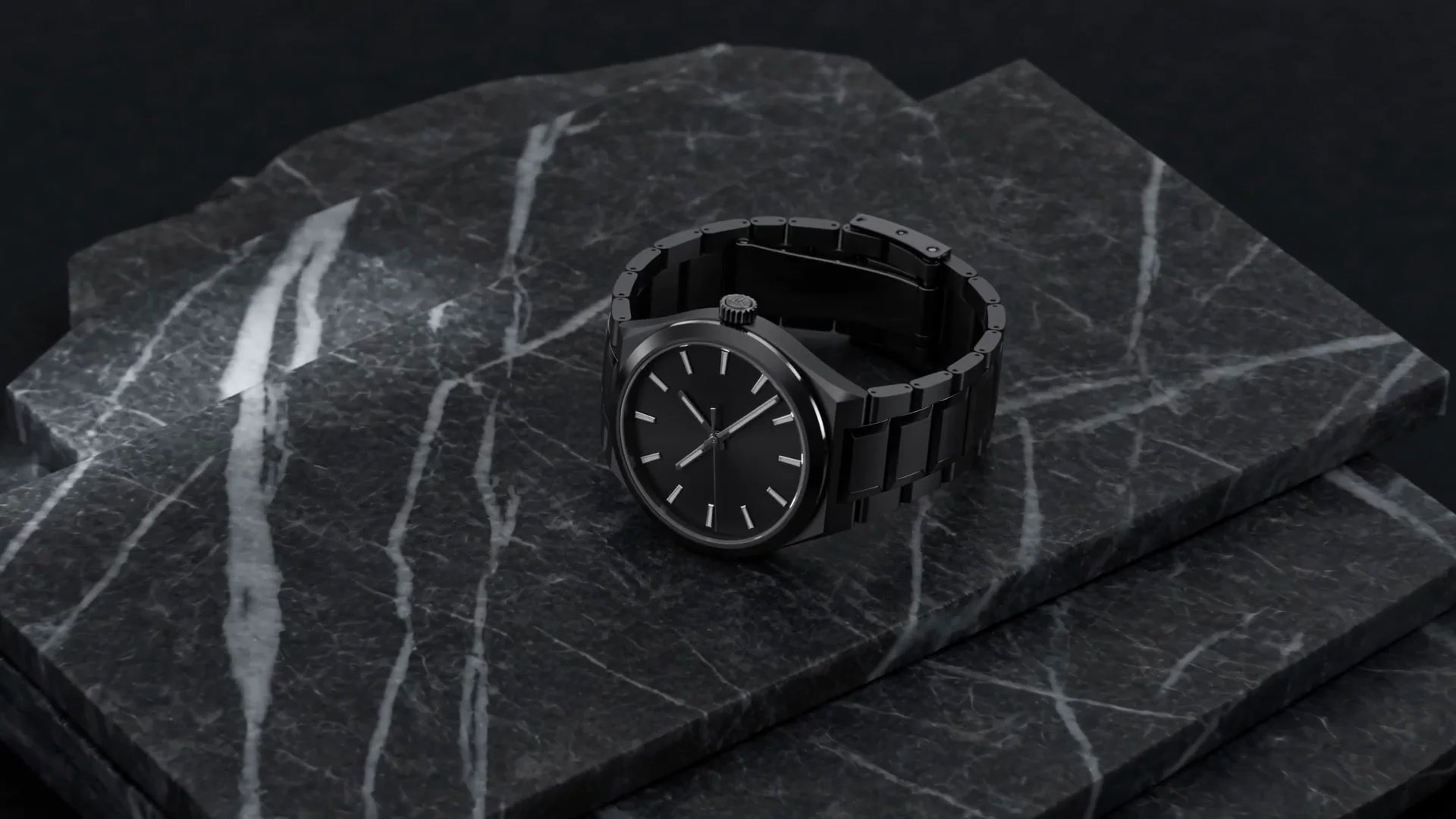
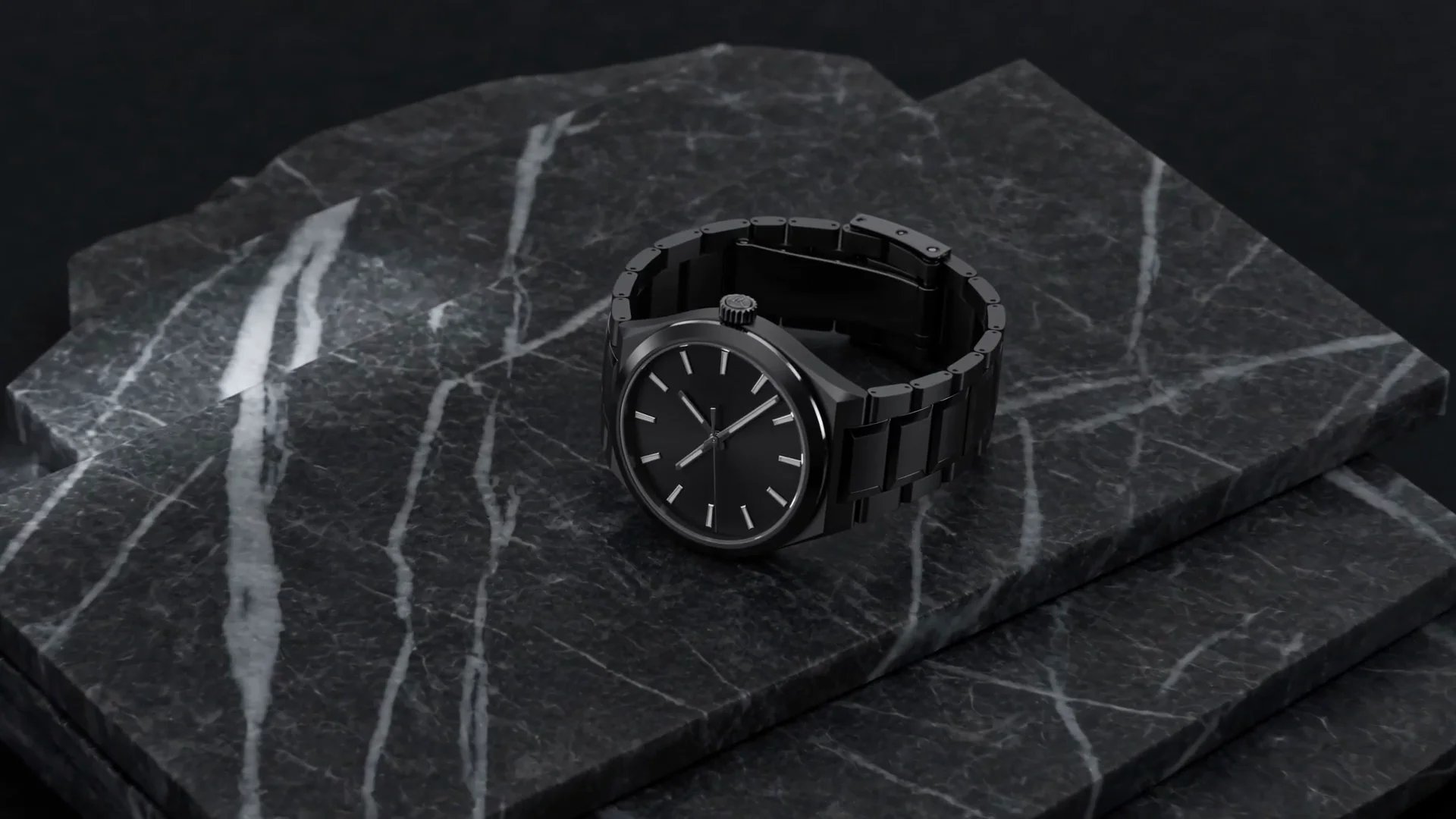
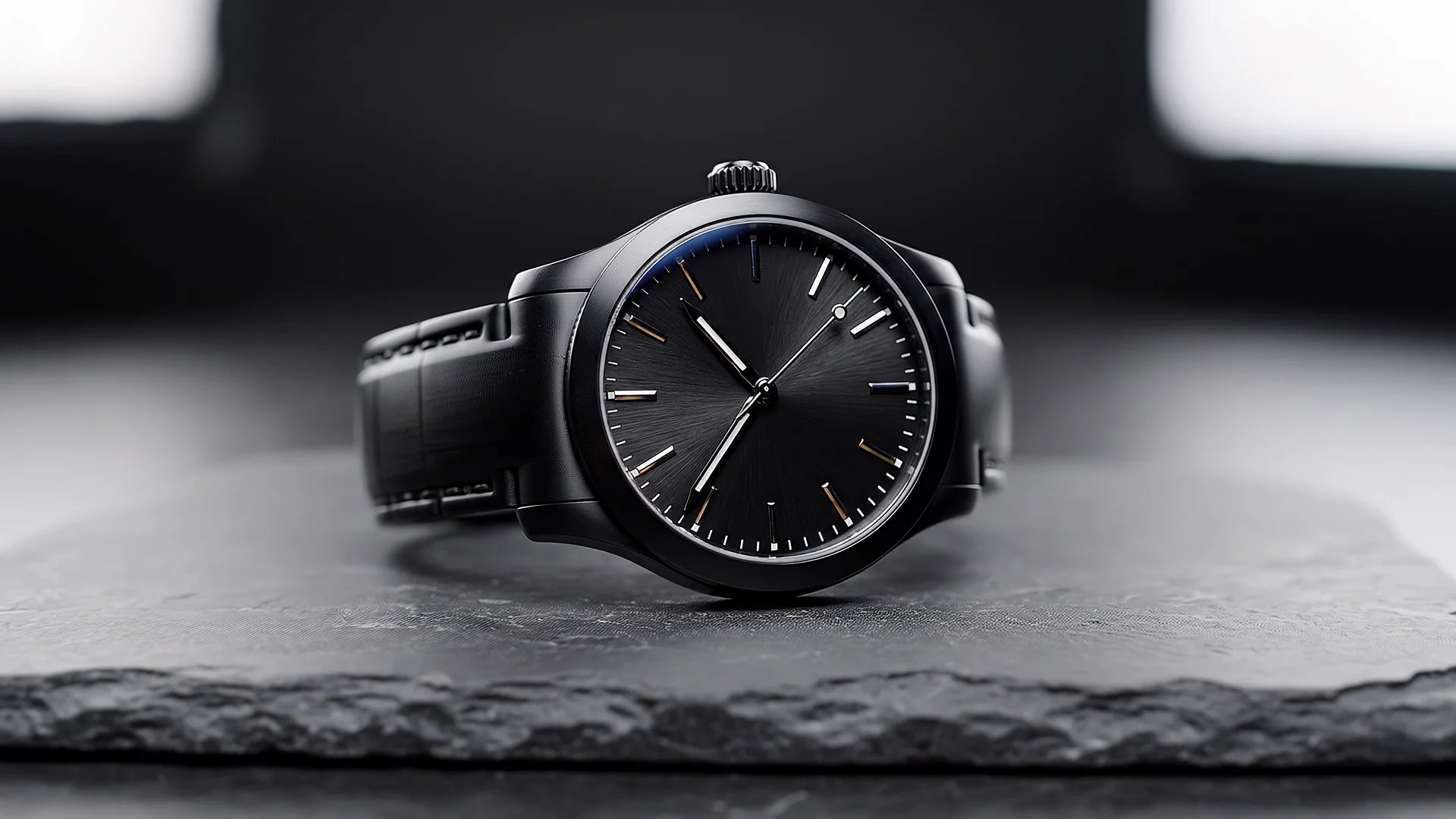
Product Reveal (Wristwatch)
What this test checks
Checks material surface reflections, fine details, and rotation/dolly-in path stability. This classic product showcase exposes micro-flicker, dial drift, and edge stability on high-end objects.
Verdict:
Seedance 2.0Why this winner
Seedance 2.0 better follows the requested overhead-to-three-quarter reveal and keeps the watch anchored in a product-showcase composition. Veo 3.1 looks polished, but its camera path feels less faithful to the prompt.
Tradeoff
Seedance 2.0 misses the faint mechanical crown click requested in the prompt and replaces that cue with background music, so this is a visual-composition win rather than an audio-adherence win.
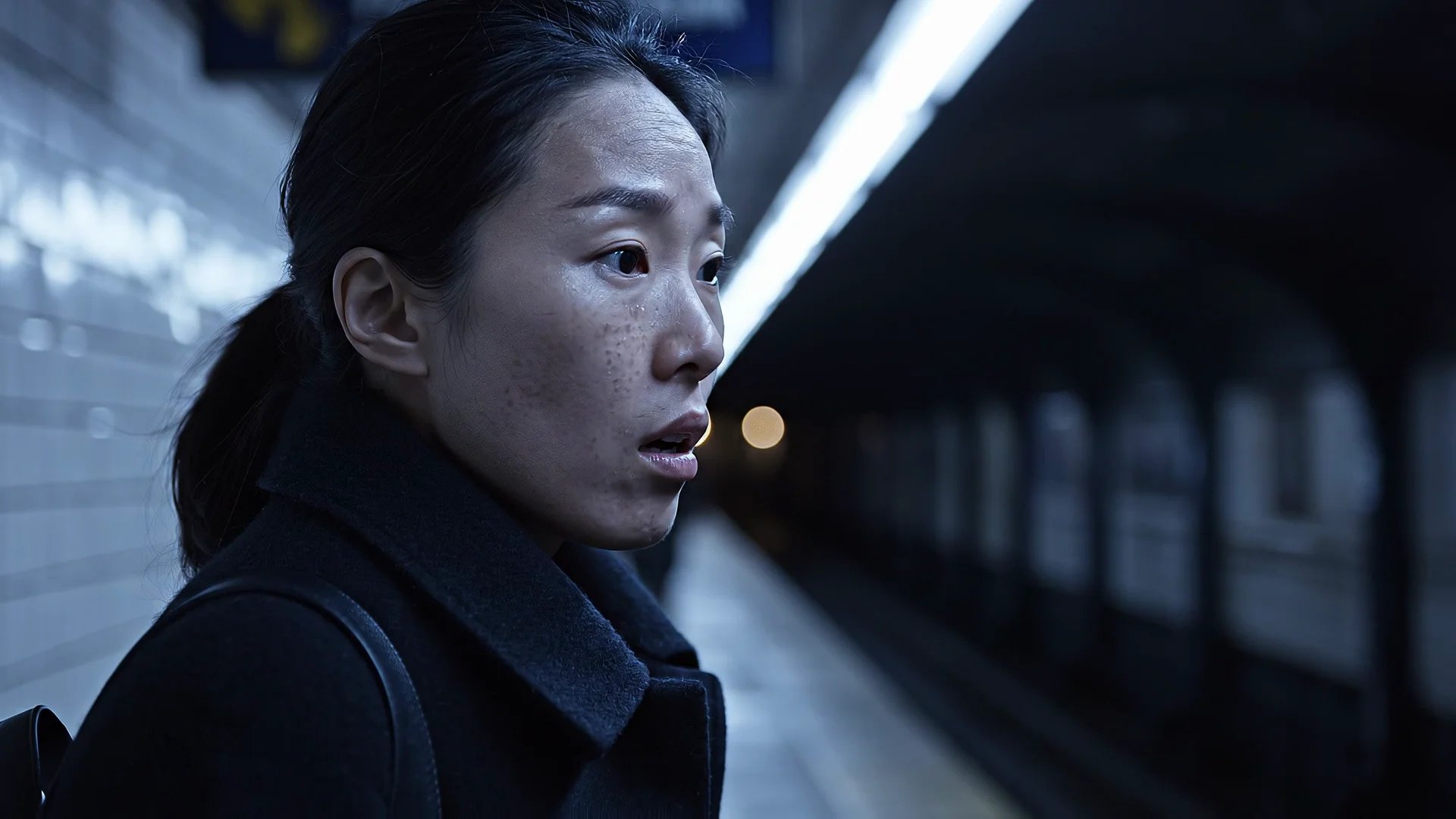
Subway Dialogue (Motion Sync & Lip Sync)
What this test checks
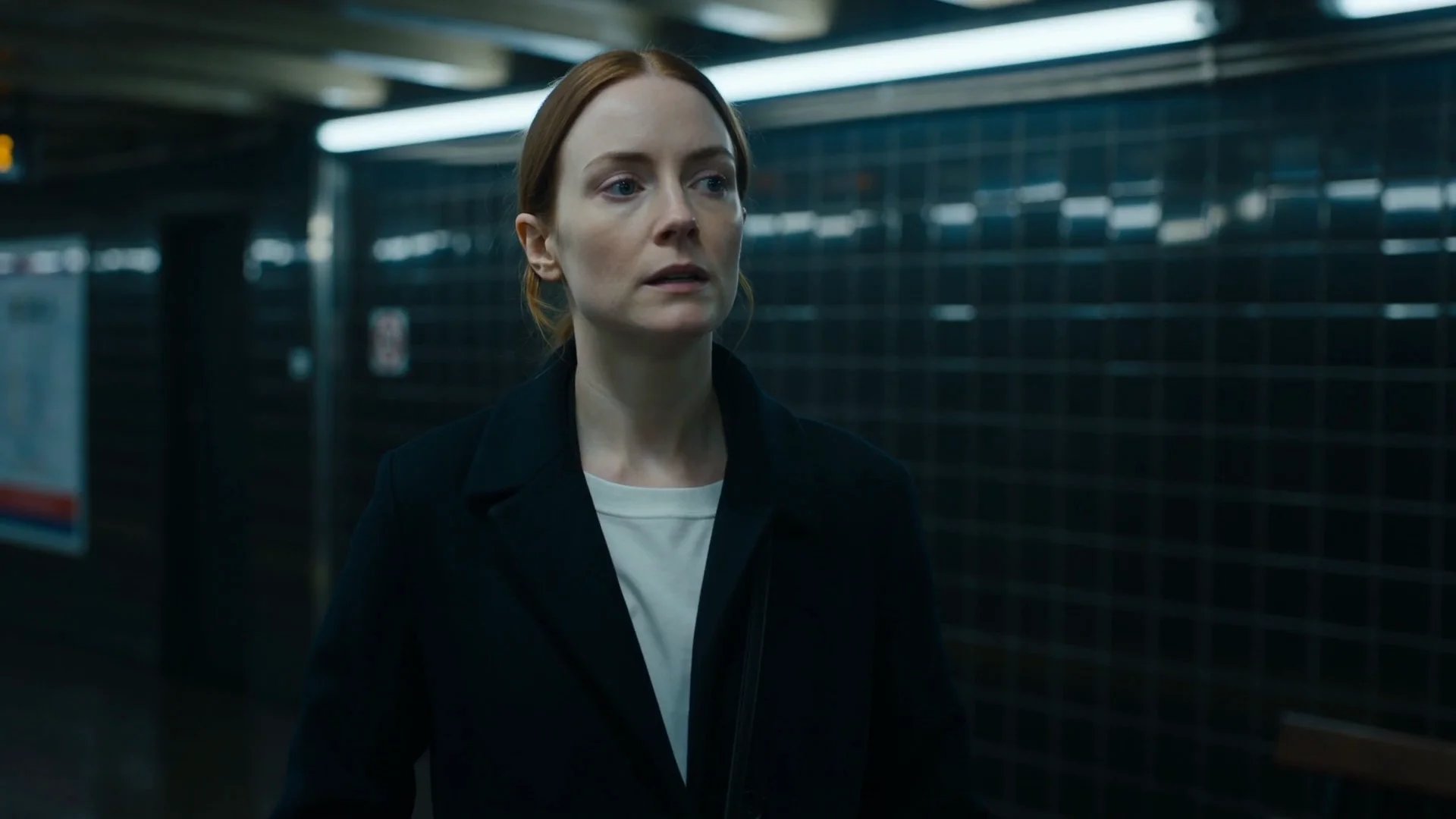
Tests temporal coherence of human movement, camera panning in a narrow space, and how each model handles a dialogue-driven performance.
Verdict:
Seedance 2.0Why this winner
Seedance 2.0 has the slight edge because the speech sits more naturally inside the platform ambience, the woman looks slightly off-camera as requested, and the visible breath feels more restrained. Veo 3.1 delivers a stronger direct-to-camera dialogue moment, but the eye contact and heavier vapor make it less faithful to the prompt.
Audio, Dialogue, and Atmosphere
Scenes where generated audio, ambiance, and motion need to feel connected.
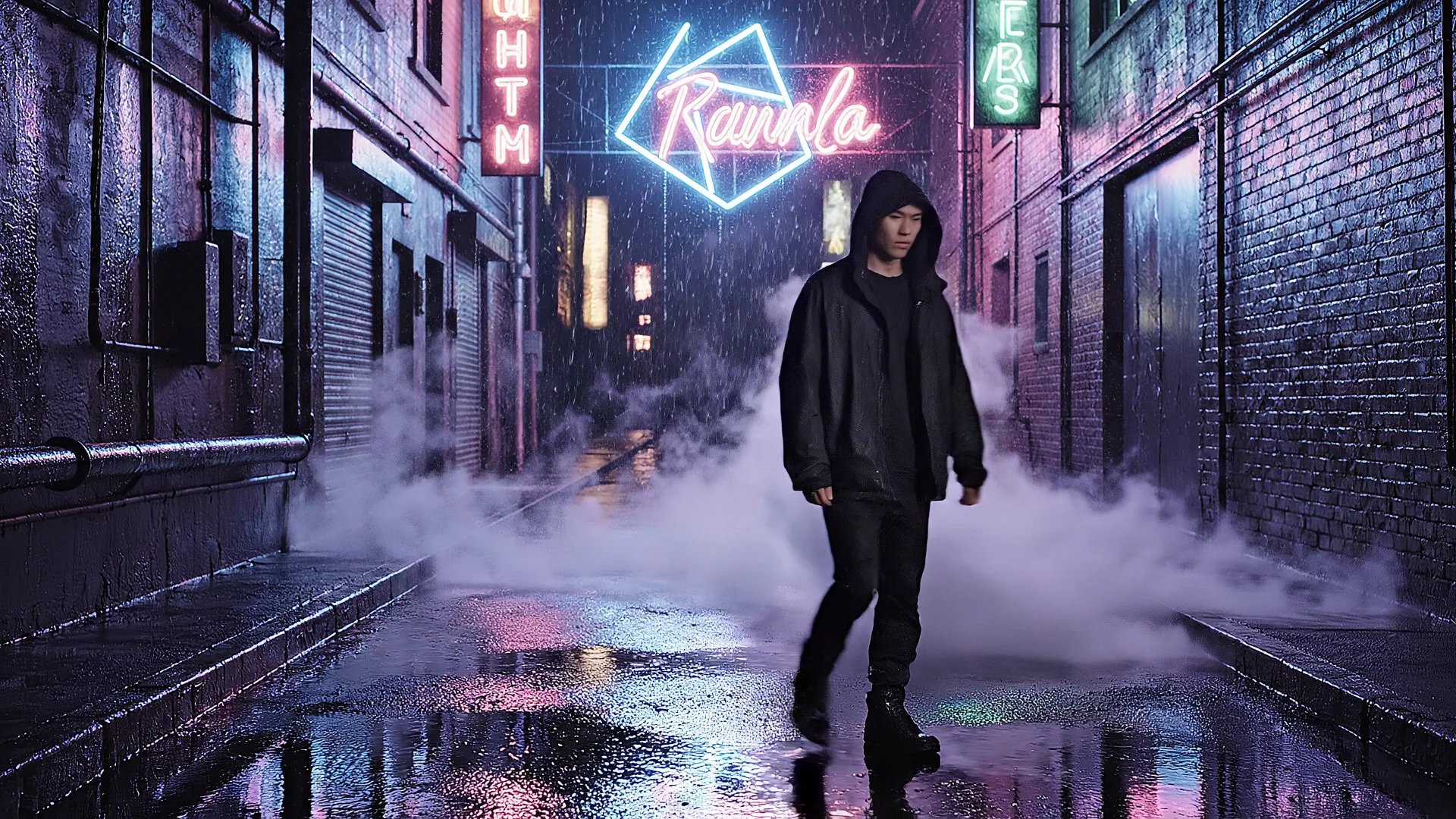
Neon Alley Atmosphere (Ambiance & Audio)
What this test checks
Checks dense urban detail rendering, restrained camera motion, atmospheric lighting, and ambient sound cues such as rain, buzz, footsteps, and distant traffic.
Verdict:
Seedance 2.0Why this winner
Seedance 2.0 is closer to the restrained wide, low-angle alley prompt. Veo 3.1 has more saturated spectacle, but it pushes the figure too large in the frame and introduces readable signage, which weakens prompt adherence.

Narrative Sequencing
Tests that reveal whether the model can preserve object counts, causality, and continuity across the shot.
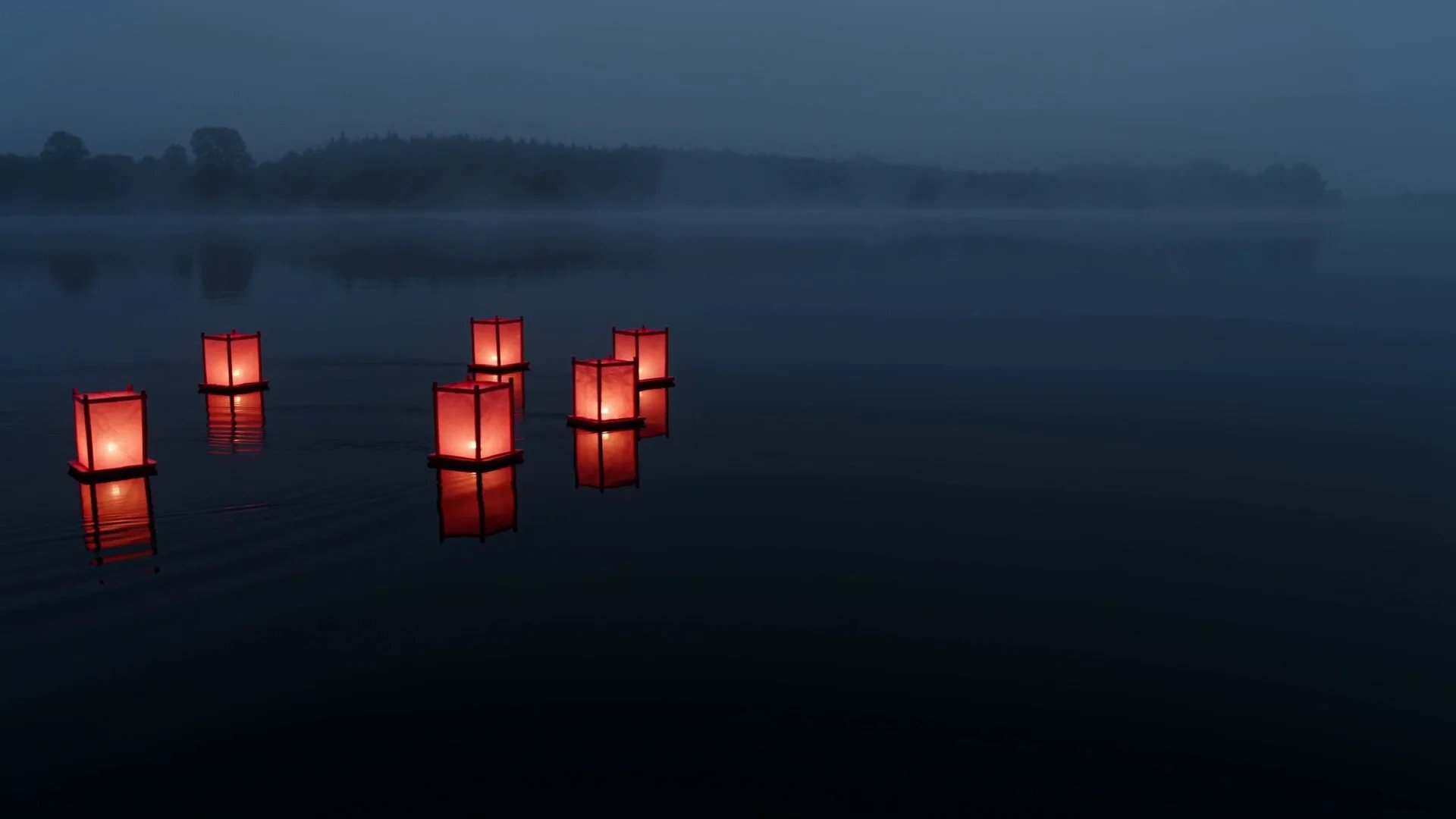
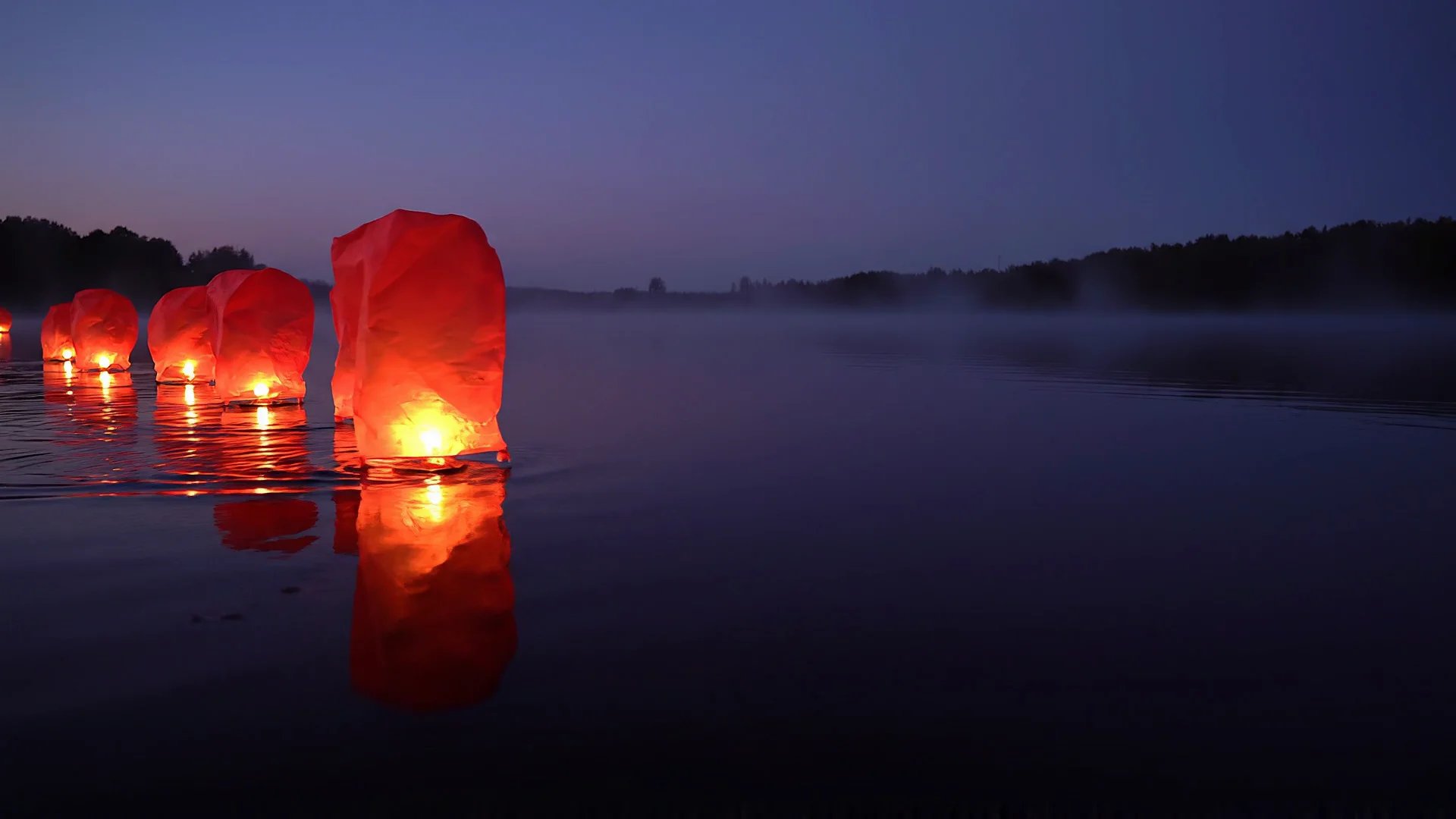
Lantern Constraint (Multi-Subject Consistency)
What this test checks
A multi-subject consistency and spatial constraint test tracking the exact count and movement of multiple drifting objects.
Verdict:
Seedance 2.0Why this winner
Seedance 2.0 gets the slight preference because its audio is closer to the requested quiet lake atmosphere and the lanterns drift cleanly from left to right. Veo 3.1 also meets most of the scene requirements, but its ambience is heavier and the lantern motion pushes forward as well as sideways.
Data Chip Sequence (Macro Camera Panning)
What this test checks
Macro camera panning across a complex micro-texture surface, testing close-up focus pull, object extraction, and sudden movement pacing.
Verdict:
Seedance 2.0Why this winner
Seedance 2.0 has the edge because the audio cues track the prompt more closely, the shot keeps the data chip singular, and the camera movement feels more deliberate and professional. Veo 3.1 better shows the candlelit desk and floating-dust atmosphere, but it introduces two chips and its camera movement feels more repetitive.


Reference Guided Motion
Image-to-video checks for identity preservation, product geometry, and reference fidelity.
Image-to-Video Reference Guided Motion
What this test checks
Tests the capability of keeping a reference image's subject and details consistent while generating realistic motion.
Verdict:
Seedance 2.0Why this winner
Seedance 2.0 keeps the candle presentation steadier and preserves the reference identity more consistently through the move. Veo 3.1 looks glossy, but it over-zooms and changes the background feel more aggressively.
First & Last Frame Transition
A transition benchmark for models that need to converge from a starting frame to a target ending frame.
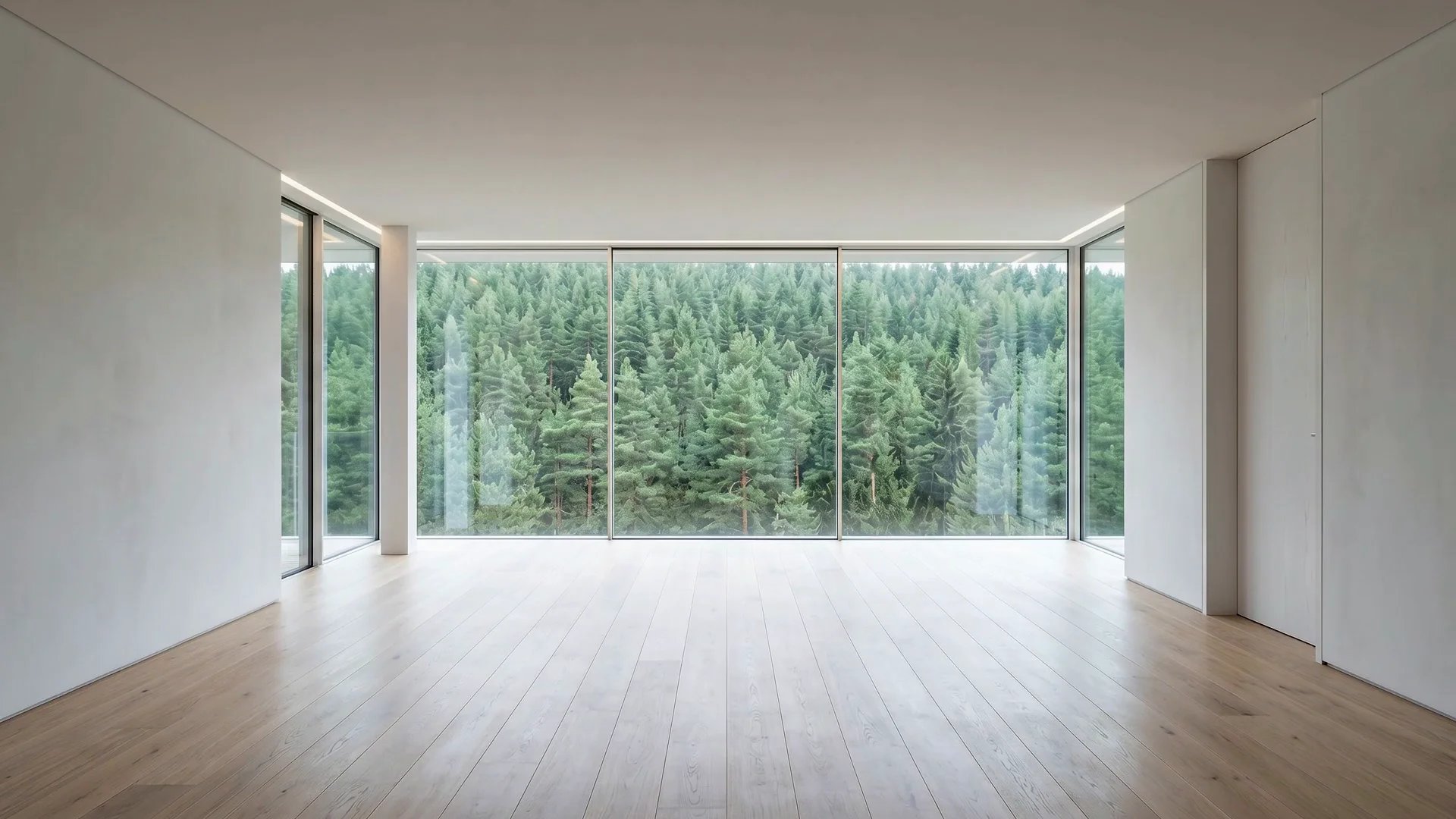
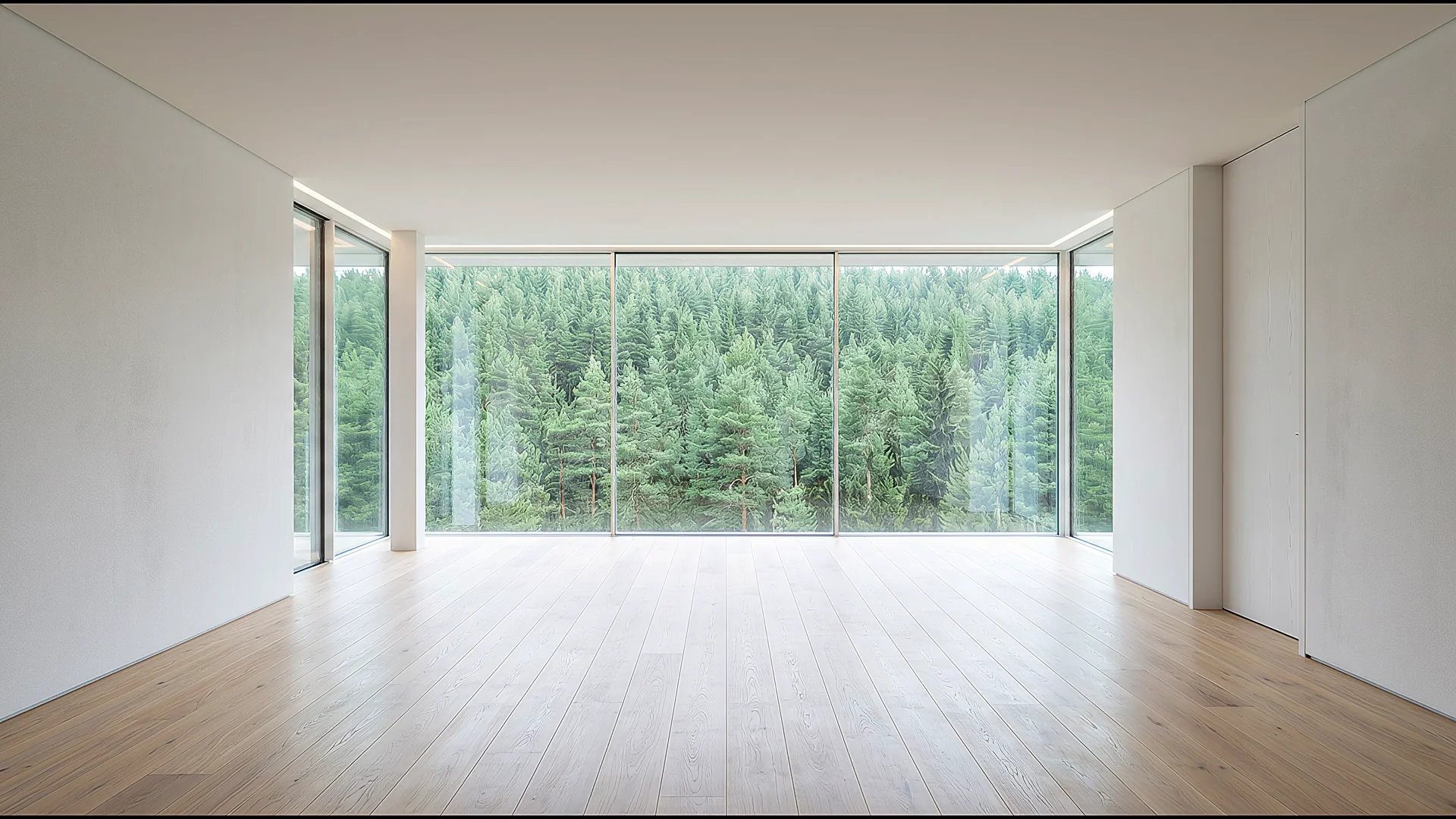
First & Last Frame Room Transition
What this test checks
Tests how accurately the model can preserve room geometry while transitioning from an empty interior to a fully furnished target scene using paired guidance frames.
Verdict:
Seedance 2.0Why this winner
Seedance 2.0 wins because the room changes from empty to furnished more smoothly and avoids adding furniture or decor only to remove it later. Veo 3.1 has the better industrial sound bed, especially the metallic cues, but the visual transition is less stable.
Longer clips and broader formats that Seedance can generate directly.
These are Seedance-specific examples rather than matched Veo 3.1 quality tests. They show where Seedance 2.0 expands the production surface: 15-second clips, ultrawide video, square social loops, shot-labeled multi-scene prompts, construction-style progression, and broader reference-driven workflows.
- 15-second clips for multi-beat product stories.
- Ultrawide 21:9 output for cinematic banners and wide campaign placements.
- Square 1:1 output for feed-native social creative.
- Timed multi-shot scene progression from setup through final reveal.
- Shot-labeled multi-scene prompts and reference-heavy workflows for complex production briefs.
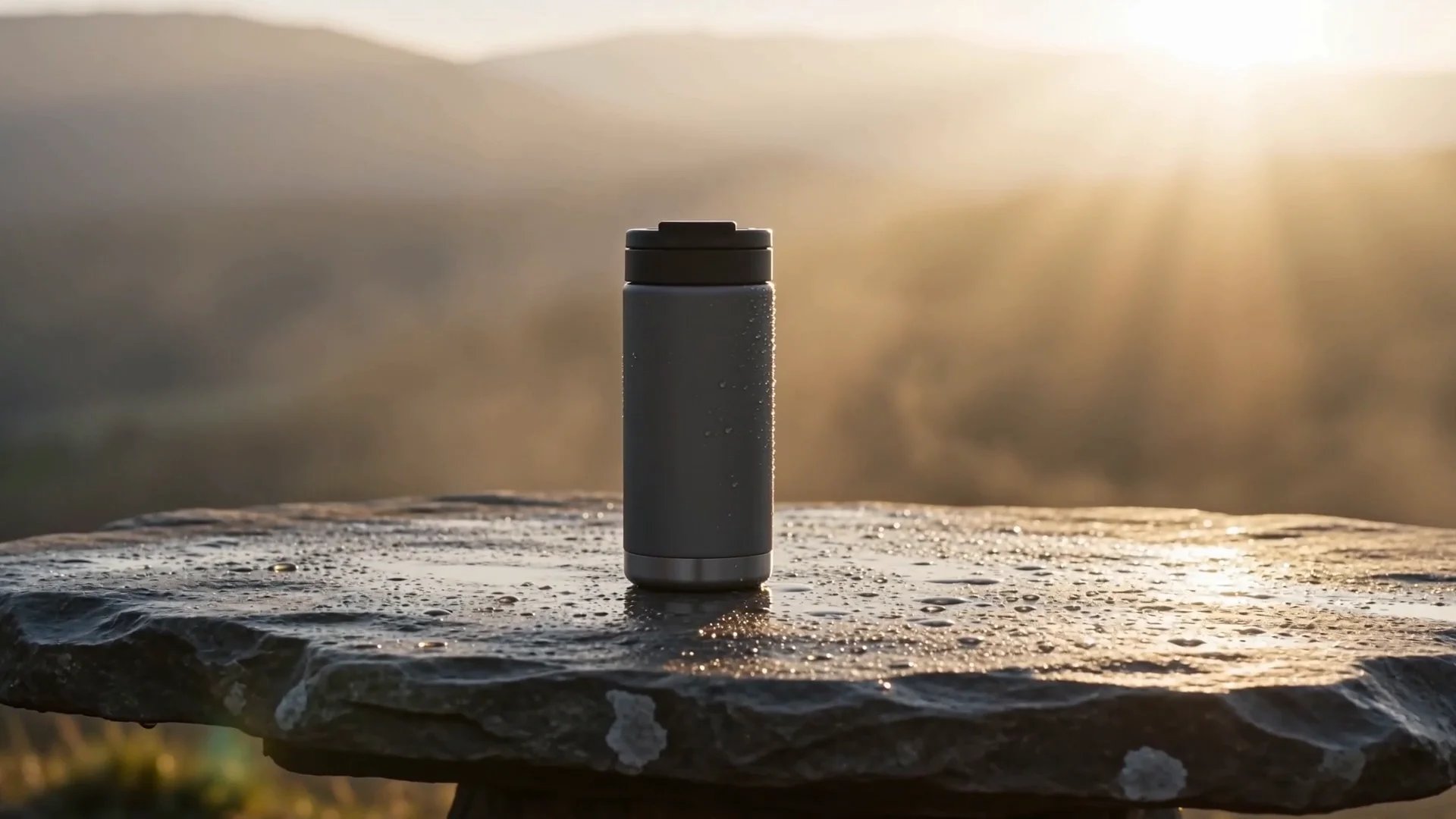
Fifteen-Second Product Story
What this test checks
A Seedance-specific capability example showing a longer 15-second product-film arc with multiple beats in one generation.
Verdict:
Seedance 2.0Why this winner
Seedance 2.0 is the capability winner for this example because it supports clips up to 15 seconds. Use this when the shot needs a complete product story instead of a shorter single-beat video.
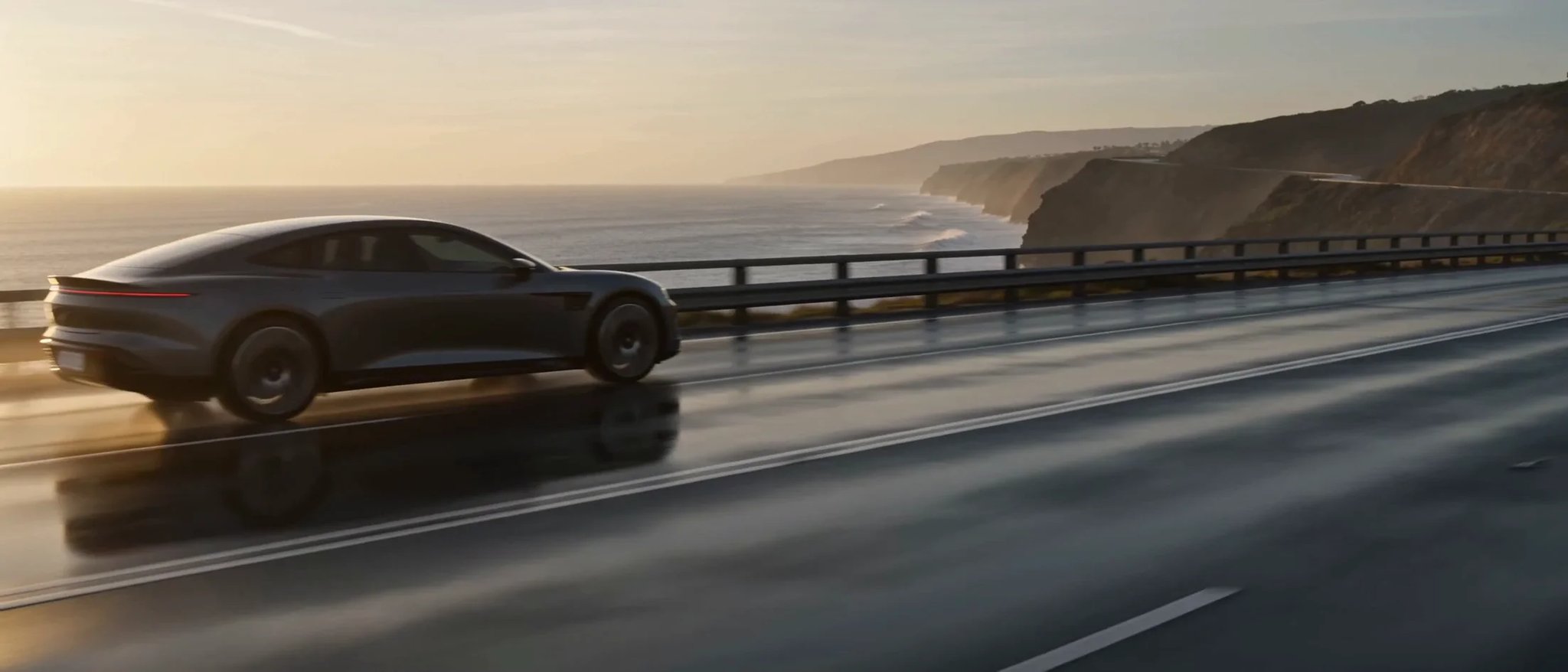
Ultrawide Coastal Drive
What this test checks
A Seedance-specific capability example showing a 21:9 automotive clip for cinematic banners and wide campaign placements.
Verdict:
Seedance 2.0Why this winner
Seedance 2.0 is the capability winner here because it can produce ultrawide clips directly. This matters for hero banners, wide product reels, and cinematic placements that should not start as cropped 16:9 video.
Square Product Loop
What this test checks
A Seedance-specific capability example showing a 1:1 social product loop for feed-native creative.
Verdict:
Seedance 2.0Why this winner
Seedance 2.0 is the capability winner for square output because it can generate a feed-native 1:1 clip directly, which avoids resizing a landscape video after generation.

Modern House Construction Build
What this test checks
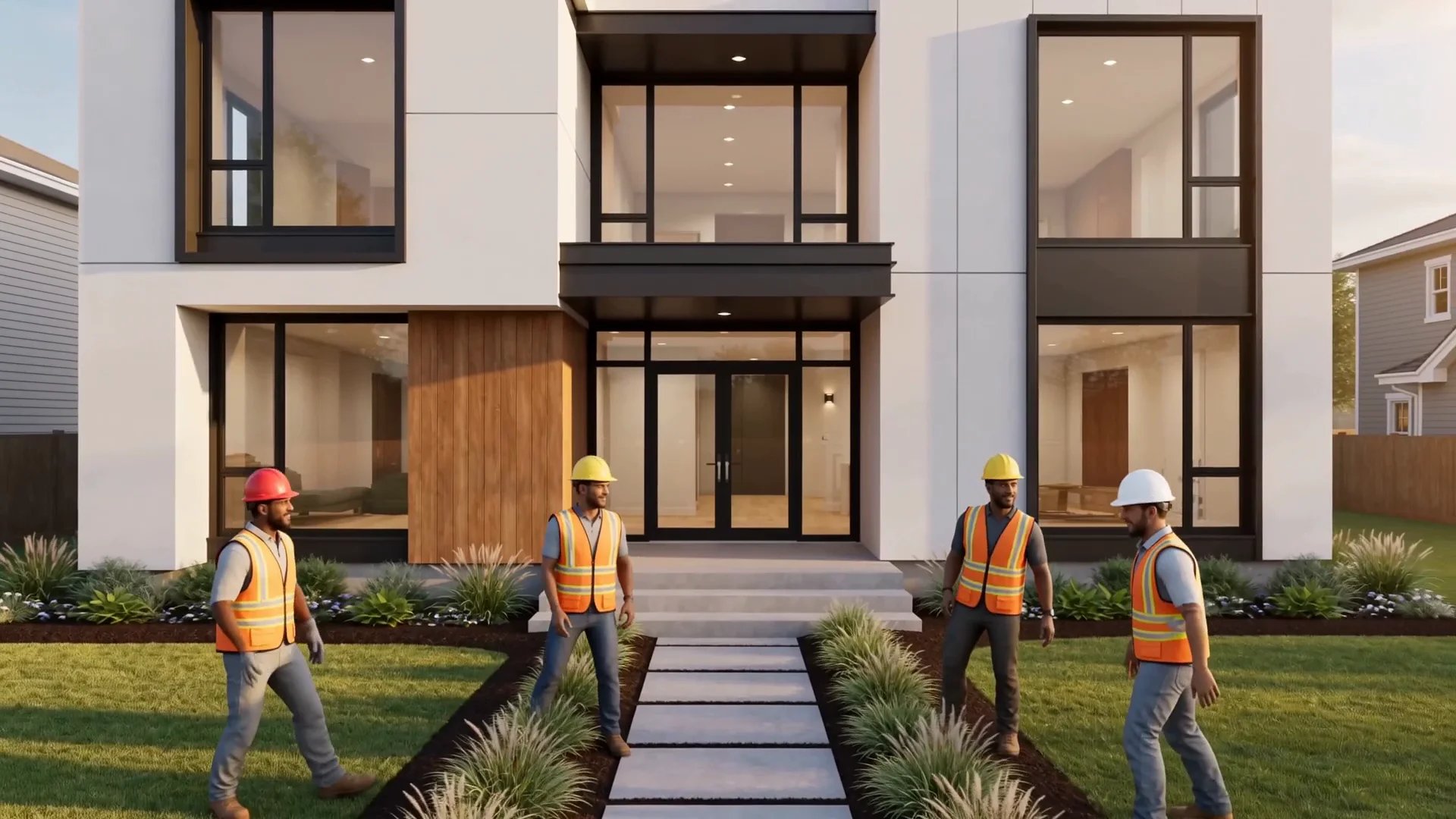
A Seedance-specific capability example showing a 15-second multi-shot construction progression from empty lot to finished modern home.
Verdict:
Seedance 2.0Why this winner
Seedance 2.0 is the capability winner for this multi-shot construction example because it carries a longer scene through several timed phases: empty lot, framing, exterior progress, and final house reveal.
Both workflows now support 4K output.
Seedance 2.0 and Veo 3.1 both support 4K output. The captured 4K benchmark below is still a Veo 3.1 sample, so rerun the prompt with Seedance 2.0 before making 4K quality claims.
- Veo 3.1 supports 4K output.
- Seedance 2.0 supports 4K output while keeping longer duration and broader format flexibility.
- Use 4K only when the final placement actually benefits from the extra pixels.
4K Travel Aerial (Resolution Stress-Test)
What this test checks
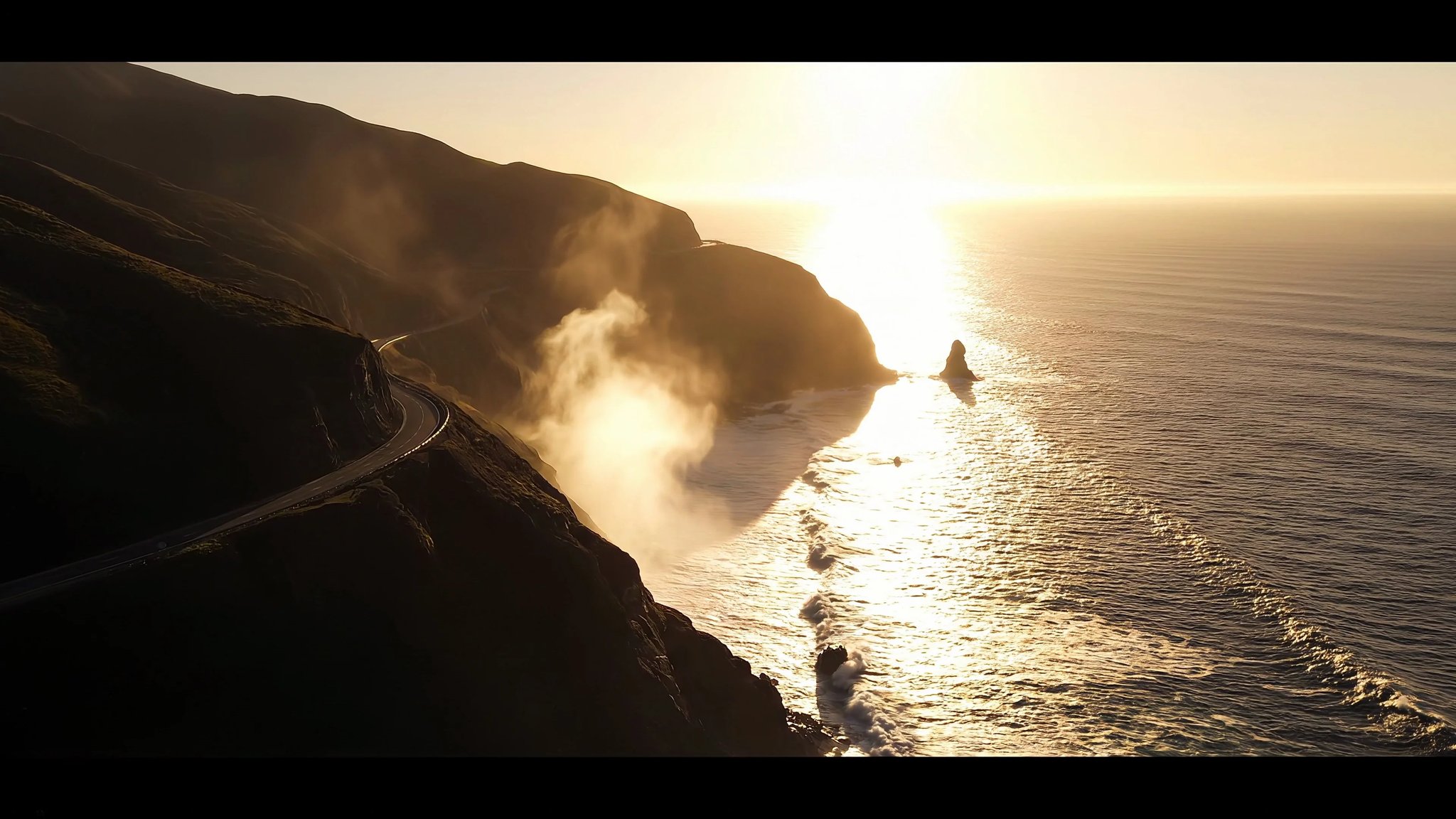
A resolution stress-test assessing landscape detail, dynamic range, texture, mist, and water motion under 4K delivery requirements.
Verdict:
Veo 3.1Why this winner
Veo 3.1 has the captured 4K reference clip in this benchmark. Seedance 2.0 now supports 4K too, so rerun this prompt with Seedance before treating 4K quality as a Veo-only advantage.
Seedance 2.0 vs Veo 3.1 (Quick Summary)
The fastest way to separate benchmark quality from must-have capability requirements.
Max resolution
Seedance 2.0
4K
Veo 3.1
4K
Max duration
Seedance 2.0
Up to 15 seconds
Veo 3.1
Up to 8 seconds
Aspect ratio coverage
Seedance 2.0
Broad landscape, portrait, and square coverage
Veo 3.1
Best-known support for 16:9 and 9:16
Multi-shot and video editing
Seedance 2.0
Shot-labeled sequences and reference-video edits
Veo 3.1
Single-clip generation; assemble edits externally
Reference input breadth
Seedance 2.0
Up to 9 images, 3 videos, and 3 audio references
Veo 3.1
Image references and first/last-frame workflows
Generation controls
Seedance 2.0
Duration, ratio, resolution, generated audio, and frame guidance
Veo 3.1
Duration, ratio, resolution, audio, references, and API-level seed/negative prompts
Audio and dialogue
Seedance 2.0
Supports audio/video conditioning inputs
Veo 3.1
Generates native dialogue, Foley, and ambient sound
1080p speed in HummingBytes
Seedance 2.0
197s average execution time
Veo 3.1
140s average, approximately 30% faster
Best use case
Seedance 2.0
4K-capable flexible formats, multi-shot clips, and reference-driven motion
Veo 3.1
Faster 1080p runs, built-in audio, and prompt-control parameters
Bottom line
Seedance 2.0
Won most reviewed 1080p benchmark tests and now supports 4K
Veo 3.1
Use for speed, built-in audio, or controls
Before you run your own comparison
- The recorded 1080p sample averaged 140 seconds for Veo 3.1 and 197 seconds for Seedance 2.0, about 30% faster for Veo in that slice. Use this as historical context, not a promised wait time.
- Compare sound and visuals separately. The wristwatch result favors Seedance for composition, but it misses the requested mechanical click. A visual win does not mean every audio cue was followed.
- Match the reference and control requirements to the workflow. Seedance supports broader image, video and audio conditioning and natural-language video editing; Veo offers API-level seed and negative-prompt controls. These clips do not test every supported input or editing path.
Which model should you use?
Seedance 2.0
Start with Seedance for the stronger reviewed 1080p results, longer clips, flexible formats and reference-led work. Both models support 4K, but this page contains only a Veo 4K sample; run a matched test before judging 4K quality.
Veo 3.1
Consider Veo when its faster recorded 1080p runs, built-in audio tooling or API-level seed and negative-prompt controls matter more than the reviewed visual results. Check the clip-specific tradeoffs before choosing.