HummingBytes benchmark · Assets reviewed
Nano Banana 2 vs GPT Image 2
Nano Banana 2 is the faster default and won the preservation-heavy editing tests. GPT Image 2 leads most text-heavy ads and layouts, with a lower-cost medium-quality option at the same image size.
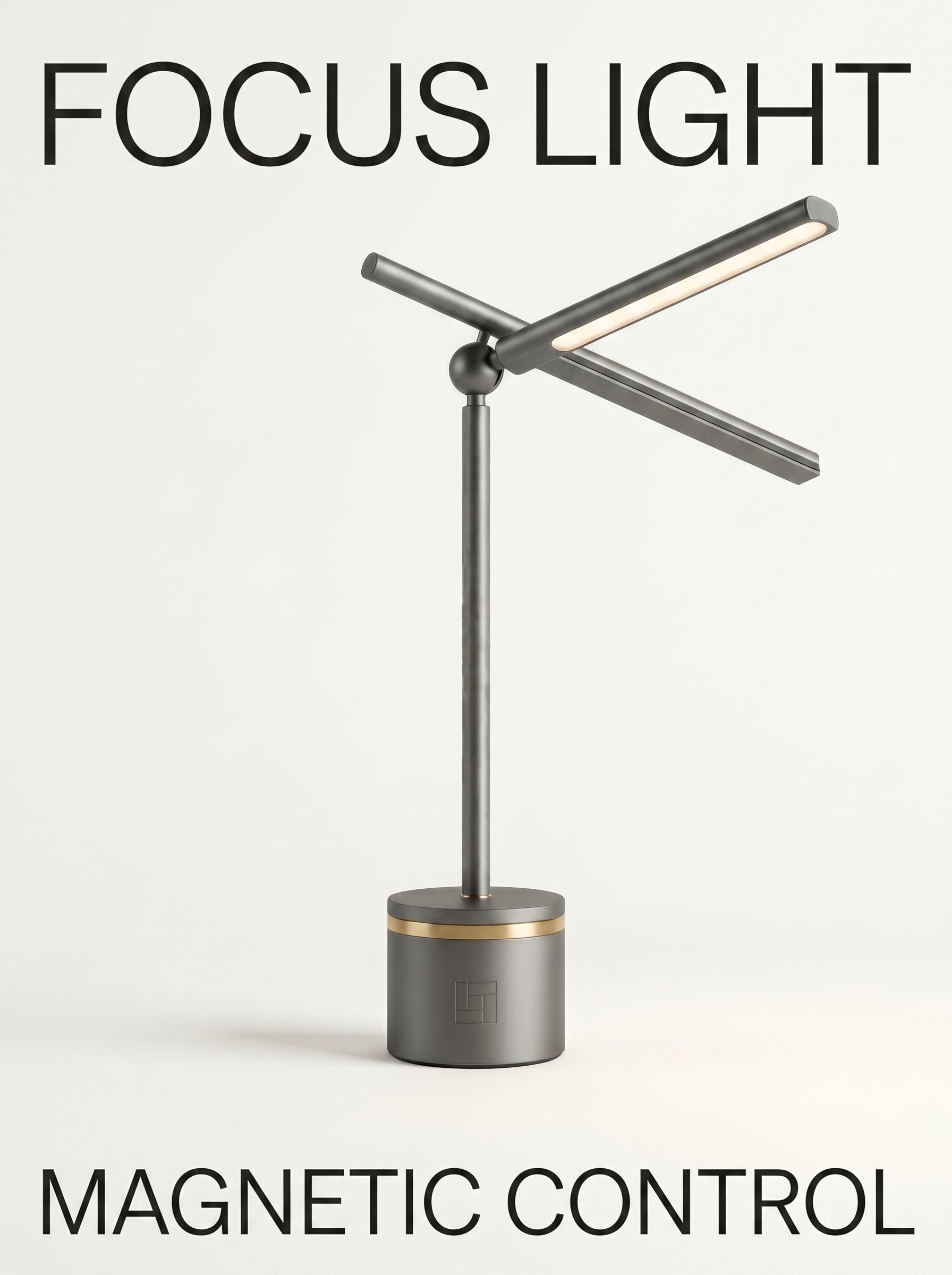
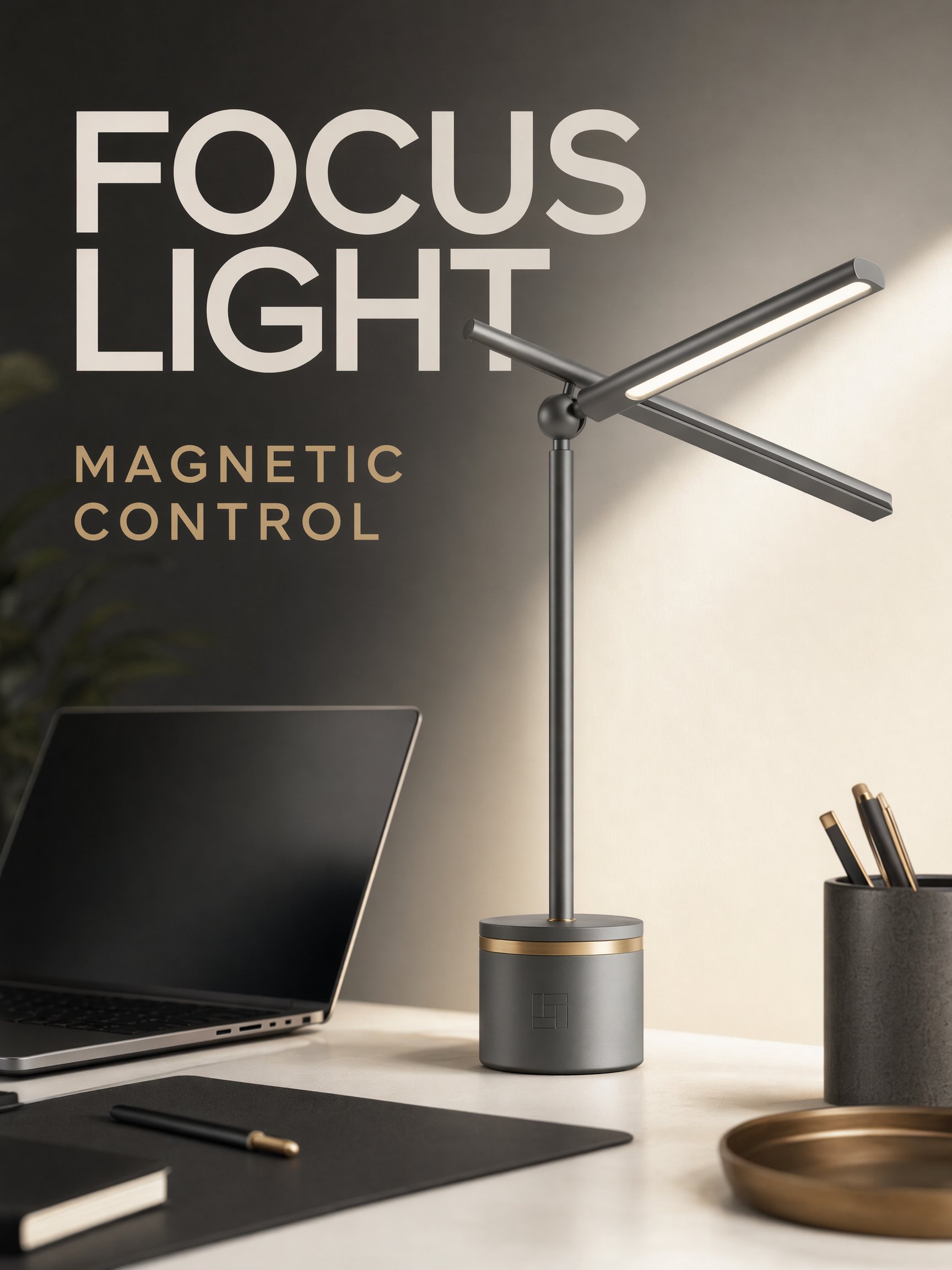
Existing benchmark outputs. Read the prompt and verdict in the tests below.
Choose by the result you need
Each criterion links to the original test. These observations describe the displayed outputs.
Nano Banana 2
Clean product, simpler poster layout.
GPT Image 2
Clearer text and stronger campaign hierarchy.
Nano Banana 2
Stronger product placement and usable empty space.
GPT Image 2
Polished, less suited to copy placement.
Nano Banana 2
Keeps people and assigned actions clearer.
GPT Image 2
More realistic faces, less faithful action mapping.
Nano Banana 2
Keeps bag shape, size and material more exact.
GPT Image 2
Strong edit, less exact preservation.
How to read these results
We compared generated images and edits using the prompts and references shown below. Inspect the full images before choosing for your own brief.
These are the original benchmark results. Prices, timings and supported formats describe the test configuration, not a new measurement.
Testing details and limitations
Each direct benchmark uses the same prompt, source references, and a shared aspect ratio only where needed for a fair side-by-side comparison. The verdicts below focus on prompt adherence, preservation, text accuracy, layout quality, speed, and production usefulness.
Generate matched outputs inside HummingBytes using the same prompt, source references, and shared aspect ratio for both models. Review the strongest candidate from each model for prompt adherence, product or identity preservation, text accuracy, layout quality, and publishable finish. Non-shared formats should not be scored head to head; they should be documented as product capability differences.
GPT Image 2 medium quality produced strong results at 1K, 2K and 4K at a lower same-size credit cost. Its high-quality runs were roughly three times slower than Nano Banana 2 in this asset pass.
Format differences are capabilities, not head-to-head wins. Nano Banana 2 adds 4:5, 5:4, 21:9, 4:1 and 8:1; GPT Image 2 adds 3:1 and 1:3 and flexible sizing for channel-specific output.
Image generation
Inspect the output pairs and their references. Open a prompt to see exactly what was requested.
Product photography and ads
Compare product presentation, campaign composition and visual hierarchy.
Readable Product Ad Poster
What this test checks
A short-copy advertising test in a shared 3:4 format. This checks whether each model can preserve a referenced product while rendering two exact, readable text lines in a finished commercial layout.
Verdict:
GPT Image 2Why this verdict
GPT Image 2 wins because it delivers the more publishable campaign layout: both requested text lines are readable, the hierarchy is stronger, and the product sits in a finished desk-scene ad. Nano Banana 2 preserves the product cleanly, but it feels more like a simple poster proof.
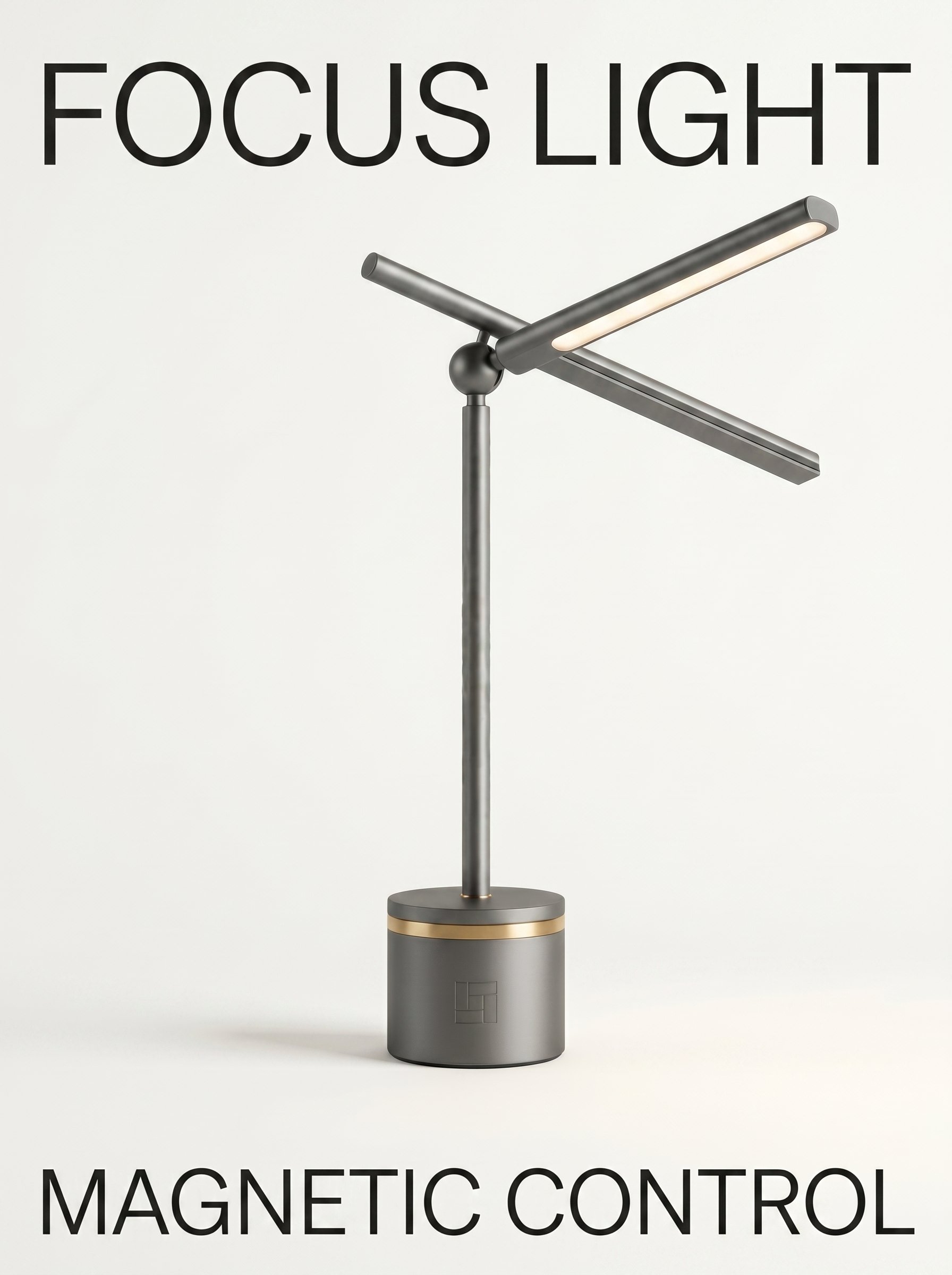
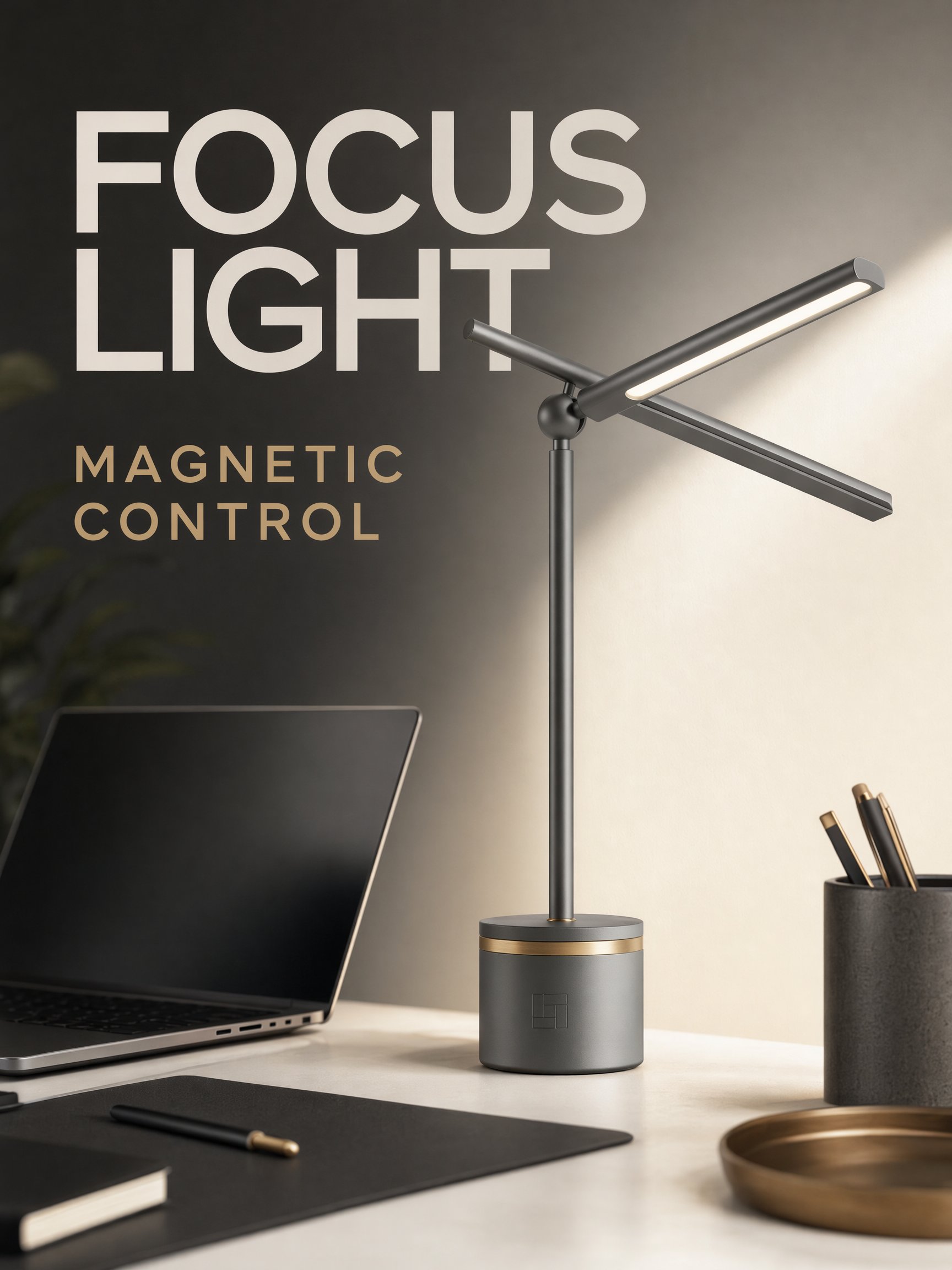
<- drag to compare ->
Reference Images
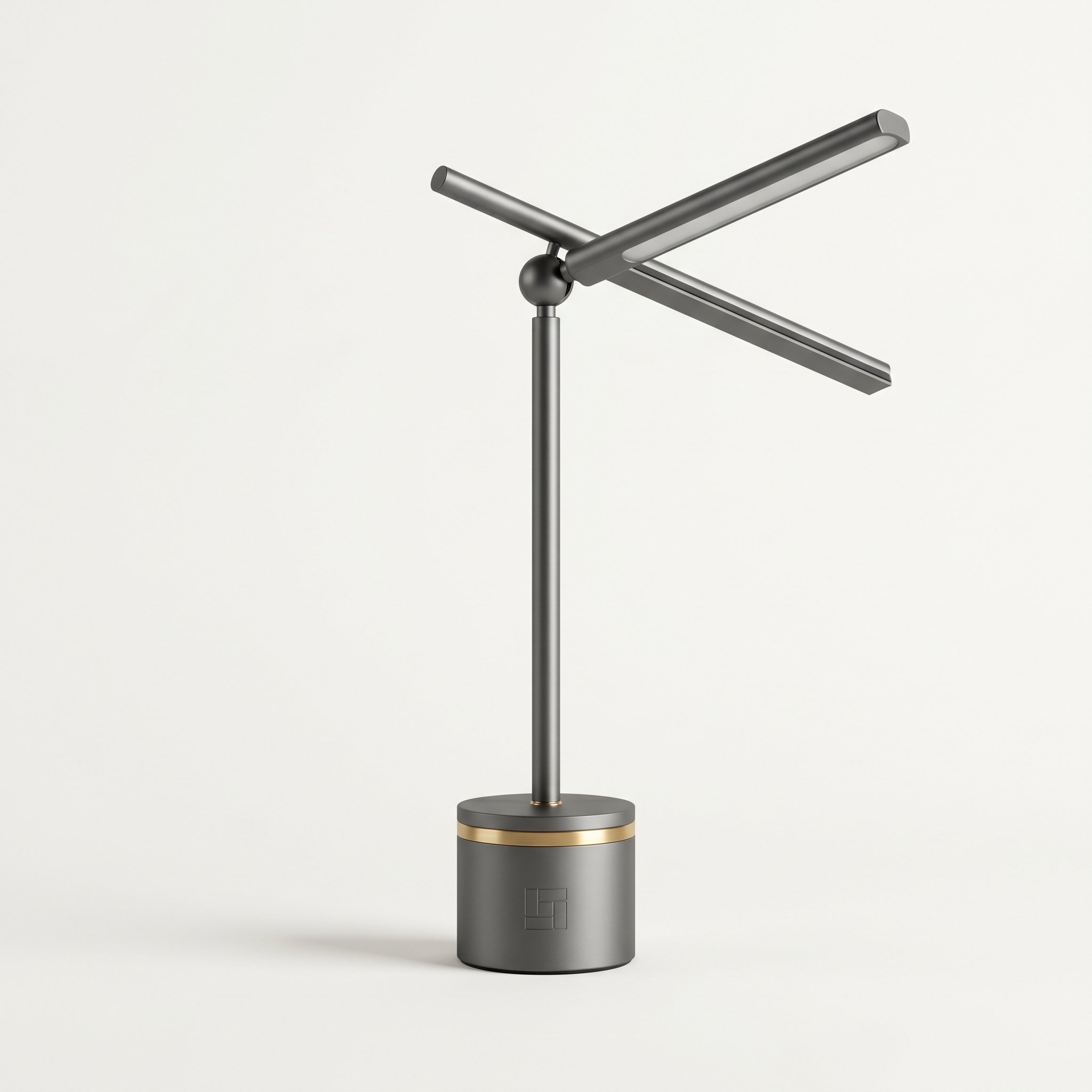
Marketplace Packshot
What this test checks
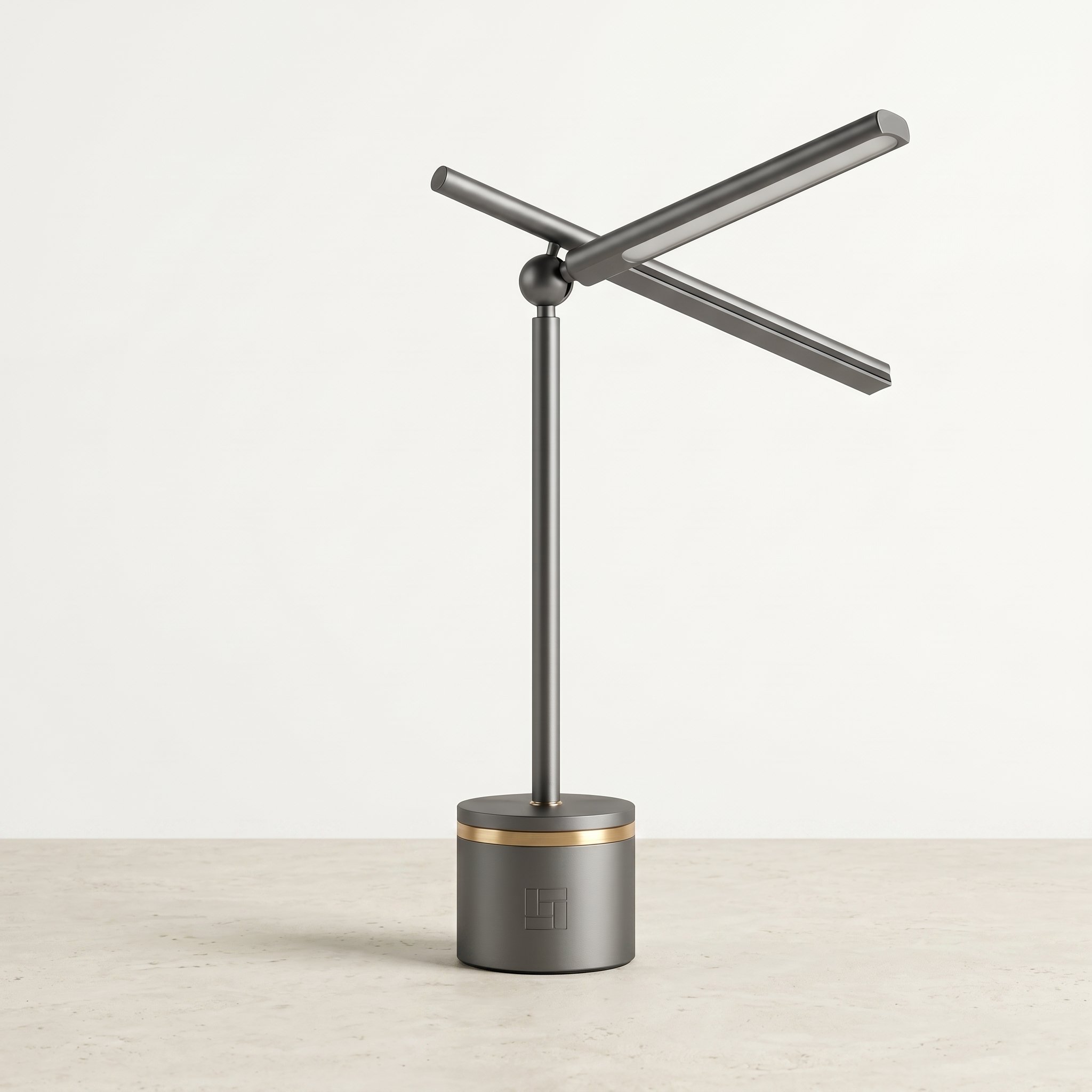
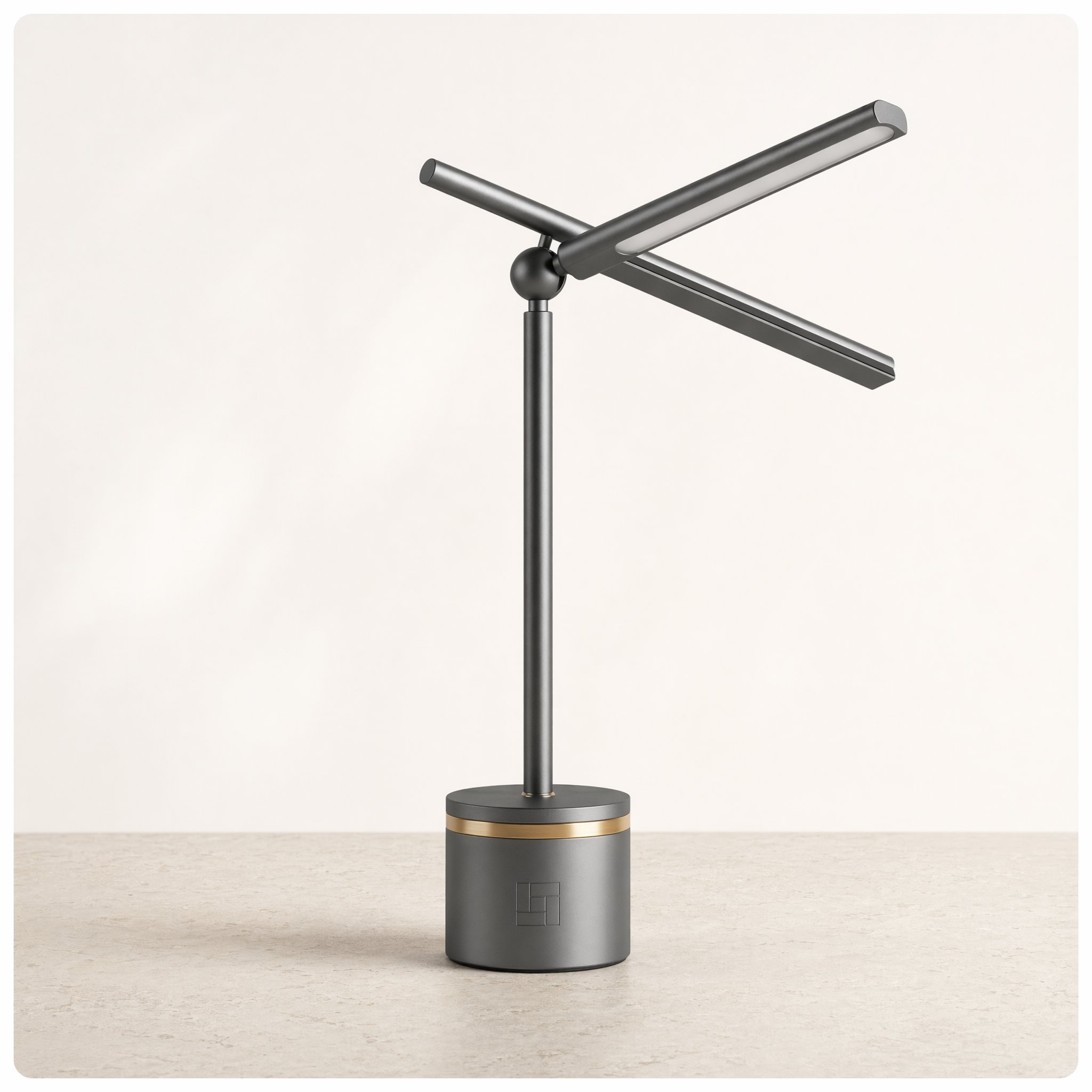
A square ecommerce output test. The better result should preserve the product, stay clean enough for product cards, and avoid adding fake branding or distracting props.
Verdict:
GPT Image 2Why this verdict
GPT Image 2 wins narrowly because the lamp is better centered for a marketplace grid, with cleaner margins and a more polished product-card frame. Nano Banana 2 is accurate, but the composition feels less controlled.
<- drag to compare ->
Reference Images
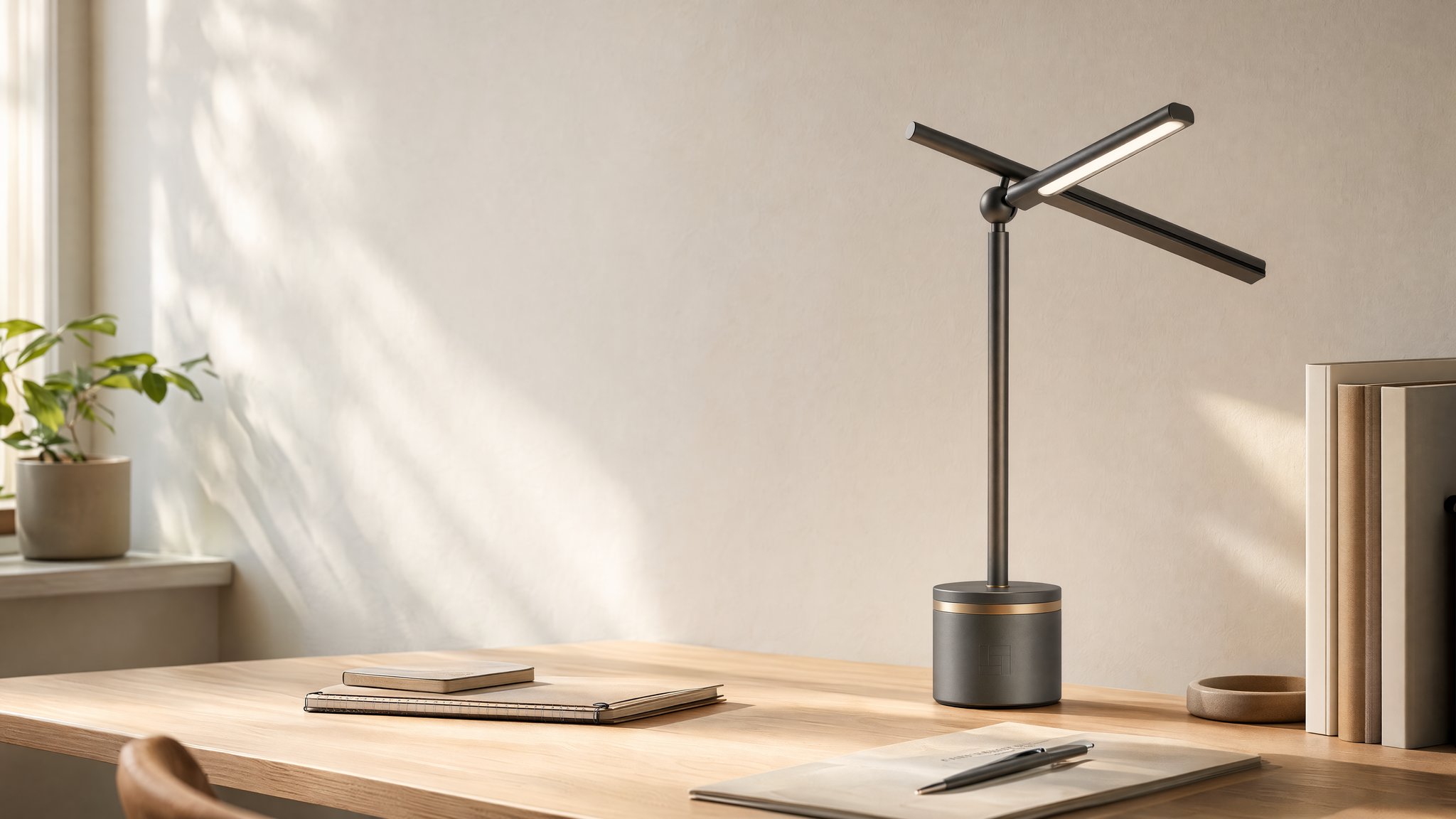
Website Hero Product Launch
What this test checks
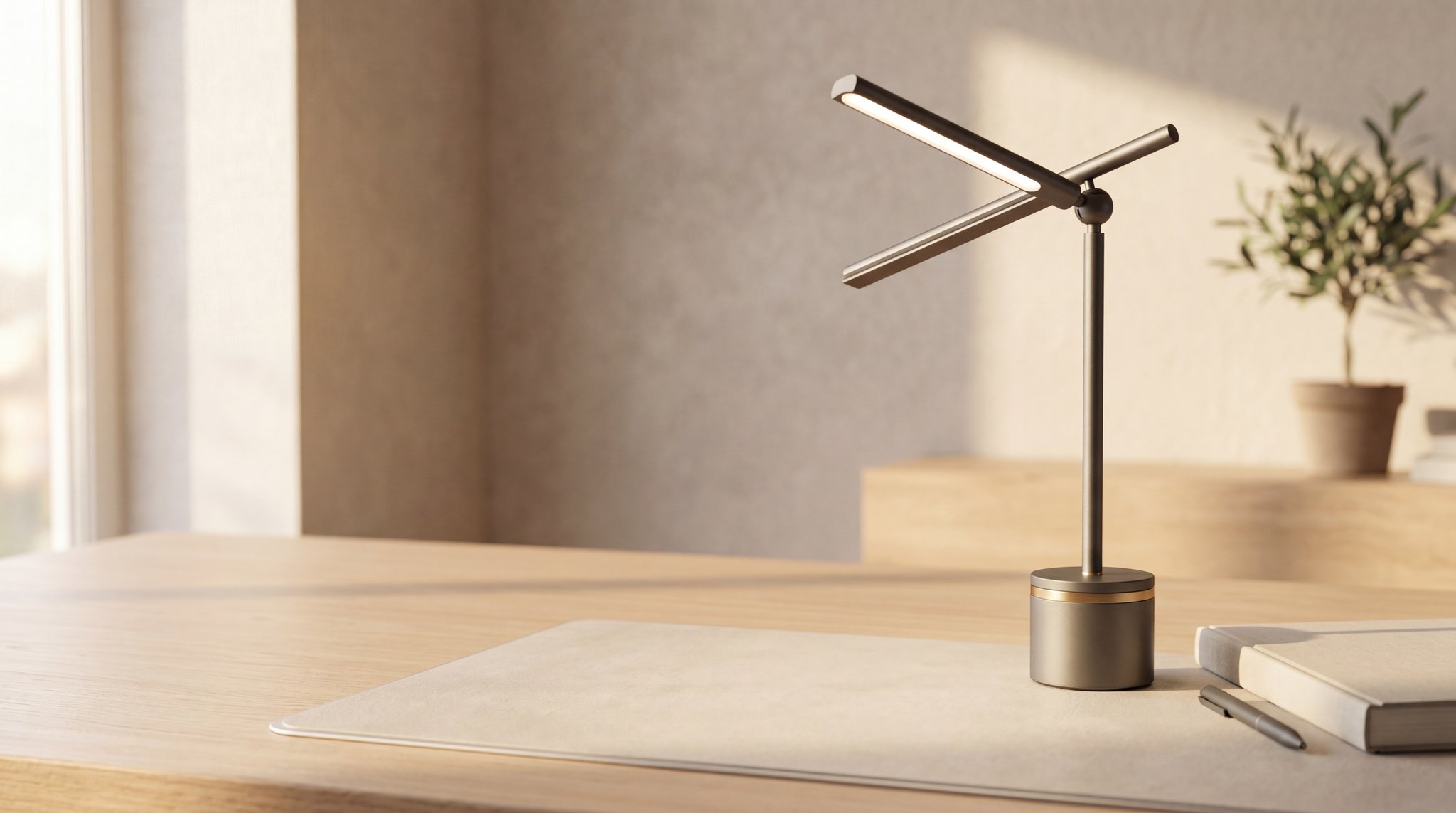
A shared 16:9 web-placement test. This checks composition discipline: product preservation, realistic finish, and usable negative space for landing page copy.
Verdict:
Nano Banana 2Why this verdict
Nano Banana 2 wins because its result works better as an actual landing-page hero: the lamp sits on the right, the left side has usable negative space, and the warmer desk scene feels ready for page copy. GPT Image 2 is polished, but the composition is less clearly designed around copy placement.
<- drag to compare ->
Reference Images
Text, layouts and graphics
Check exact wording, readability and how the page or image is organized.
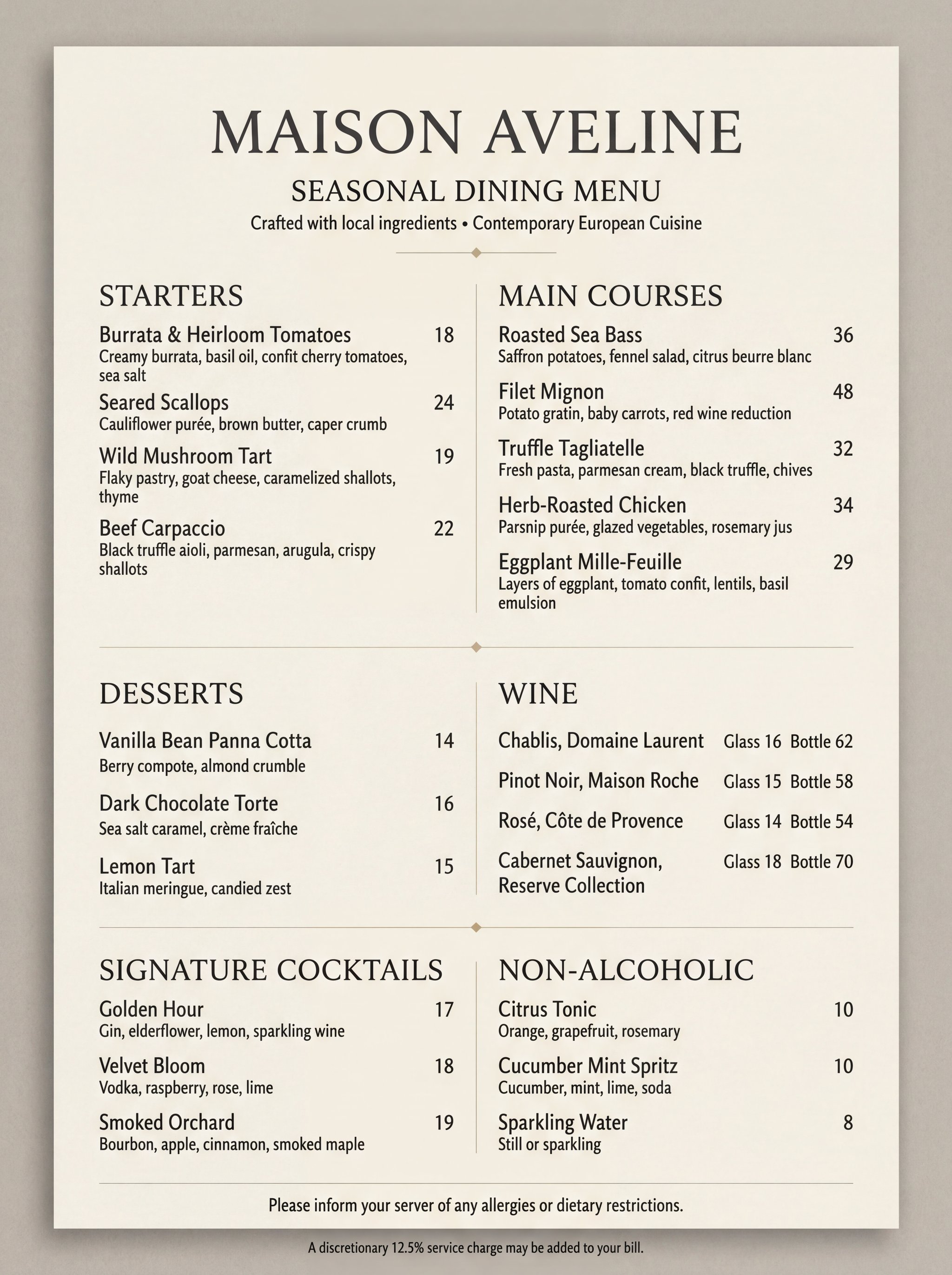
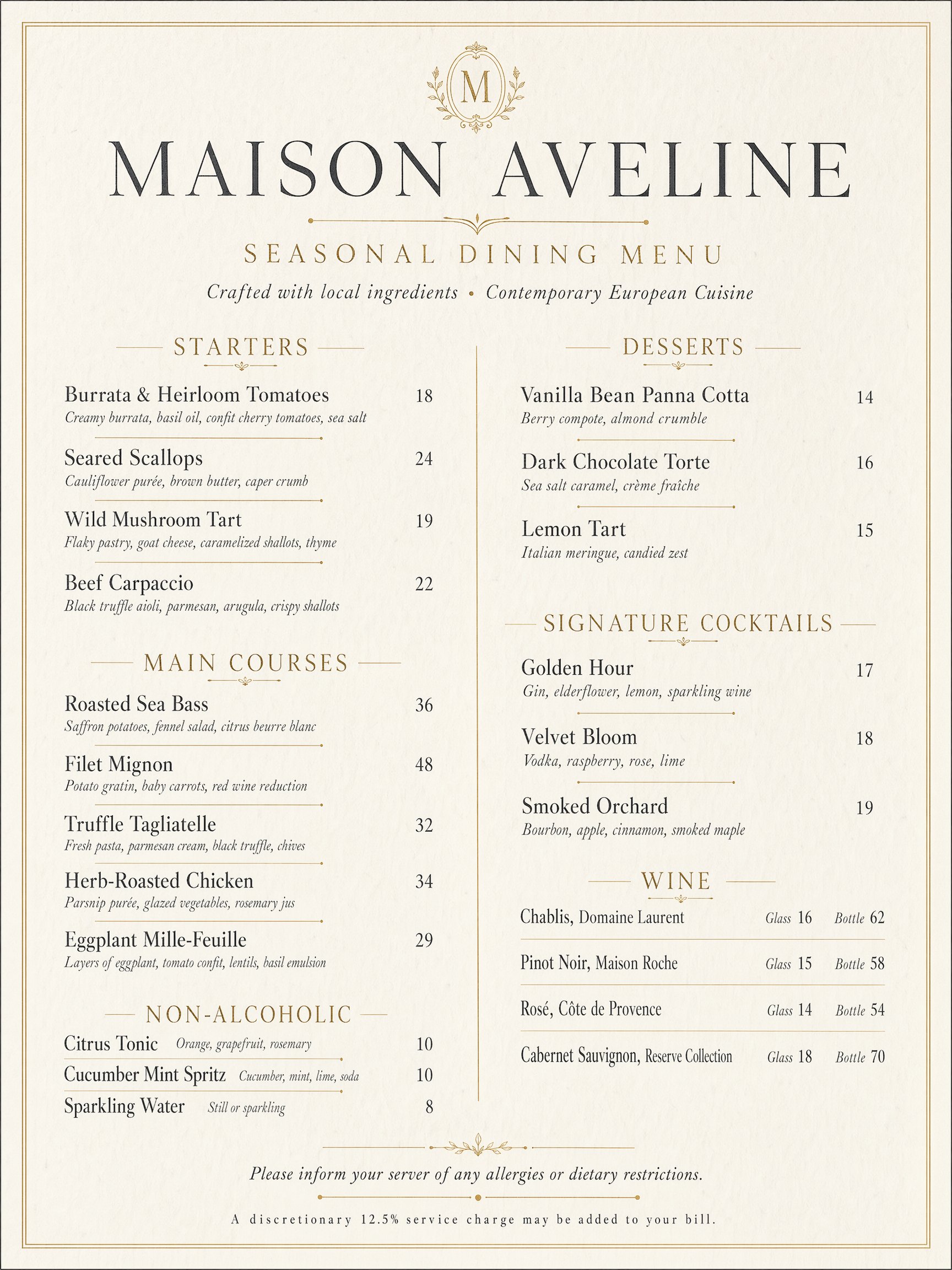
Restaurant Menu Editorial Layout
What this test checks
A dense layout test in a shared portrait format. It stresses long-form typography, section hierarchy, menu prices, and whether the model invents extra text.
Verdict:
GPT Image 2Why this verdict
GPT Image 2 wins because the menu feels more premium and editorial, with stronger hierarchy, decorative restraint, and a more complete set of requested sections. Nano Banana 2 is readable, but it is plainer and less refined.
<- drag to compare ->
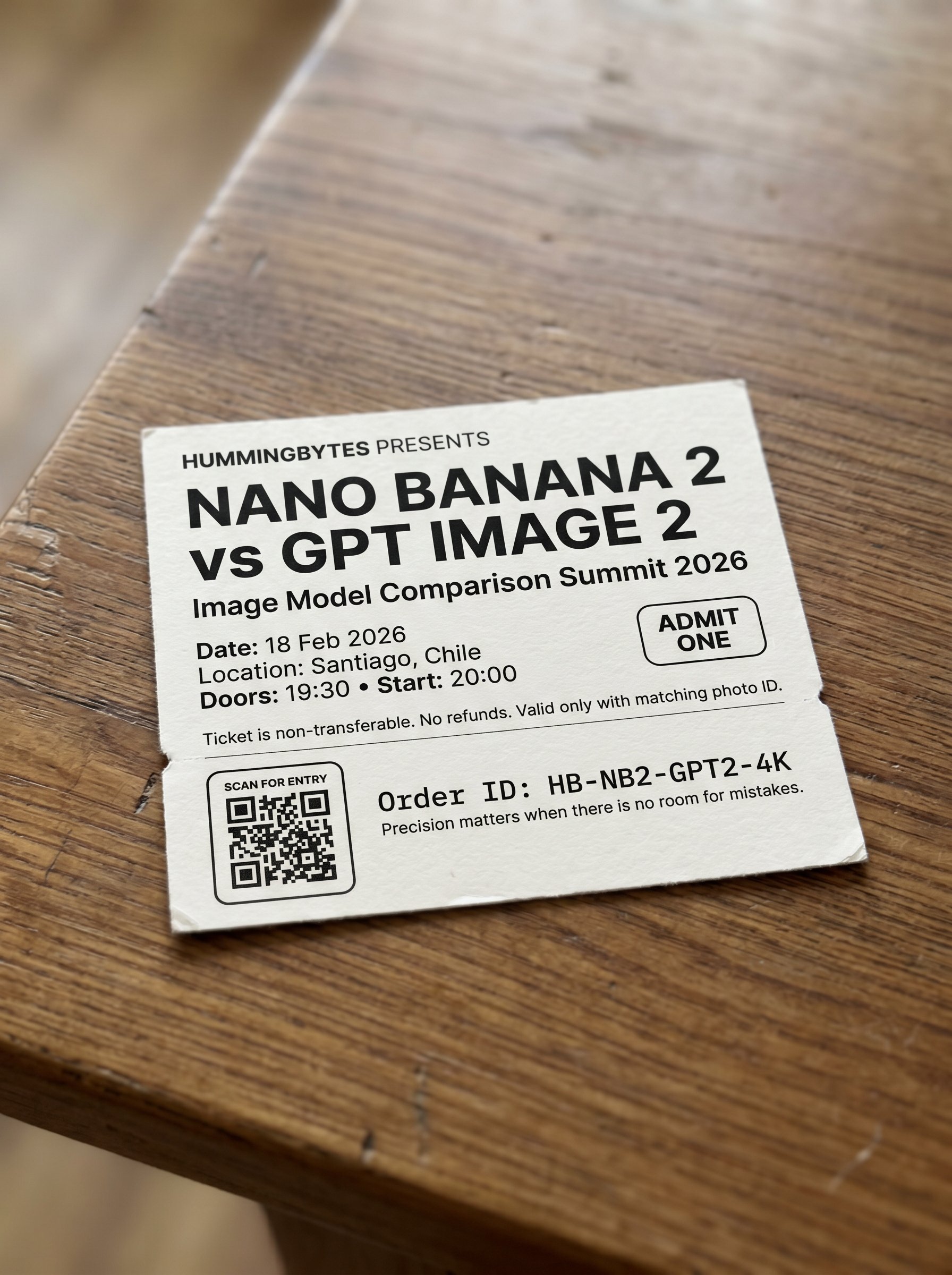
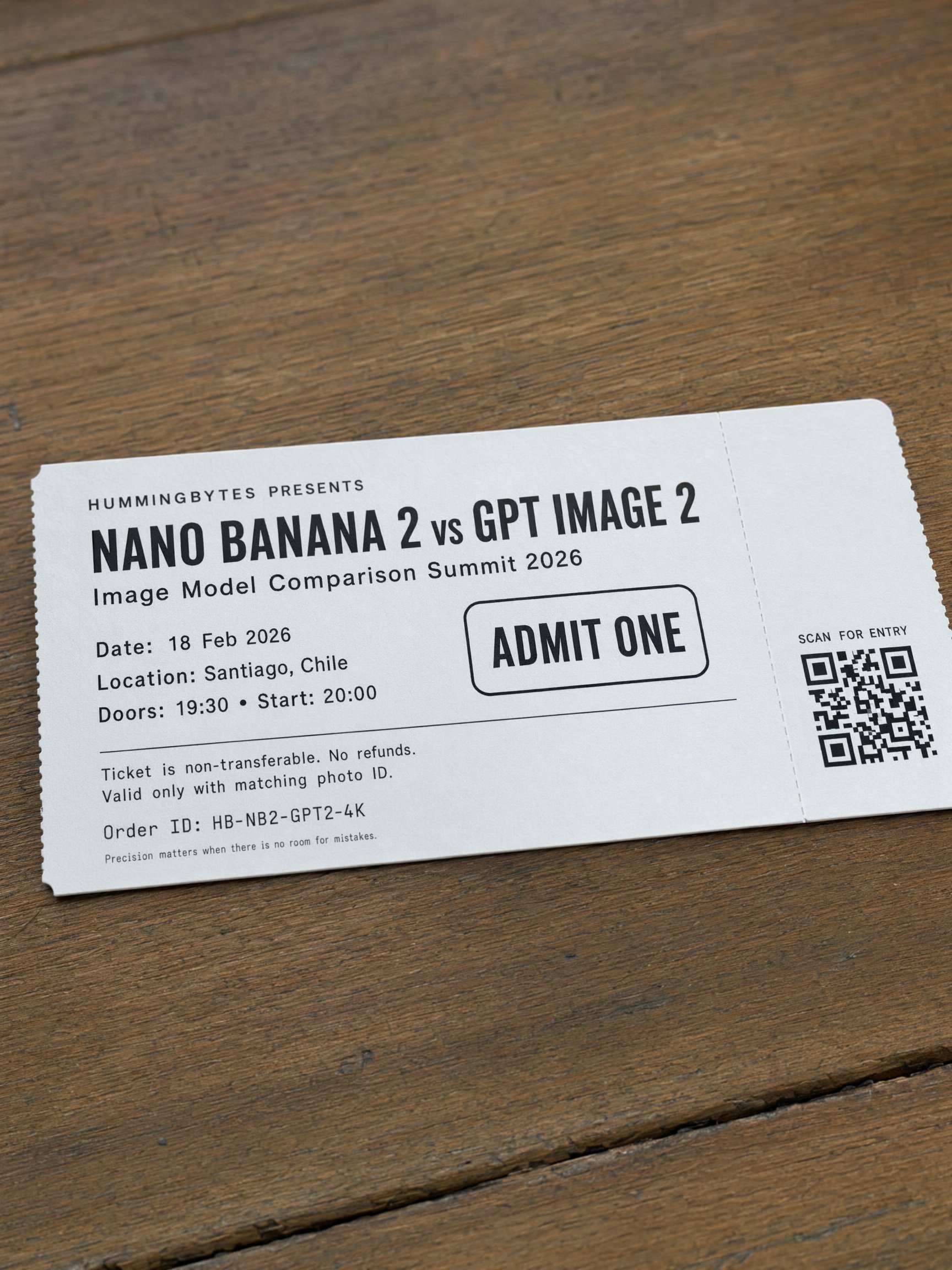
Exact Ticket Text Rendering
What this test checks
A strict text-rendering benchmark using a shared 3:4 printed-ticket prompt. This adds a harder pure typography test beyond the shorter product-ad poster.
Verdict:
GPT Image 2Why this verdict
GPT Image 2 wins because it builds a more complete printed-ticket object with stronger hierarchy, better QR placement, cleaner alignment, and more of the requested small text. Nano Banana 2 gets the main title right, but the ticket structure is less complete.
<- drag to compare ->
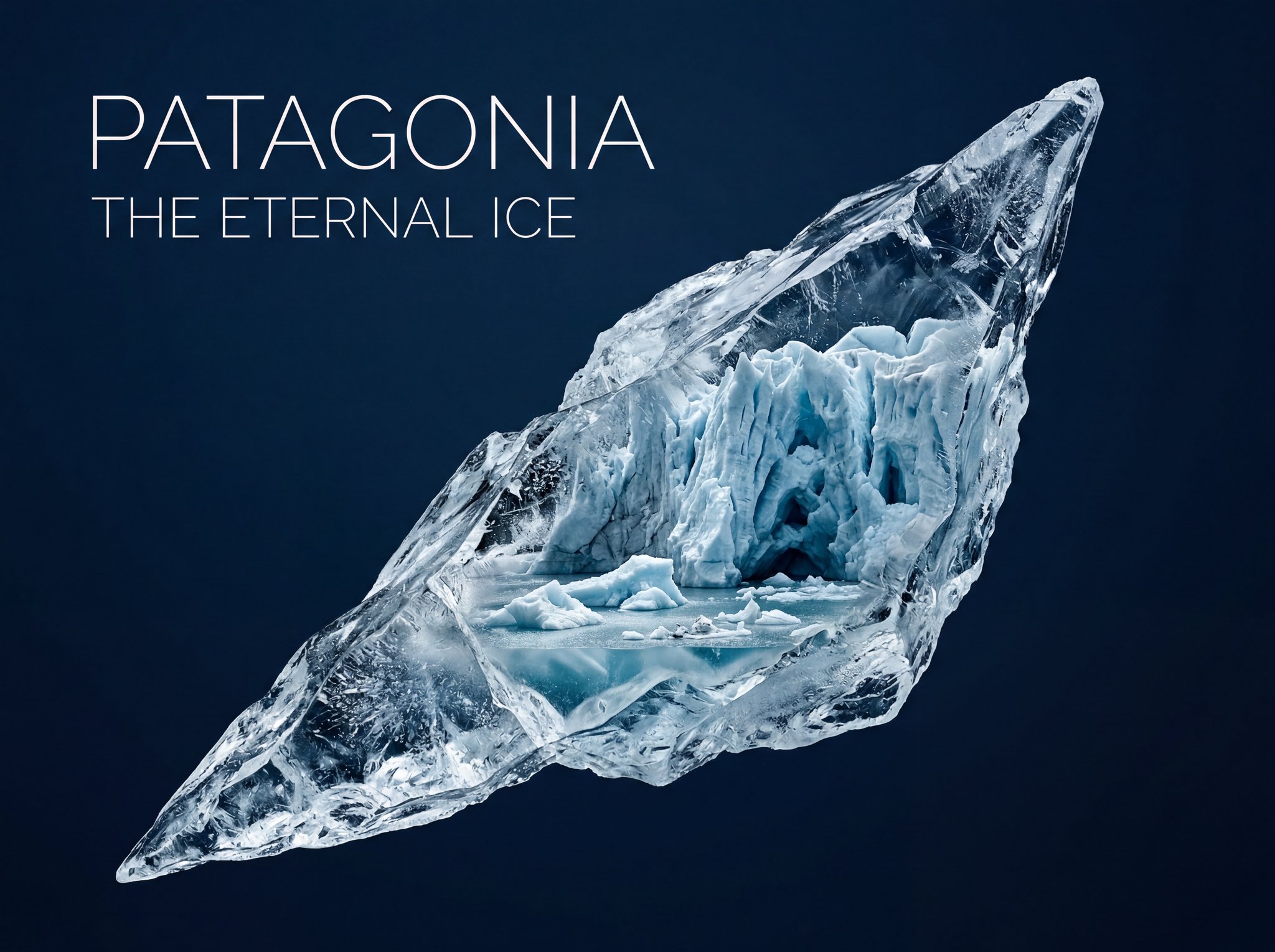
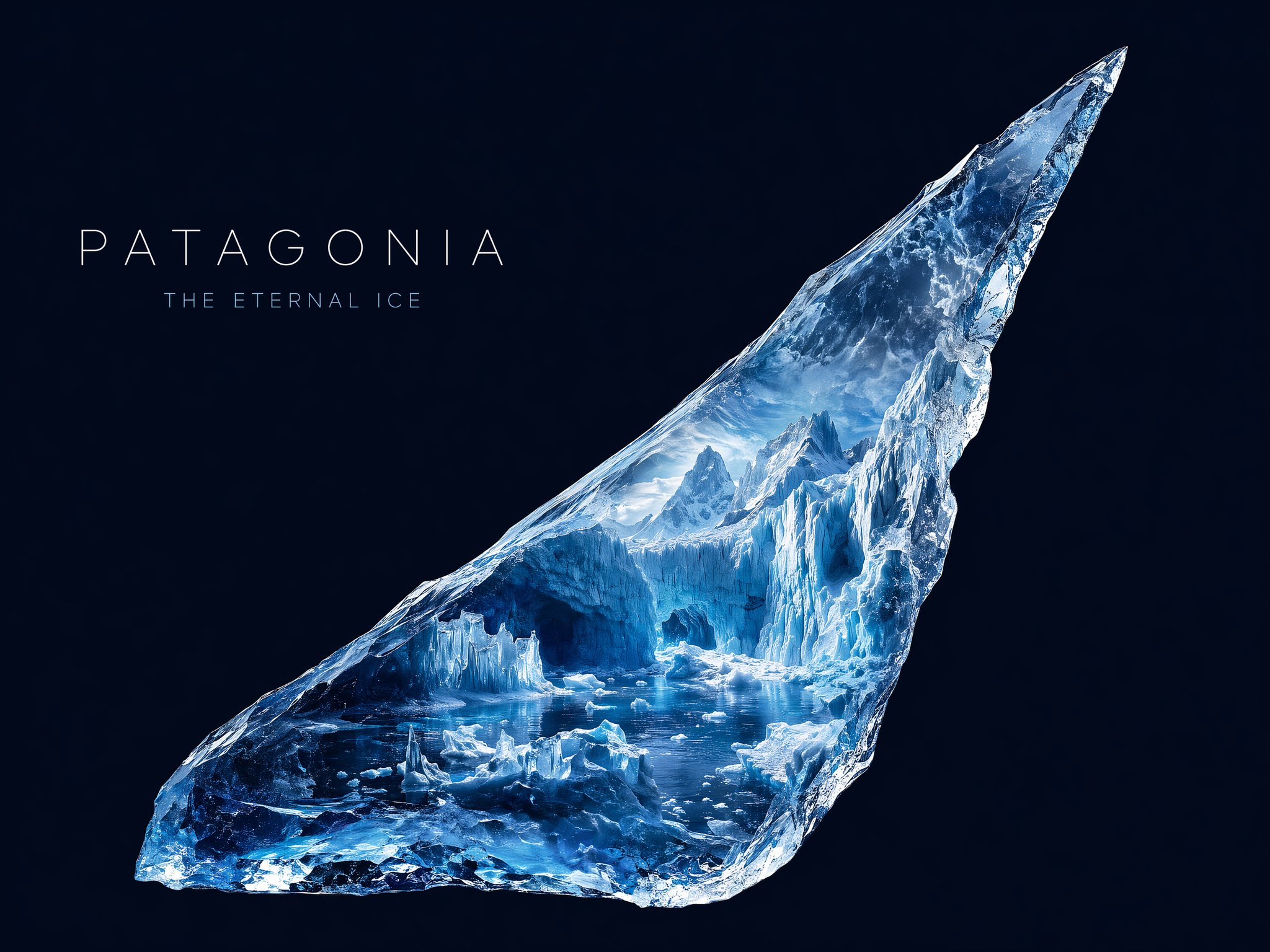
Typography + Poster Composition
What this test checks
A shared 4:3 premium poster test. It checks whether each model can balance exact title hierarchy, negative space, material detail, and restrained art direction.
Verdict:
GPT Image 2Why this verdict
GPT Image 2 wins because the ice shard has a stronger premium poster composition, cleaner negative-space discipline, and a more dramatic internal glacier world. Nano Banana 2 has readable type, but the layout is less controlled.
<- drag to compare ->
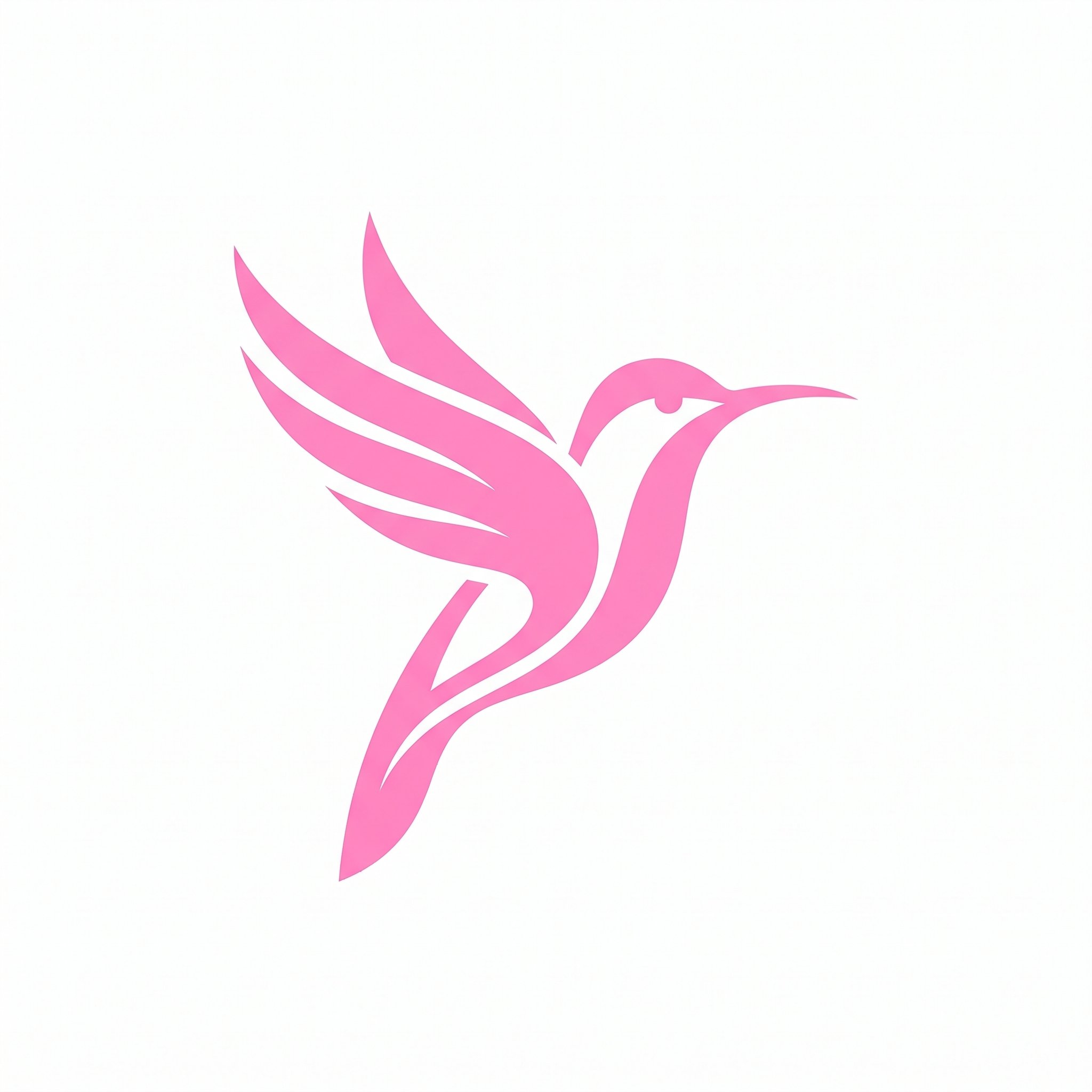
Minimal Brand Logo Creation
What this test checks
A shared 1:1 reduction test. The better output should respect the requested color, keep a simple silhouette, and remain recognizable as a flat logo at small sizes.
Verdict:
Nano Banana 2Why this verdict
Nano Banana 2 wins because the hummingbird mark is cleaner, more elegant, and easier to recognize as a minimal flat-vector logo at small sizes. GPT Image 2 is usable, but the silhouette is bulkier and less refined.

<- drag to compare ->
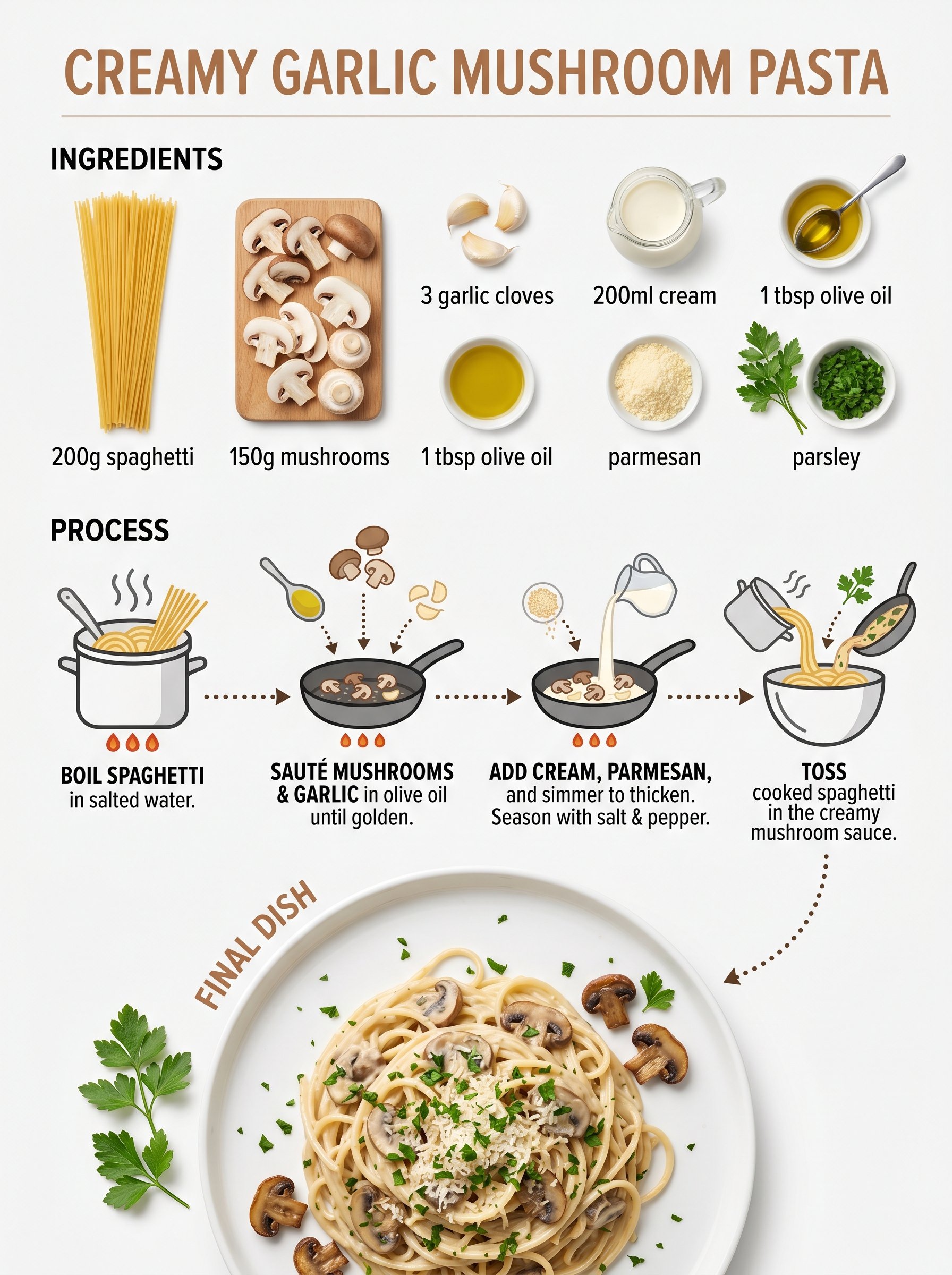
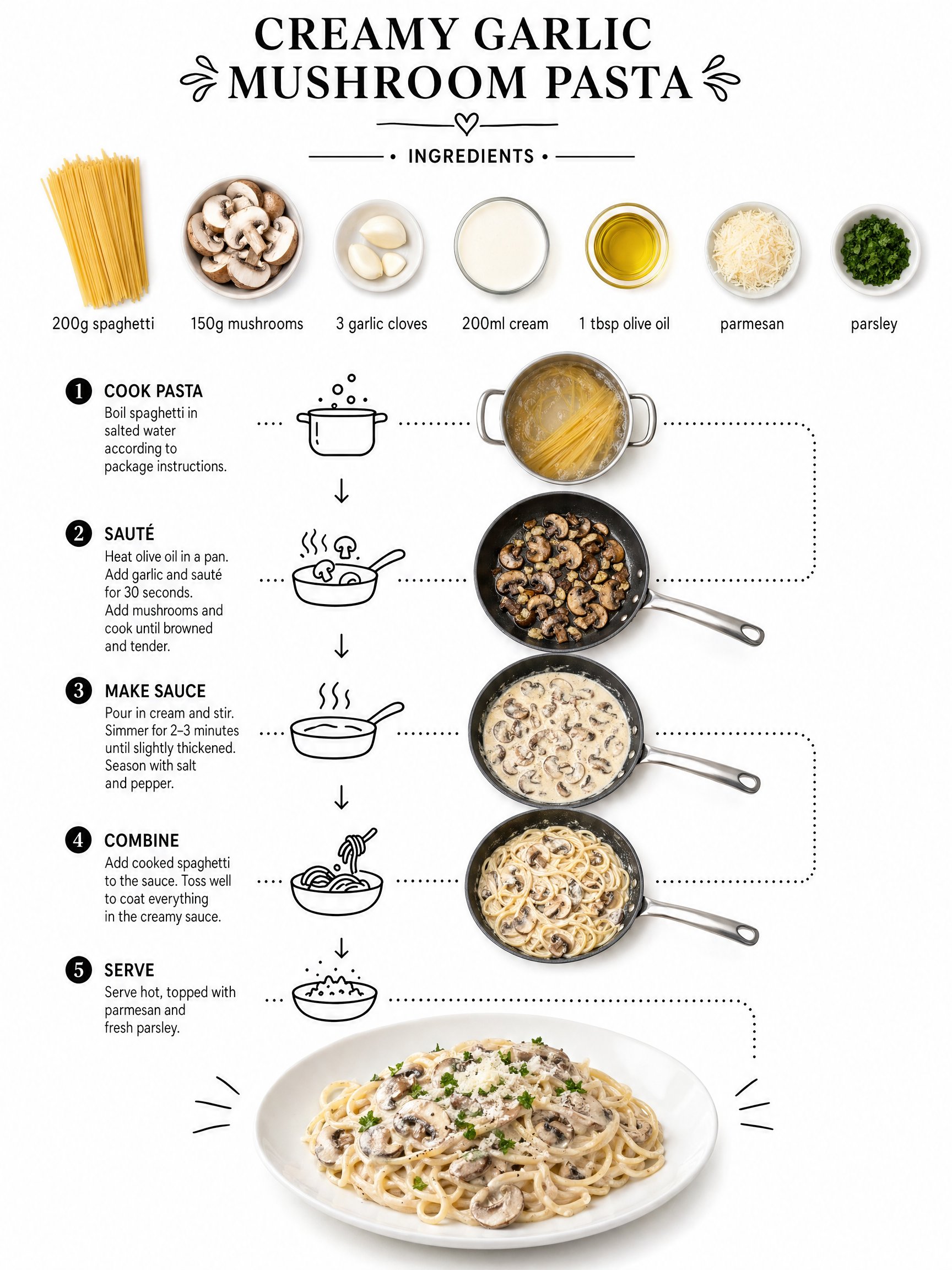
Recipe Infographic Layout
What this test checks
A shared 3:4 infographic test for ingredient labeling, process flow, icon placement, and whether the model can keep food photography and minimal graphic structure readable.
Verdict:
GPT Image 2Why this verdict
GPT Image 2 wins because it creates the stronger infographic: ingredient labels are cleaner, the process flow is clearer, and the final plated dish anchors the composition. Nano Banana 2 is readable, but the flow is more compressed.
<- drag to compare ->
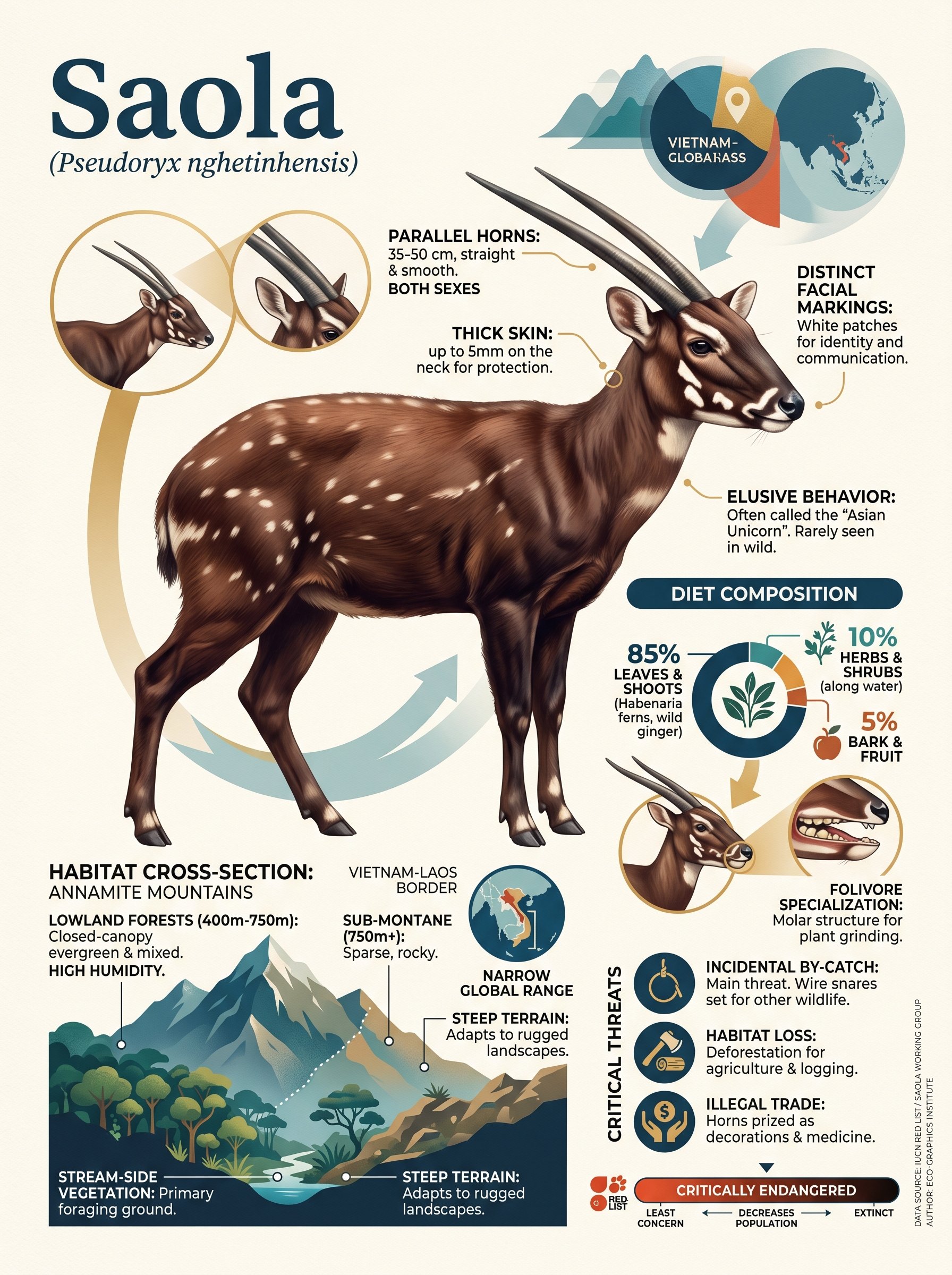
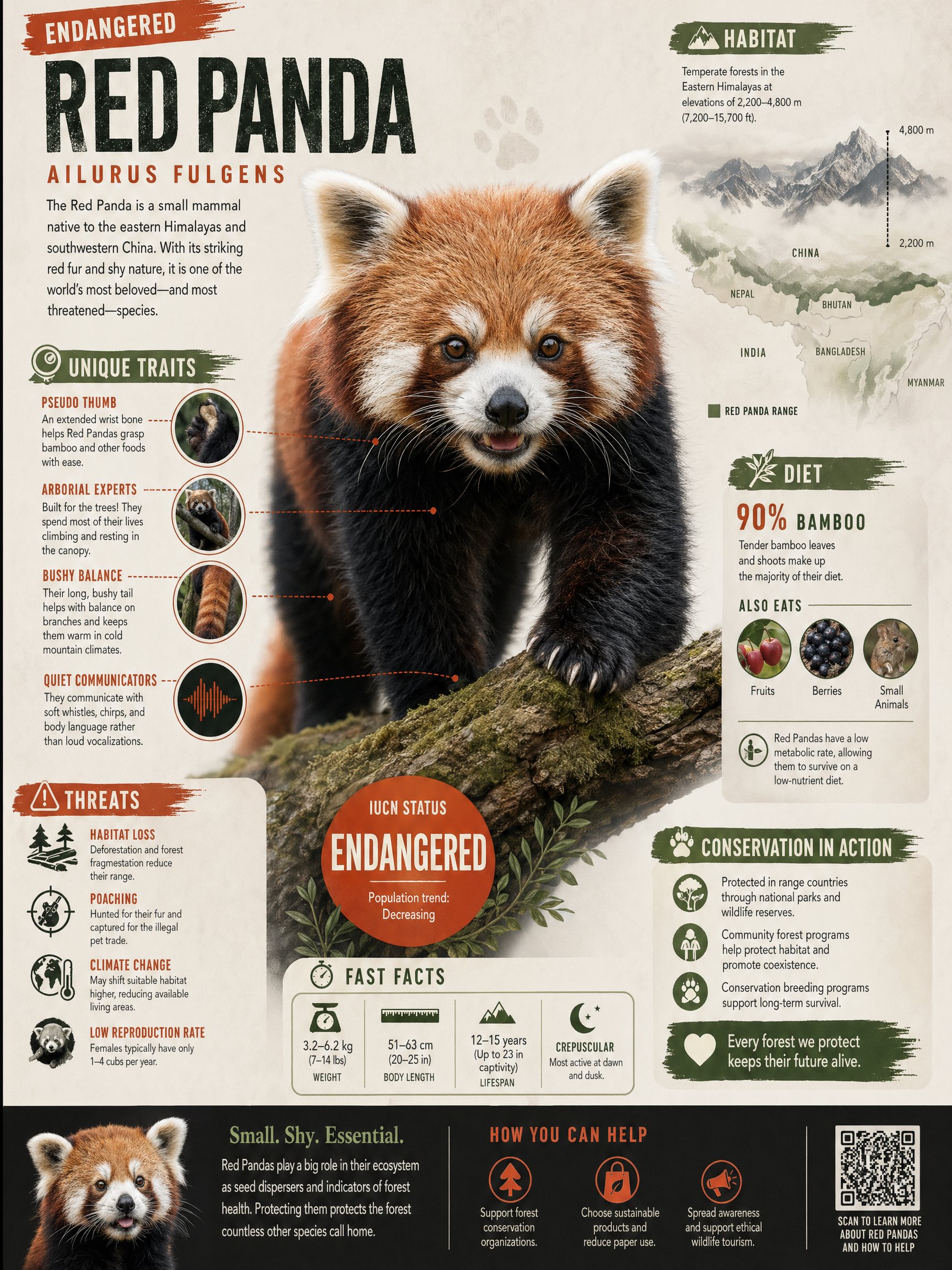
Endangered Animal Research Infographic
What this test checks
A shared 3:4 research-infographic test for factual grounding, dense callouts, diagram composition, and whether the model can blend a photorealistic focal animal with authored graphic structure.
Verdict:
GPT Image 2Why this verdict
GPT Image 2 wins because it better matches the requested dense, professionally authored infographic: the photoreal central animal is stronger, the callouts are richer, and the composition feels more tactile. Nano Banana 2 is informative, but more illustration-led.
<- drag to compare ->
References and spatial reasoning
Follow identities, object assignments and physical constraints across a scene.
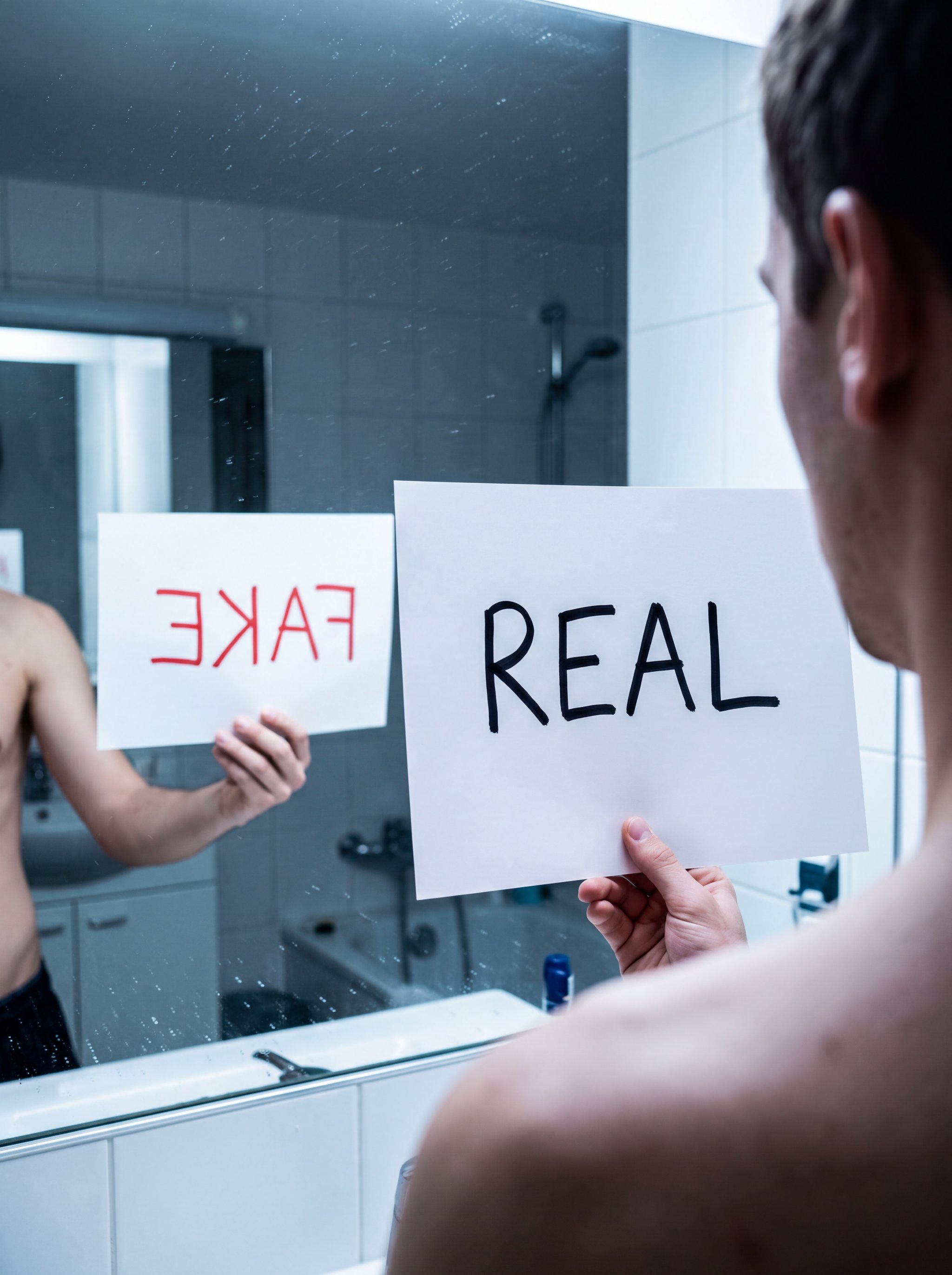
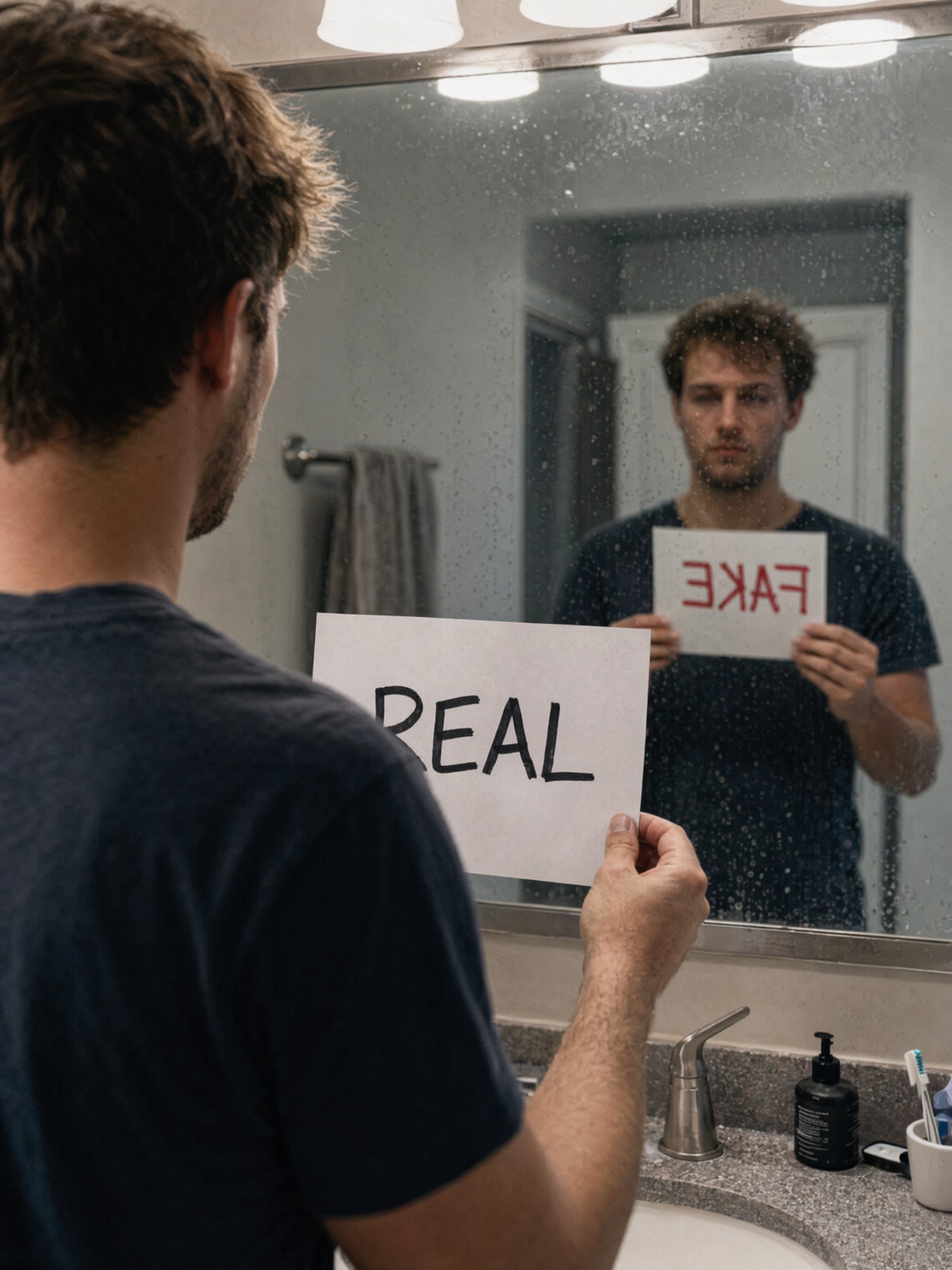
Spatial Logic & Physics
What this test checks
A shared 3:4 reasoning test. The prompt forces each model to understand occlusion and mirror reflection rather than merely generate a plausible bathroom scene.
Verdict:
GPT Image 2Why this verdict
GPT Image 2 wins because it keeps the mirror setup more coherent and photorealistic while placing REAL in the direct view and FAKE in the reflection. Nano Banana 2 captures the core idea, but the body, paper, and reflection logic are less convincing.
<- drag to compare ->
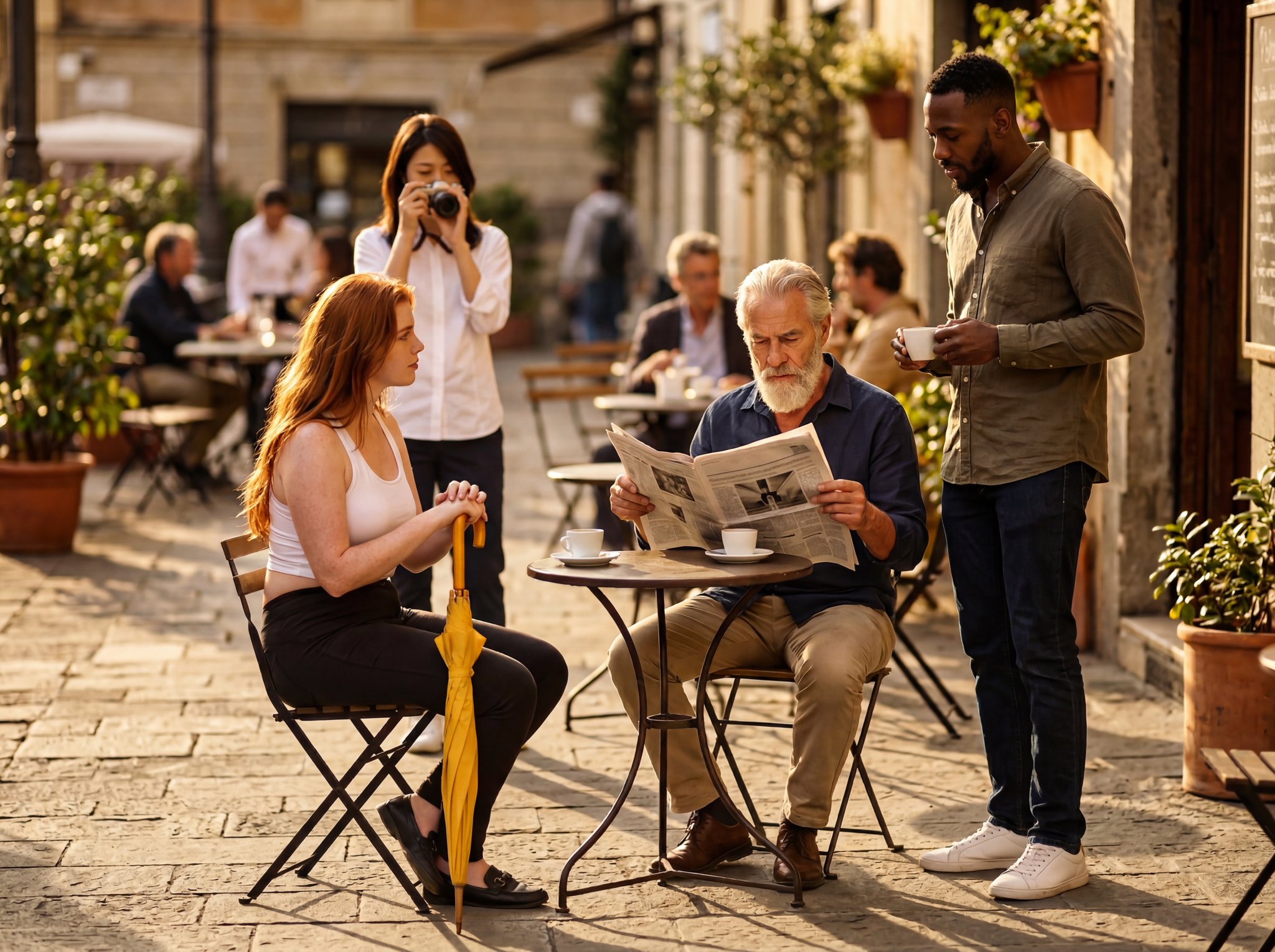
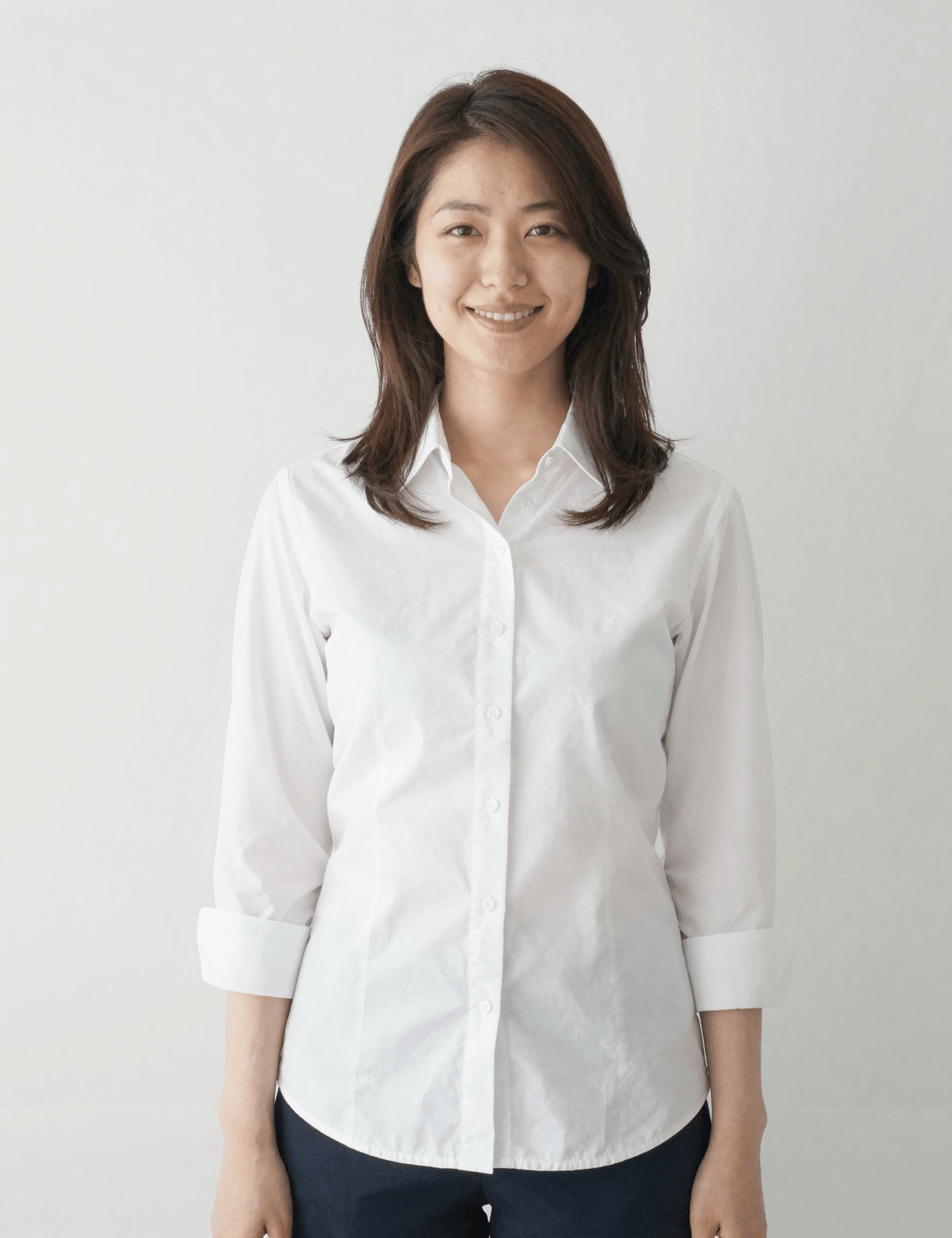
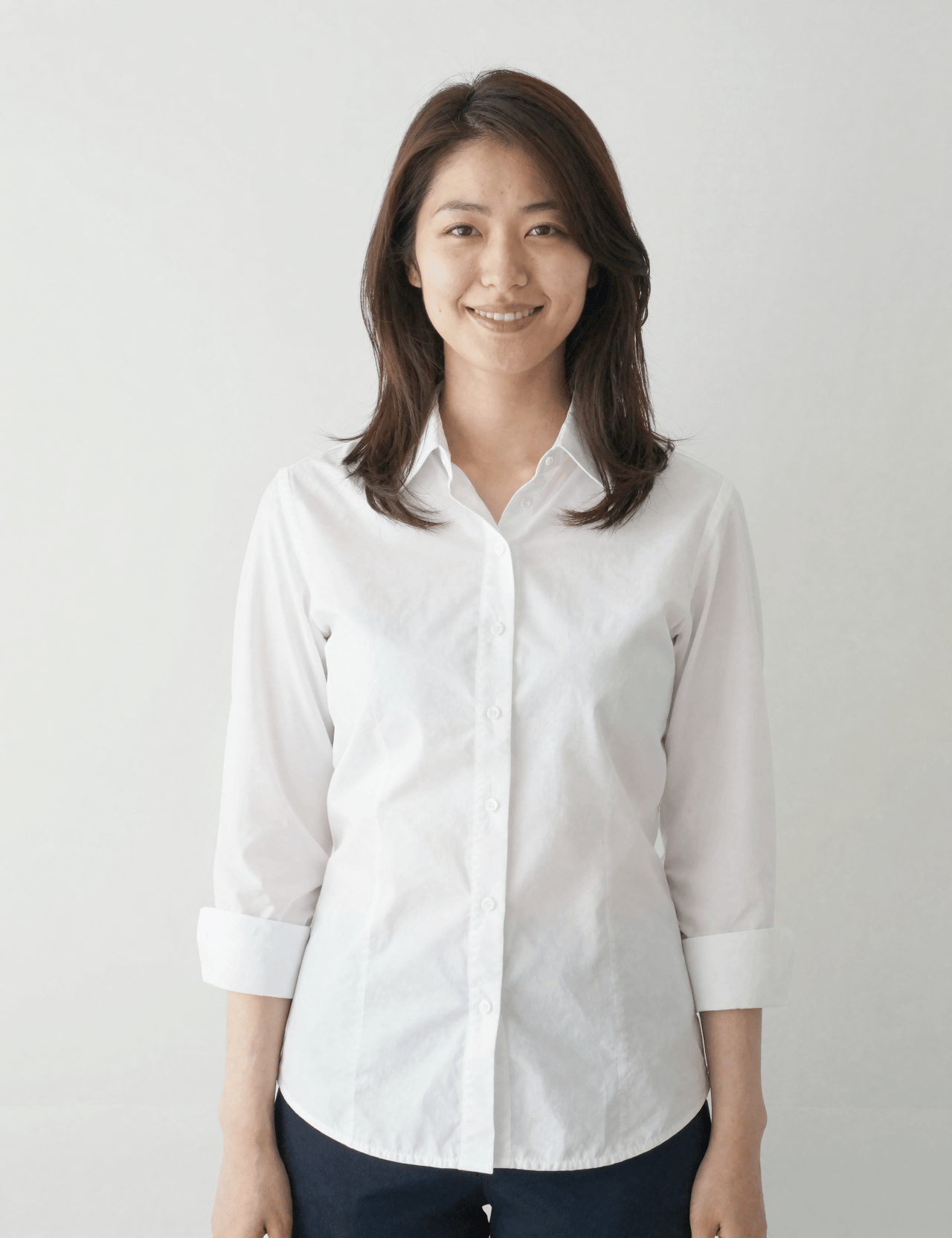
Four-Reference Character Composition
What this test checks
A shared 4:3 multi-reference test. Four separate identities must be preserved while each person performs a different action in one coherent scene.
Verdict:
Nano Banana 2Why this verdict
Nano Banana 2 wins because it preserves the four-subject scene logic more clearly: each person is spatially distinct and the requested actions are easier to read. GPT Image 2 is polished, but the composition is tighter and less diagnostic.

<- drag to compare ->
Reference Images
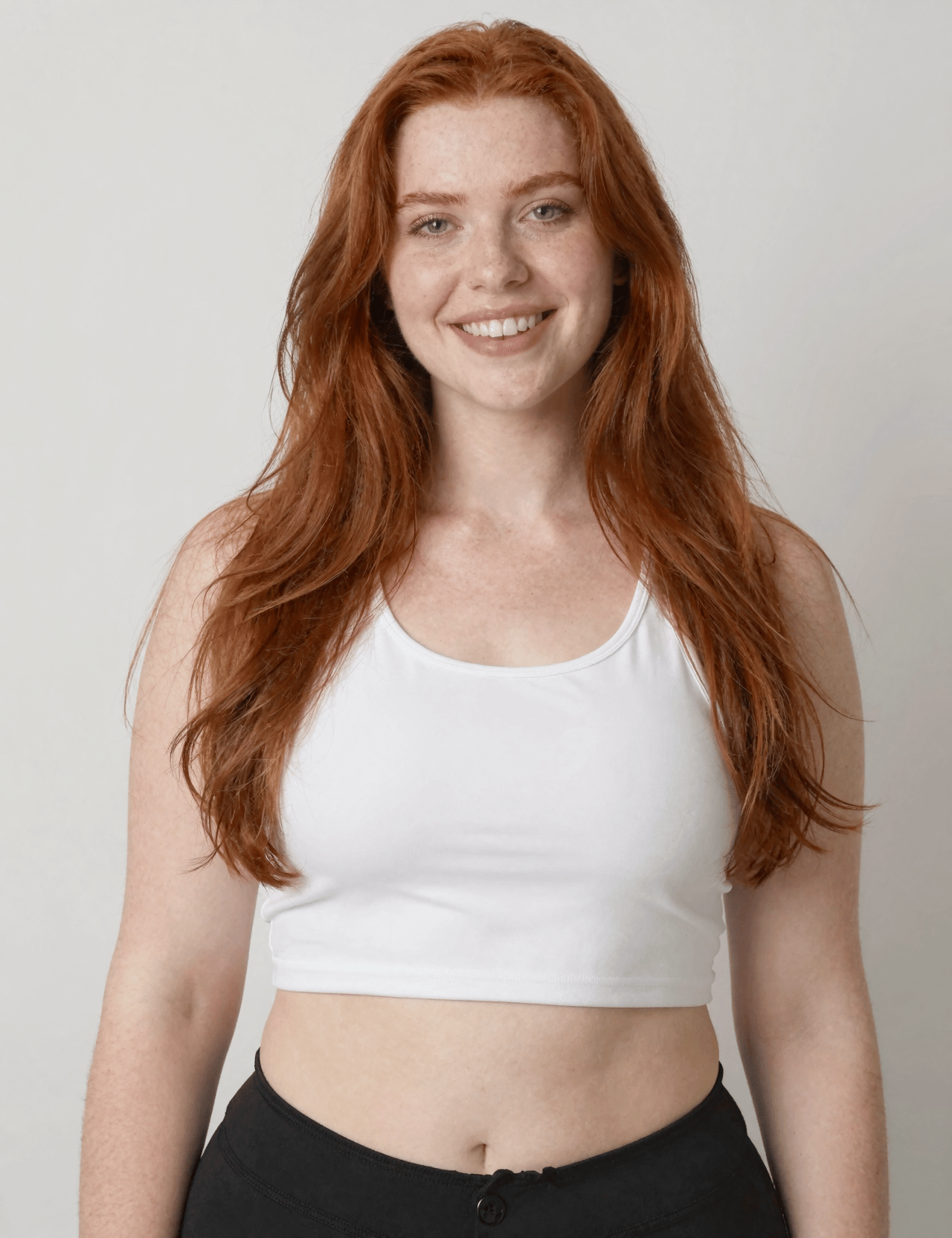
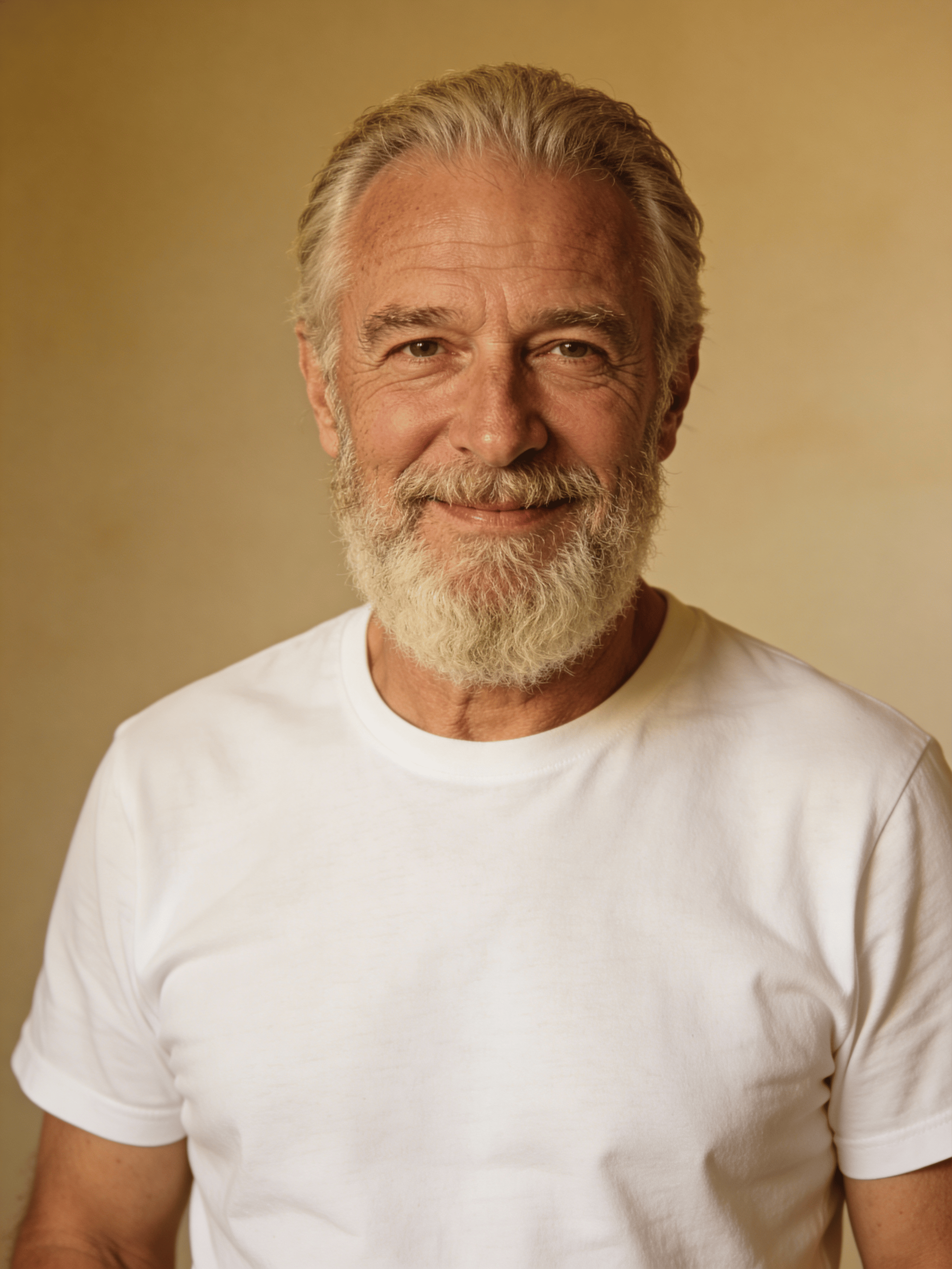

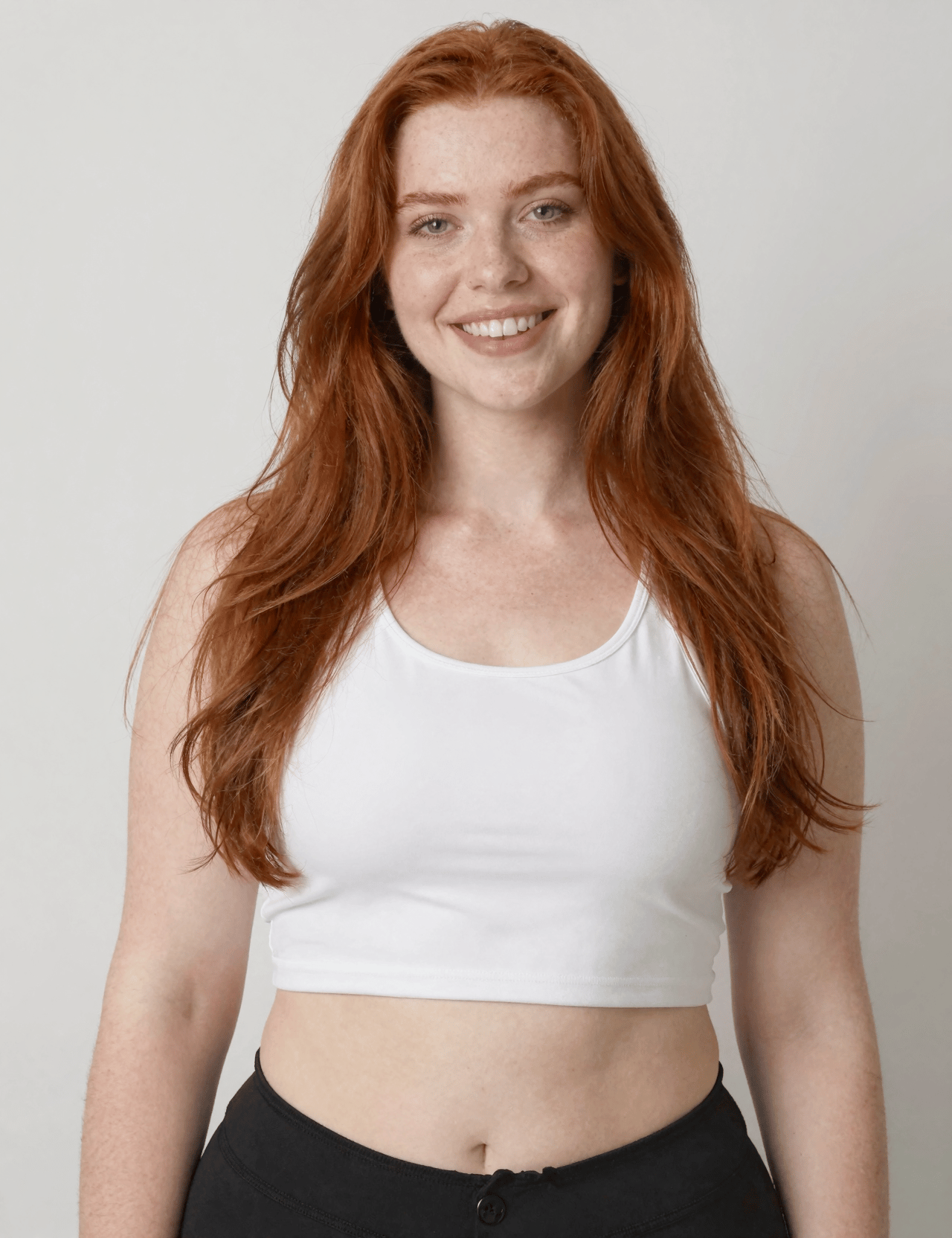
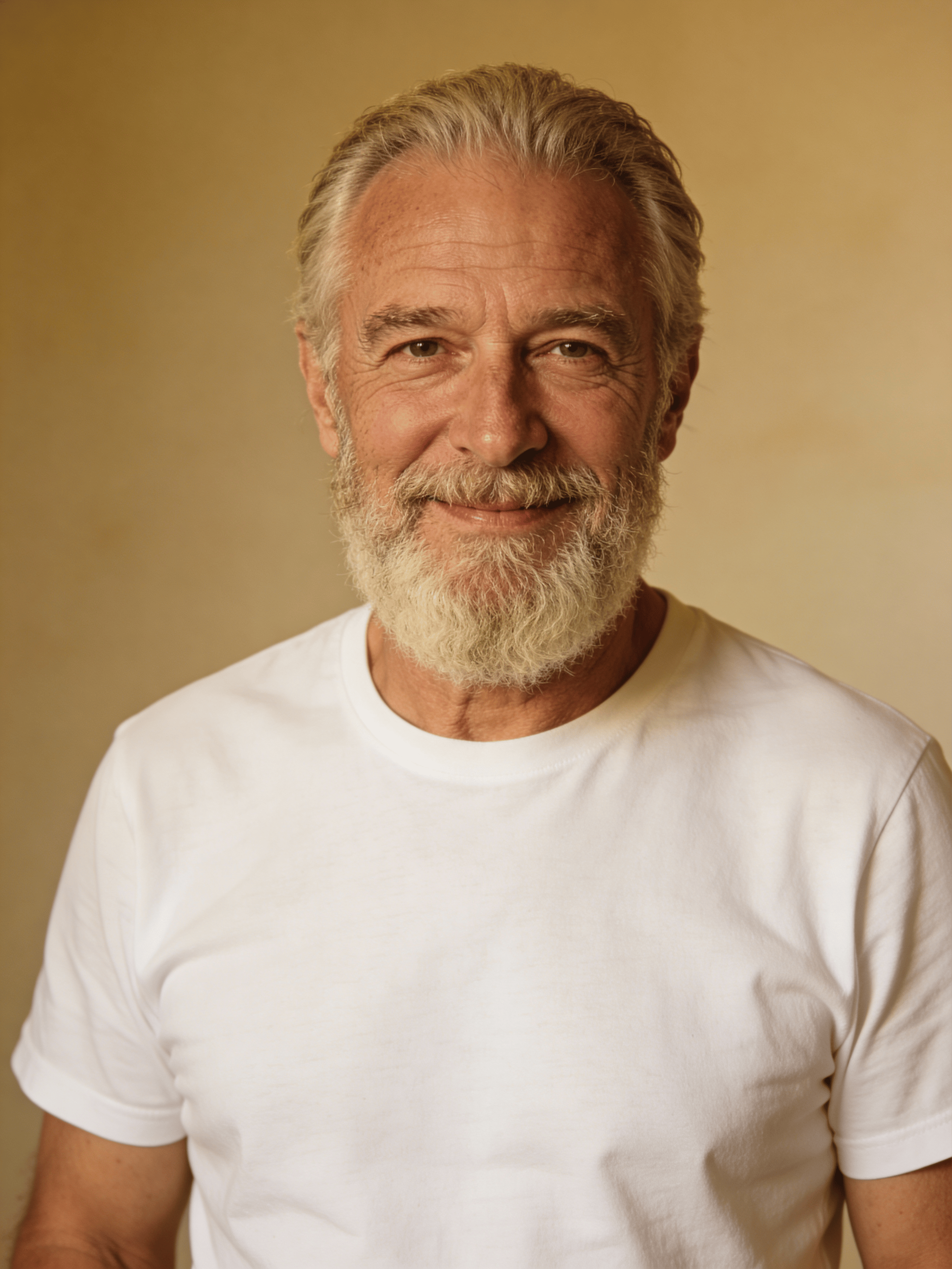
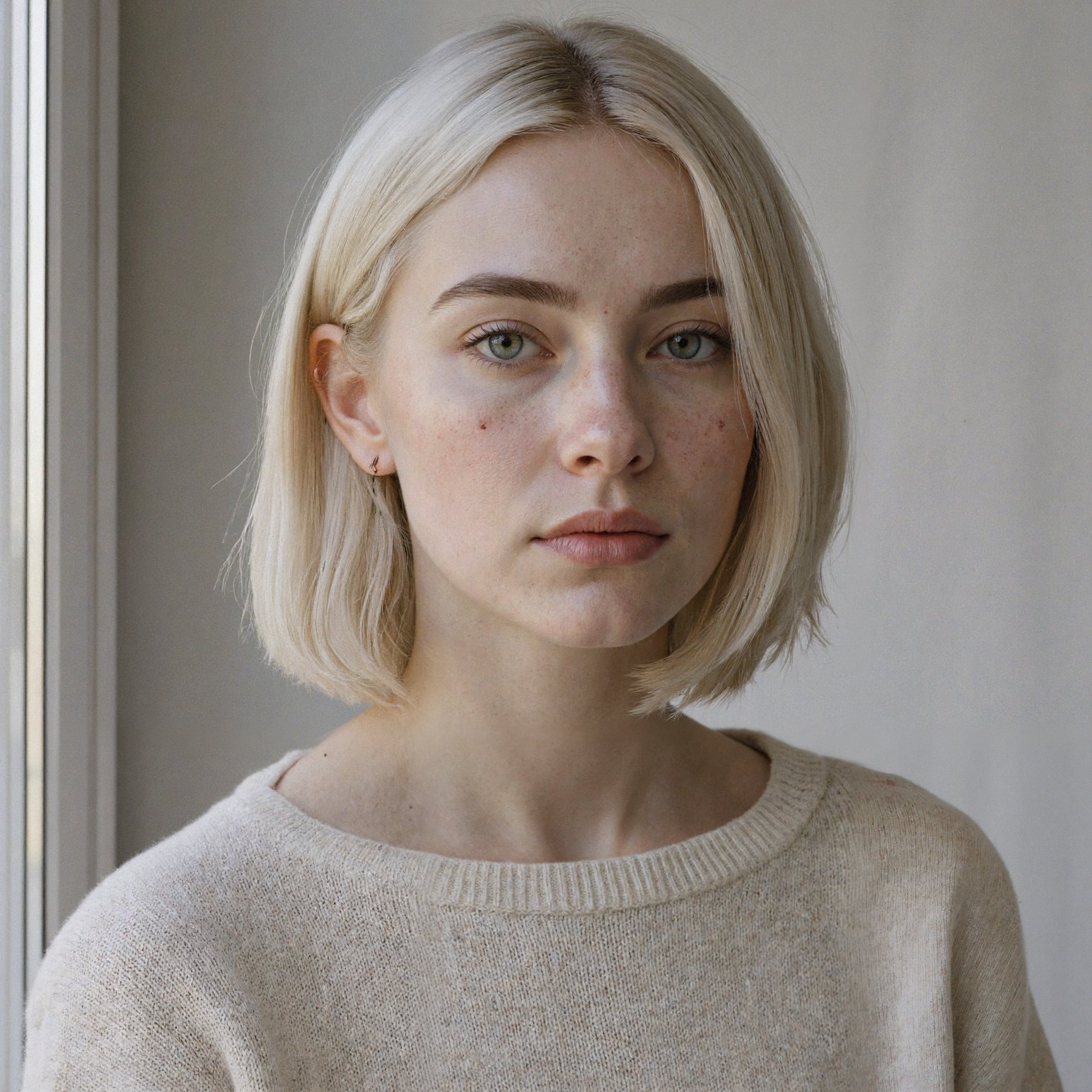
Six-Person Object Mapping Test
What this test checks
The hardest shared-ratio diagnostic on this page: six people, six distinct objects, one scene, and no identity blending or object sharing.
Verdict:
Nano Banana 2Why this verdict
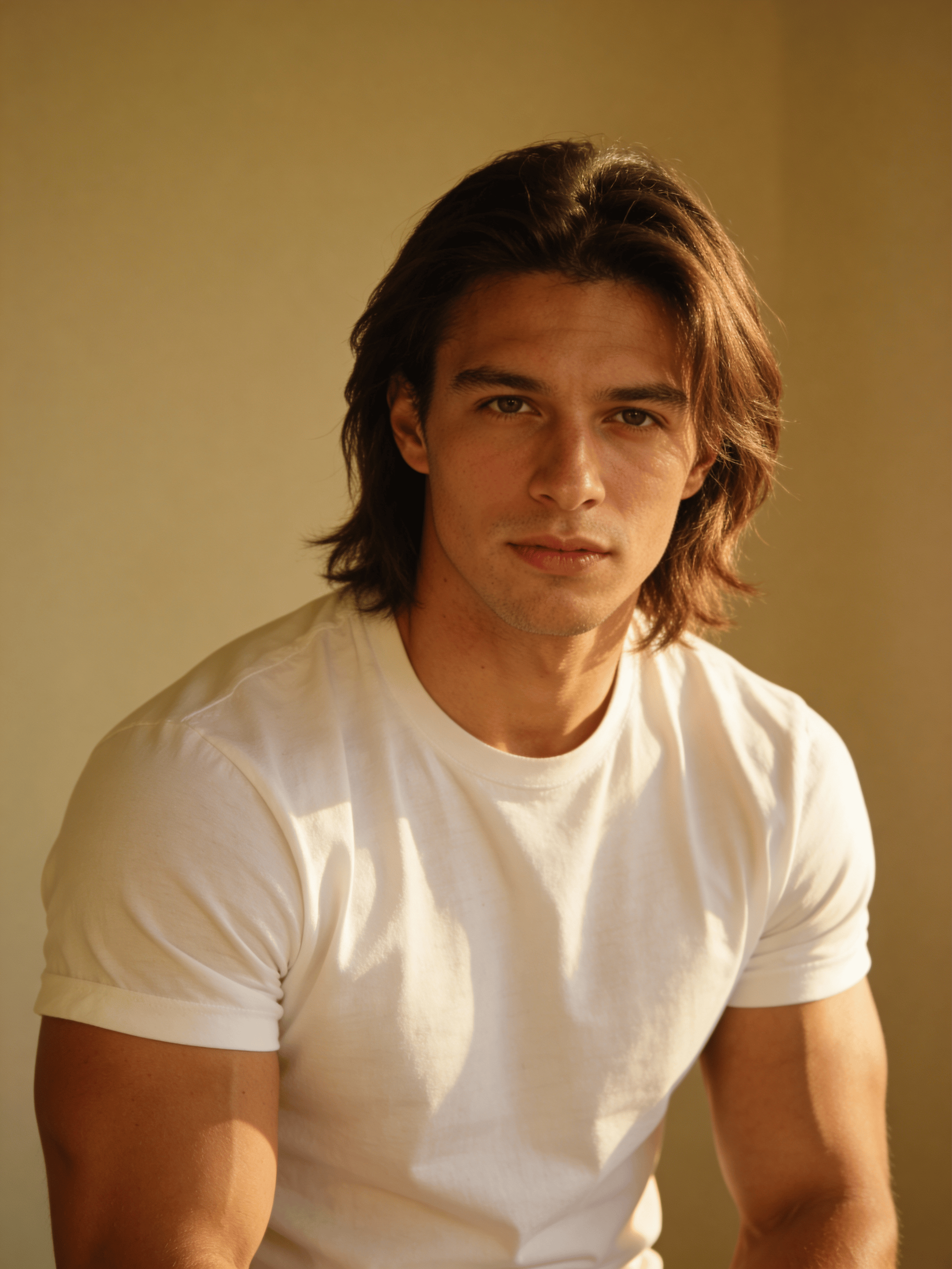
Nano Banana 2 wins because it preserves the six-person action mapping more faithfully. GPT Image 2 creates more realistic individual subjects with stronger facial rendering and skin detail, but it makes the scene feel too orchestrated and camera-facing instead of keeping each subject engaged with their assigned object and action.
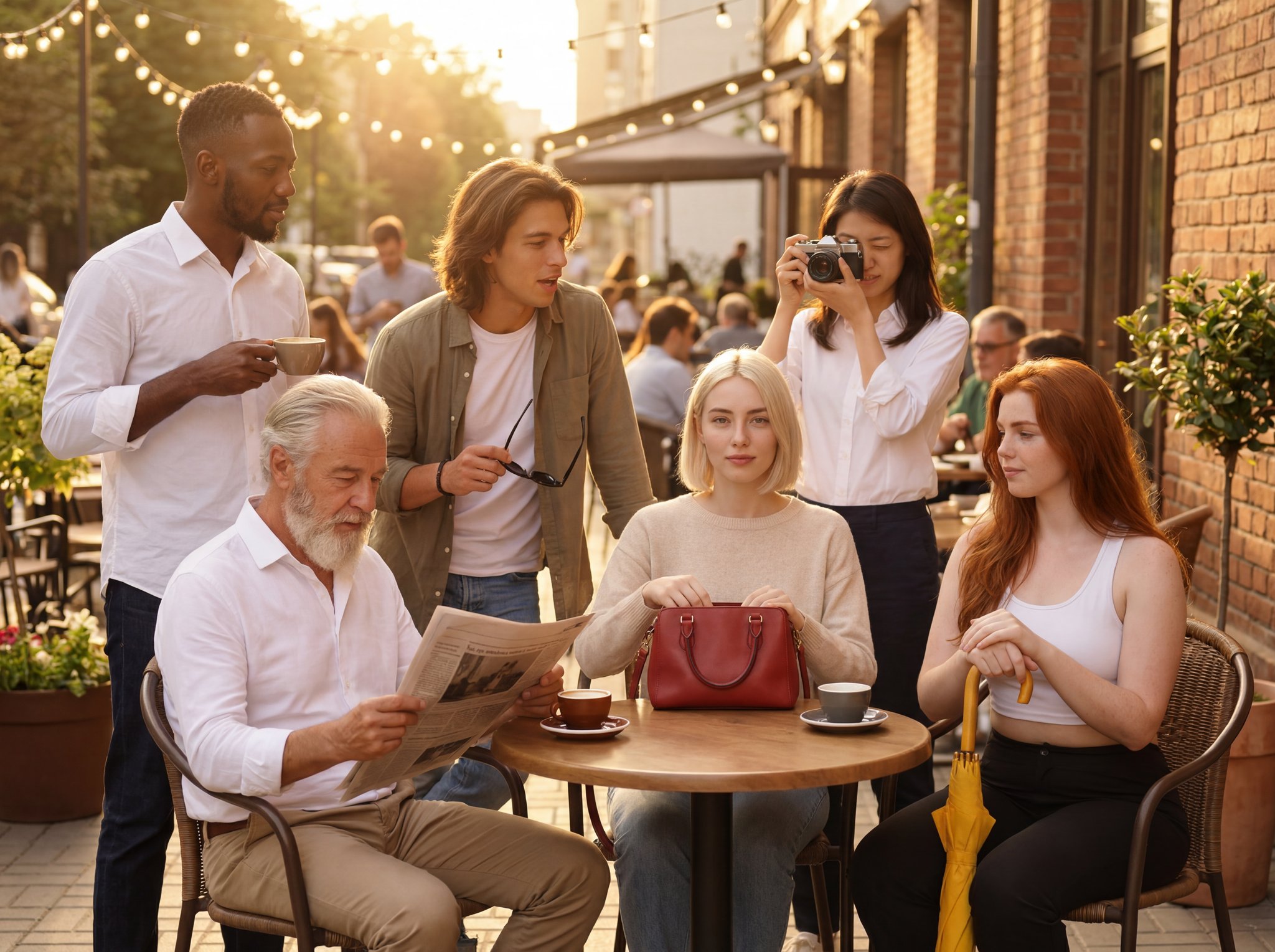
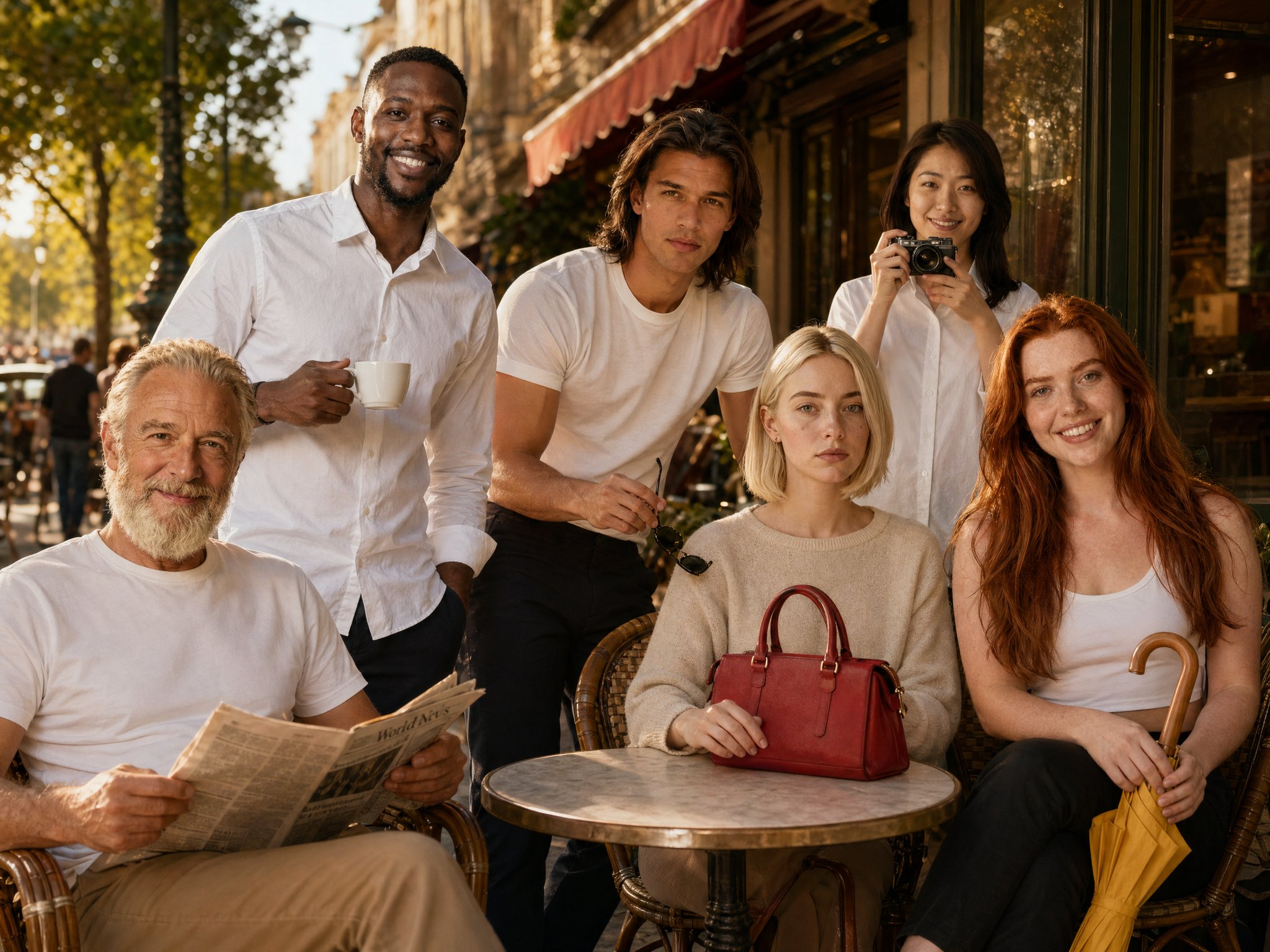
<- drag to compare ->
Reference Images

Creative styles
Compare how each model follows the requested artistic treatment.
Painting Style Fidelity (Luminism)
What this test checks
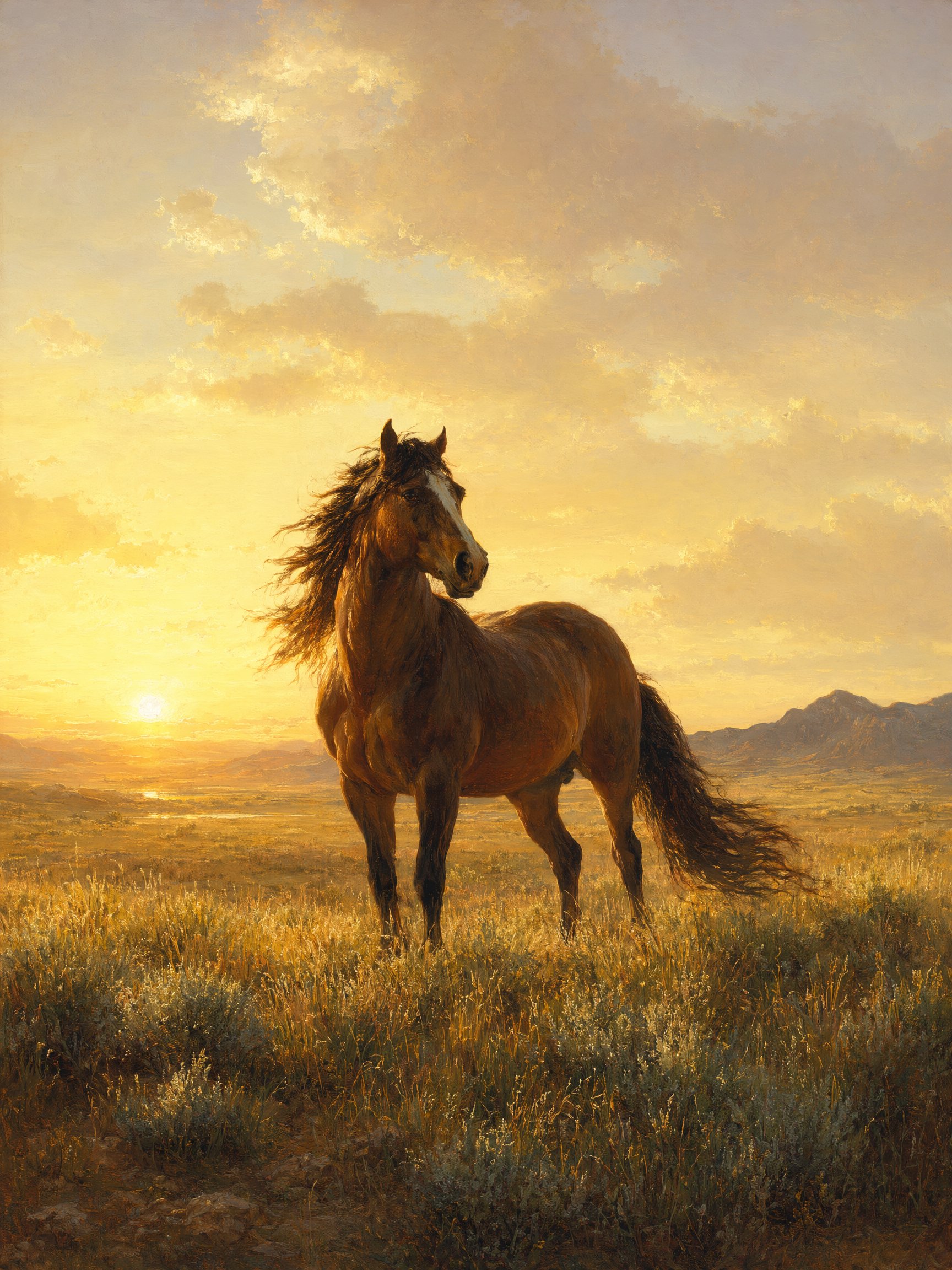
A shared 3:4 style-obedience test. The goal is not generic beauty; it is whether the model can channel luminism through light handling, atmosphere, and tonal restraint.
Verdict:
GPT Image 2Why this verdict
GPT Image 2 wins because the light handling, atmosphere, and central horse composition feel closer to a luminist painting. Nano Banana 2 is attractive, but it reads more cinematic and less tied to the requested painting tradition.

<- drag to compare ->
Image editing
These tests focus on whether the model changes only what was requested while preserving product identity, physical materials, framing, and lighting.
Subject and product preservation
See what stays intact when the background, clothing or lighting changes.
Identity-Preserving Background Change
What this test checks
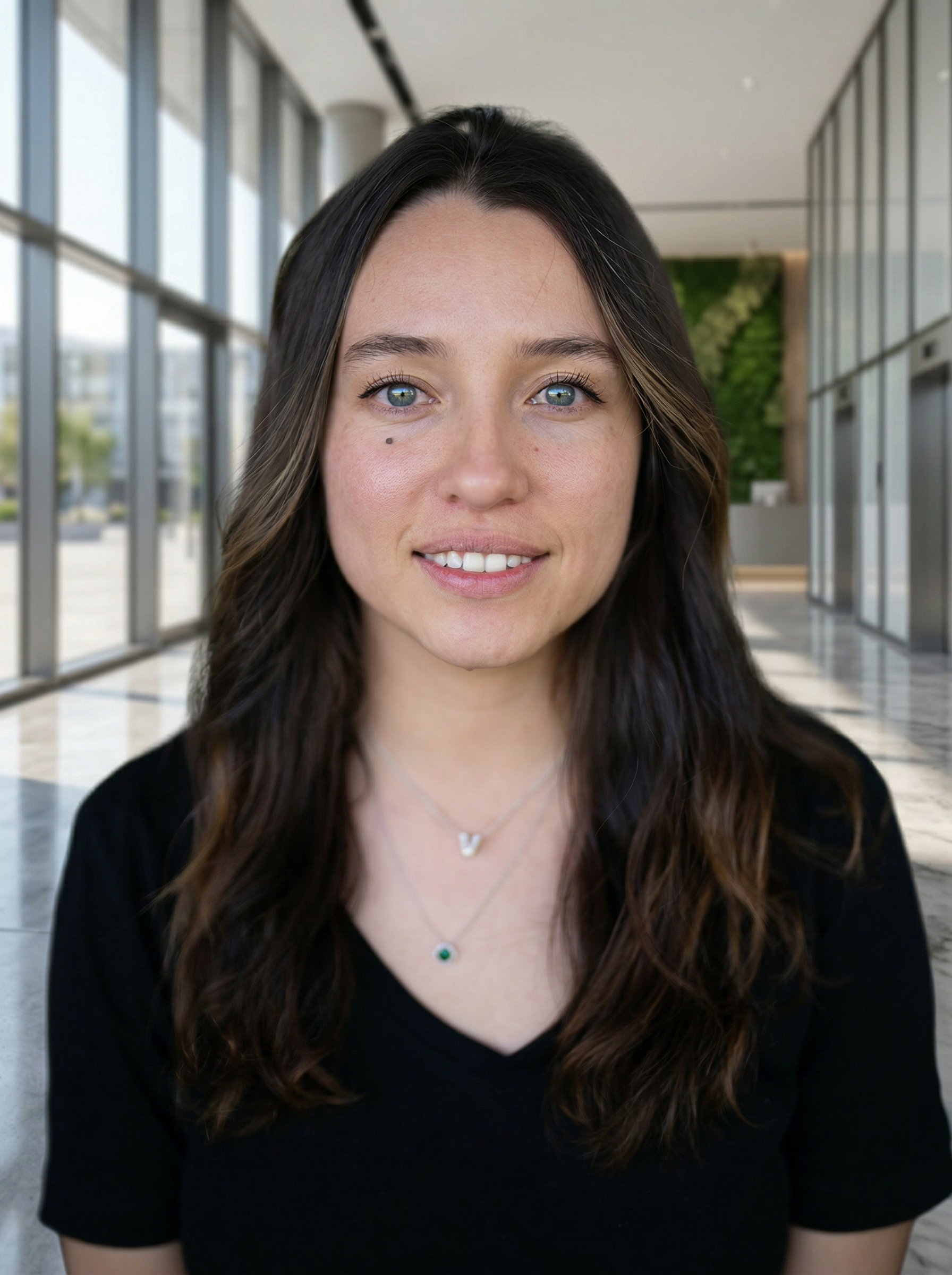
Both models receive the same portrait and must replace only the environment while keeping the subject intact. This is a practical edit benchmark, not a beauty test.
Verdict:
Nano Banana 2Why this verdict
Nano Banana 2 wins because it changes the background while keeping the source face almost intact. GPT Image 2 produces a polished office portrait, but it alters the face more and shifts the subject positioning slightly.

<- drag to compare ->
Compare input vs
Reference-Guided Product Background Swap
What this test checks
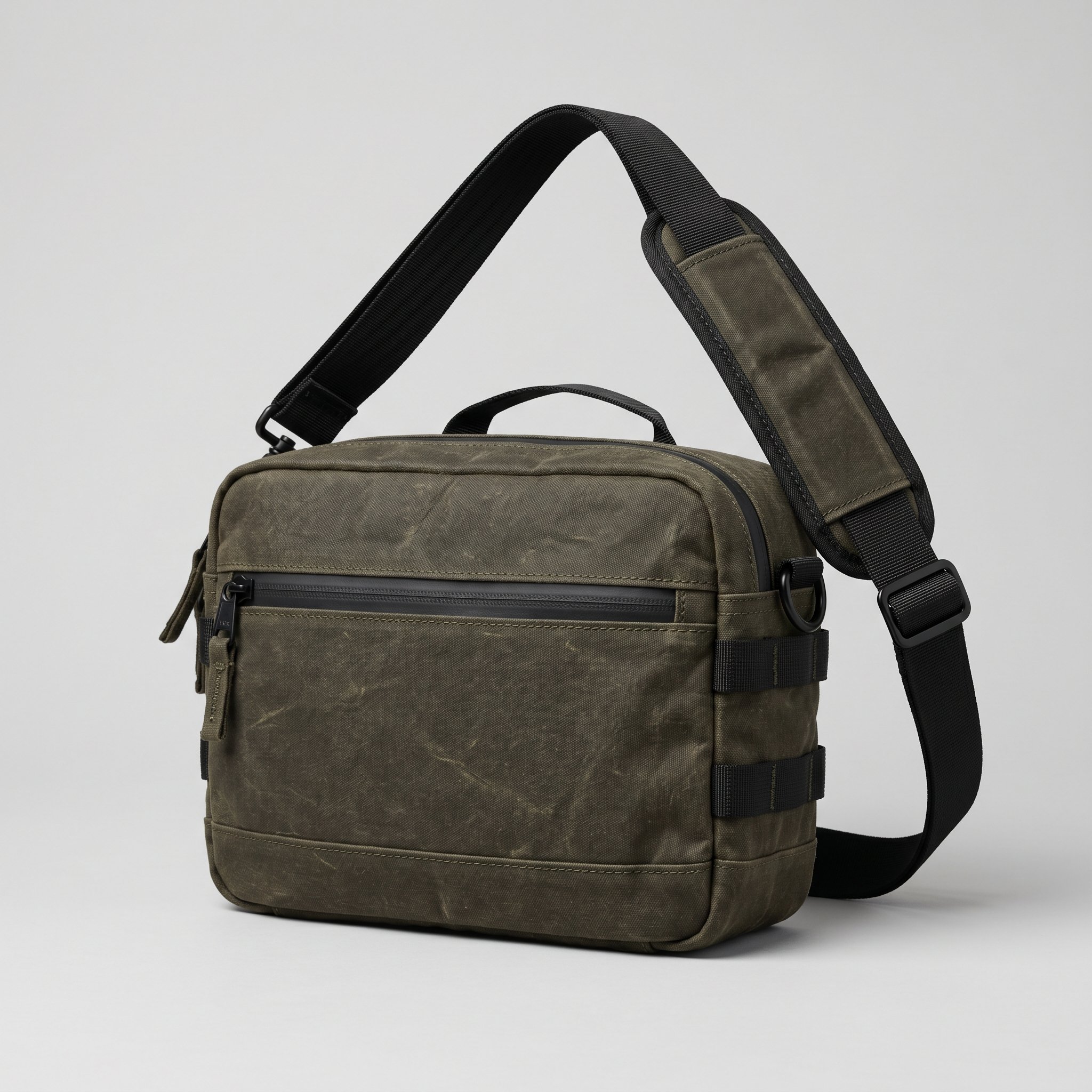
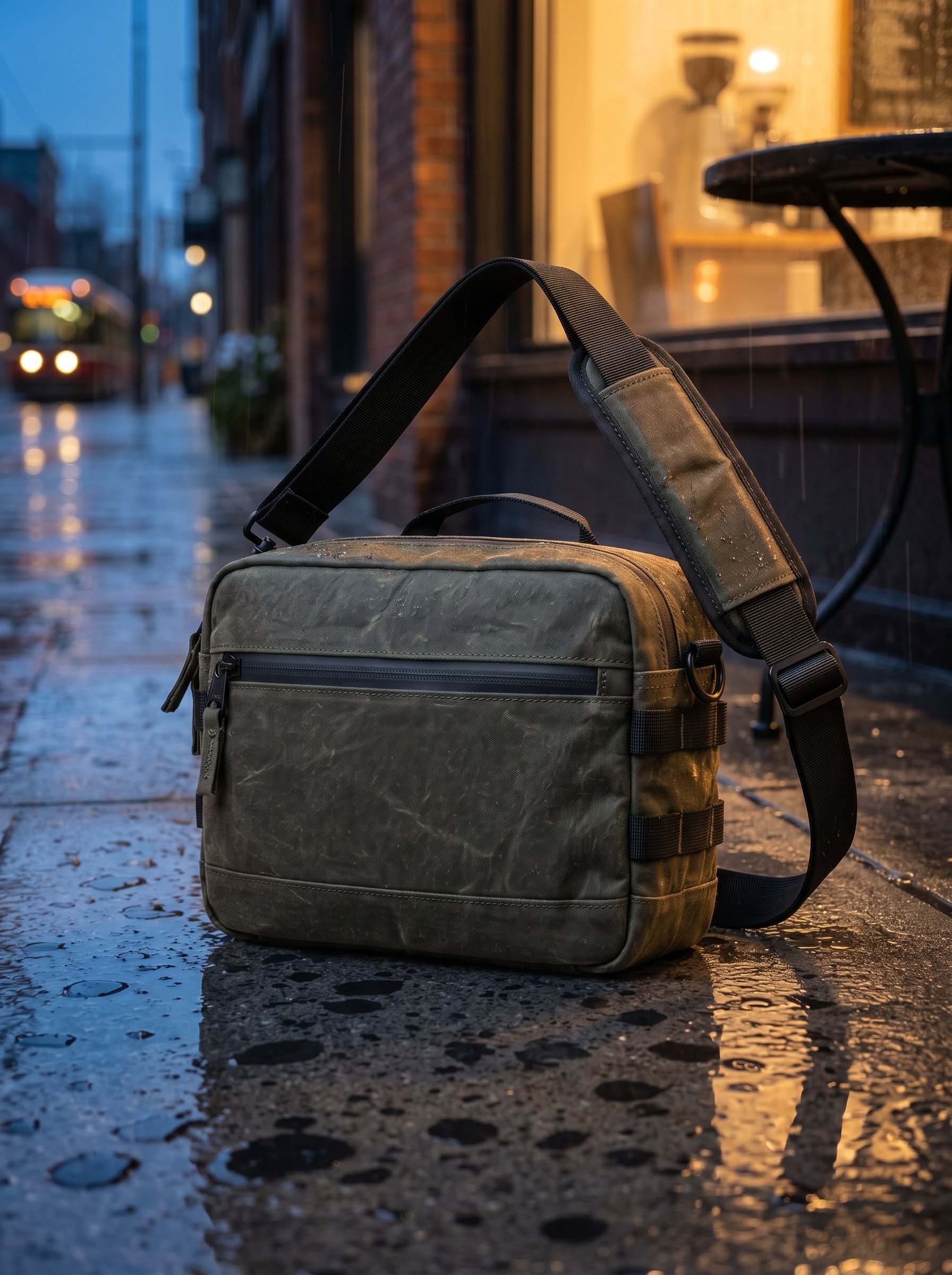
Both models receive the same clean camera-sling reference and must change only the environment. This is a practical ecommerce campaign edit, not a generic beauty test.
Verdict:
Nano Banana 2Why this verdict
Nano Banana 2 wins because it preserves the bag size, shape, and material identity almost exactly while delivering the stronger lighting result. GPT Image 2 also does an excellent job, but Nano Banana 2 honors the background-swap goal more directly.
<- drag to compare ->
Compare input vs
Text replacement
Compare the new wording and the parts of the original image that should stay unchanged.
Physical Sign Text Replacement
What this test checks
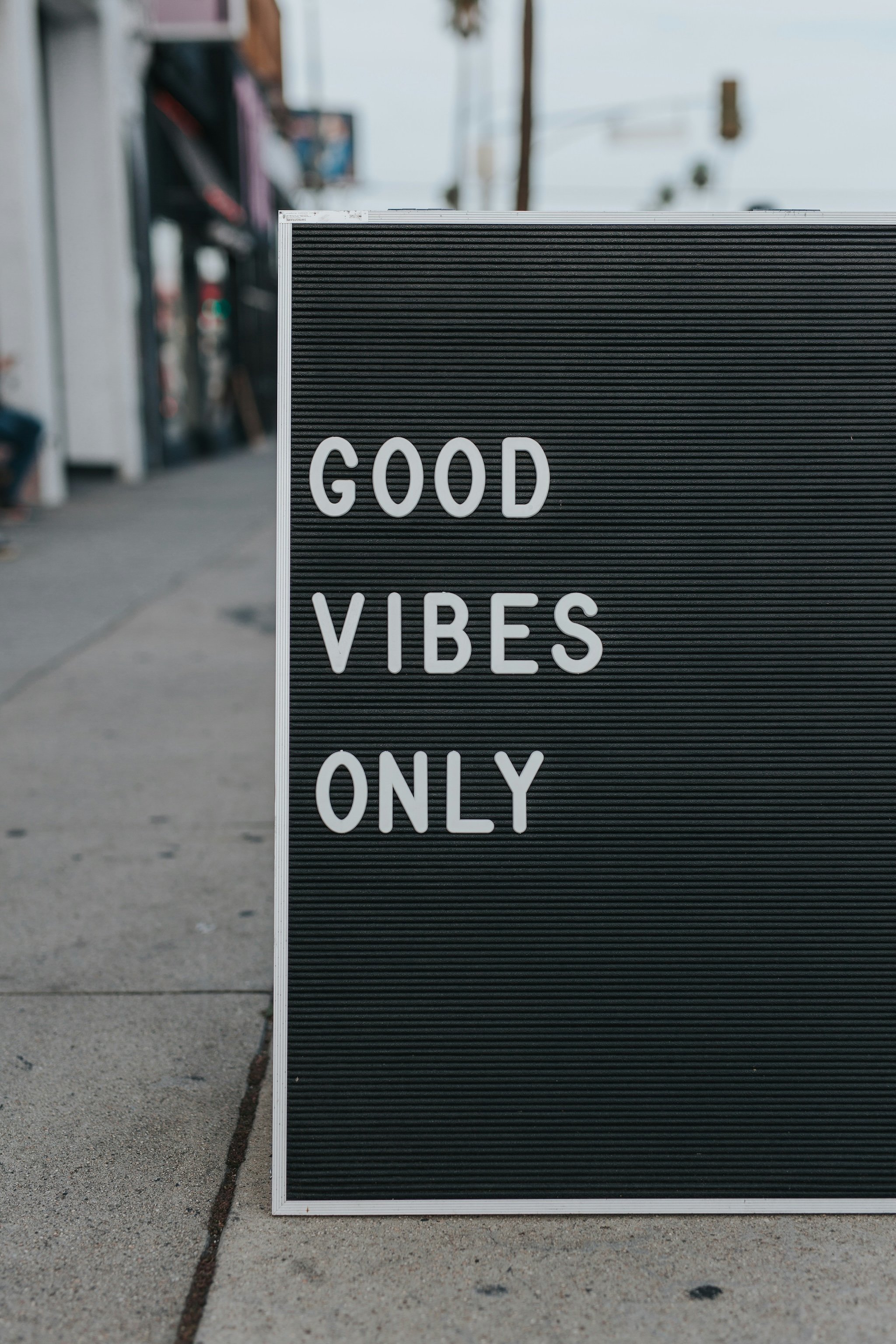
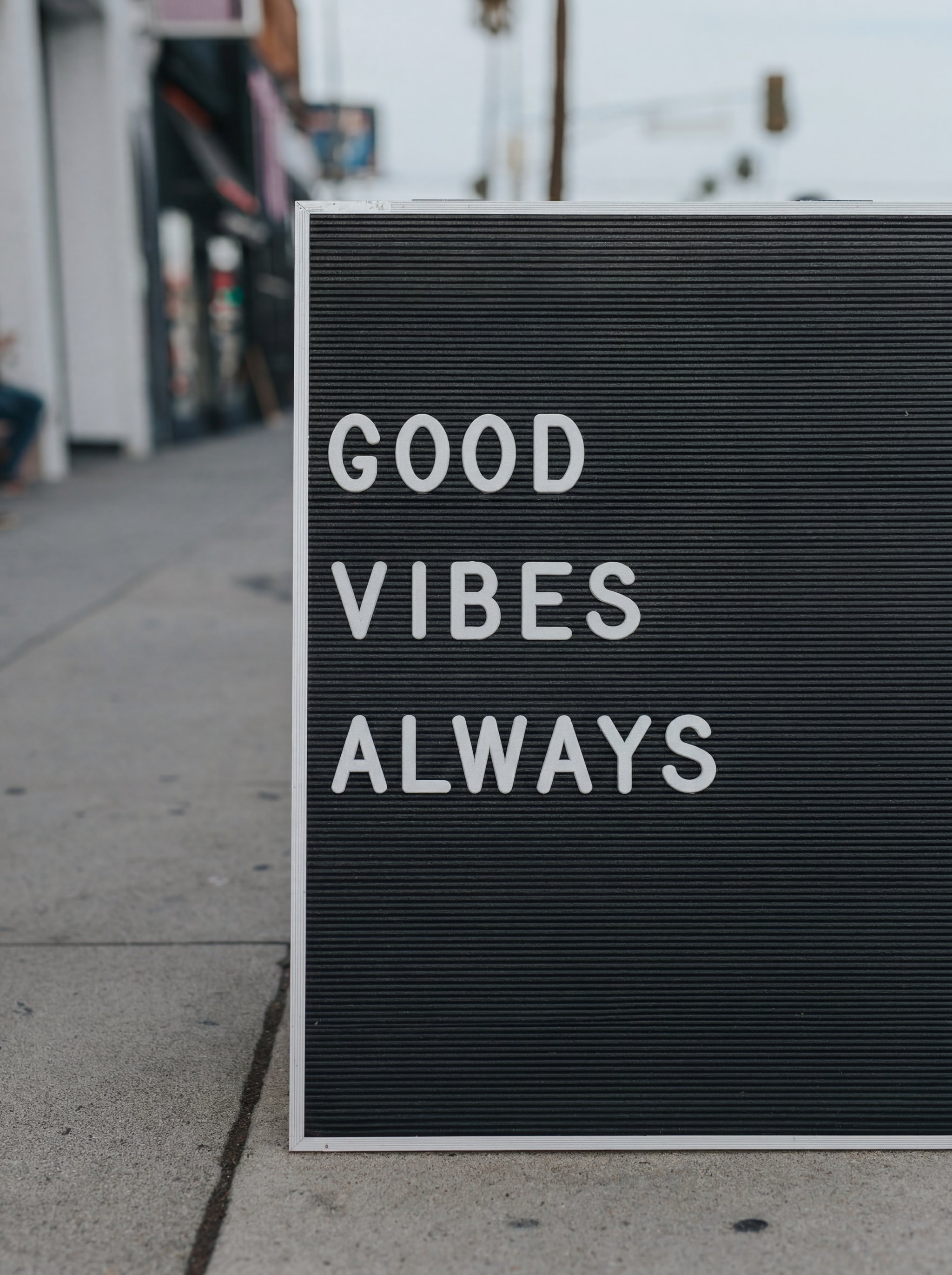
This surgical edit checks whether the model can update one word on a real physical sign while preserving framing, materials, and the surrounding scene.
Verdict:
Nano Banana 2Why this verdict
Nano Banana 2 wins because it changes ONLY to ALWAYS while preserving more of the original board framing, material texture, and sidewalk context. GPT Image 2 also performs the edit cleanly, but it crops and reframes the source more aggressively.
<- drag to compare ->
Compare input vs
Full comparison details
Follow the linked categories to inspect the evidence.
Best default starting point
Nano Banana 2
Fast everyday generation and edits
GPT Image 2
Newest OpenAI workflow for text-heavy production assets
Non-shared formats
Nano Banana 2
4:5, 5:4, 21:9, 4:1, 8:1
GPT Image 2
3:1 and 1:3
Nano Banana 2
Readable, but less finished on text-heavy layouts
GPT Image 2
Wins most text-heavy and layout-heavy tests
Pricing direction
Nano Banana 2
Higher same-size cost than GPT Image 2 medium quality
GPT Image 2
Cheaper medium-quality runs at 1K, 2K, and 4K
High-quality generation speed
Nano Banana 2
Faster in high-quality test runs
GPT Image 2
About 3x slower in high quality mode
Nano Banana 2
Wins all reviewed preservation-heavy edits
GPT Image 2
Strong results, but more source drift in this set
Overall result
Nano Banana 2
Best default for speed, composition, and edits
GPT Image 2
Best for polished text-heavy and production-heavy layouts
How to use these results
- Start with the test closest to your brief. Compare the requested text, composition and reference assignments before judging the overall finish.
- For edits, inspect the original alongside both results. Check the face or product, camera position and areas that should stay unchanged.
- Reuse the exact prompt and shown settings as a starting point. Check current pricing and available settings before generating; verify any factual text yourself.
Which model should you choose?
Nano Banana 2
Start here for fast creative iteration, composition and edits that preserve the source. It won all reviewed preservation-heavy edits and offers ultra-wide 4:1 and 8:1 formats.
GPT Image 2
Test it for readable ads, packshots, editorial layouts and OpenAI-specific workflows. Medium quality offers lower same-size cost; reserve slower high-quality runs for work where the extra polish matters.
Need several versions of the same creative? Explore batch image generation