Baroque aristocrat portrait
A Rembrandt-style historical portrait with rich fabrics, pearls, and dramatic salon lighting.
Generate a photo like thisExplore the prompt- Recommended Workflows
- Gemini 3 Pro Image
- Recommended Aspect Ratio
- 3:4
- Reference Images Required
- 1 image
01 / The recipe
Prompt variants
Use these as short alternate directions for Baroque aristocrat portrait; each variant keeps the recipe recognizable while pushing a different outcome.
A hyper-realistic, Baroque Rembrandt-style waist-up portrait of the woman from the uploaded reference image, depicted as a late 1870s aristocrat. Strictly preserve the subject’s facial features, skin tone, hair, and identity exactly as they appear in the source photo. She is dressed in a luxurious cream-colored ivory satin gown with a tight corset bodice, detailed white lace trim, and powder-blue satin accents on the sleeves. She wears long white opera gloves, a single strand pearl necklace, teardrop pearl earrings, and an oval cameo brooch. In her right hand, she holds an open beige intricate lace fan near her shoulder. The setting is a lavish aristocratic salon with a crystal chandelier, heavy mauve velvet curtains, warm candlelight, and gilded frames. Lighting is soft, warm, and cinematic with high contrast (chiaroscuro). The texture of the lace and satin is highly detailed. 8k resolution, historical drama aesthetic.
02 / Make it yours
A little direction goes a long way.
Create a Baroque aristocrat portrait with a portrait-focused composition that keeps the person recognizable and visually engaging. Start from the reference image so the subject, source structure, or key visual details stay anchored while the style changes. This recipe is useful for profile photos, social avatars, personal branding, character studies, and portrait variations.
Best for / not ideal for
Use this section to decide whether Baroque aristocrat portrait is the right recipe before spending credits on variations.
Best for
- Baroque aristocrat portrait concepts where the example image is close to the result you want.
- Visual directions built around a portrait-first look that preserves identity while changing the visual treatment.
- Compositions that benefit from a background that frames the person without competing with facial features.
- Fast testing with Gemini 3 Pro Image in 3:4.
Not ideal for
- Formal ID photos, passport photos, or strict corporate headshots.
- Subtle retouching where the original photo should barely change.
- Product-only images with no person or character as the subject.
- Cases where exact wardrobe, pose, and lighting must be legally or medically precise.
How to adapt the prompt
Keep the core idea of Baroque aristocrat portrait, then change the details that control identity, style, color, background, and framing.
Subject and likeness
Style intensity
Color palette
Background simplicity
Composition and crop
Common fixes
If Baroque aristocrat portrait is close but not usable yet, make one of these targeted prompt edits before changing everything.
Subject drift
Too busy or chaotic
Colors overpower the subject
Image feels flat
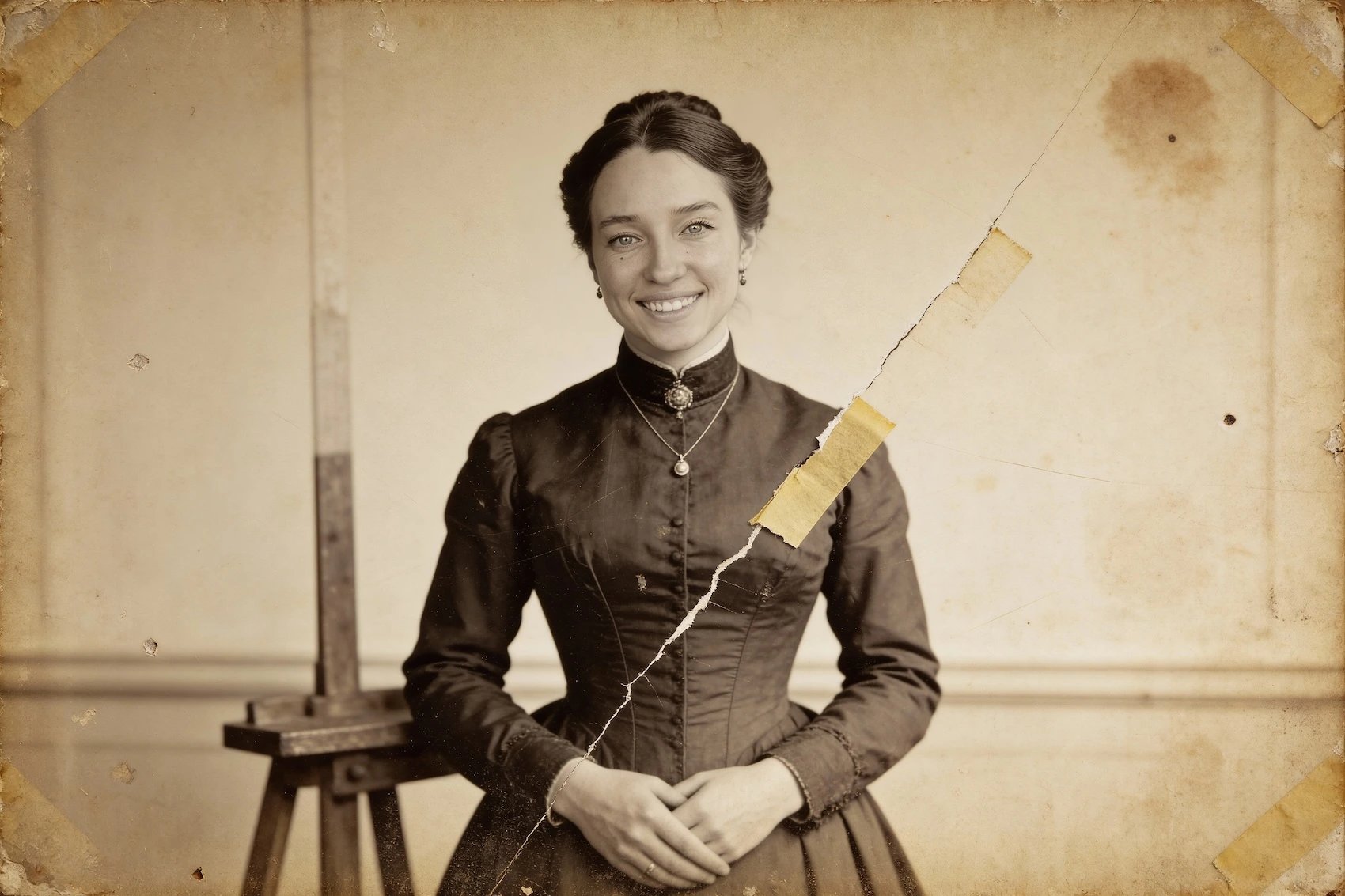
Vintage 1870 portrait
Vintage 1870 portrait focuses on a recognizable portrait result with clear subject presence and useful creative variations.
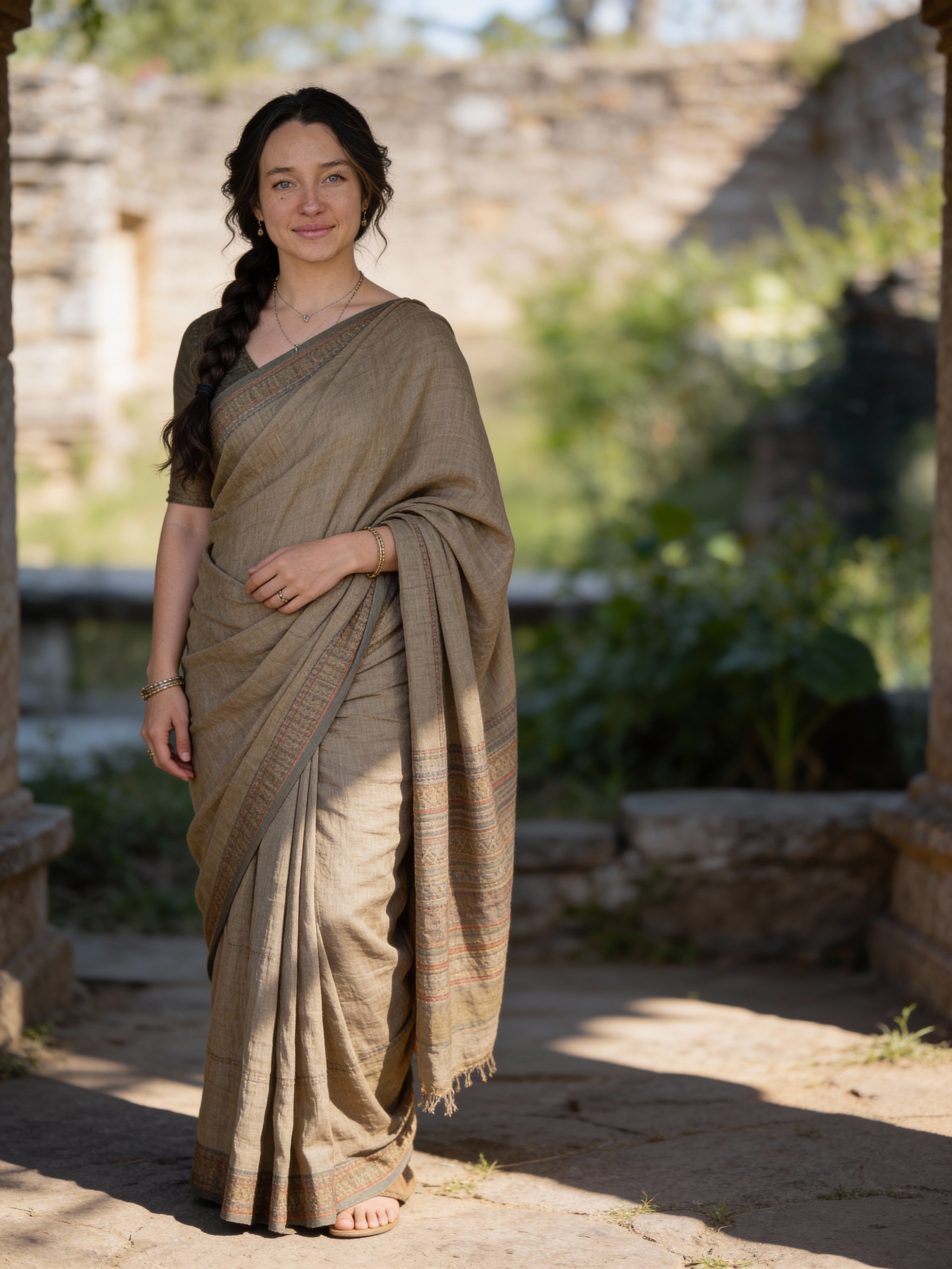
Historical South Asian portrait
Historical South Asian portrait creates a cinematic character concept with stronger costume, atmosphere, and story cues.
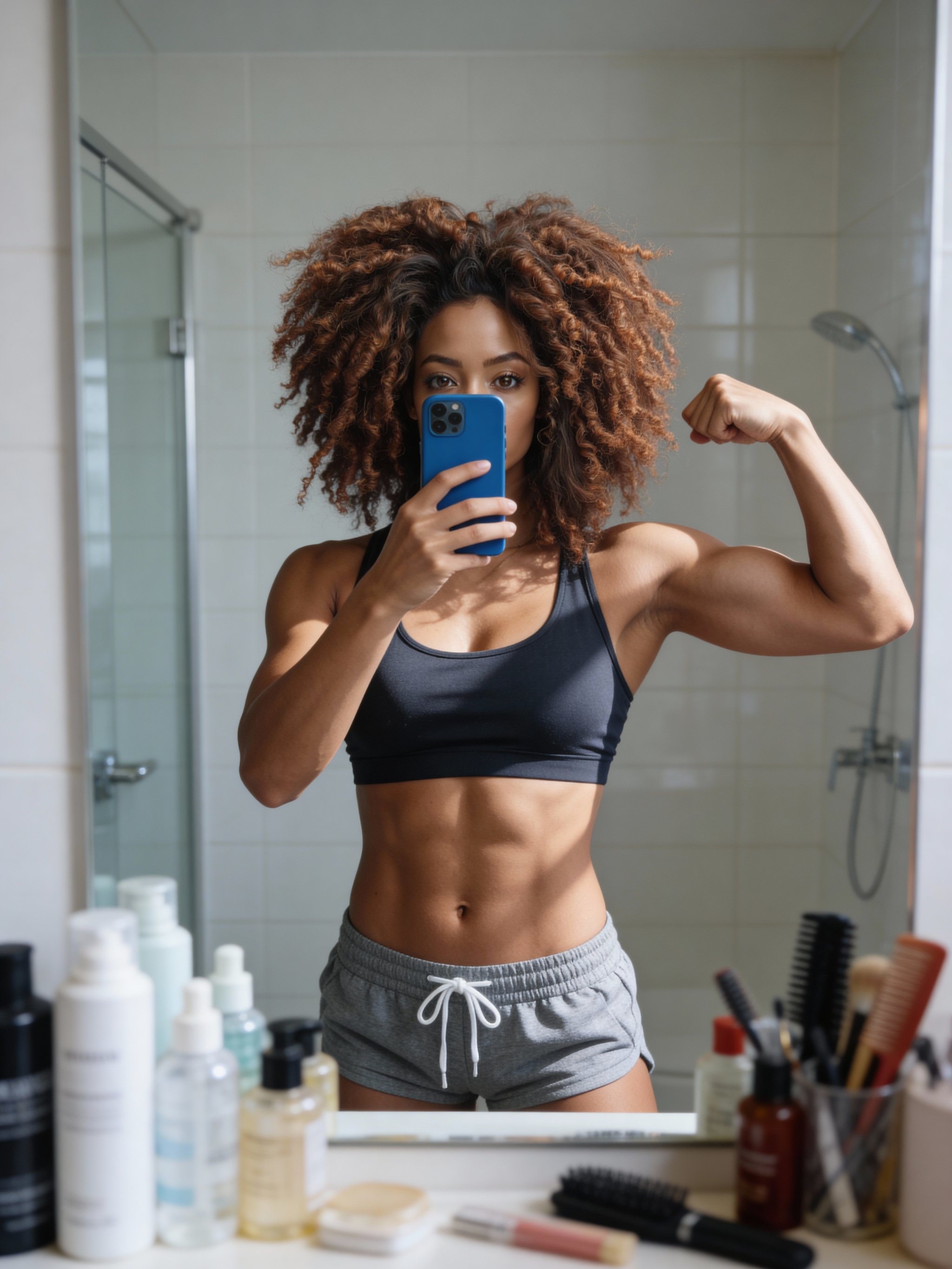
Bathroom mirror selfie (woman)
Bathroom mirror selfie (woman) turns an athlete or action moment into a polished sports visual for posters, teams, and social campaigns.
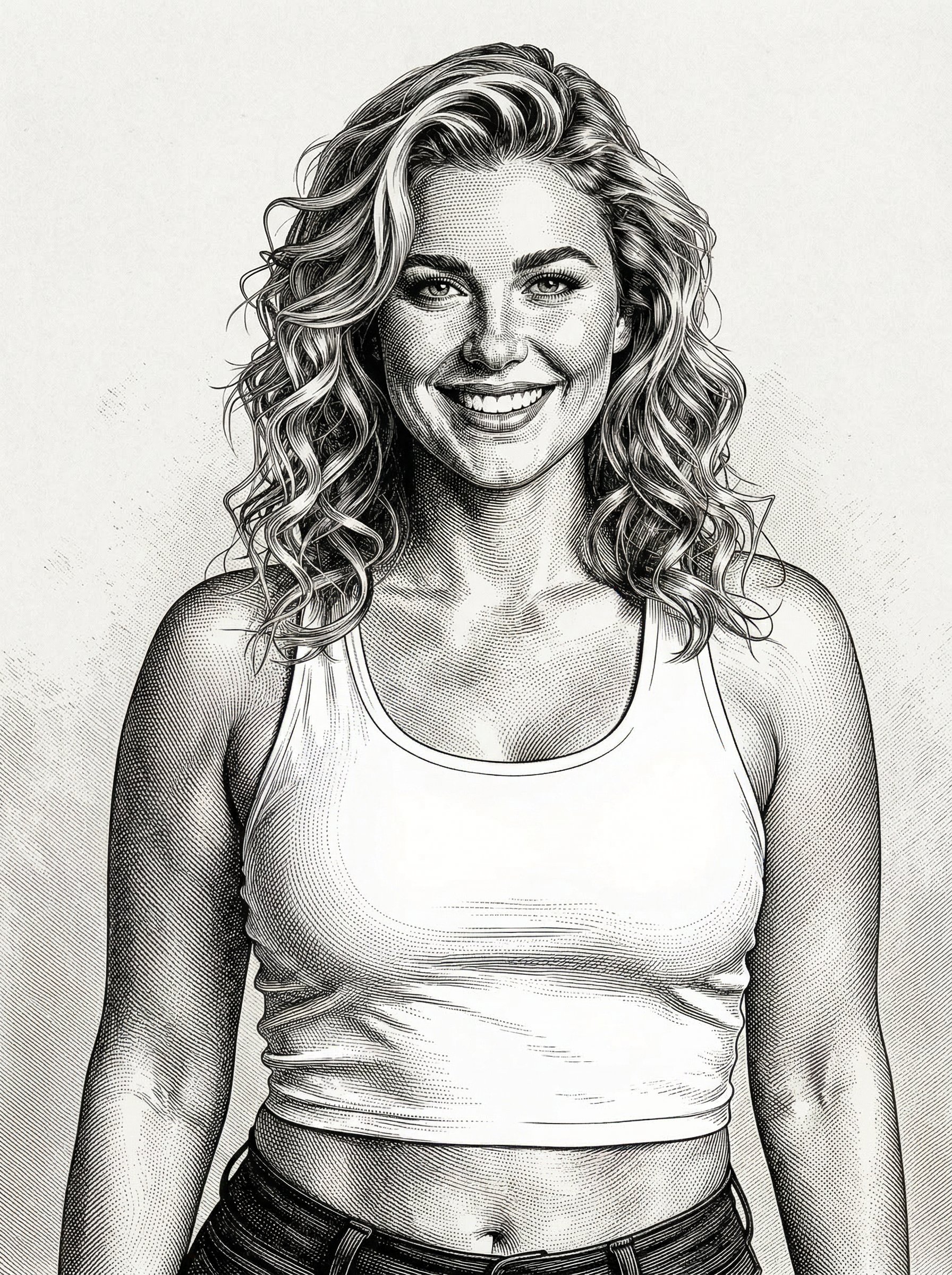
Gustave Dore portrait illustration
Gustave Dore portrait illustration explores a fashion or editorial portrait direction with stronger styling and campaign-ready composition.
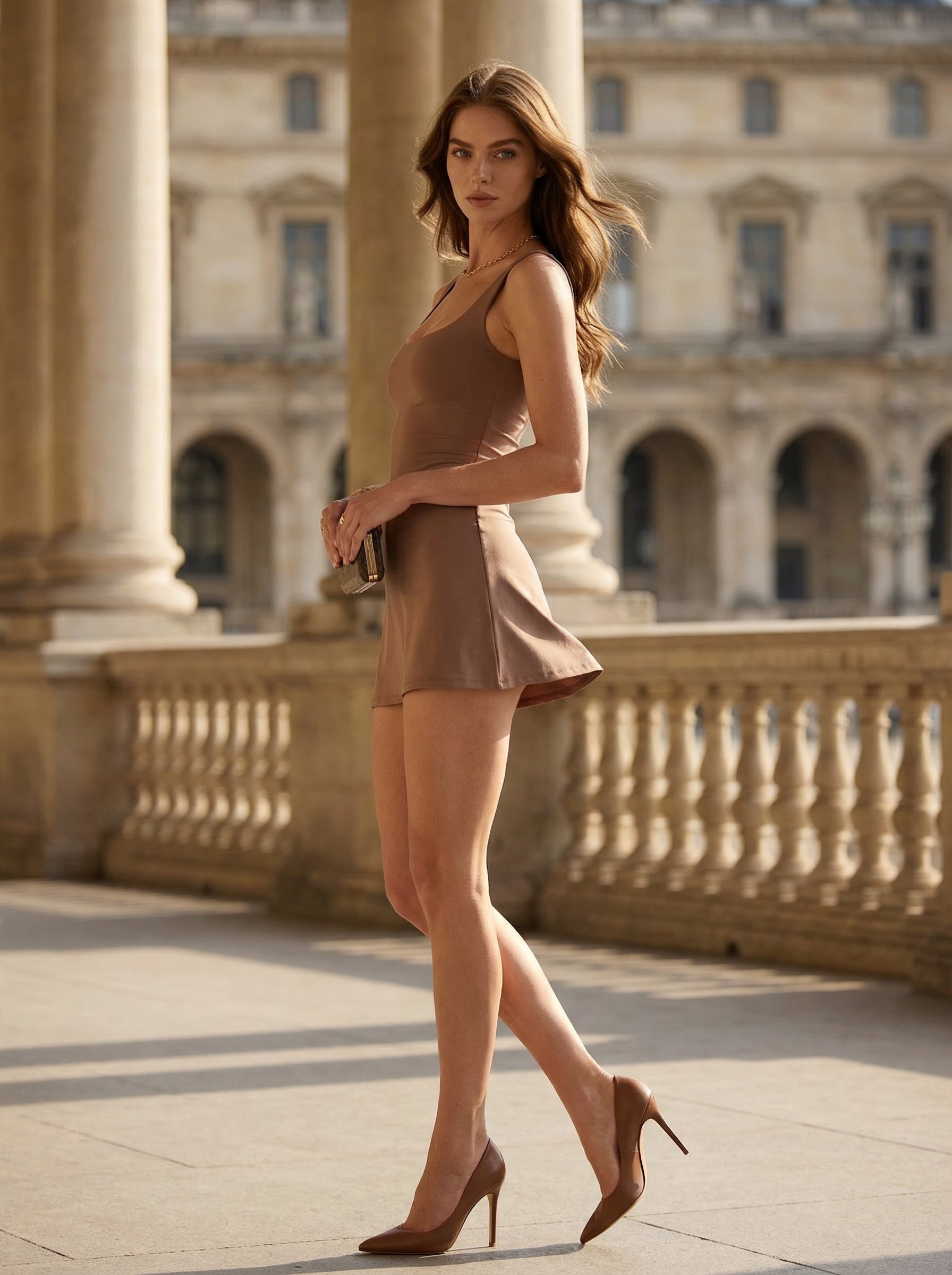
Classical Plaza Brown Couture Portrait
Classical Plaza Brown Couture Portrait explores a fashion or editorial portrait direction with stronger styling and campaign-ready composition.
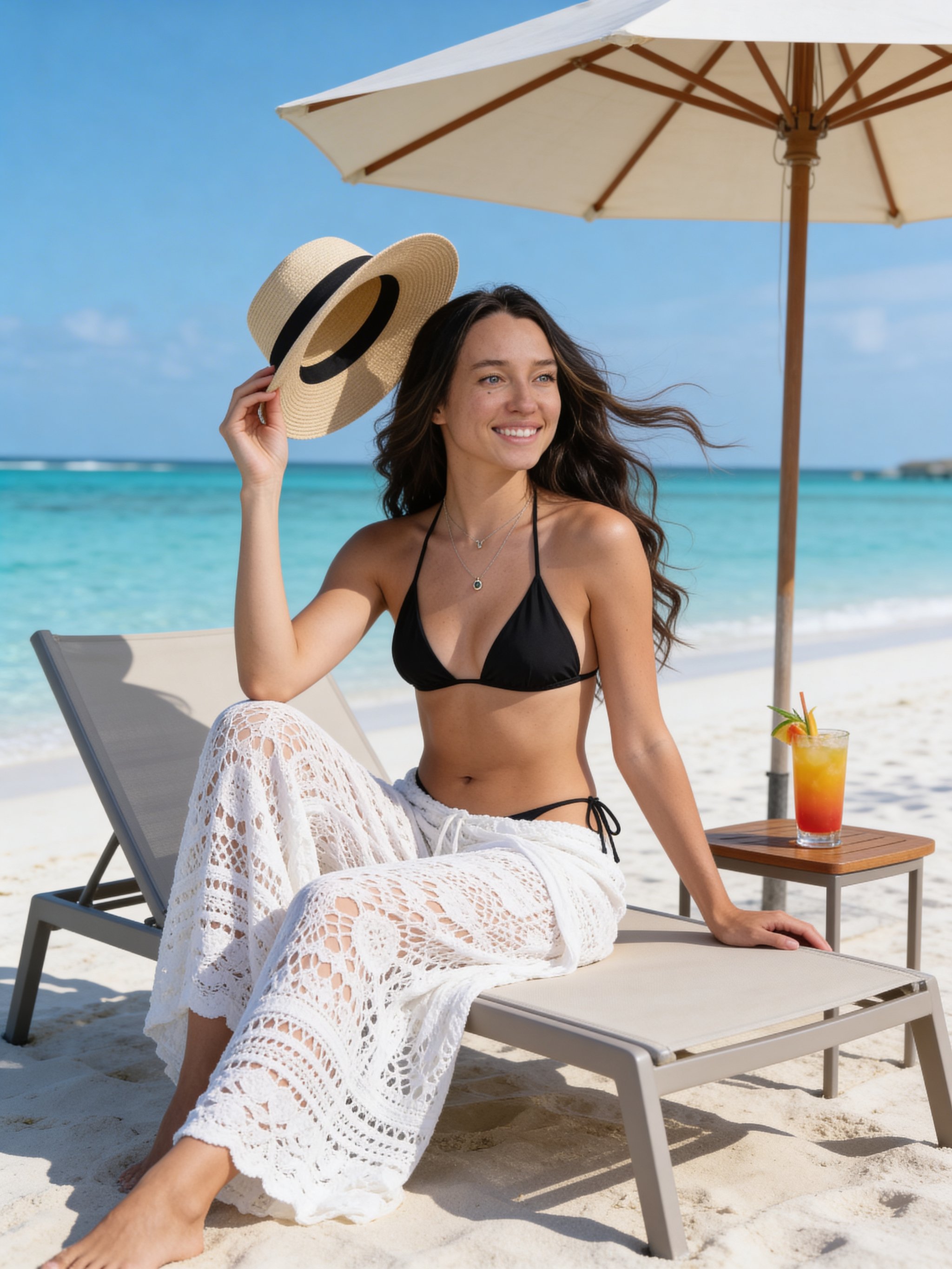
Maldives Bikini Beach Lounge Portrait
Maldives Bikini Beach Lounge Portrait explores a fashion or editorial portrait direction with stronger styling and campaign-ready composition.
Make it yours
Create with this recipe.
Open this recipe in the generator and add your details.
Generate a photo like this