Studio portrait in green tones
A warm, nostalgic studio portrait with muted olive styling.
Generate a photo like thisExplore the prompt- Recommended Workflows
- Seedream 4.5, GPT Image 1.5, Gemini 3 Pro Image
- Recommended Aspect Ratio
- 3:4 (Portrait)
- Reference Images Required
- 1 image
01 / The recipe
Prompt variants
Use these as short alternate directions for Studio portrait in green tones; each variant keeps the recipe recognizable while pushing a different outcome.
Use the person from the reference photo as the main subject. Keep their exact facial features, hairstyle, skin tone, and expression perfectly unchanged preserve all realism, emotional depth, and subtle facial lighting. Allow changes only in camera position, background motion, and atmosphere. SCENE & COMPOSITION Vertical medium-shot studio portrait. The man sits on a simple wooden or metal stool, gentle half-profile torso turn. One leg crossed over the other for a relaxed, composed posture; hands resting naturally. Overall mood: quiet, calm, restrained. CLOTHING Shirt (top layer): Oversized shirt in faded olive, dusty khaki, or washed military green. Soft textured cotton, sleeves rolled to mid-forearm, natural subtle wrinkles. T-shirt (underlayer): Washed charcoal matte tee, no logos, slightly fitted under the shirt. Trousers: Wide-leg trousers in deep charcoal or washed black; matte heavy-duty cotton or wool blend, straight lines, minimal folds. Accessories: None or very minimal-eg. simple old-style metal watch. BACKGROUND Heavy matte fabric backdrop (velvet or thick cotton) in deep forest green, warm olive, or muted army green. Soft draping with subtle folds; warm gradient fall-off toward the edges. LIGHTING Warm nostalgic studio lighting (4500-5000K). Large softbox for wraparound illumination. Soft golden skin highlights, lifted shadows for a matte non-contrasty look. Mild rim light along cheek and hair; faint vignette around edges. Mood inspired by 70s early 90s studio portraits. CAMERA/OPTICAL LOOK 85mm vintage portrait lens, f/2.8 depth of field. Soft micro-contrast, slight halation, very fine film grain, matte warm-muted profile. COLOR/STYLE Warm nostalgic palette with muted military tones: golden skin, faded olive, dusty khaki, charcoal. Matte texture, lifted blacks, compressed highlights, subtle organic film grain. Overall: soft warm film portrait with restrained post-war aesthetic, Kodak Portra-inspired
02 / Make it yours
A little direction goes a long way.
Create a Studio portrait in green tones with a portrait-focused composition that keeps the person recognizable and visually engaging. Start from the reference image so the subject, source structure, or key visual details stay anchored while the style changes. This recipe is useful for profile photos, social avatars, personal branding, character studies, and portrait variations.
Best for / not ideal for
Use this section to decide whether Studio portrait in green tones is the right recipe before spending credits on variations.
Best for
- Studio portrait in green tones concepts where the example image is close to the result you want.
- Visual directions built around a portrait-first look that preserves identity while changing the visual treatment.
- Compositions that benefit from a background that frames the person without competing with facial features.
- Fast testing with Seedream 4.5, GPT Image 1.5, and Gemini 3 Pro Image in 3:4 (Portrait).
Not ideal for
- Formal ID photos, passport photos, or strict corporate headshots.
- Subtle retouching where the original photo should barely change.
- Product-only images with no person or character as the subject.
- Cases where exact wardrobe, pose, and lighting must be legally or medically precise.
How to adapt the prompt
Keep the core idea of Studio portrait in green tones, then change the details that control identity, style, color, background, and framing.
Subject and likeness
Style intensity
Color palette
Background simplicity
Composition and crop
Common fixes
If Studio portrait in green tones is close but not usable yet, make one of these targeted prompt edits before changing everything.
Subject drift
Too busy or chaotic
Colors overpower the subject
Image feels flat
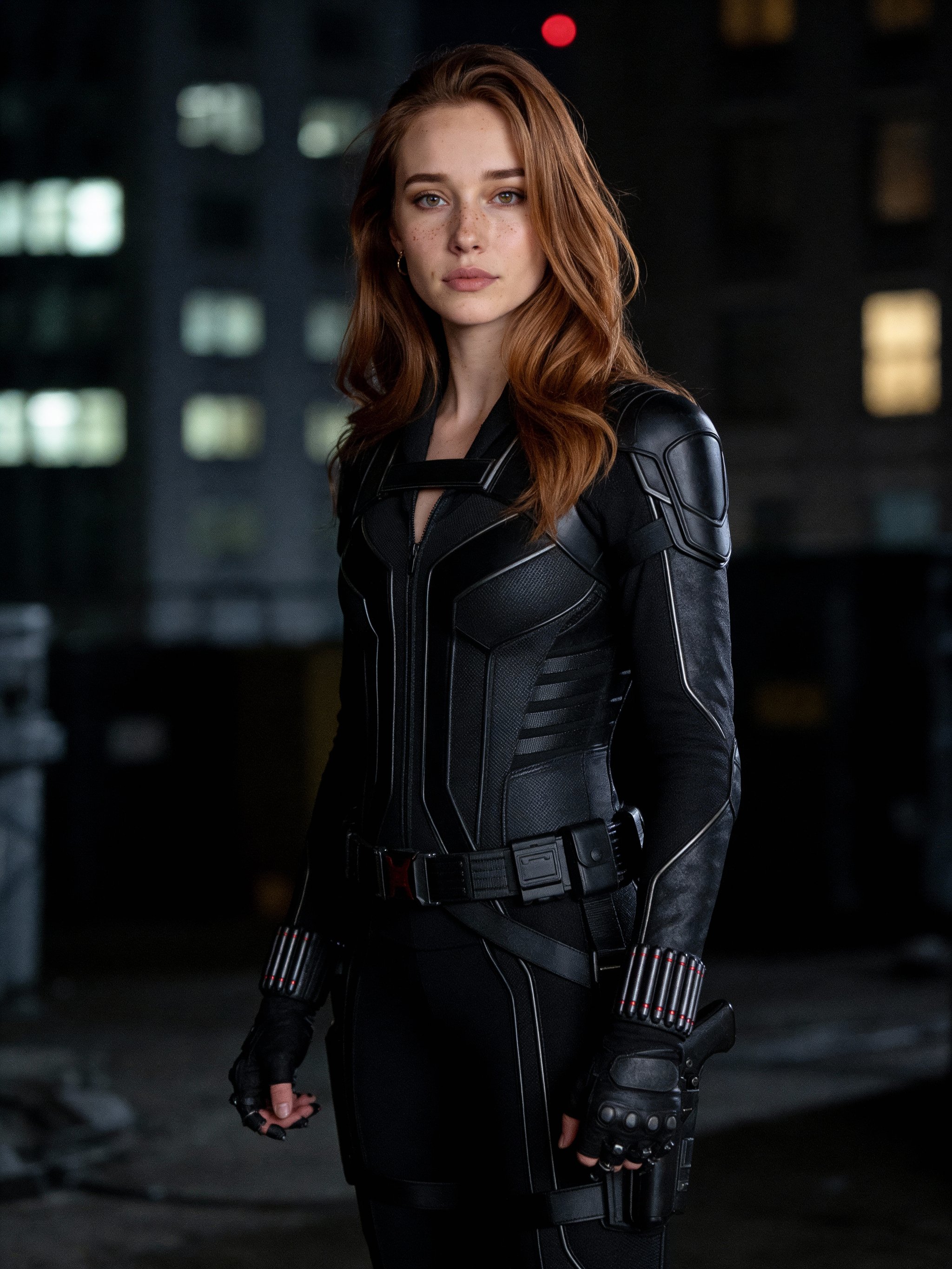
Black Widow spy portrait
Black Widow spy portrait creates a cinematic character concept with stronger costume, atmosphere, and story cues.
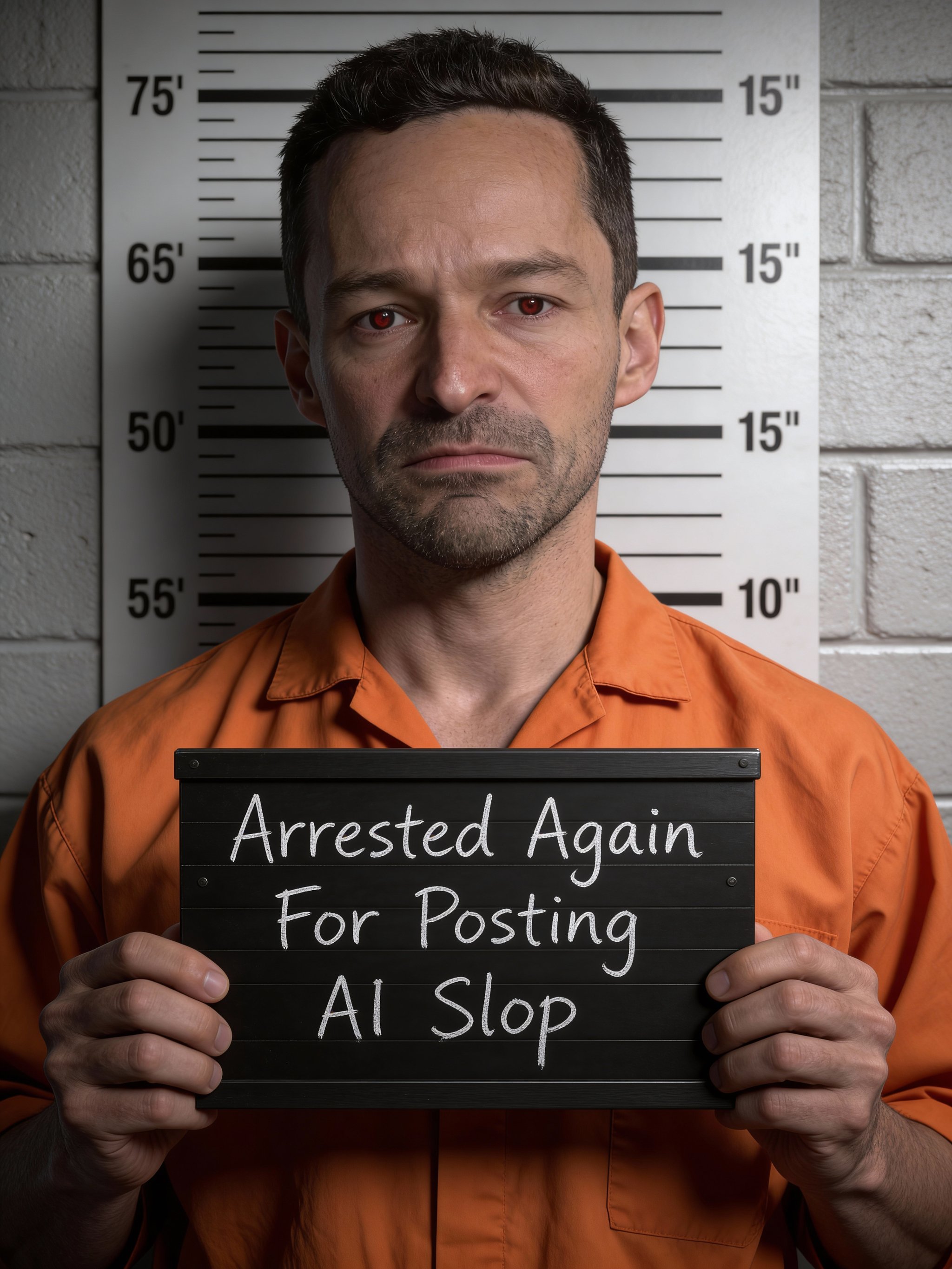
Police mugshot
Police mugshot creates feed-ready visual content for creator posts, profile campaigns, and social ads.
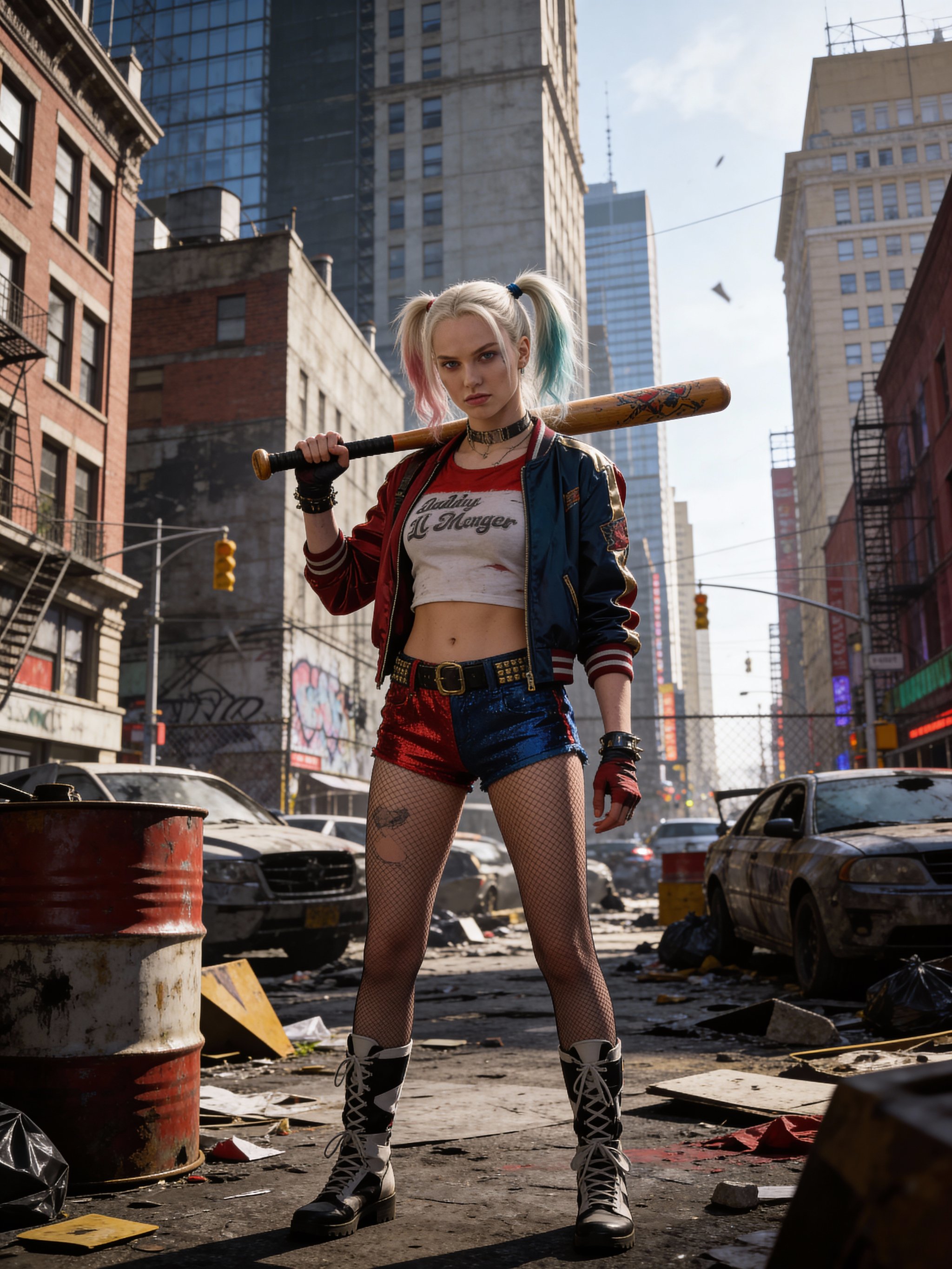
Harley Quinn cosplay portrait
Harley Quinn cosplay portrait creates a cinematic character concept with stronger costume, atmosphere, and story cues.
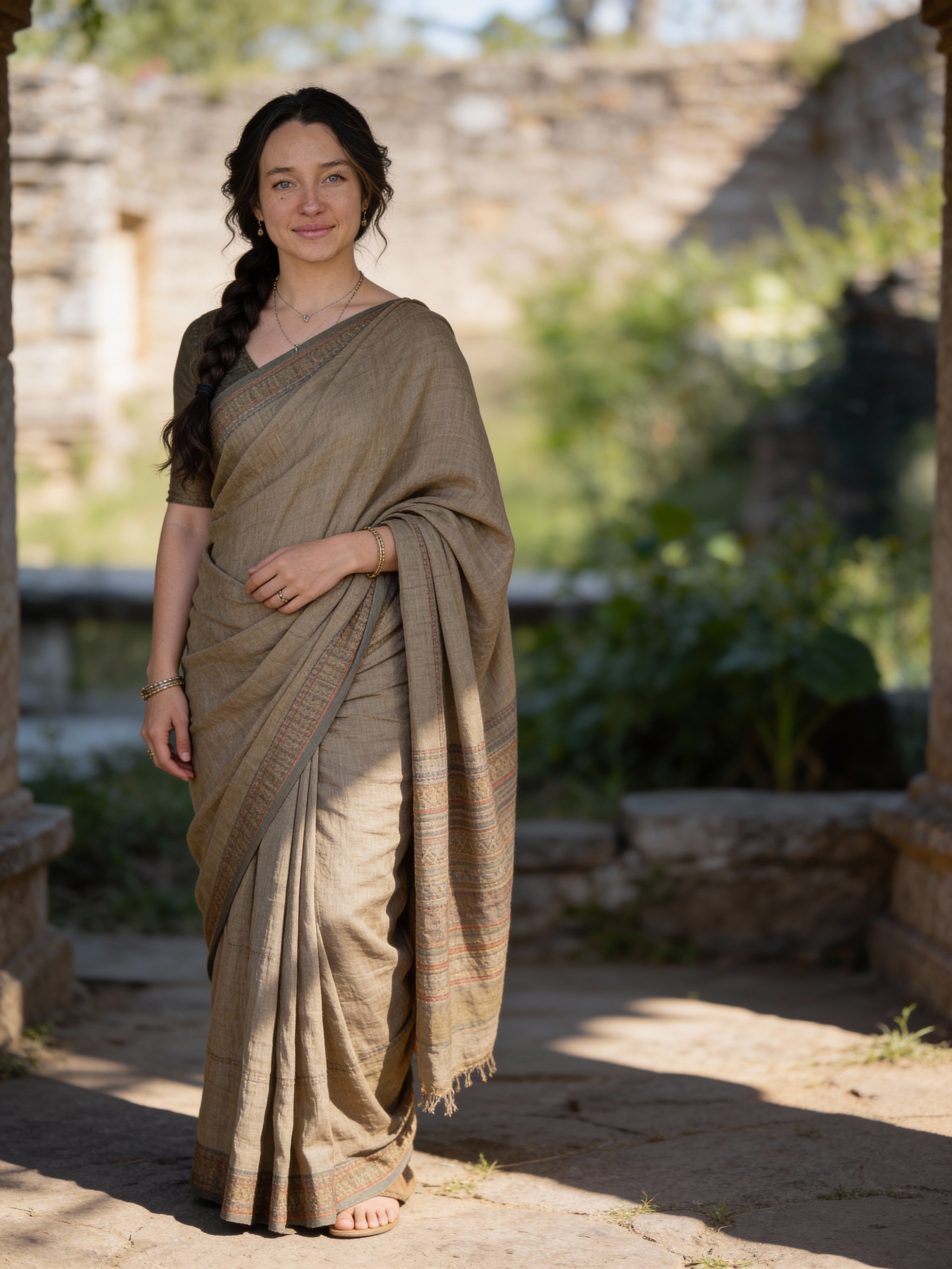
Historical South Asian portrait
Historical South Asian portrait creates a cinematic character concept with stronger costume, atmosphere, and story cues.
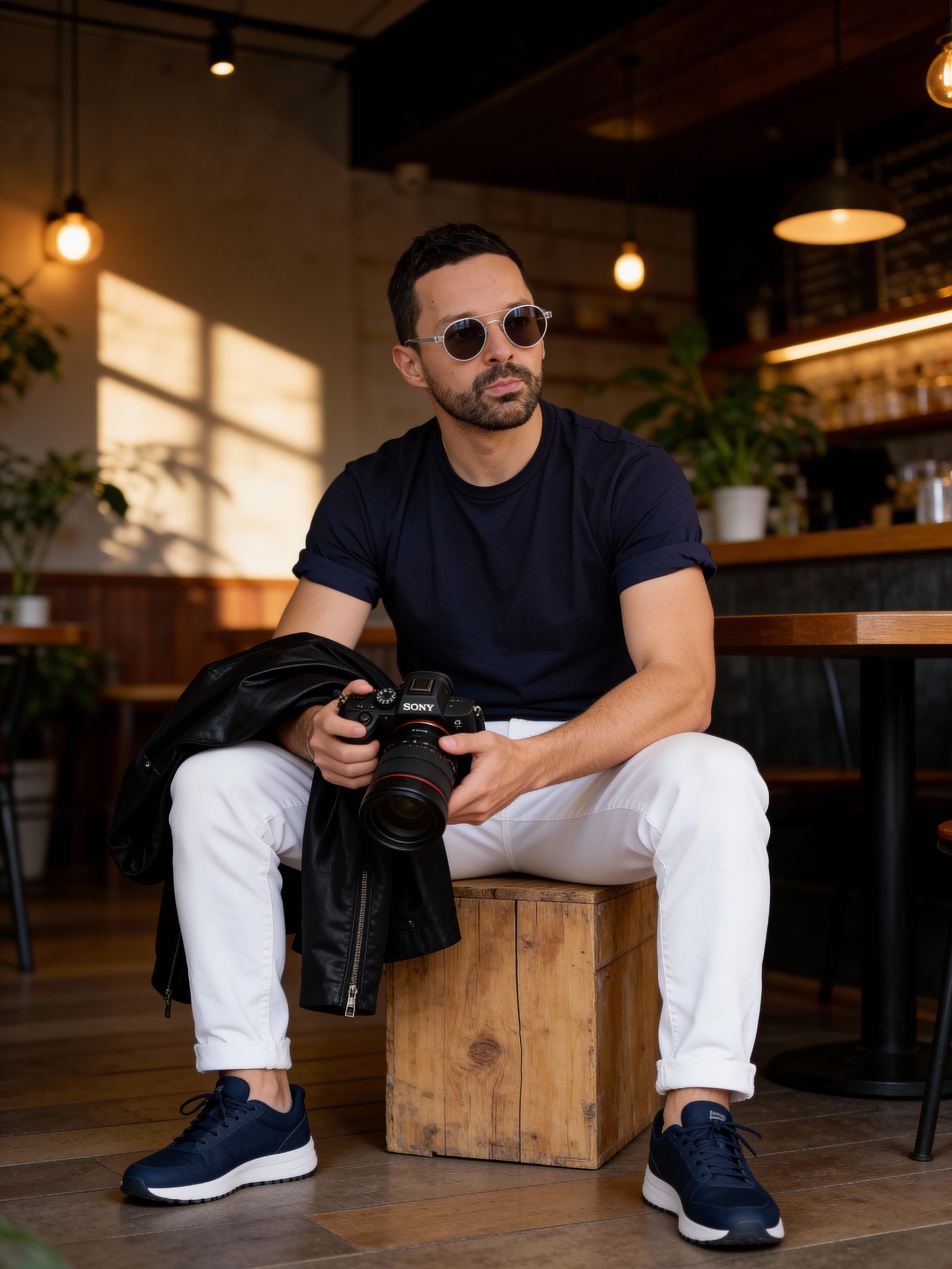
Cafe camera portrait
Cafe camera portrait explores a fashion or editorial portrait direction with stronger styling and campaign-ready composition.
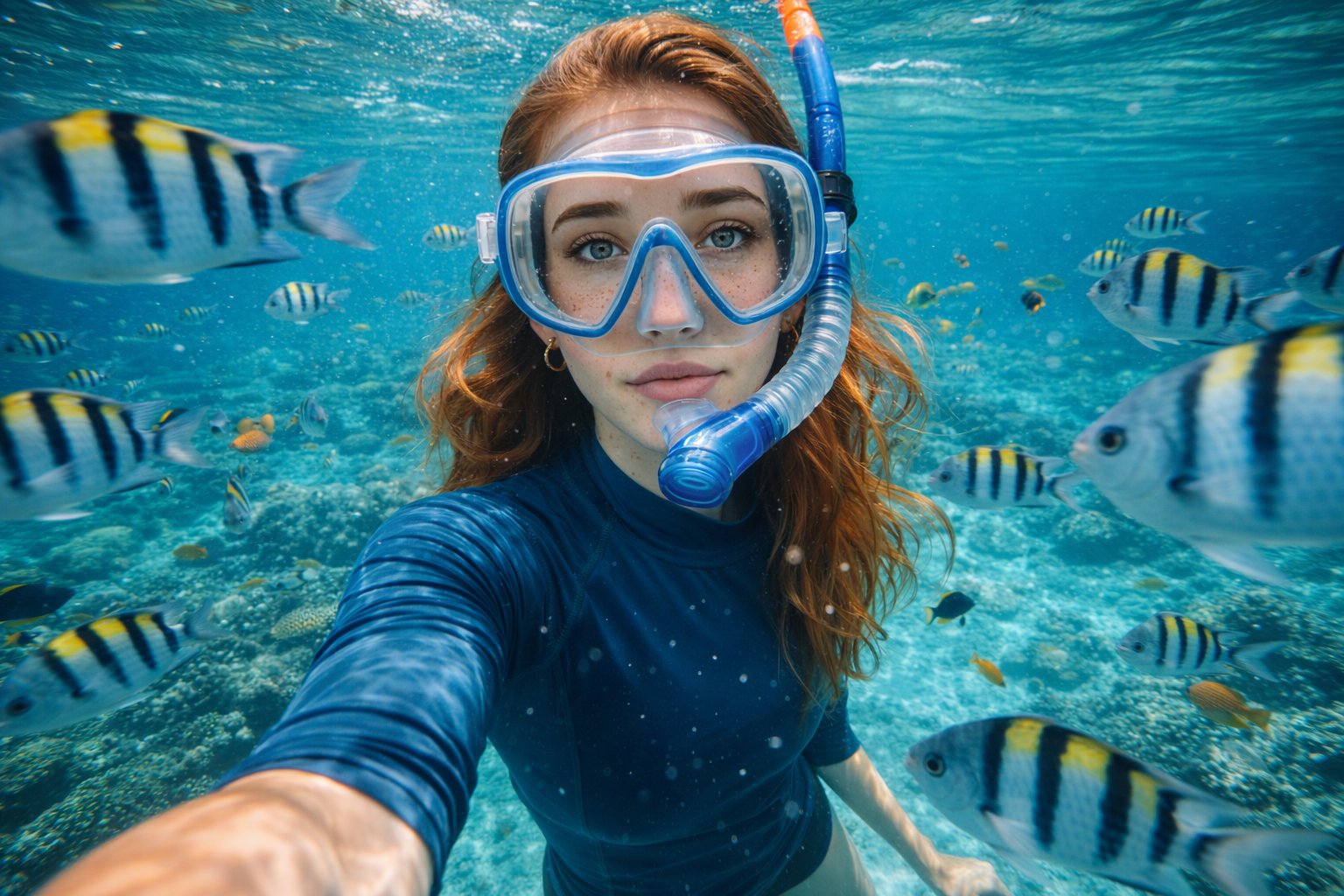
Underwater snorkeling portrait
Underwater snorkeling portrait focuses on a recognizable portrait result with clear subject presence and useful creative variations.
Make it yours
Create with this recipe.
Open this recipe in the generator and add your details.
Generate a photo like this