Night street portrait
A raw flash-lit night street portrait with early-2000s grit.
Generate a photo like thisExplore the prompt- Recommended Workflows
- Seedream 4.5, GPT Image 1.5, Gemini 3 Pro Image
- Recommended Aspect Ratio
- 3:4 (Portrait)
- Reference Images Required
- 1 image
01 / The recipe
Prompt variants
Use these as short alternate directions for Night street portrait; each variant keeps the recipe recognizable while pushing a different outcome.
Raw night street photography with flash, early-2000s aesthetic; man (KEEP ORIGINAL FACE FROM UPLOADED PHOTO EXACTLY, do not alter facial features in any way, no face changes even 1%) sitting on concrete stairs near a metal railing; outfit: black t-shirt slightly damp with sweat, loose light pants, minimal accessories; action: he runs his hand through his hair while looking off to the side, as if reacting to something outside the frame; emotion: tired, reflective, emotionally open; lighting: direct flash hitting face and chest, background falling into darkness, harsh contrast; textures: realistic skin with visible pores, light sheen of sweat, rough concrete steps; composition: medium shot, asymmetrical framing, night documentary feel; grain, noise, imperfect flash balance, unpolished realism.
02 / Make it yours
A little direction goes a long way.
Create a Night street portrait with a portrait-focused composition that keeps the person recognizable and visually engaging. Start from the reference image so the subject, source structure, or key visual details stay anchored while the style changes. This recipe is useful for profile photos, social avatars, personal branding, character studies, and portrait variations.
Best for / not ideal for
Use this section to decide whether Night street portrait is the right recipe before spending credits on variations.
Best for
- Night street portrait concepts where the example image is close to the result you want.
- Visual directions built around a portrait-first look that preserves identity while changing the visual treatment.
- Compositions that benefit from a background that frames the person without competing with facial features.
- Fast testing with Seedream 4.5, GPT Image 1.5, and Gemini 3 Pro Image in 3:4 (Portrait).
Not ideal for
- Formal ID photos, passport photos, or strict corporate headshots.
- Subtle retouching where the original photo should barely change.
- Product-only images with no person or character as the subject.
- Cases where exact wardrobe, pose, and lighting must be legally or medically precise.
How to adapt the prompt
Keep the core idea of Night street portrait, then change the details that control identity, style, color, background, and framing.
Subject and likeness
Style intensity
Color palette
Background simplicity
Composition and crop
Common fixes
If Night street portrait is close but not usable yet, make one of these targeted prompt edits before changing everything.
Subject drift
Too busy or chaotic
Colors overpower the subject
Image feels flat
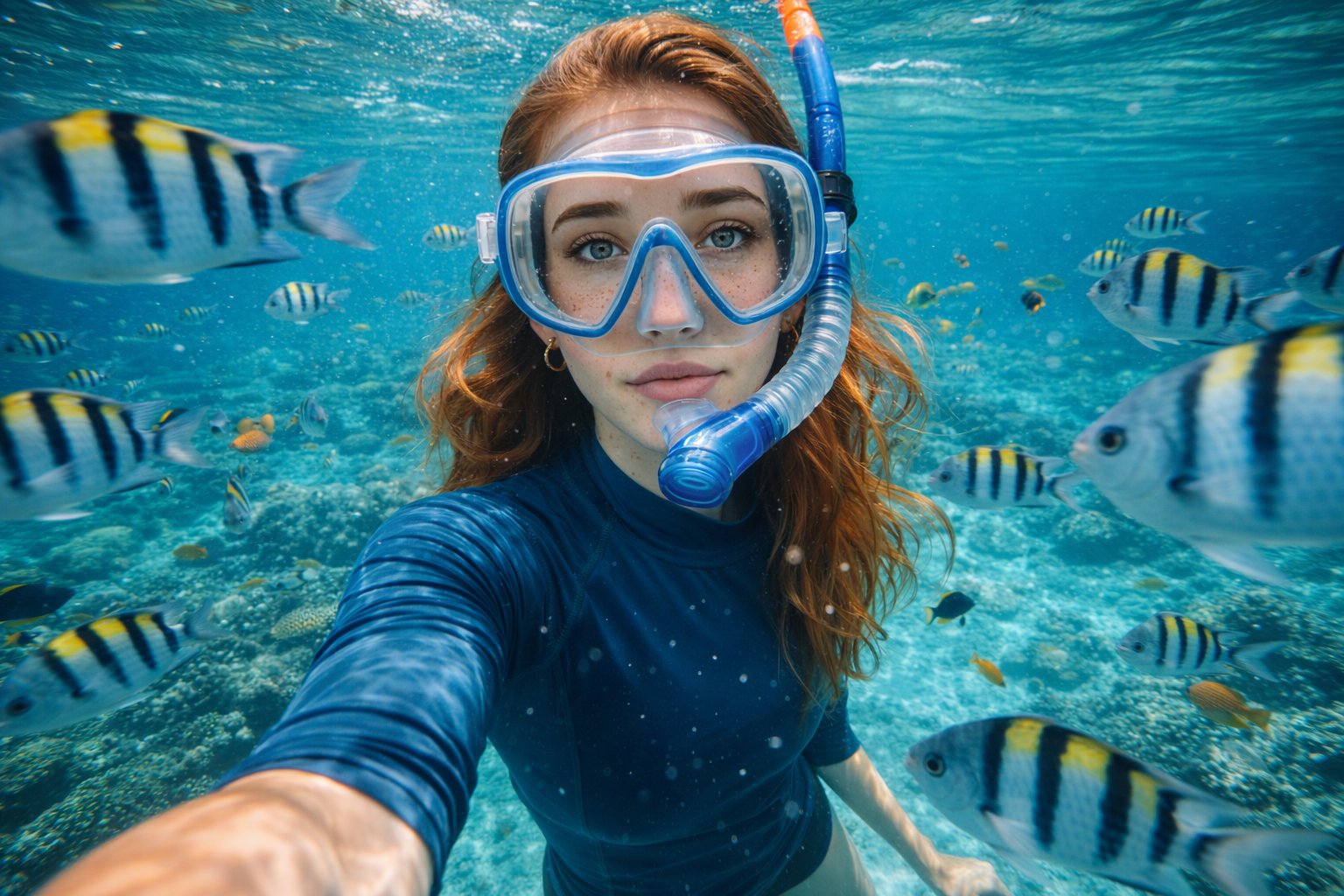
Underwater snorkeling portrait
Underwater snorkeling portrait focuses on a recognizable portrait result with clear subject presence and useful creative variations.
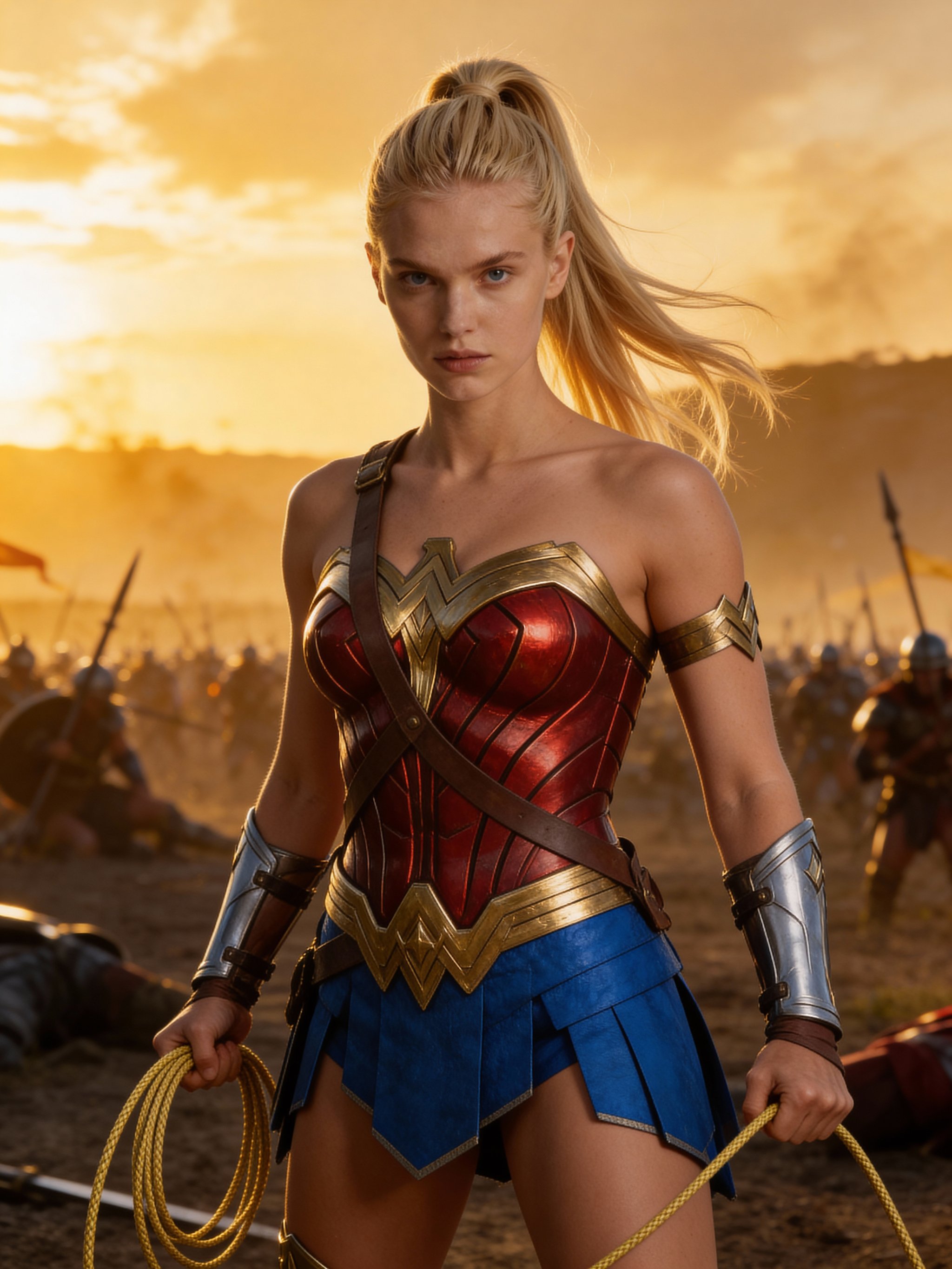
Wonder Woman battle portrait
Wonder Woman battle portrait creates a cinematic character concept with stronger costume, atmosphere, and story cues.
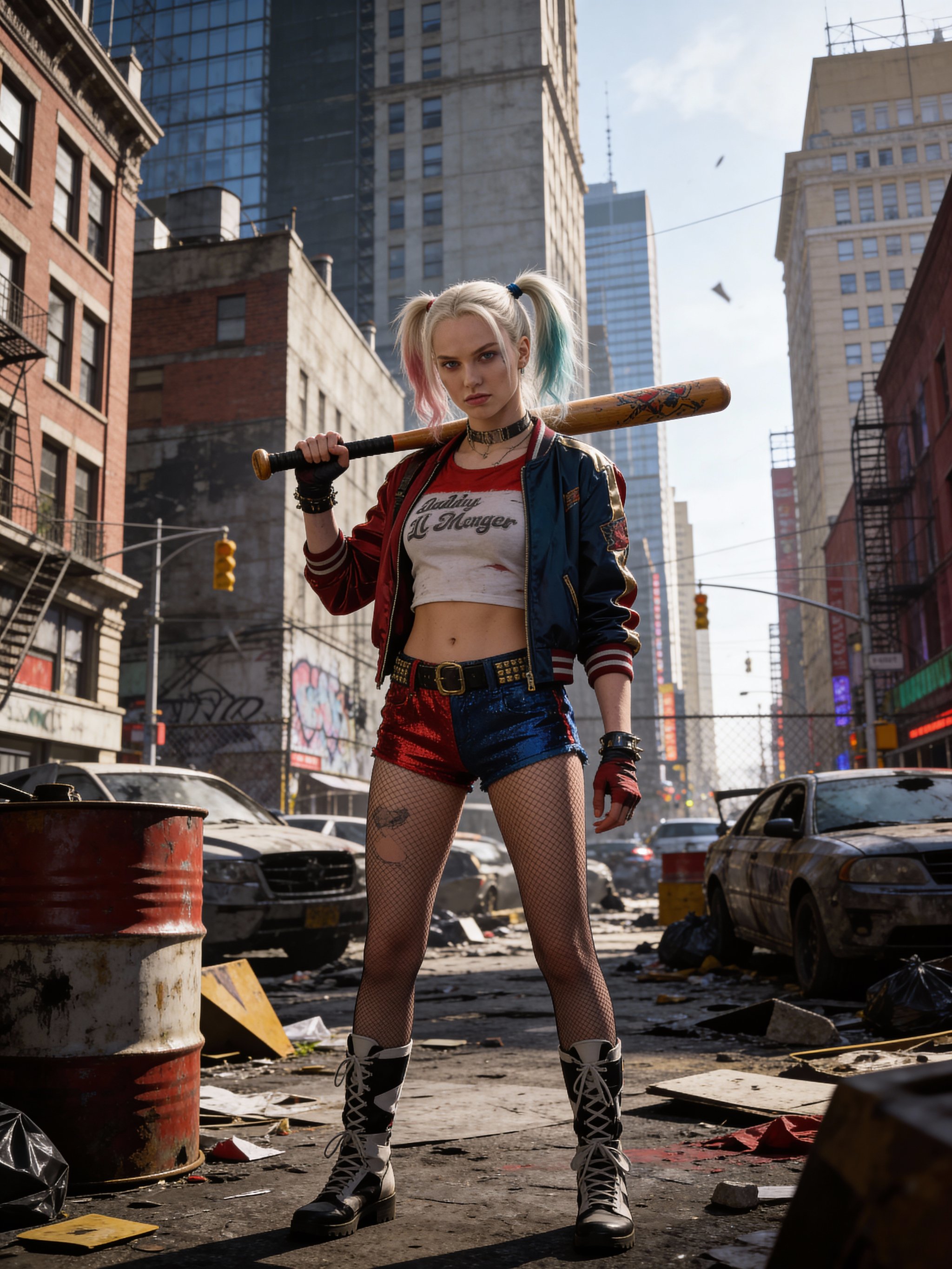
Harley Quinn cosplay portrait
Harley Quinn cosplay portrait creates a cinematic character concept with stronger costume, atmosphere, and story cues.
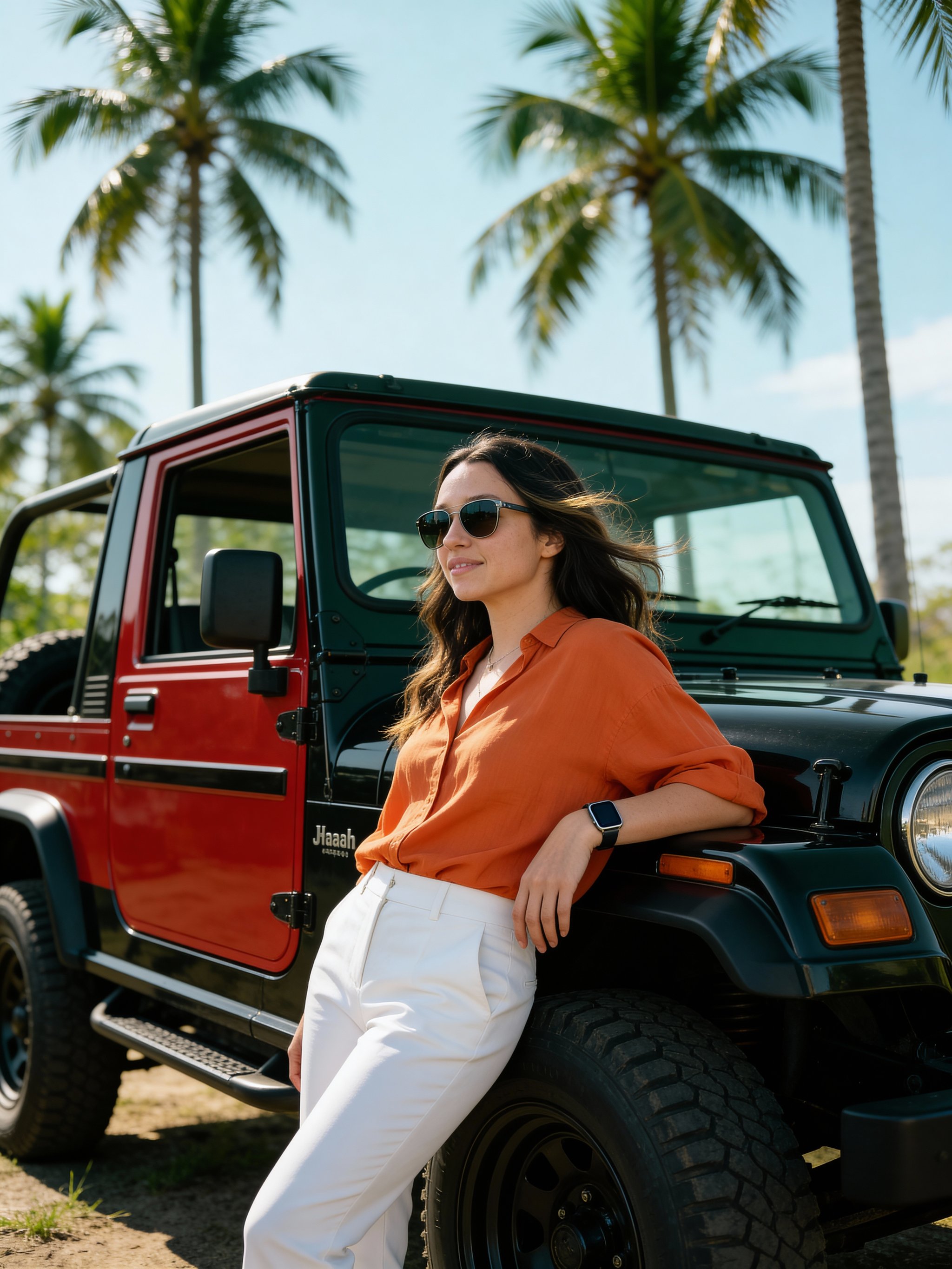
Cinematic portrait with vintage SUV
Cinematic portrait with vintage SUV explores a fashion or editorial portrait direction with stronger styling and campaign-ready composition.
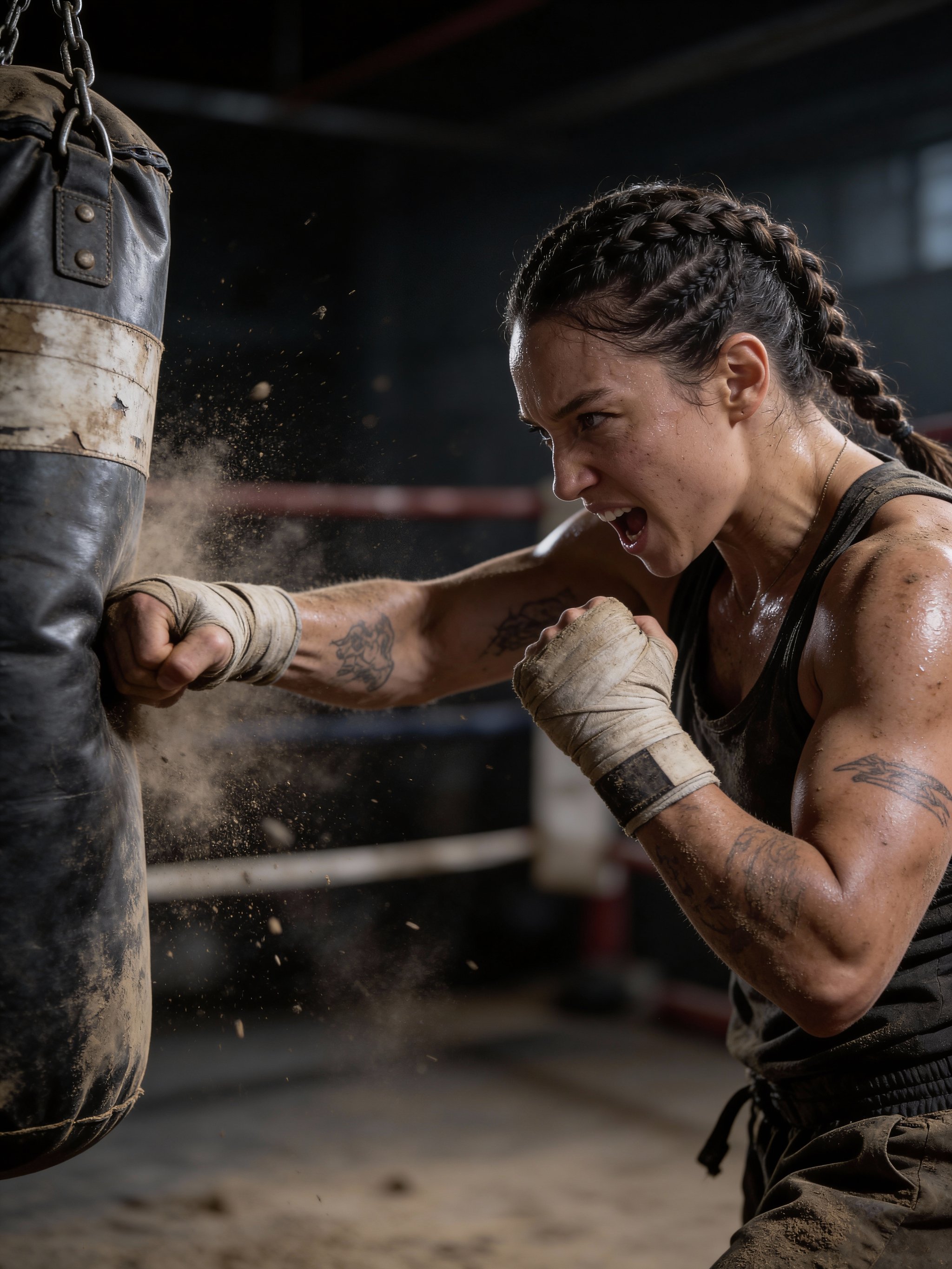
Fierce fighter in the gym
Fierce fighter in the gym turns an athlete or action moment into a polished sports visual for posters, teams, and social campaigns.
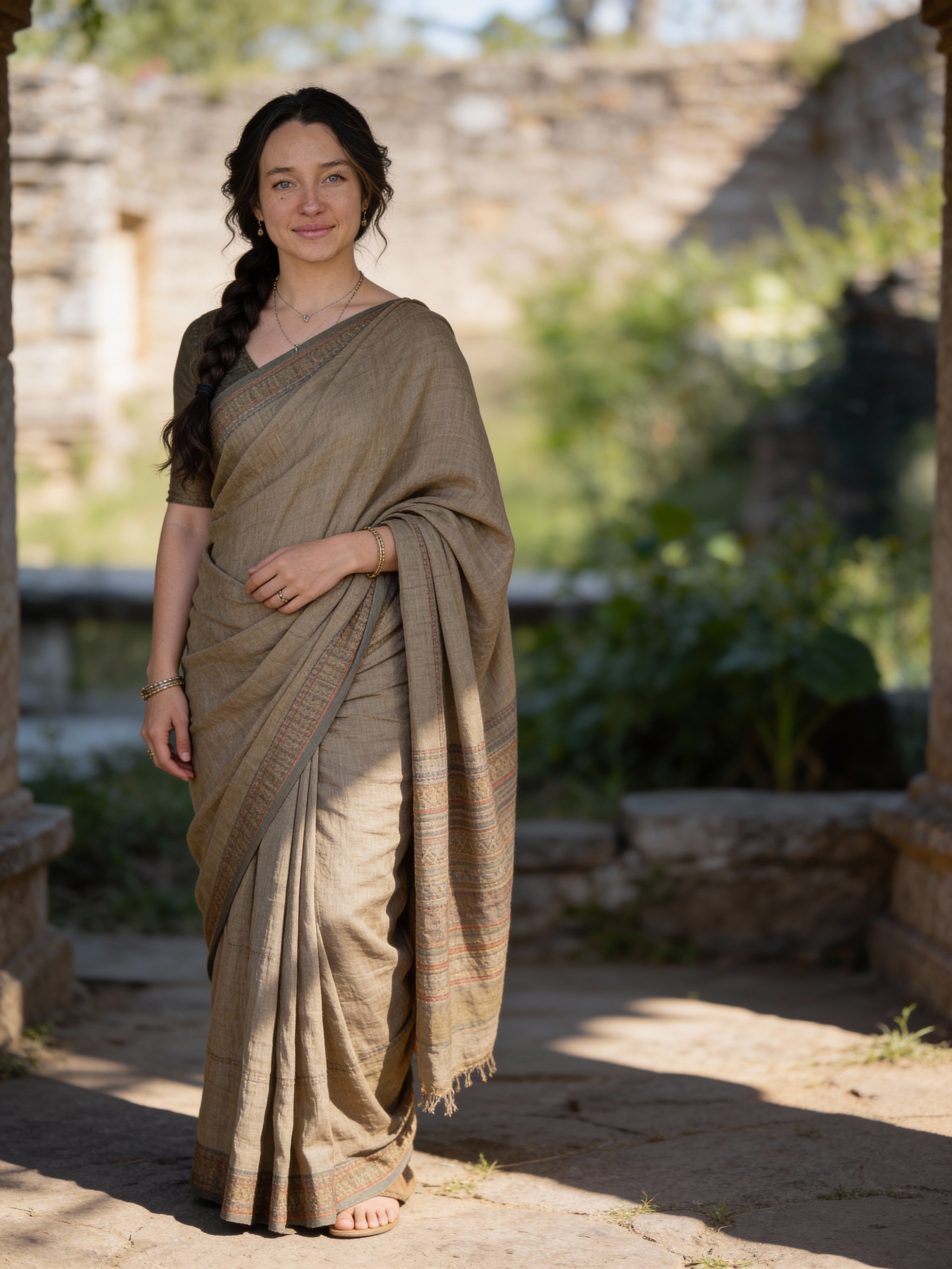
Historical South Asian portrait
Historical South Asian portrait creates a cinematic character concept with stronger costume, atmosphere, and story cues.
Make it yours
Create with this recipe.
Open this recipe in the generator and add your details.
Generate a photo like this