Classic mugshot portrait
A forensic-style mugshot with flat lighting and accurate tattoos.
Generate a photo like thisExplore the prompt- Recommended Workflows
- Seedream 4.5, Gemini 3 Pro Image, GPT Image 1.5
- Recommended Aspect Ratio
- 3:4
- Reference Images Required
- 1 image
01 / The recipe
Prompt variants
Use these as short alternate directions for Classic mugshot portrait; each variant keeps the recipe recognizable while pushing a different outcome.
Create a **hyper-realistic mugshot-style portrait** using the **uploaded reference image as the absolute source for the subject’s identity**. The subject’s face, skin tone, hair color, facial structure, age appearance, and all unique details must match the reference image exactly, with no alterations, beautification, or identity blending. The subject is shown in a **classic police booking photo setting**, standing upright against a **plain white wall** with **black horizontal height measurement lines** visible behind them. The numbers **“1”, “3”, and “6”** are clearly marked and aligned with the height lines. The camera is positioned **straight-on at eye level**, creating a direct, confrontational composition. The subject has a **neutral, serious, slightly defiant expression**, lips closed and unsmiling, eyes looking directly into the camera. The gaze feels weary but alert. Facial features—including jawline, eyes, nose, and mouth—must remain exactly as seen in the reference image, with no stylization. **Skin and facial detail:** Skin tone appears **light tan to olive**, with **highly realistic texture**. Visible pores, subtle sun damage, and scattered freckles across the nose and cheeks are present. A **distinct mole on the right cheekbone** is clearly visible. The complexion is completely natural, with **no makeup and no skin smoothing**. **Hair:** Hair remains exactly as in the reference image, styled as a **buzz cut / military crop**, with short stubble and visible scalp texture. No changes to hair length or style are permitted. **Tattoos and markings (must be preserved exactly):** * Faded script lettering tattoo near the **forehead hairline/temples** * Large dark **scaled or tribal-style tattoo** covering the **left side of the neck**, extending up behind the ear * Small **calligraphy script tattoo** on the **right side of the neck** * Small dark **tattoo or mark under the right eye** These tattoos must appear in the correct locations, scale, and placement, exactly matching the reference image. **Clothing:** The subject wears a **simple crew-neck T-shirt** in **heather gray or off-white**, made of cotton jersey fabric. The shirt has a casual, slightly worn look and fits naturally. No jewelry or accessories are present. **Lighting and technical style:** Lighting is **flat, clinical, and frontal**, similar to real police booking photos, with minimal shadowing and a cool-to-neutral color temperature. The image should feel **forensic and documentary**, not cinematic or artistic. No background blur, no dramatic lighting, and no visual effects. Use a **50mm portrait lens look**, sharp focus, high fidelity, and unfiltered realism. The final result should feel like a **raw, authentic police mugshot**, with extreme attention to facial accuracy, skin texture, and tattoo detail. Avoid makeup, smiling, glamour lighting, long hair, jewelry, colorful backgrounds, artistic filters, illustration, blur, or low resolution. 4K, 3:4 aspect ratio.
02 / Make it yours
A little direction goes a long way.
Create a Classic mugshot portrait with a portrait-focused composition that keeps the person recognizable and visually engaging. Start from the reference image so the subject, source structure, or key visual details stay anchored while the style changes. This recipe is useful for profile photos, social avatars, personal branding, character studies, and portrait variations.
Best for / not ideal for
Use this section to decide whether Classic mugshot portrait is the right recipe before spending credits on variations.
Best for
- Classic mugshot portrait concepts where the example image is close to the result you want.
- Visual directions built around a portrait-first look that preserves identity while changing the visual treatment.
- Compositions that benefit from a background that frames the person without competing with facial features.
- Fast testing with Seedream 4.5, Gemini 3 Pro Image, and GPT Image 1.5 in 3:4.
Not ideal for
- Formal ID photos, passport photos, or strict corporate headshots.
- Subtle retouching where the original photo should barely change.
- Product-only images with no person or character as the subject.
- Cases where exact wardrobe, pose, and lighting must be legally or medically precise.
How to adapt the prompt
Keep the core idea of Classic mugshot portrait, then change the details that control identity, style, color, background, and framing.
Subject and likeness
Style intensity
Color palette
Background simplicity
Composition and crop
Common fixes
If Classic mugshot portrait is close but not usable yet, make one of these targeted prompt edits before changing everything.
Subject drift
Too busy or chaotic
Colors overpower the subject
Image feels flat
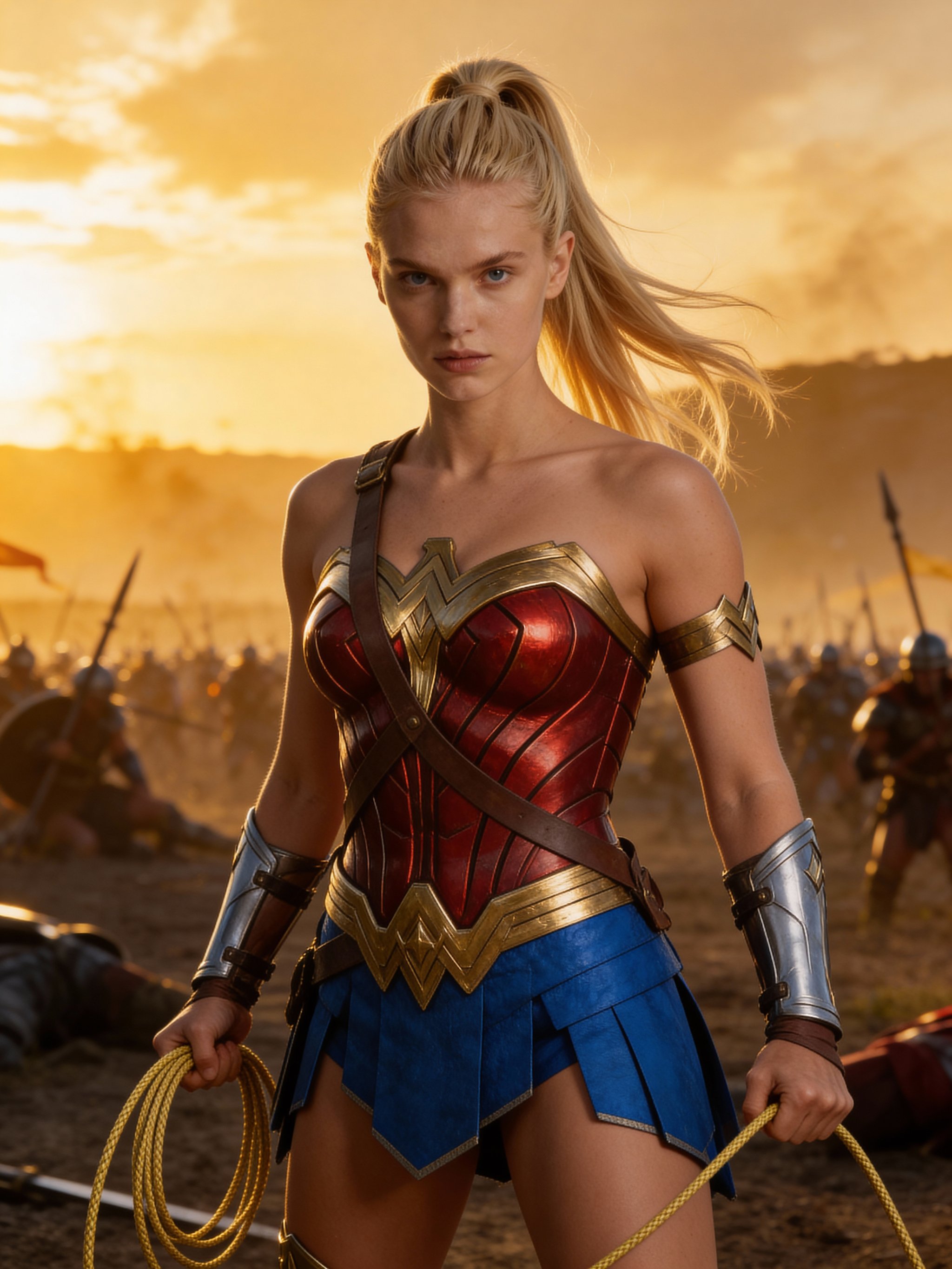
Wonder Woman battle portrait
Wonder Woman battle portrait creates a cinematic character concept with stronger costume, atmosphere, and story cues.
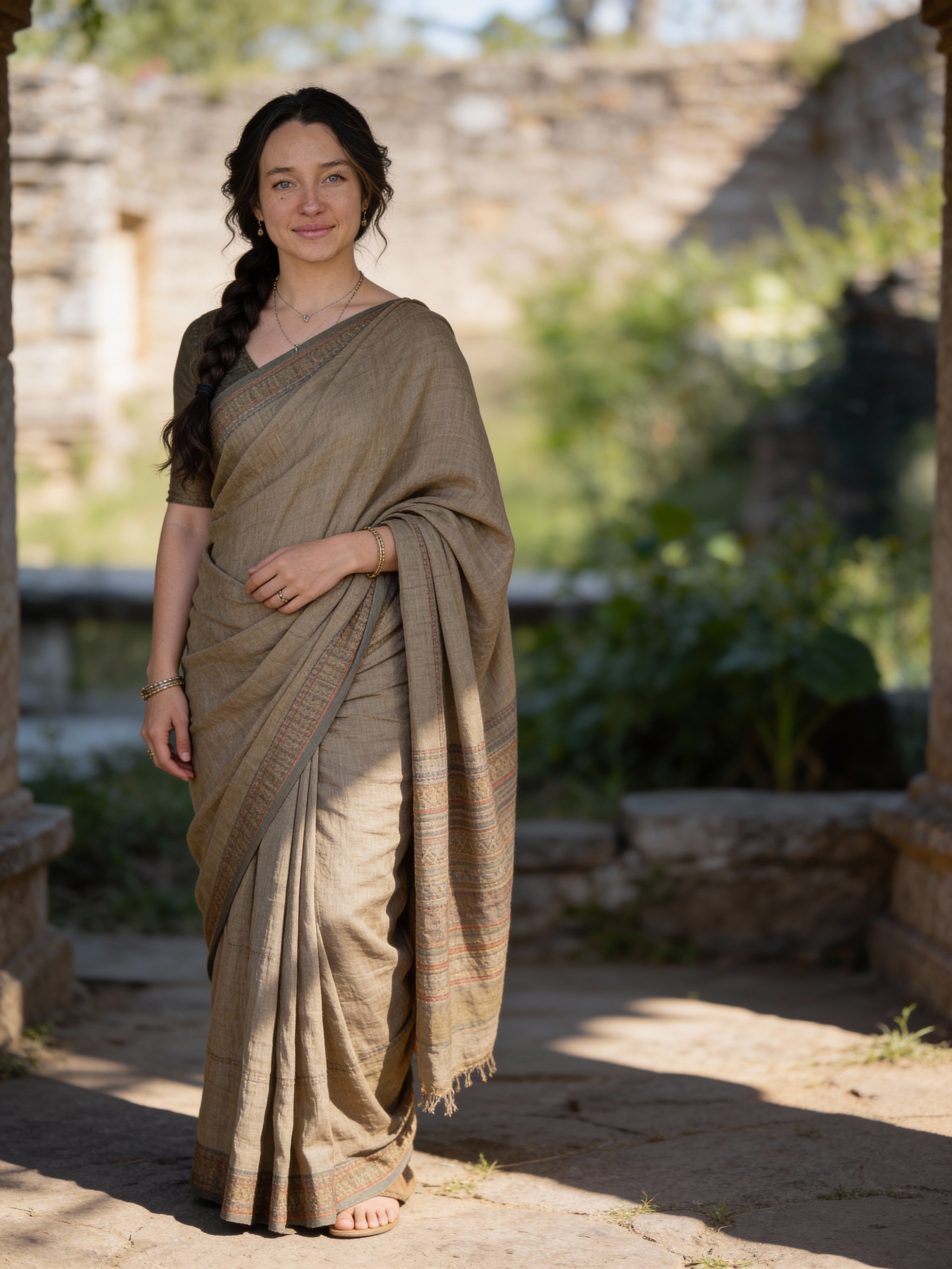
Historical South Asian portrait
Historical South Asian portrait creates a cinematic character concept with stronger costume, atmosphere, and story cues.
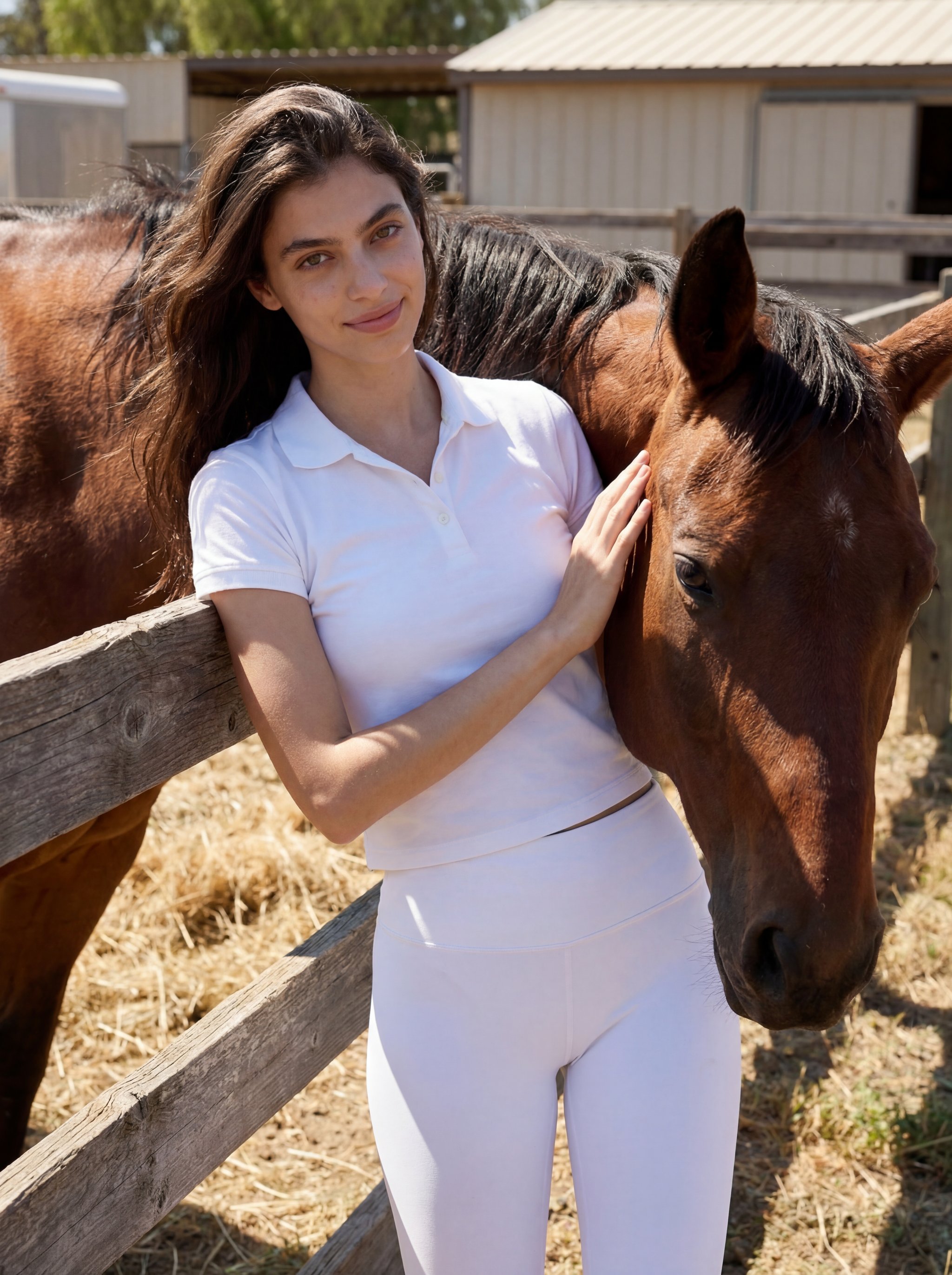
Ranch horse morning portrait
Ranch horse morning portrait focuses on a recognizable portrait result with clear subject presence and useful creative variations.
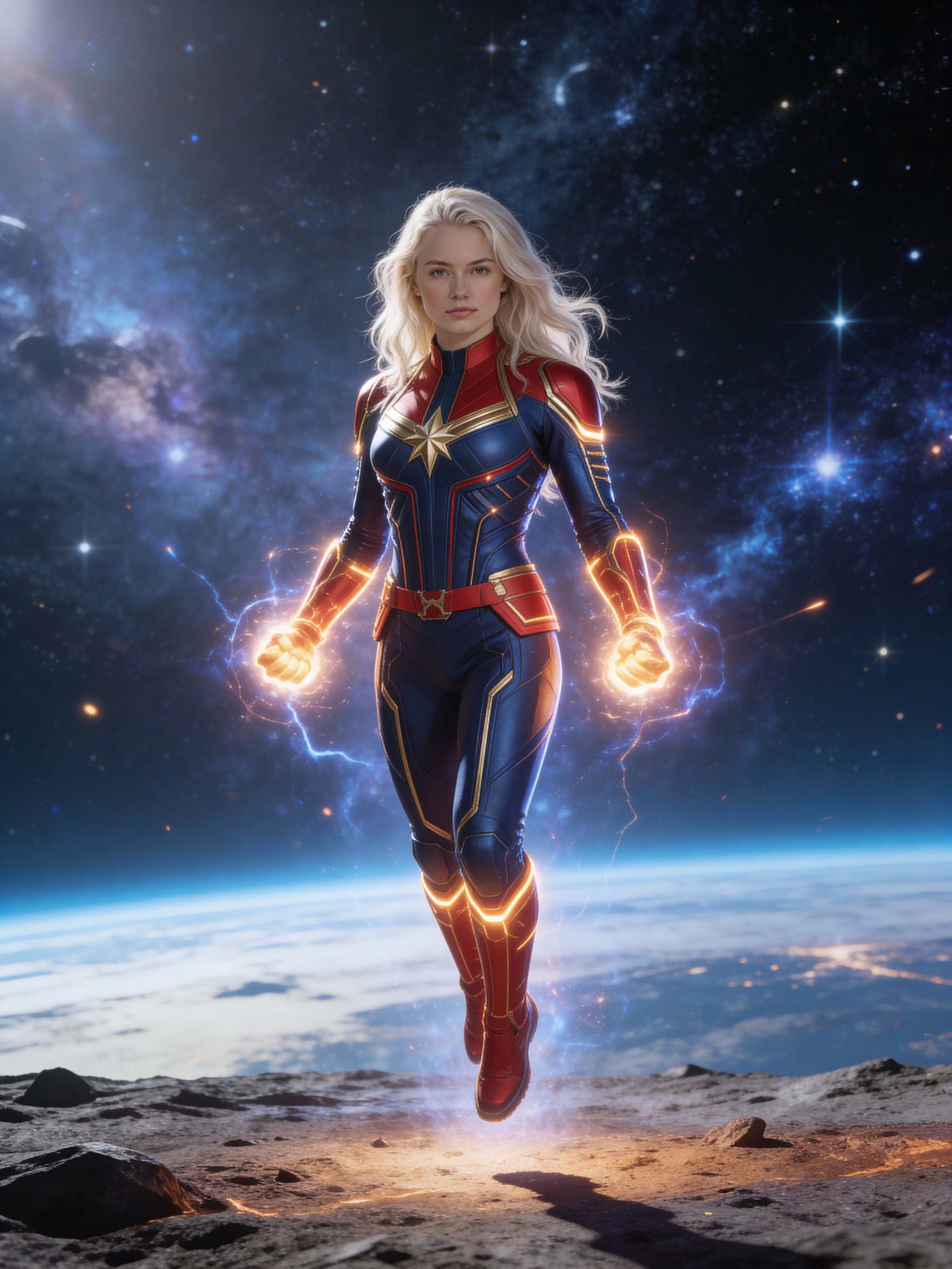
Captain Marvel cosmic portrait
Captain Marvel cosmic portrait creates a cinematic character concept with stronger costume, atmosphere, and story cues.
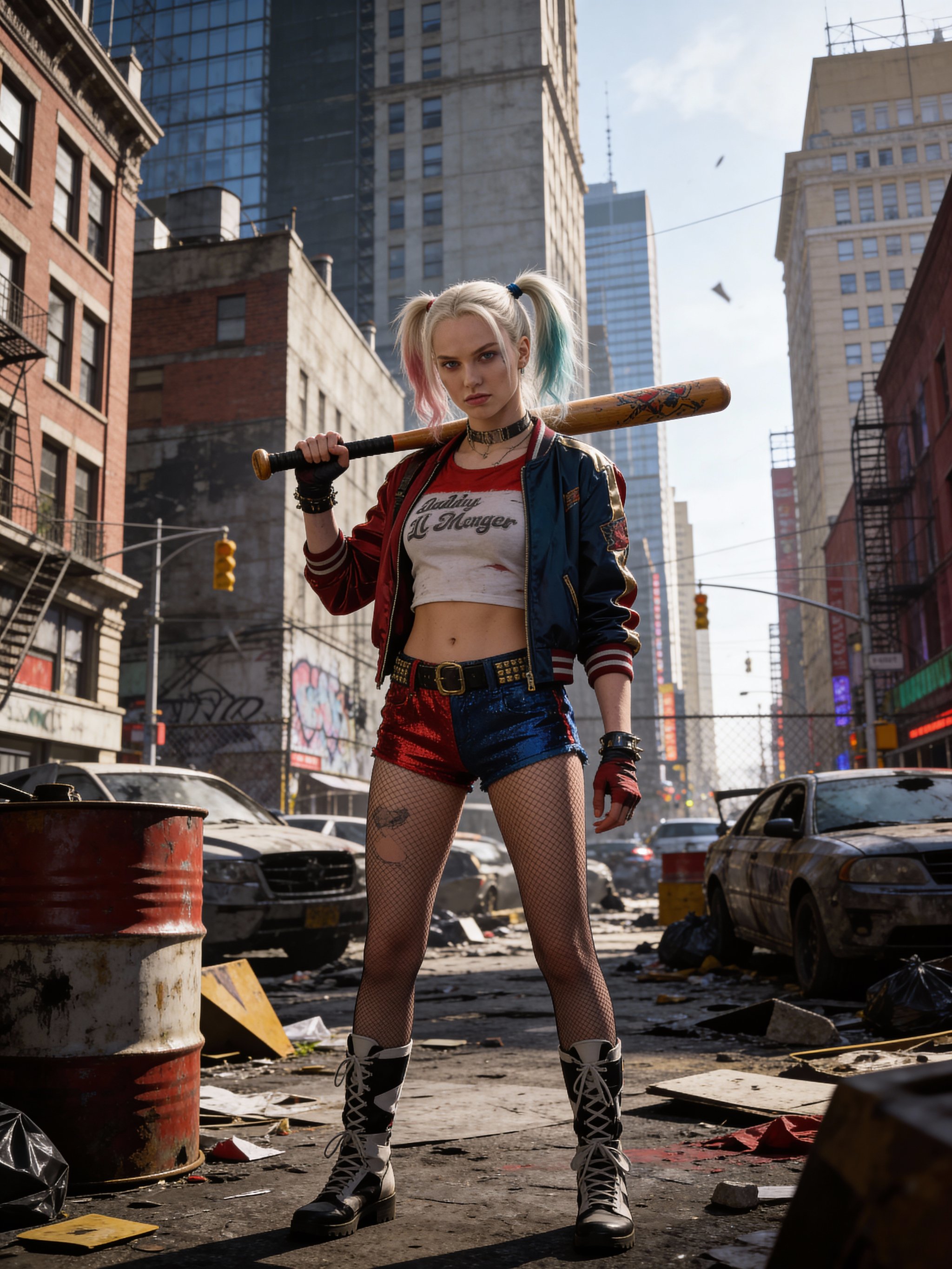
Harley Quinn cosplay portrait
Harley Quinn cosplay portrait creates a cinematic character concept with stronger costume, atmosphere, and story cues.
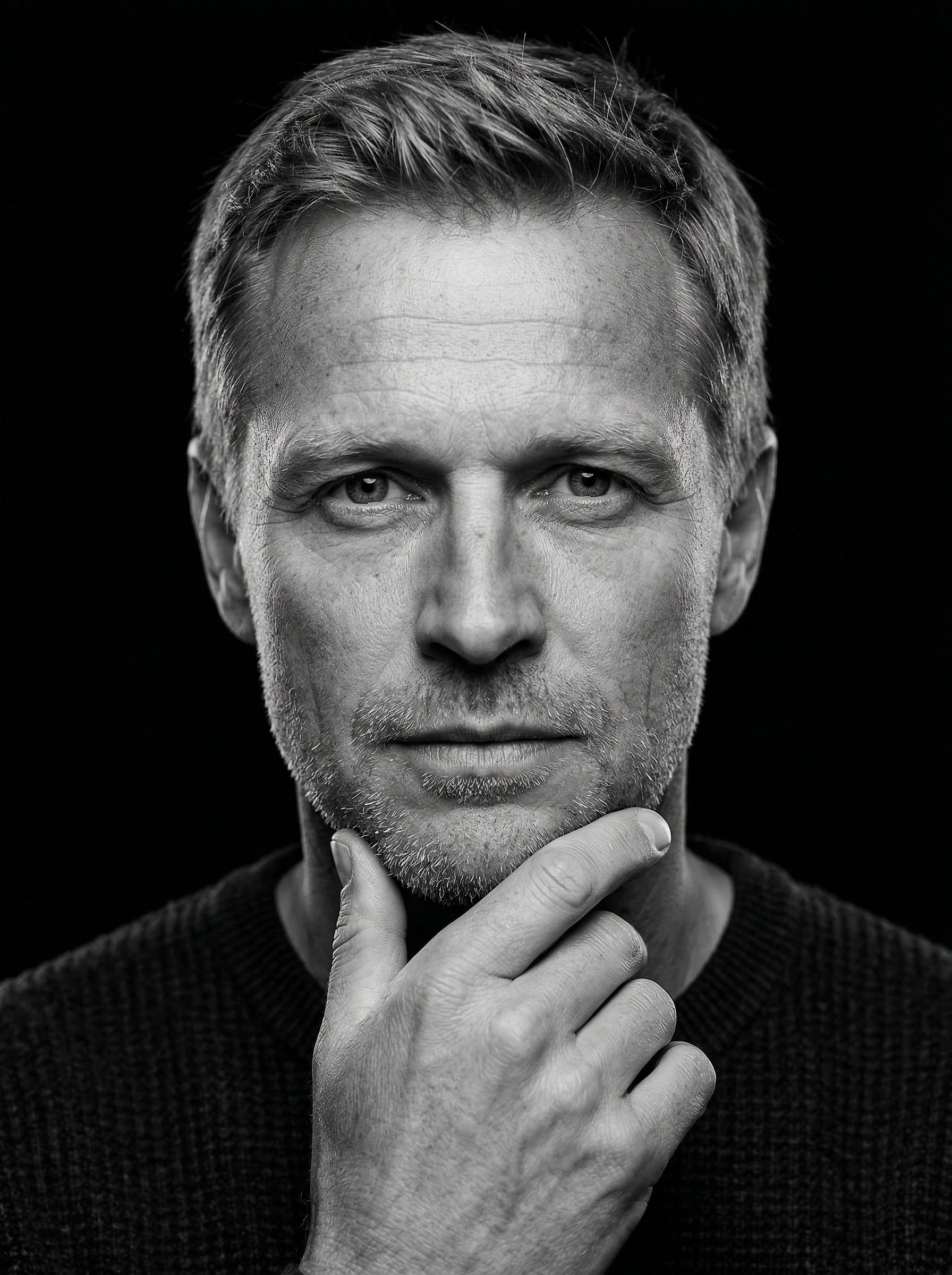
Rembrandt monochrome male portrait
Rembrandt monochrome male portrait creates a polished professional portrait for profiles, press kits, team pages, and business use.
Make it yours
Create with this recipe.
Open this recipe in the generator and add your details.
Generate a photo like this