Tactile abstraction macro portrait
An avant-garde macro editorial portrait with heavy impasto paint, untouched piercing eyes, and high-contrast studio lighting.
Generate a photo like thisExplore the prompt- Recommended Workflows
- Gemini Flash Image 31 Preview
- Recommended Aspect Ratio
- 3:4
- Reference Images Required
- 1 image
01 / The recipe
Prompt variants
Use these as short alternate directions for Tactile abstraction macro portrait; each variant keeps the recipe recognizable while pushing a different outcome.
{ "vibe_title_en": "Tactile Abstraction", "master_prompt": "Extreme close-up macro portrait of the subject provided in the reference image, transforming their face into a living avant-garde canvas. The subject's identity, gender, age, and facial structure must match the reference image exactly. The skin is heavily textured with thick, impasto applications of physical acrylic paint in chaotic strokes of {argument name=\"color 1\" default=\"cobalt blue\"}, {argument name=\"color 2\" default=\"cadmium orange\"}, and {argument name=\"color 3\" default=\"titanium white\"}. Crucially, the paint must look physically wet and heavy, with visible cracks and ridges casting micro-shadows on the skin. The eyes remain untouched, sharp, and piercingly clear (matching the reference eye shape and color), creating a hyper-realistic focal point amidst the abstract colors. Shot on a Hasselblad H6D-100c with a 120mm f/4 Macro lens to capture individual skin pores beneath the drying paint. Lighting is a dramatic, high-contrast 'Rembrandt' setup that highlights the 3D topography of the paint strokes. Analog film aesthetic with the fine grain of Kodak Ektar 100. No digital painting effects; this is practical makeup FX photography.", "meta": { "intent": "Editorial Portrait", "priorities": "Texture, Sharpness, Color Contrast", "device_profile": "High-End Medium Format" }, "frame": { "composition": "Extreme Close-Up / Macro", "layout": "Center Weighted", "camera_angle": "Eye Level", "tilt_roll_degrees": "0" }, "subject": { "gender": "Strictly derived from reference image", "identity": "Match input reference identity exactly", "demographics": "Match age and ethnicity of reference image", "face": "Underlying bone structure matches reference; surface covered in thick artistic face paint", "hair": "Match reference texture and style, partially visible, messy, integrated with paint", "body": "Neck and shoulders only (if visible)", "expression": "Intense, direct gaze, stoic", "pose": "Static, facing forward, confronting the lens" }, "wardrobe_accessories": { "garments": [ { "item": "None visible or minimal", "material": "N/A", "color": "N/A", "fit": "N/A" } ], "accessories": [] }, "environment": { "setting": "Abstract Studio Void", "surfaces": "Skin and Paint Texture", "depth": "Shallow Depth of Field", "atmosphere": "Intimate, Artistic, Intense", "lens_interaction": "Macro Focus" }, "lighting": { "key": "Directional Softbox (Side)", "fill": "Negative Fill (Black Flag)", "rim": "Subtle Hair Light", "shadows": "Deep, defining the texture of the paint", "color_temperature": "5600K (Daylight)", "sensor_flare": "None" }, "camera": { "lens_type": "Macro Prime", "focal_length": "120mm", "aperture": "f/5.6", "focus": "Sharp focus on the iris", "sensor_format": "Medium Format (645)", "perspective_distortion": "None (Compression)" }, "post_processing": { "color": "Vibrant, High Saturation (Ektar 100 Style)", "tonality": "High Contrast", "texture": "Enhanced Micro-Contrast (Clarity)", "digital_sharpening": "High", "chromatic_aberration": "Minimal" }, "negative_specifications": [ "digital art", "illustration", "3d render", "airbrushed skin", "smooth skin", "cartoon", "anime", "flat lighting" ] }
02 / Make it yours
A little direction goes a long way.
Create a Tactile abstraction macro portrait with a styled editorial look with intentional color, wardrobe, lighting, and composition. Start from the reference image so the subject, source structure, or key visual details stay anchored while the style changes. This recipe is useful for fashion campaigns, social content, editorial portraits, creator profiles, and lifestyle visuals.
Best for / not ideal for
Use this section to decide whether Tactile abstraction macro portrait is the right recipe before spending credits on variations.
Best for
- Tactile abstraction macro portrait concepts where the example image is close to the result you want.
- Visual directions built around an editorial portrait direction with intentional styling, wardrobe, pose, and visual mood.
- Compositions that benefit from a location or studio setting that feels intentional without stealing focus from the subject.
- Fast testing with Gemini Flash Image 31 Preview in 3:4.
Not ideal for
- Formal ID photos, passport photos, or strict corporate headshots.
- Subtle retouching where the original photo should barely change.
- Product-only images with no person or character as the subject.
- Cases where exact wardrobe, pose, and lighting must be legally or medically precise.
How to adapt the prompt
Keep the core idea of Tactile abstraction macro portrait, then change the details that control identity, style, color, background, and framing.
Subject and likeness
Style intensity
Color palette
Background simplicity
Composition and crop
Common fixes
If Tactile abstraction macro portrait is close but not usable yet, make one of these targeted prompt edits before changing everything.
Subject drift
Too busy or chaotic
Colors overpower the subject
Image feels flat
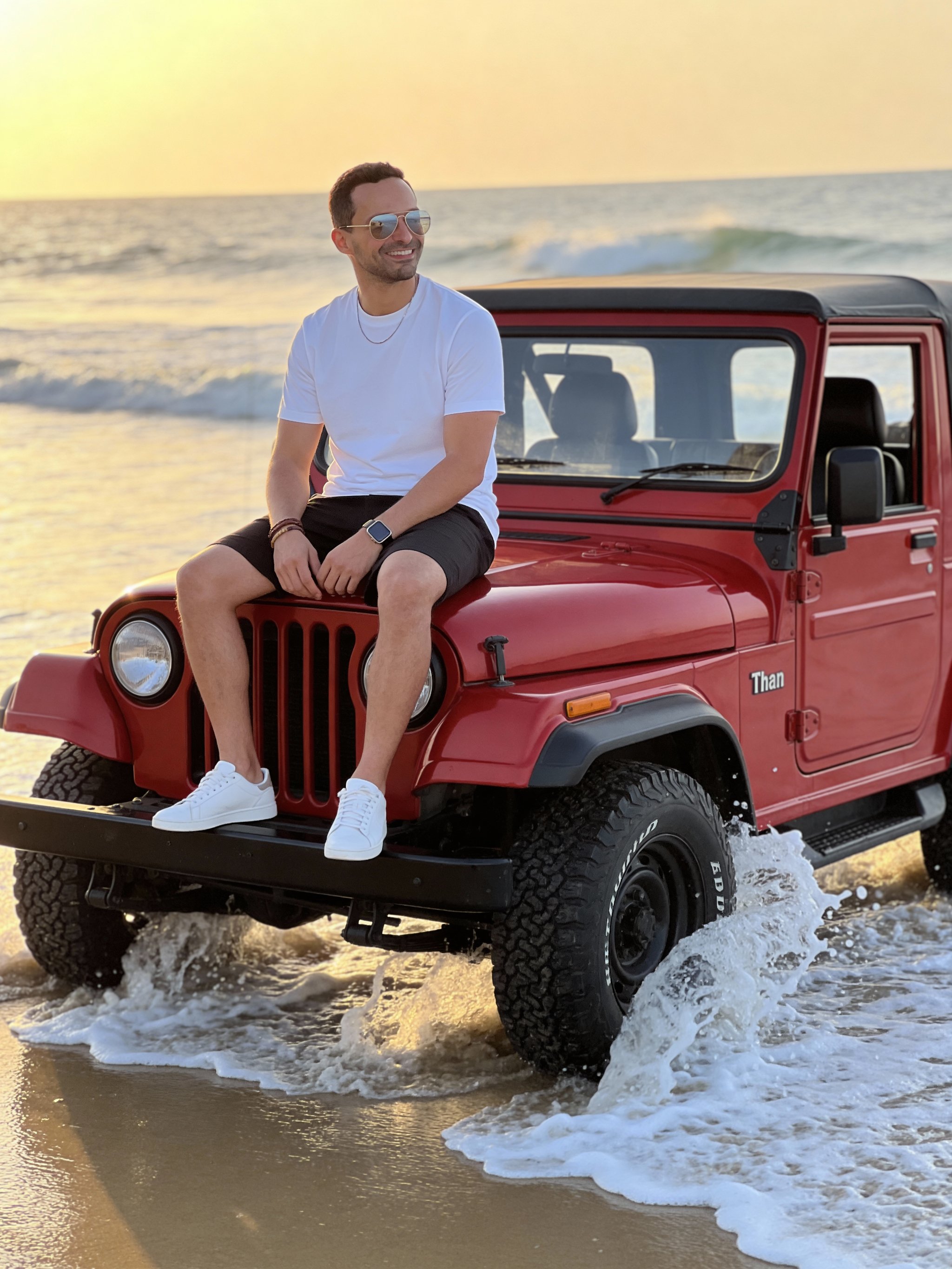
Cinematic beach jeep portrait
Cinematic beach jeep portrait explores a fashion or editorial portrait direction with stronger styling and campaign-ready composition.
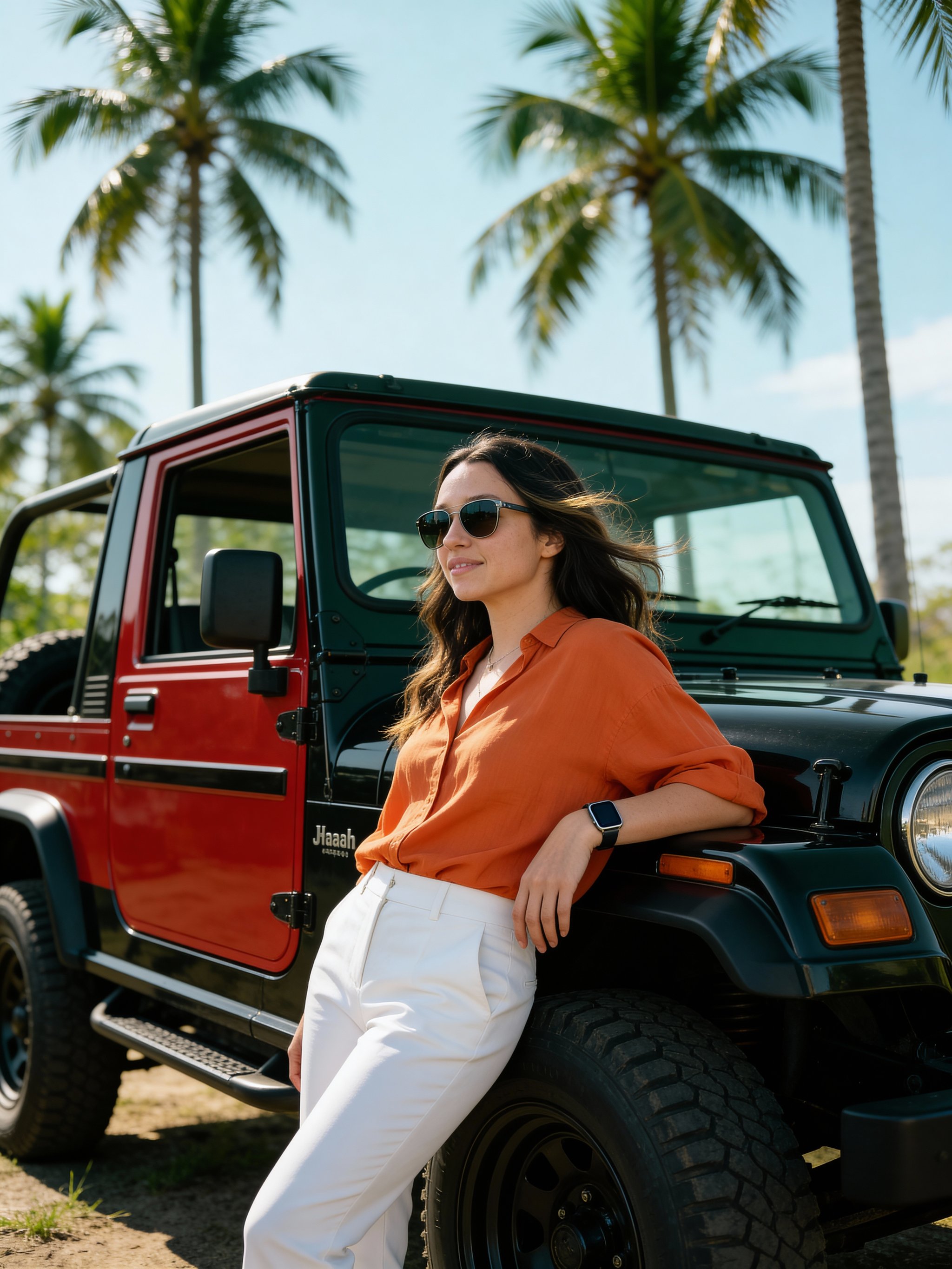
Cinematic portrait with vintage SUV
Cinematic portrait with vintage SUV explores a fashion or editorial portrait direction with stronger styling and campaign-ready composition.
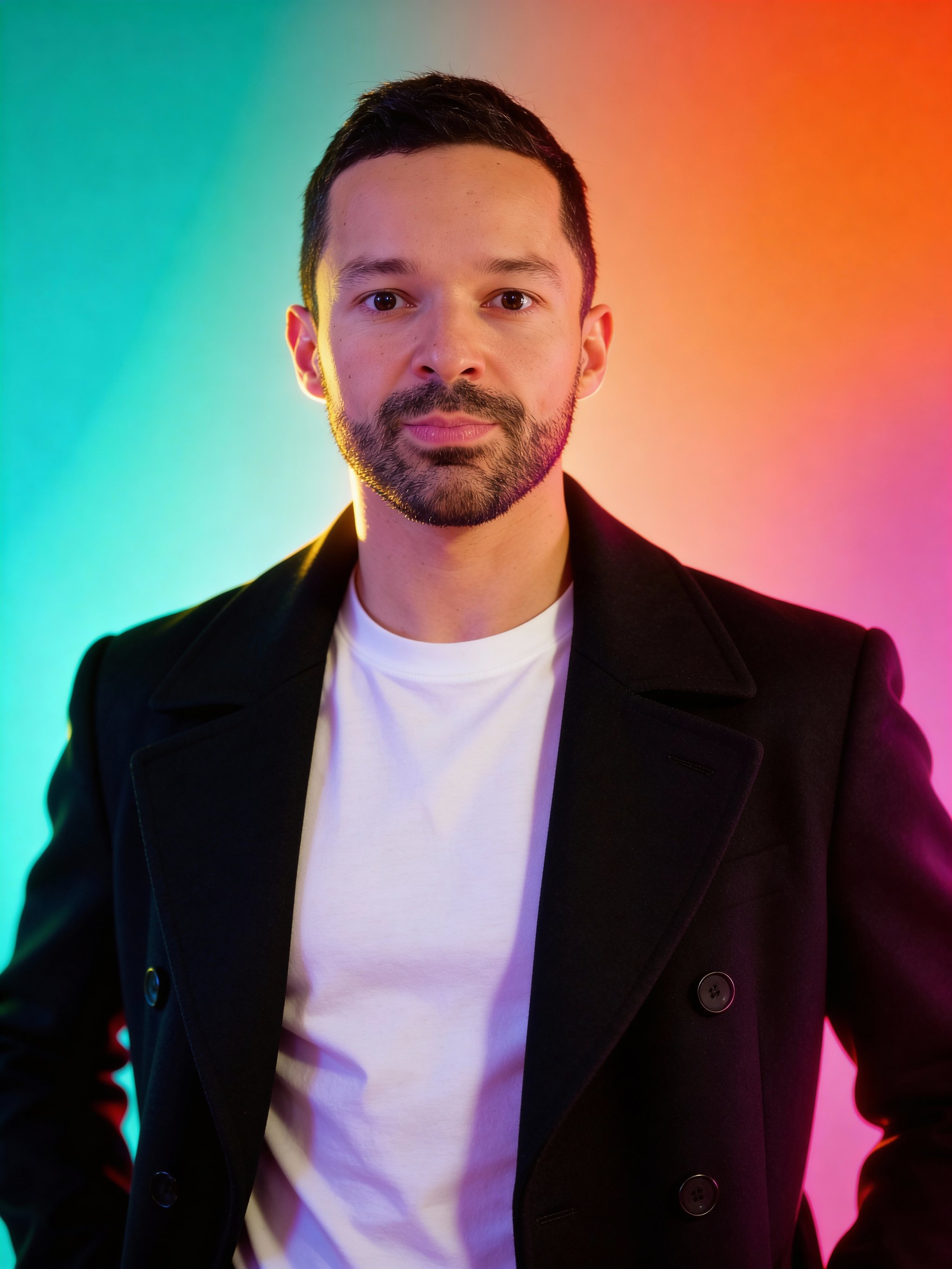
Neon gradient fashion portrait
Neon gradient fashion portrait explores a fashion or editorial portrait direction with stronger styling and campaign-ready composition.
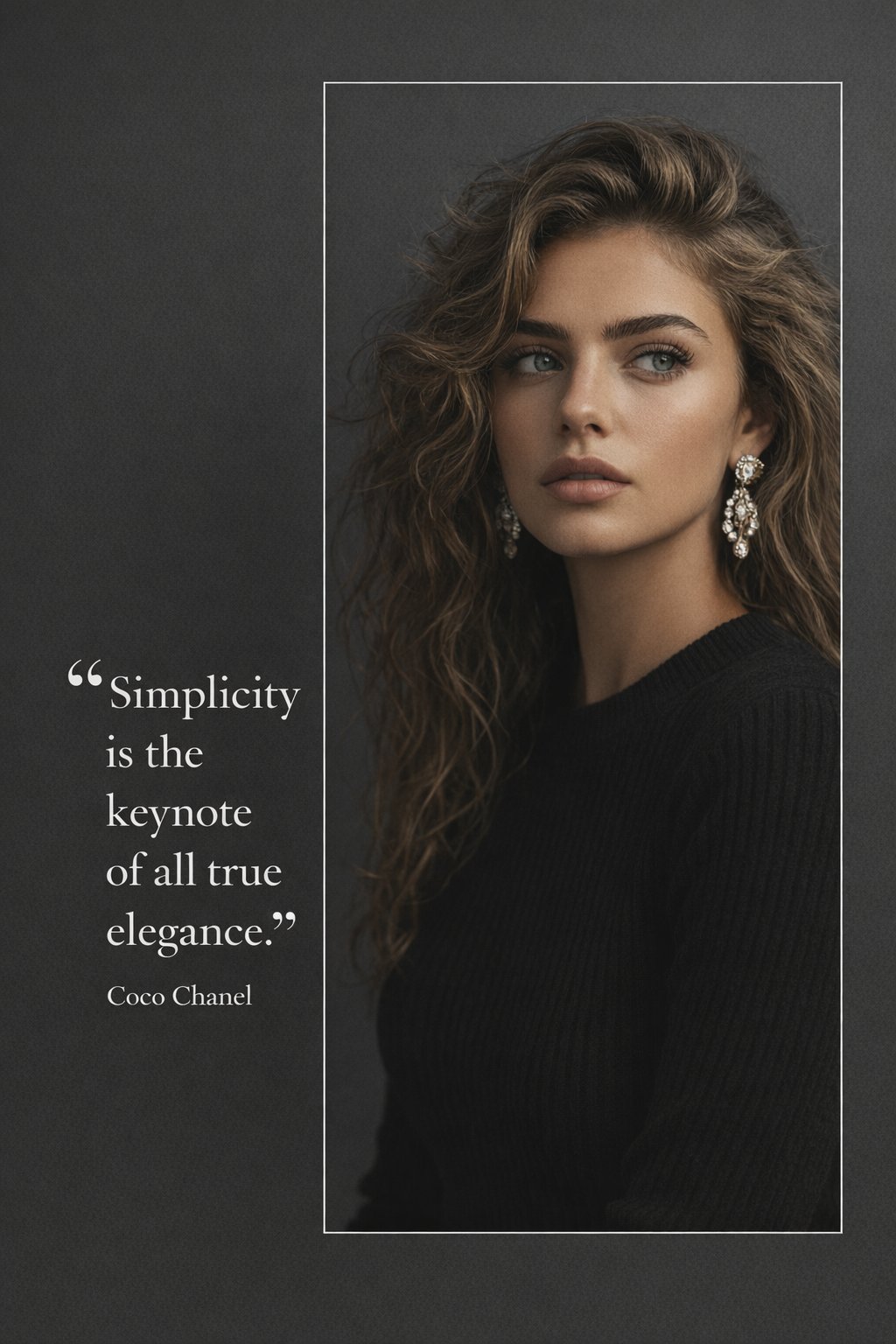
Luxury fashion editorial
Luxury fashion editorial explores a fashion or editorial portrait direction with stronger styling and campaign-ready composition.
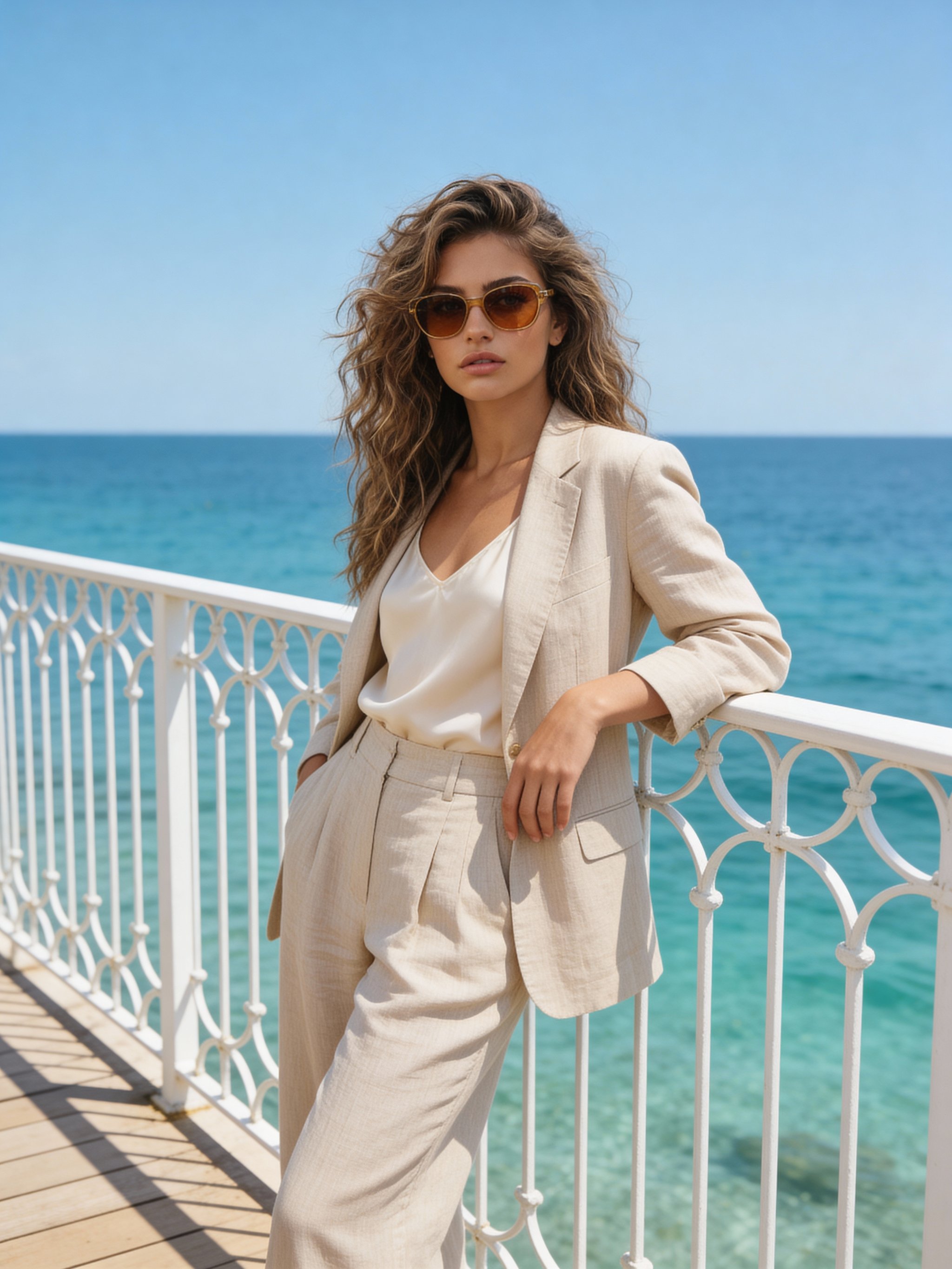
Mediterranean coastal fashion portrait
Mediterranean coastal fashion portrait explores a fashion or editorial portrait direction with stronger styling and campaign-ready composition.
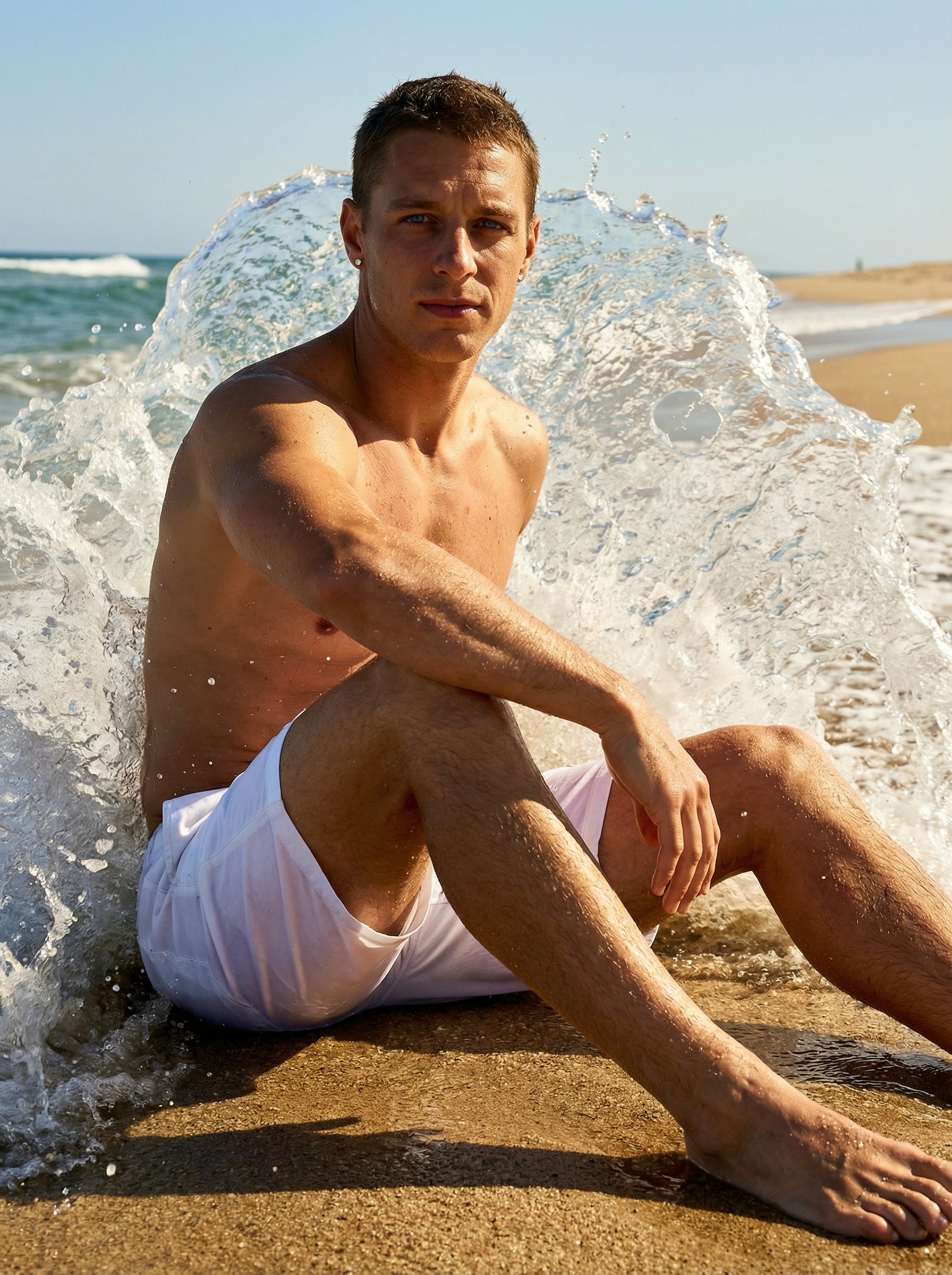
Beach Wave Splash Editorial Portrait
Beach Wave Splash Editorial Portrait explores a fashion or editorial portrait direction with stronger styling and campaign-ready composition.
Make it yours
Create with this recipe.
Open this recipe in the generator and add your details.
Generate a photo like this