Black Ink Sketch Portrait
Create a high-quality black ink sketch based entirely on the shared reference photo, preserving the subject’s exact facial feat...
Generate a photo like thisExplore the prompt- Recommended Workflows
- Gemini 3 Pro Image
- Recommended Aspect Ratio
- 3:4
- Reference Images Required
- 1 image
01 / The recipe
Prompt variants
Use these as short alternate directions for Black Ink Sketch Portrait; each variant keeps the recipe recognizable while pushing a different outcome.
Create a high-quality black ink sketch based entirely on the shared reference photo, preserving the subject’s exact facial features, structure, and identity with complete accuracy (do not alter gender, ethnicity, or any defining traits). The drawing should portray a relaxed, joyful, and captivating expression at the same time. Use detailed ink texture with professional-level linework, subtle cross-hatching, and carefully balanced highlights and shadows to give a photorealistic illustrated look. Dress the subject in modern, casual clothing with clean contemporary styling. Remove the original background entirely and replace it with a simple, appropriate minimal backdrop (or pure white/soft neutral tone) so the focus remains fully on the face. Maintain a refined artistic aesthetic: black ink only, UHD detail, subtle shading, realistic depth, and a polished professional sketch finish.
02 / Make it yours
A little direction goes a long way.
Create a Black Ink Sketch Portrait with a polished artistic treatment that preserves the subject while giving the image a clear illustrated style. Start from the reference image so the subject, source structure, or key visual details stay anchored while the style changes. This recipe is useful for profile pictures, editorial avatars, poster art, and stylized personal branding images.
Best for / not ideal for
Use this section to decide whether Black Ink Sketch Portrait is the right recipe before spending credits on variations.
Best for
- Black Ink Sketch Portrait concepts where the example image is close to the result you want.
- Visual directions built around an art-led portrait treatment that keeps likeness readable while making the style expressive.
- Compositions that benefit from a visual setting that reinforces the artwork while leaving the portrait easy to read.
- Fast testing with Gemini 3 Pro Image in 3:4.
Not ideal for
- Neutral photorealistic portraits with minimal visible styling.
- Technical diagrams, product packshots, or plain background documentation.
- Projects where every line must follow brand guidelines exactly.
- Subtle face cleanup that should still look like an untouched camera photo.
How to adapt the prompt
Keep the core idea of Black Ink Sketch Portrait, then change the details that control identity, style, color, background, and framing.
Subject and likeness
Style intensity
Color palette
Background simplicity
Composition and crop
Common fixes
If Black Ink Sketch Portrait is close but not usable yet, make one of these targeted prompt edits before changing everything.
Subject drift
Too busy or chaotic
Colors overpower the subject
Image feels flat
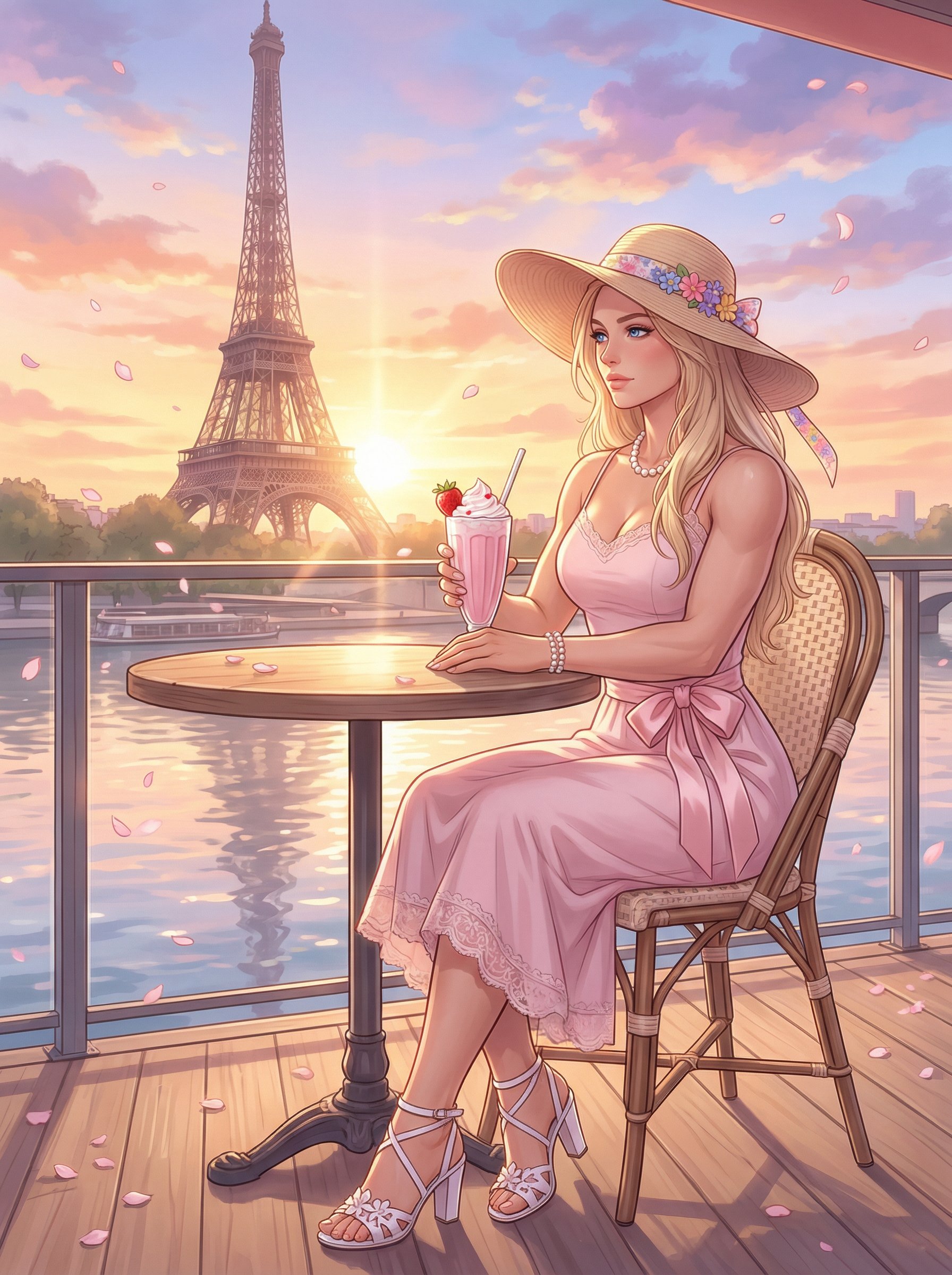
Paris Cafe Sunset Anime Illustration
Paris Cafe Sunset Anime Illustration uses a stylized art direction for portraits, avatars, posters, and expressive personal visuals.
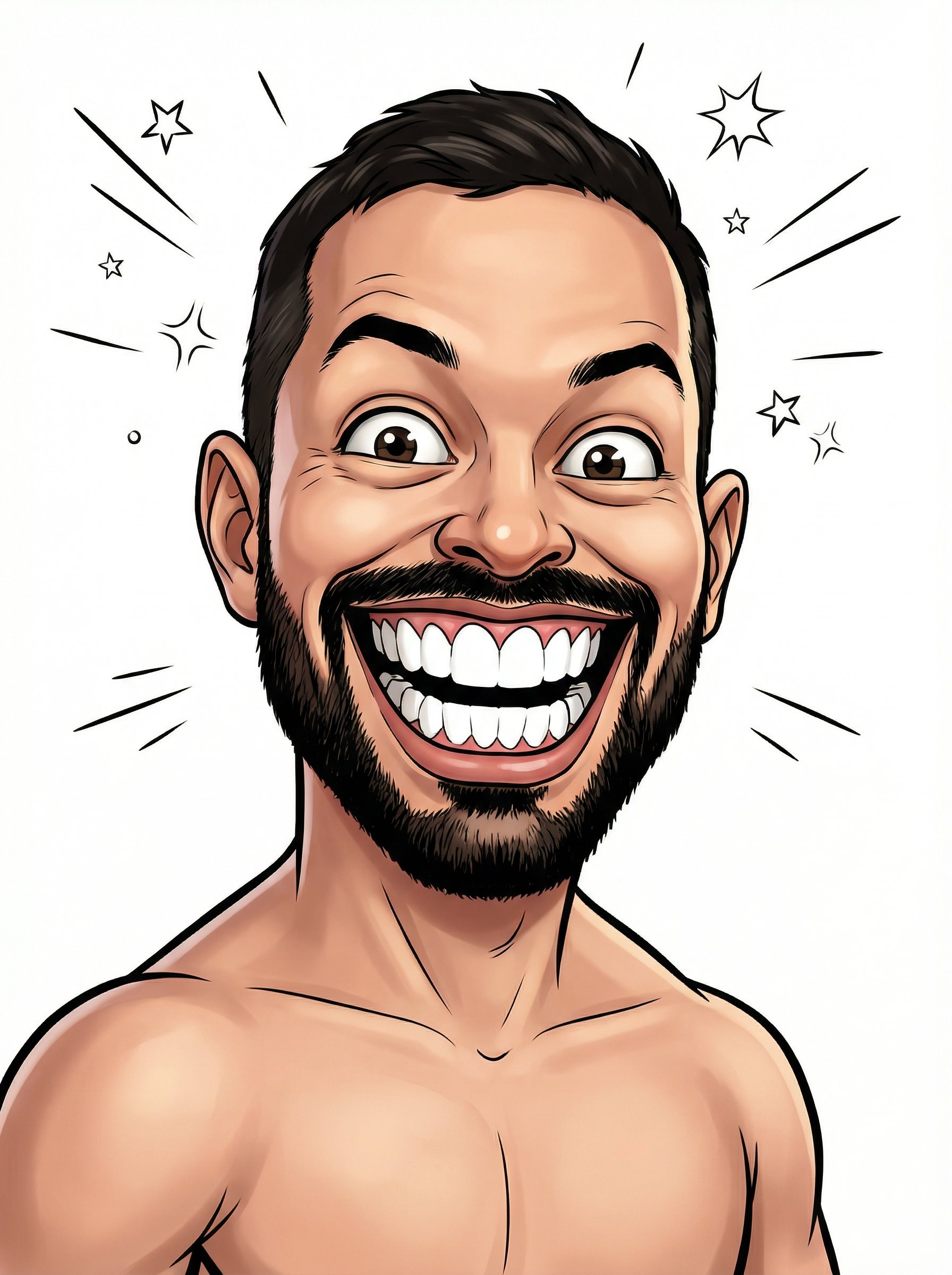
Shirtless Comic Caricature Portrait
Shirtless Comic Caricature Portrait uses a stylized art direction for portraits, avatars, posters, and expressive personal visuals.
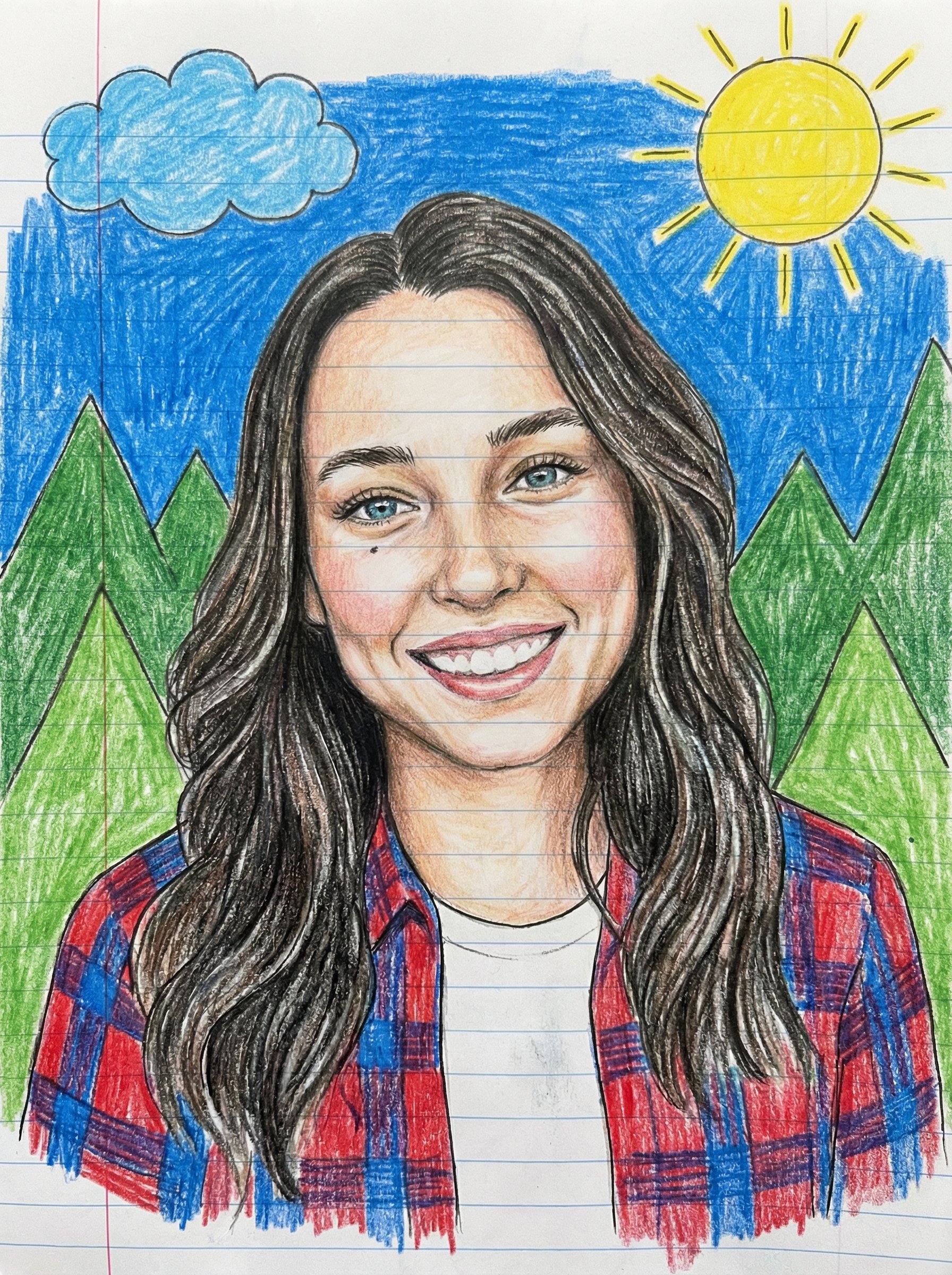
Childlike Colored Pencil Portrait
Childlike Colored Pencil Portrait uses a stylized art direction for portraits, avatars, posters, and expressive personal visuals.
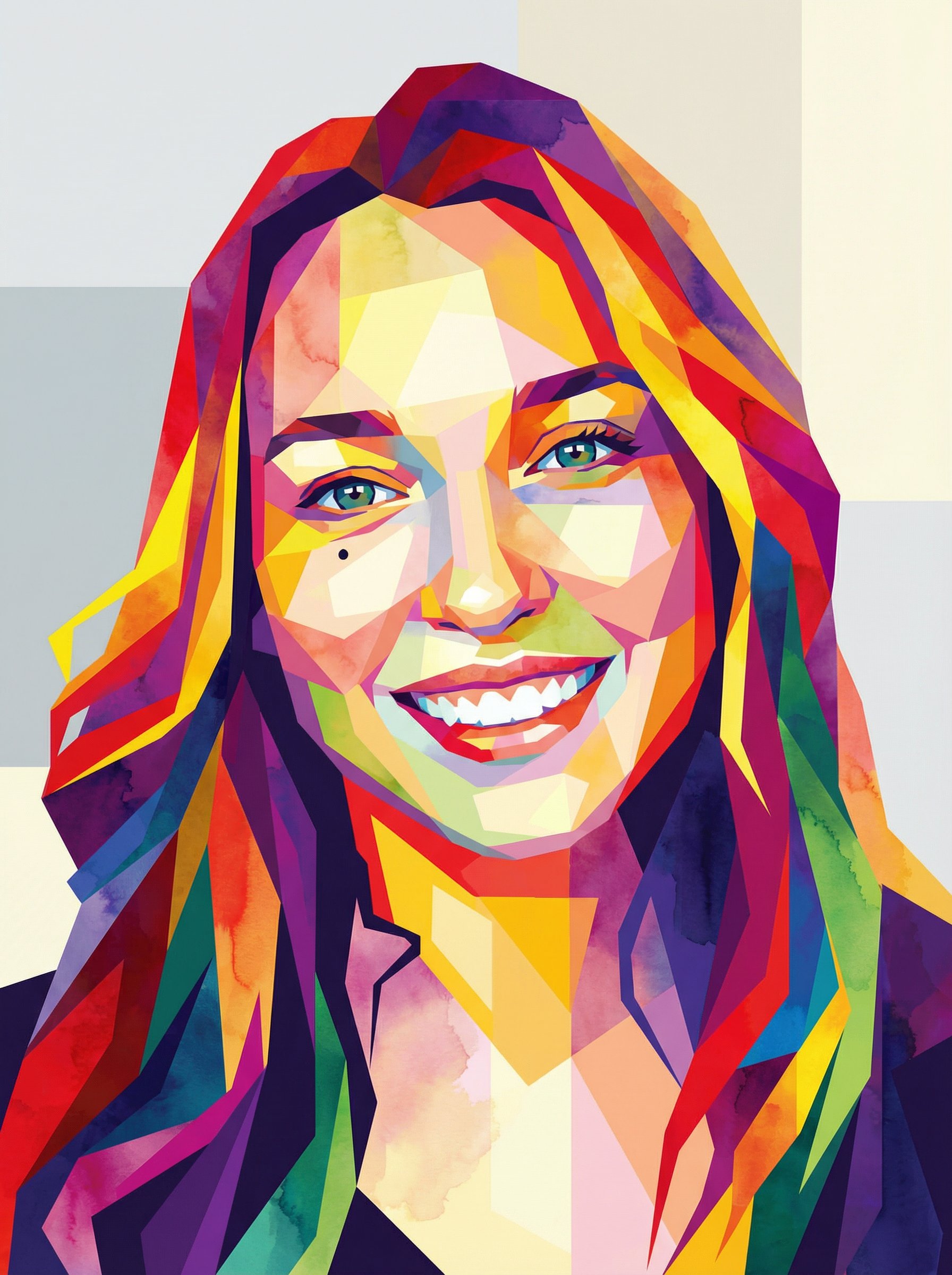
Abstract Geometric Polygon Portrait
Abstract Geometric Polygon Portrait uses a stylized art direction for portraits, avatars, posters, and expressive personal visuals.
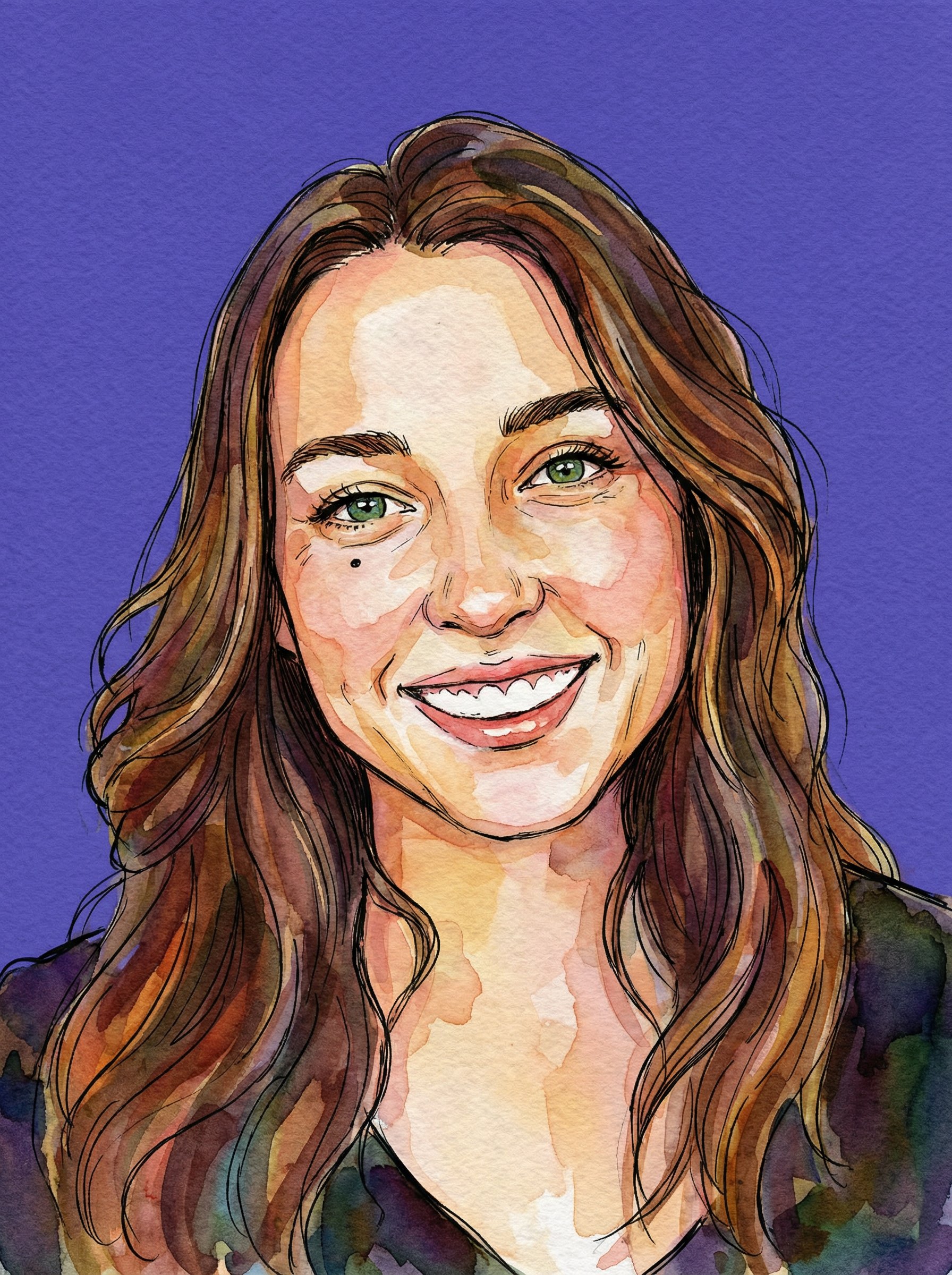
Watercolor Ink Purple Backdrop Portrait
Watercolor Ink Purple Backdrop Portrait uses a stylized art direction for portraits, avatars, posters, and expressive personal visuals.
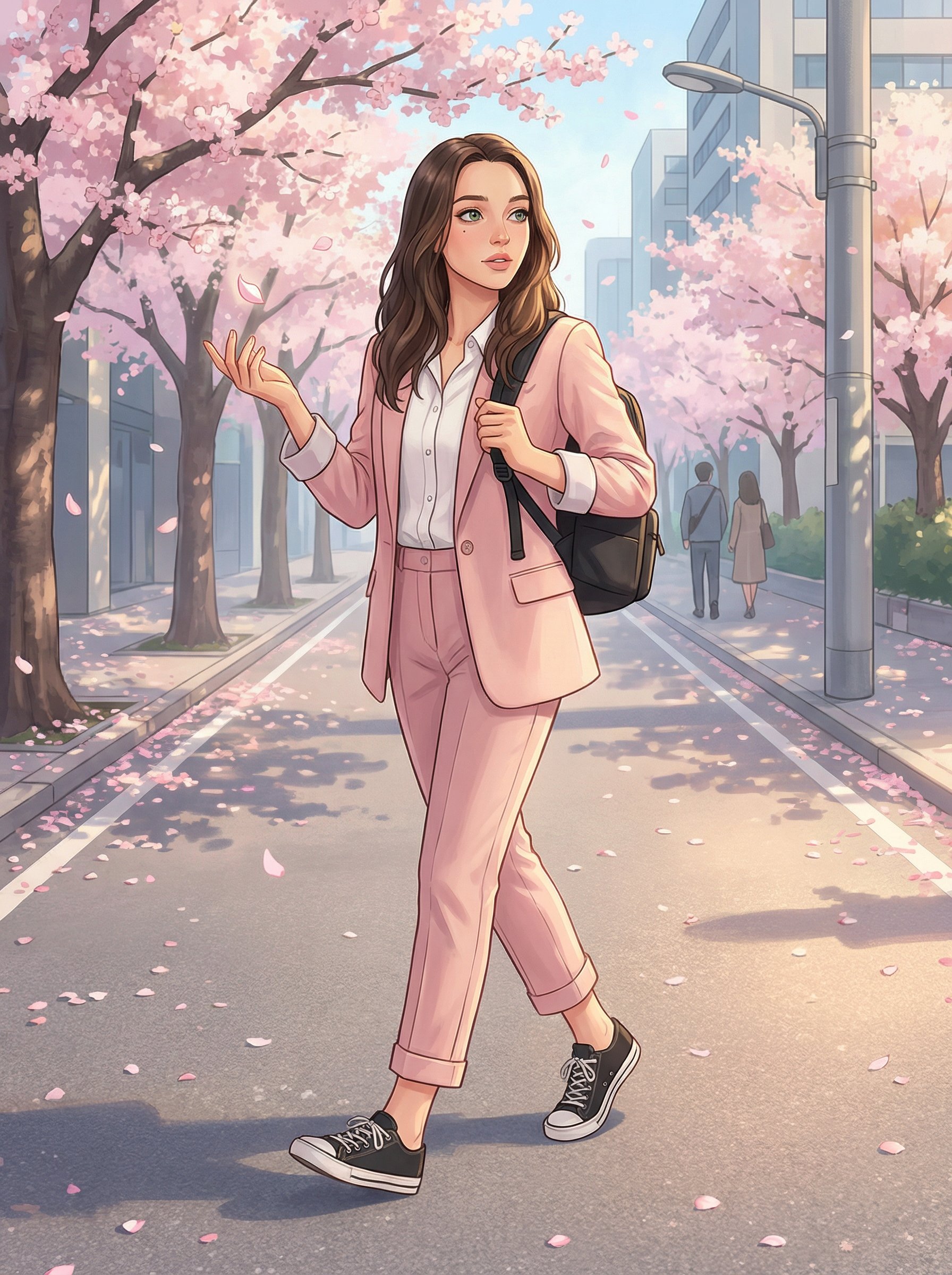
Cherry Blossom Anime Street Illustration
Cherry Blossom Anime Street Illustration uses a stylized art direction for portraits, avatars, posters, and expressive personal visuals.
Make it yours
Create with this recipe.
Open this recipe in the generator and add your details.
Generate a photo like this